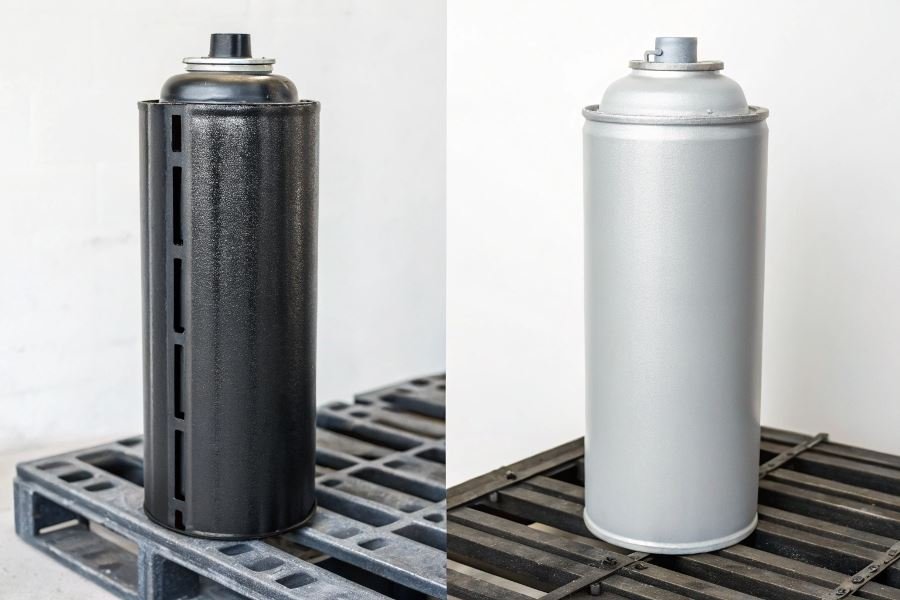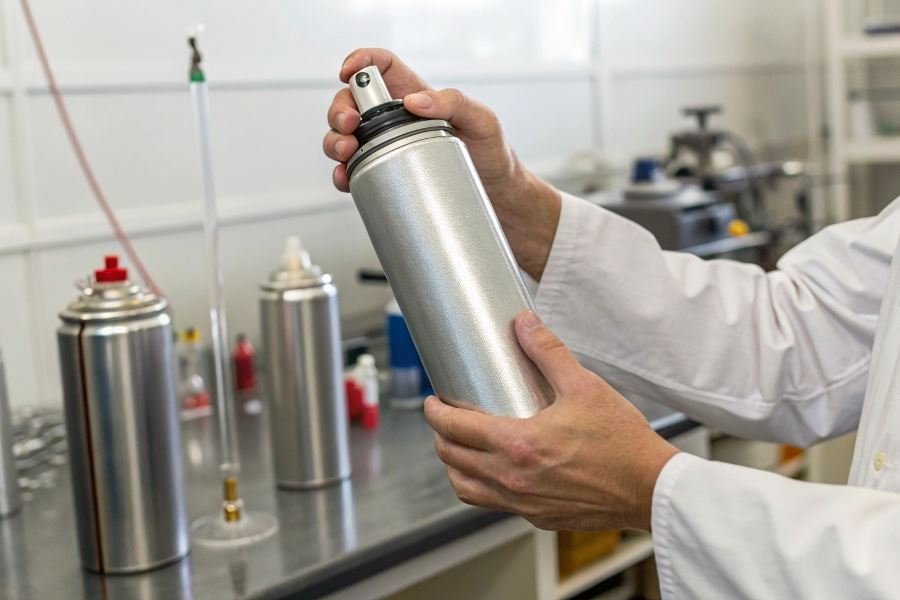
Ever picked up a can of brake cleaner and wondered about the engineering marvel in your hand? That pressurized container represents decades of innovation specifically designed to make vehicle maintenance more effective and accessible.
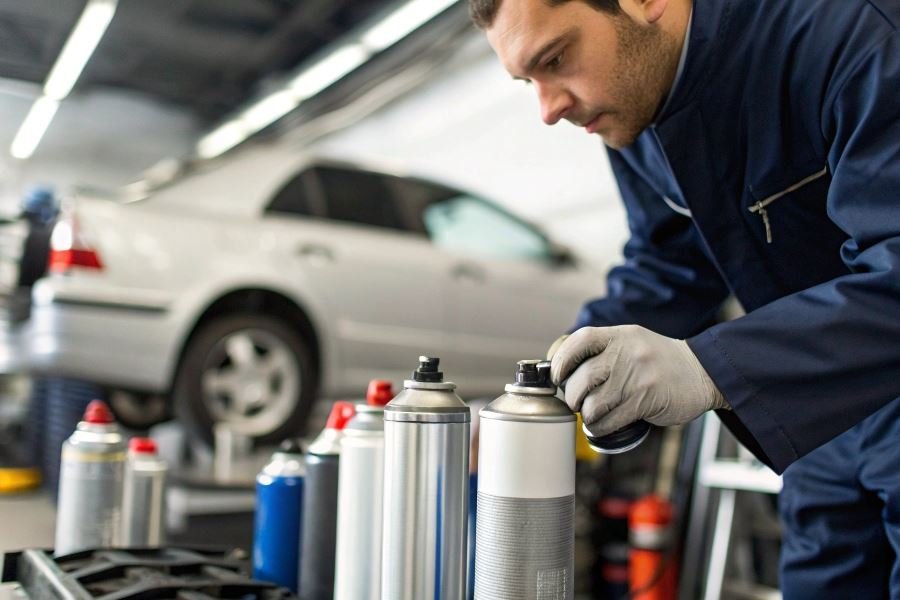
Aerosol cans in automotive applications are pressurized containers that deliver products—from lubricants to cleaners—in a fine, controlled spray. What makes them indispensable is their ability to reach tight spaces and apply products evenly without specialized equipment. A professional mechanic might use 15-20 different aerosol products in a single day, each formulated to solve specific automotive challenges.
The journey of these powerful tools began in 1941 when the first patented aerosol can was developed for insecticide delivery. By the 1960s, the technology had revolutionized the automotive industry, introducing specialized formulations for everything from carburetor cleaners to undercoating protectants. Today’s advanced aerosols feature precision nozzles, variable spray patterns, and environmentally improved propellants that have dramatically reduced their environmental impact.
Safety first: The power demands respect
With convenience comes responsibility. Modern aerosol products contain pressurized contents (typically 40-70 PSI) and often flammable compounds. Always work in well-ventilated areas, keep cans away from heat sources exceeding 120°F, and never puncture or incinerate containers—even when empty. The fine mist from automotive aerosols can be easily inhaled, making proper respiratory protection essential when using products like paint or heavy-duty degreasers.
Remember: That small can packs significant potential—both for solving automotive problems and creating hazards when mishandled.
The Aerosol Arsenal: Transforming Auto Maintenance
Professional mechanics and dedicated DIY enthusiasts know that behind every successful auto repair job stands an arsenal of specialized tools—and among the most versatile are aerosol products. Types of aerosol cans and their use in auto service have evolved dramatically over the decades, offering solutions for everything from stubborn rust to precision finishing work. Today’s high-performance formulations deliver professional results that were once only possible in specialized shop environments.
Lubricants and Penetrants: Breaking the Bonds
When facing seized bolts or squeaky hinges, nothing compares to a quality penetrating oil aerosol. These specialized formulations work their way into microscopic spaces between metal surfaces, breaking down rust and corrosion.
Key penetrating oil characteristics:
- Fast-acting formulas that penetrate in seconds
- Temperature resistance (typically -50°F to 400°F)
- Moisture displacement properties
- Residual lubrication after application
WD-40 remains the household name, but professional mechanics often reach for specialized options like PB Blaster for truly stubborn applications. The difference lies in the solvent-to-lubricant ratio—professional-grade penetrants contain more aggressive solvents that dissolve rust bonds more effectively.
For moving parts requiring ongoing lubrication, silicone and lithium-based aerosol greases provide lasting protection with temperature stability that conventional oils can’t match.
Cleaning and Degreasing: The Foundation of Quality Repairs
No repair job succeeds on dirty components. Modern degreasing aerosols have transformed from simple solvent sprays to sophisticated formulations that target specific contaminants.
| Aerosol Type | Best For | Environmental Impact |
|---|---|---|
| Brake Cleaner | Brake components, precision parts | High VOCs, non-residual |
| Carb Cleaner | Fuel system components | High VOCs, aggressive solvents |
| Citrus Degreasers | Engine exteriors, tools | Lower VOCs, biodegradable options |
| Foaming Cleaners | Upholstery, plastic trim | Moderate VOCs, residual moisture |
The evolution of these products reflects changing environmental regulations and performance demands. Modern formulations from companies like CRC Industries balance cleaning power with reduced environmental impact through lower VOC (Volatile Organic Compound) content.
Protective Coatings: Beyond Basic Paint
Perhaps the most visible transformation in automotive aerosols has occurred in the finishing and protection category. Today’s coating technologies deliver results that rival professional spray equipment.
Modern automotive aerosol coatings include:
- High-solid content paints with improved coverage
- Ceramic-infused protective sprays
- UV-resistant clear coats
- Rubberized undercoatings with sound dampening properties
The precision of these products comes from advanced valve systems that deliver consistent particle size and spray patterns. Dupli-Color and Rust-Oleum have pioneered fan-spray nozzles that mimic professional HVLP (High Volume Low Pressure) spray guns, allowing DIY enthusiasts to achieve near-factory finishes.
Beyond aesthetics, protective aerosols include corrosion inhibitors that form molecular bonds with metal surfaces. These products create invisible shields against moisture and road salt, extending vehicle life in harsh environments. The latest generation of these protectants incorporates nanotechnology that penetrates microscopic surface imperfections for comprehensive protection.
The convenience of aerosol delivery combined with advanced formulations has democratized auto maintenance, putting professional-grade solutions literally at your fingertips.
Professional Aerosol Solutions That Transform Auto Service
Diagnostic Aerosols That Reveal Hidden Problems
Professional auto technicians rely on specialized diagnostic aerosols to identify issues that would otherwise remain invisible. Leak detection sprays have revolutionized how mechanics troubleshoot cooling systems, air conditioning units, and vacuum lines. These formulations typically contain fluorescent dyes that glow under UV light, making even microscopic leaks immediately apparent.
Tracer Products offers diagnostic aerosols that can detect leaks as small as 0.25 ounces per year—precision that was unimaginable just a decade ago. When applied to suspect areas, these products create a visible bubble formation at leak points, eliminating guesswork and dramatically reducing diagnostic time.
For electrical system testing, freeze sprays have become indispensable. These products rapidly cool components to -60°F, causing intermittent faults to manifest consistently. This thermal shock technique helps identify failing sensors, control modules, and connection points that function normally at standard temperatures but fail under specific conditions.
Performance Enhancers That Deliver Measurable Results
The engine and fuel system performance category has seen remarkable innovation in aerosol technology. Modern fuel system cleaners delivered via aerosol cans can dissolve carbon deposits that traditional liquid additives simply can’t reach.
Throttle body cleaners have become particularly sophisticated, with formulations that evaporate completely without leaving residue on sensitive electronic components. These products restore proper air-fuel mixture by removing performance-robbing deposits that accumulate over thousands of miles.
Intake valve cleaners represent another breakthrough category:
| Product Type | Application Method | Dwell Time | Expected Results |
|---|---|---|---|
| Foam Cleaners | Spray into intake | 10-15 minutes | Removes light deposits |
| Solvent-Based | Direct application | 5-7 minutes | Dissolves heavy carbon |
| Catalytic Cleaners | Through intake manifold | Running engine | Cleans while driving |
The difference between professional-grade aerosols and consumer products isn’t just marketing—it’s chemistry. Professional products typically contain higher concentrations of active ingredients and specialized carriers designed for specific automotive applications.
Environmental Responsibility in Aerosol Management
The professional auto service industry has made significant strides in addressing environmental concerns related to aerosol products. Modern aerosol cans are now manufactured without chlorofluorocarbons (CFCs), which were phased out globally following the Montreal Protocol of 1987.
Best practices for aerosol disposal have evolved beyond simple trash disposal:
- Complete emptying of cans before disposal reduces hazardous waste classification
- Puncturing systems like those from Aerosolv convert empty aerosol cans into recyclable scrap metal
- Waste segregation programs separate aerosol waste from general shop waste
Many manufacturers now offer aerosol products with lower volatile organic compounds (VOCs), reducing both environmental impact and technician exposure. 3M Automotive has pioneered water-based alternatives for applications previously dominated by solvent-based aerosols.
The most forward-thinking auto service operations implement closed-loop recycling programs where spent aerosol cans are collected by specialized waste management companies that separate and recycle the metal components while properly disposing of any residual contents.
By embracing these specialized tools and responsible practices, professional auto service operations deliver superior results while minimizing environmental impact—a winning combination for businesses, customers, and our shared environment.
Discover the essential aerosol can types revolutionizing auto maintenance, from penetrating lubricants to diagnostic sprays. Learn proper application techniques and environmental disposal methods for professional-grade results in your garage.
Discover the essential aerosol can types revolutionizing auto maintenance, from penetrating lubricants to diagnostic sprays. Learn proper application techniques and environmental disposal methods for professional-grade results in your garage.