Did you know the first hair curling device was patented in 1866? Yet today’s styling tools barely resemble those early contraptions that often singed hair and tested patience.
Hair curlers have undergone a remarkable transformation since their humble beginnings. What started as heated metal rods wrapped in paper has evolved into sophisticated styling tools that can create everything from tight ringlets to beachy waves with minimal damage. This evolution reflects our enduring fascination with transforming straight locks into voluminous, textured styles that frame the face and add dimension to hair.
The evolution of curling technology
The journey from primitive heated rods to today’s advanced styling tools spans centuries. Marcel Grateau revolutionized hairstyling in the 1870s with his innovative curling iron design, while the 1930s saw the introduction of the first electric curlers. By the 1980s, hot rollers dominated bathroom counters across America, and the 2000s ushered in ceramic and tourmaline technologies that protected hair while styling.
How different curlers create magic
Each type of curler works through a distinct mechanism:
- Heat-based curlers (curling irons, wands, hot rollers) reshape hair’s hydrogen bonds temporarily through thermal manipulation
- Tension-based curlers (foam rollers, flexi-rods) create curls by wrapping damp hair and allowing it to dry in a curved position
- Chemical curlers work alongside perming solutions to permanently alter hair structure
Choosing your perfect match
When selecting a curler, consider these critical factors:
- Hair type and texture: Fine hair responds to lower heat, while coarse hair may require higher temperatures
- Desired curl pattern: Barrel size determines curl tightness—smaller barrels create tighter curls
- Hair health: Heat-free options protect damaged hair from further stress
- Skill level: Some tools require more technique than others
The Ultimate Guide to Hair Curler Technology
Hair styling technology has evolved dramatically, offering an impressive array of tools designed to create everything from tight spirals to loose waves. Understanding the types of hair curlers available today can help you achieve salon-quality results at home while protecting your hair from unnecessary damage.
When exploring the vast landscape of hair curling options, it’s essential to consider how different types of hair curlers: differences and features impact both the styling process and the final look. Each technology offers unique benefits that cater to specific hair types, desired outcomes, and styling preferences.
Heat-Based Curling Technologies
Heat-based curlers remain the most popular choice for achieving long-lasting curls quickly. These tools work by using thermal energy to temporarily break the hydrogen bonds in hair, allowing strands to be reshaped.
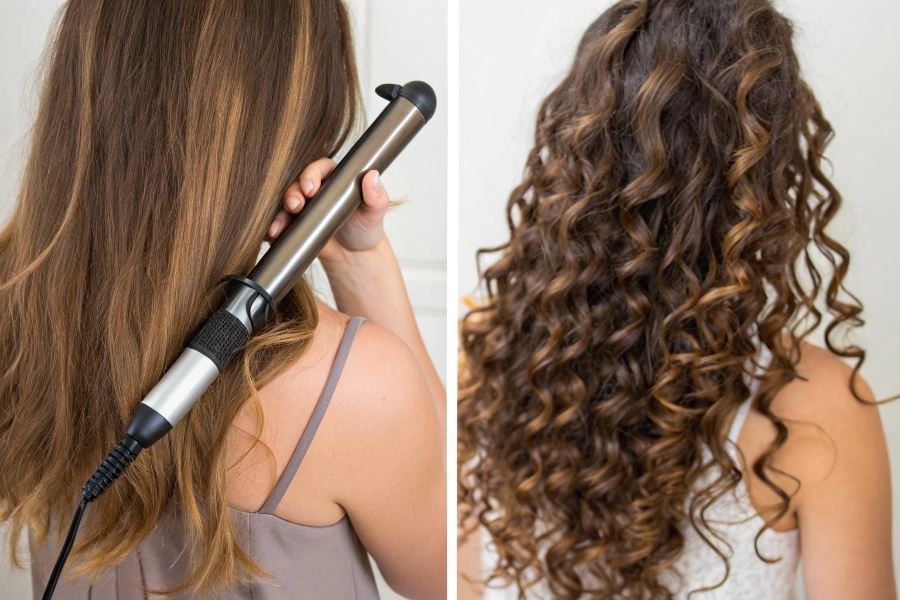
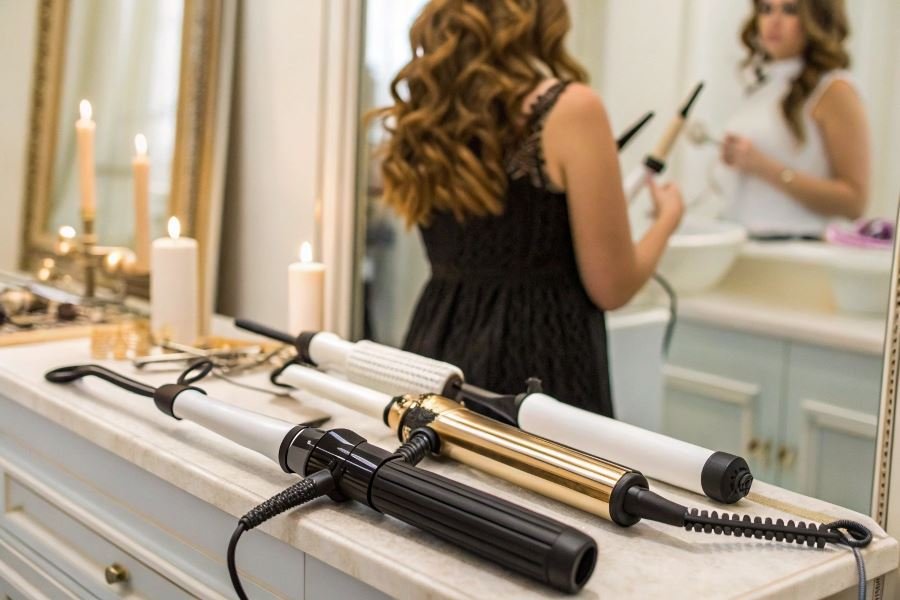
Curling irons deliver precise control with barrels ranging from ⅜” to 2″ in diameter. The smaller the barrel, the tighter the curl. Modern versions from brands like T3 and ghd feature ceramic, tourmaline, or titanium heating surfaces that distribute heat evenly and reduce damage.
Curling wands offer clipless designs that create more natural-looking curls without the telltale crimping that can occur with traditional irons. The tapered shape of many wands produces curls that are tighter at the ends and looser near the roots.
Hot rollers have made a remarkable comeback with advanced technology. Unlike their predecessors, today’s versions from Conair and Remington heat up in minutes and use ionic technology to reduce frizz while adding shine.
| Heat Tool | Best For | Temperature Range | Average Styling Time |
|---|---|---|---|
| Curling Iron | Defined, uniform curls | 280°F-450°F | 15-20 minutes |
| Curling Wand | Natural, varied curls | 280°F-450°F | 10-15 minutes |
| Hot Rollers | Volume and bounce | 250°F-300°F | 20-30 minutes |
Heatless Curling Solutions
For those concerned about heat damage, heatless options provide gentler alternatives that can be surprisingly effective.
Foam rollers offer versatility and comfort, especially for overnight styling. The soft material makes them comfortable enough to sleep in, while their lightweight design prevents hair strain.
Flexi rods create defined, springy curls without heat. These bendable rods come in various diameters and can be used on damp or dry hair, making them ideal for those with already damaged or fragile strands.
Hair ribbons and silk curlers represent the newest trend in heatless styling. Products like the Kitsch satin heatless curling set use the “wrap method” to create bouncy, heat-free curls overnight with minimal effort and maximum hair health benefits.
Automated Curling Systems
The most significant innovation in hair curling technology comes in the form of automated systems that essentially do the work for you.
Chamber curlers like the Dyson Airwrap use the Coanda effect to draw hair into a chamber where it’s curled using controlled airflow rather than extreme heat. This revolutionary approach reduces damage while creating consistent, long-lasting curls.
Rotating barrel systems from brands like CHI automatically wrap hair around a heated barrel, eliminating the learning curve associated with traditional curling tools. These systems typically feature multiple heat settings and automatic shut-off for safety.
Smart curling technology now includes tools with built-in sensors that adjust temperature based on hair type and moisture content, ensuring optimal styling without unnecessary heat exposure.
The evolution of curling technology continues to accelerate, with each innovation offering improved results with less damage. Whether you prefer the precision of heat tools, the gentleness of heatless options, or the convenience of automated systems, today’s market offers solutions for every hair type, skill level, and styling goal.
Finding Your Perfect Hair Curler Match
Hair Type Compatibility That Makes Sense
Matching your hair curler to your specific hair type isn’t just marketing talk—it’s the difference between gorgeous curls and wasted time. Fine hair responds beautifully to ceramic curling wands that distribute heat gently, preventing damage while creating definition. Those blessed with thick, coarse locks need the muscle of titanium barrels that maintain consistent high heat.
Length matters just as much as texture. Short hair (chin-length or above) pairs perfectly with smaller barrel sizes (½-¾ inch) from brands like Hot Tools or T3, giving you control for those tighter curls. Medium to long hair thrives with 1-1½ inch barrels, allowing for those coveted beach waves that hold their shape.
Curly-haired folks take note: diffuser attachments for blow dryers often outperform traditional curlers, enhancing your natural pattern rather than fighting it. The Dyson Supersonic diffuser attachment has revolutionized curl definition for many natural-texture enthusiasts.
Longevity Through Smart Maintenance
The lifespan of your styling tool directly correlates to how you treat it. Ceramic curlers require gentle handling—their coating can chip if dropped, creating hot spots that damage hair. Meanwhile, titanium models withstand more abuse but need regular cleaning to prevent product buildup.
Maintenance isn’t optional—it’s essential for performance and safety.
| Curler Type | Cleaning Method | Replacement Timeline |
|---|---|---|
| Ceramic | Soft cloth with alcohol when cool | 2-3 years with proper care |
| Titanium | Damp cloth with mild soap | 3-5 years average lifespan |
| Hot Rollers | Wipe base unit, replace foam covers | 4+ years for quality sets |
| Automatic | Clean barrel after every 5 uses | 2-3 years (motor components) |
Storage matters tremendously. Heat-resistant pouches aren’t just accessories—they’re protection systems. Curlers with frayed cords aren’t just unsightly; they’re dangerous. Inspect your tools quarterly for signs of wear.
Value Beyond Price Tags
The most expensive curler isn’t automatically your best option. The Conair Infiniti Pro consistently delivers professional results at mid-range prices, while some luxury models add features you might never use.
Consider these value factors beyond the initial price:
- Warranty length – Quality manufacturers stand behind their products with 2+ year guarantees
- Temperature range versatility – Multiple heat settings extend your styling options
- Heat-up time – The difference between 30 seconds and 2 minutes adds up over years of use
- Auto shut-off – This safety feature prevents accidents and extends motor life
The true cost of a hair curler isn’t what you pay at checkout—it’s what you pay per use over its lifetime.
Budget-conscious shoppers should prioritize core heating technology over flashy extras. A solid ceramic core with basic temperature control will outperform a feature-laden but poorly constructed alternative every time.
For those willing to invest, multi-function tools like the GHD Creative Curl Wand offer tapered barrels that create multiple curl types with a single tool—effectively giving you several curlers in one, justifying the higher price point through versatility and construction quality that lasts years longer than budget alternatives.
Discover the complete guide to hair curlers - from traditional hot rollers to modern automated systems. Learn how to choose the perfect styling tool based on your hair type, desired results, and budget for salon-quality curls at home.
Discover the complete guide to hair curlers - from traditional hot rollers to modern automated systems. Learn how to choose the perfect styling tool based on your hair type, desired results, and budget for salon-quality curls at home.