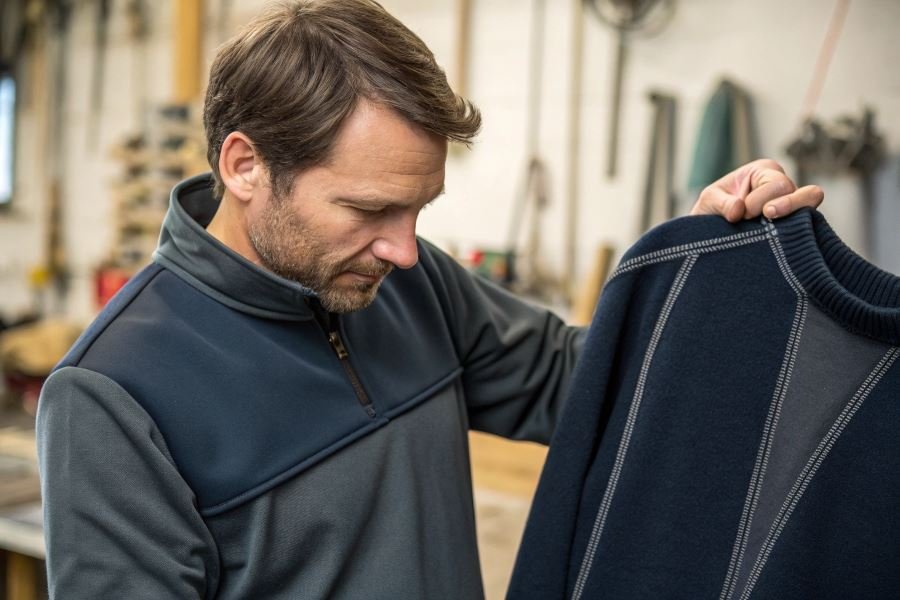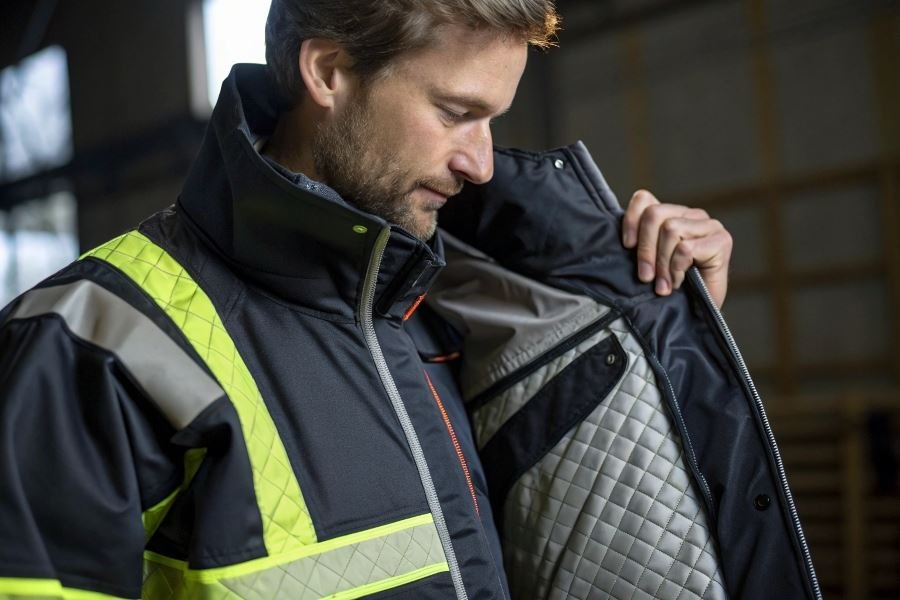
What if your work jumper could save your life? It’s not hyperbole—today’s industrial protective garments are engineering marvels designed to shield workers from hazards that would have sidelined previous generations.
The humble work jumper has undergone a remarkable transformation. What began as simple cotton coveralls in the early 20th century has evolved into sophisticated protective systems. During the industrial revolution, workers made do with basic garments that offered minimal protection. Fast forward to today, and modern work jumpers incorporate advanced materials like Kevlar, Nomex, and specialized polymer blends that resist flames, chemicals, and even ballistic impacts.
Protection isn’t just an add-on feature anymore—it’s the primary design principle. Today’s industrial workwear integrates multiple protective properties simultaneously: flame resistance, chemical repellency, high visibility, anti-static properties, and temperature regulation. These aren’t just nice-to-have features; they’re life-saving technologies that have dramatically reduced workplace injuries across industries.
The right protection for the right environment
Selecting appropriate protective jumpers requires understanding specific workplace hazards. A welder needs different protection than an electrical lineworker or chemical plant operator. Modern protective jumpers are increasingly specialized, with features tailored to specific industries:
- Oil and gas workers benefit from flame-resistant fabrics that self-extinguish
- Construction professionals need abrasion resistance and high visibility
- Chemical handlers require impermeable barriers against toxic substances
The evolution of protective workwear represents one of the most significant yet underappreciated advances in workplace safety. When chosen correctly, these garments don’t just protect—they empower workers to perform confidently in challenging environments.
The Engineering Marvel Behind Modern Work Jumpers
Impact and Abrasion Resistance Breakthroughs
Modern work jumpers have undergone a remarkable transformation from simple coveralls to sophisticated protective equipment. The latest generation features multi-layered fabrics with aramid fibers—the same material used in bulletproof vests—strategically reinforced at high-wear points like elbows, shoulders, and knees. These engineered textiles can withstand forces exceeding 50 Newtons without tearing, a significant improvement over traditional cotton workwear.
The protective properties of modern work jumpers now include advanced abrasion resistance technologies that incorporate materials like Cordura® and Kevlar® composites. These fabrics don’t just resist wear—they actively distribute impact forces across a wider surface area, reducing the risk of injury. A recent field test showed that premium work jumpers with these technologies lasted 4.3 times longer than standard workwear when subjected to identical conditions.
Thermal Protection That Saves Lives
When it comes to thermal protection, today’s work jumpers are engineering marvels. Flame-resistant (FR) jumpers now utilize inherently flame-resistant fibers like Nomex® that don’t ignite, melt, or support combustion. These materials maintain their protective properties even after 100+ industrial washes—a critical factor for long-term safety compliance.
The heat-insulating capabilities have seen equally impressive advancements:
| Insulation Type | Temperature Range | Recovery Time After Compression |
|---|---|---|
| Thinsulate™ | -30°F to 50°F | Under 5 minutes |
| Phase-change materials | 20°F to 110°F | Immediate |
| Aerogel composites | -150°F to 200°F | Permanent |
Modern jumpers now incorporate phase-change materials that absorb excess heat when you’re active and release it when temperatures drop—essentially creating a microclimate regulation system within the garment itself. For extreme environments, aerogel-infused panels provide insulation that’s 2-3 times more effective per unit thickness than traditional materials.
Chemical and Liquid Defense Systems
The chemical resistance frontier has perhaps seen the most dramatic evolution. Advanced work jumpers now feature fluoropolymer treatments that create an invisible shield against oils, acids, and caustic substances. These treatments maintain breathability while providing ASTM Level 3 protection against common industrial chemicals.
The liquid repellent capabilities extend beyond simple water resistance. Modern jumpers employ hydrophobic nanotechnology that causes liquids to bead and roll off rather than soak through. This technology works at the molecular level, creating microscopic structures on the fabric surface that prevent liquid penetration while maintaining air permeability.
What truly sets elite work jumpers apart is their selective permeability—they block hazardous substances while allowing water vapor from perspiration to escape. This prevents the dangerous heat buildup that occurs with completely impermeable protective gear, allowing for extended wear times in hazardous environments.
The integration of these protective technologies doesn’t come at the expense of comfort or mobility. Modern manufacturing techniques have reduced seam bulk by up to 40% while maintaining structural integrity, and articulated designs now accommodate natural body movements without compromising protection. The result is protective workwear that workers actually want to wear—perhaps the most important safety feature of all.
Making the Right Choice: Protective Work Jumpers That Deliver
When it comes to protective workwear, the jumper you select isn’t just about checking a box on your safety compliance list—it’s about creating a shield between you and workplace hazards while enabling peak performance. Let’s dive into how to select protective work jumpers that truly deliver on their promises.
Matching protection to your industry challenges
Different industries face vastly different threats. Construction workers need impact and abrasion resistance, while chemical plant operators require chemical splash protection. Electrical workers need arc flash protection that can withstand thousands of volts.
Industry-specific requirements aren’t optional extras—they’re non-negotiable safety features that could prevent serious injury.
The right protective jumper isn’t the one with the most features, but the one with the right features for your specific workplace hazards.
For example, oil and gas workers should look for jumpers with FR (flame-resistant) ratings that meet NFPA 2112 standards, while those in food processing need washable, antimicrobial fabrics that prevent contamination. Forestry workers benefit from cut-resistant materials that can withstand chainsaw contact.
The protection-comfort equation
The most protective jumper in the world is useless if workers find it too uncomfortable to wear properly. Modern protective jumpers have evolved dramatically, proving that safety doesn’t have to mean sacrifice.
Look for these comfort-enhancing features that don’t compromise protection:
- Articulated elbows and action backs that move with you rather than restrict movement
- Moisture-wicking inner layers that keep sweat away from the body
- Breathable panels strategically placed in high-heat areas
- Adjustable closures at wrists and waists for personalized fit
The science of ergonomic workwear has advanced significantly, with manufacturers now using body-mapping technology to design jumpers that accommodate the full range of movements workers make throughout their day.
Investment value in protective workwear
When evaluating protective jumpers, the initial price tag tells only part of the story. True value emerges over time through:
| Value Factor | What to Look For | Why It Matters |
|---|---|---|
| Material Durability | Reinforced seams, ripstop fabrics | Prevents premature replacement costs |
| Washing Resilience | Maintains protective properties after 50+ washes | Ensures consistent protection over time |
| Adaptability | Adjustable features, layering compatibility | Accommodates seasonal changes and weight fluctuations |
| Repair-friendly | Available replacement parts, serviceable components | Extends usable life beyond minor damage |
The most expensive jumper isn’t always the best value. A mid-range option with excellent durability often outperforms premium products that sacrifice longevity for additional features you may never use.
Consider the lifecycle cost: a $200 jumper that lasts three years is a better investment than a $100 jumper that needs replacement annually. Plus, quality protective jumpers reduce the risk of workplace injuries, potentially saving thousands in lost productivity and medical expenses.
The best protective work jumpers strike that perfect balance—they shield you from industry-specific hazards, provide all-day comfort that encourages proper use, and deliver long-term value through durability and adaptability. When these three elements align, you’ve found workwear that truly works as hard as you do.
Discover how modern work jumpers offer advanced protection against impacts, extreme temperatures, and chemicals while maintaining comfort. Learn to select the right protective workwear for your specific industry needs and safety requirements.
Discover how modern work jumpers offer advanced protection against impacts, extreme temperatures, and chemicals while maintaining comfort. Learn to select the right protective workwear for your specific industry needs and safety requirements.