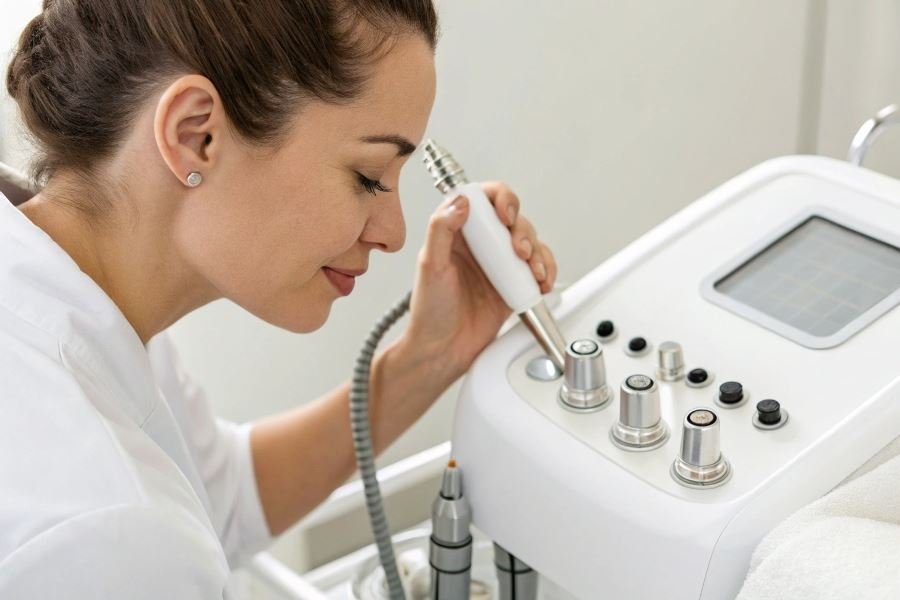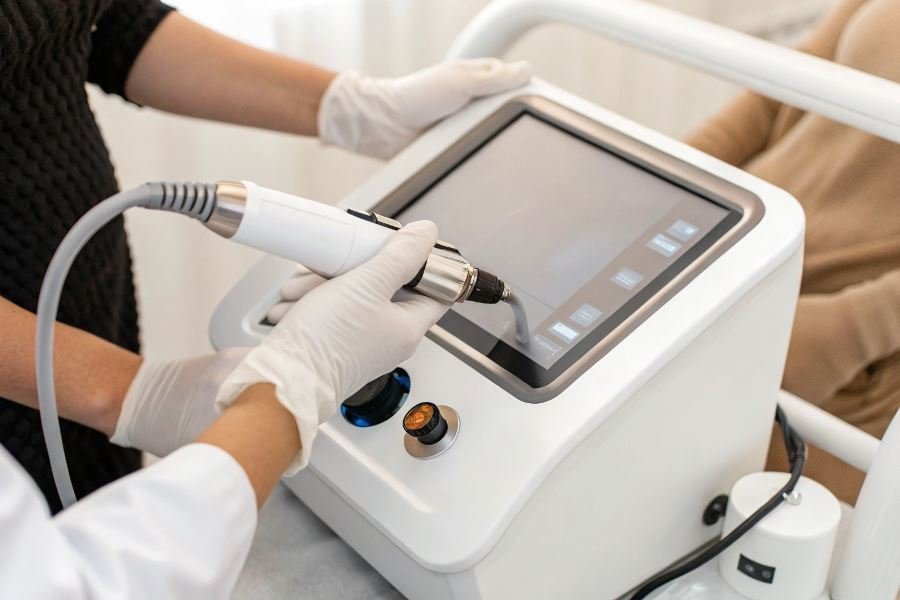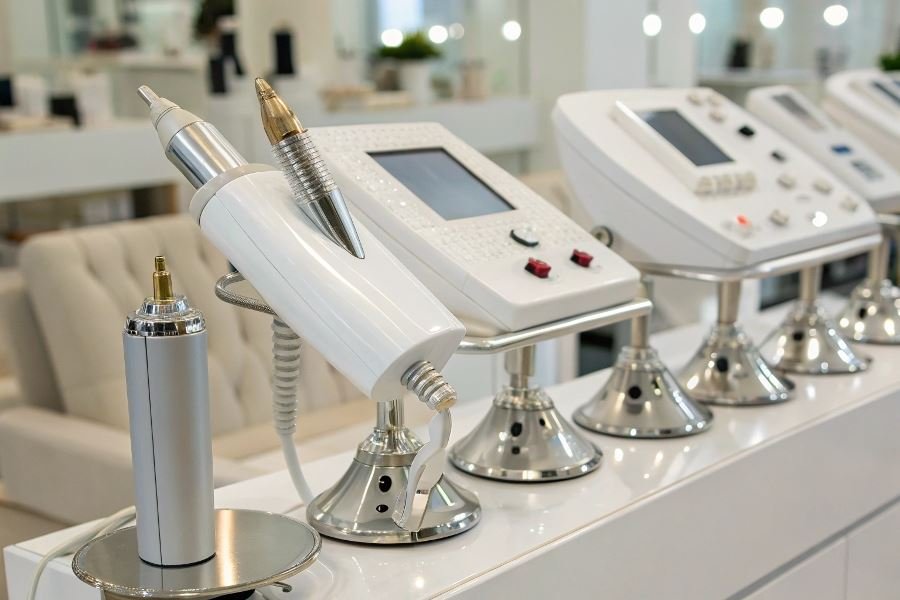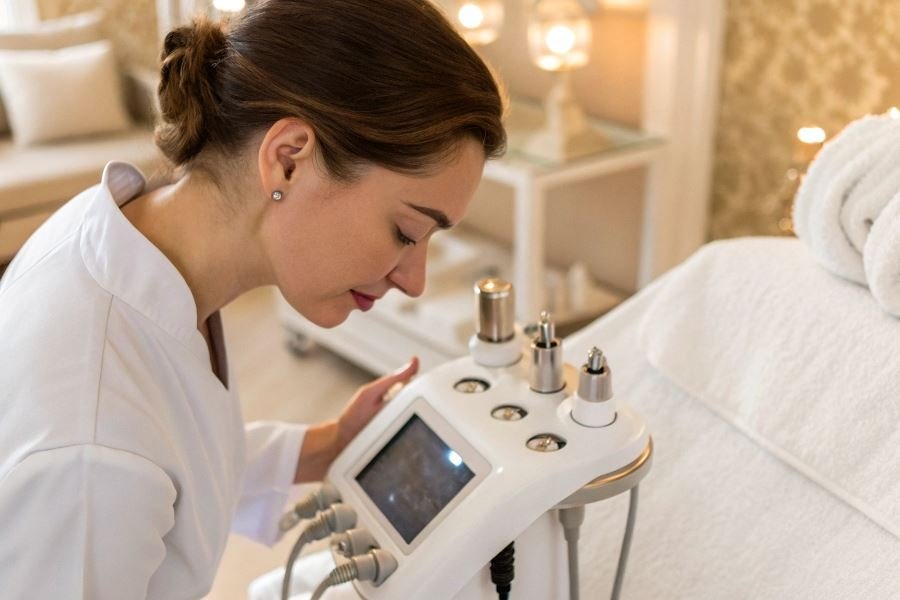
What if one device could replace your entire treatment room? The latest multifunctional cosmetology devices are doing exactly that—transforming how professionals deliver results and how businesses calculate their return on investment.
Multifunctional cosmetology devices combine several treatment technologies into a single, sophisticated system. Unlike their single-function predecessors, these powerhouses integrate multiple modalities—from radiofrequency and ultrasound to microcurrent and LED therapy—allowing practitioners to address diverse skin concerns without switching equipment.
The financial mathematics makes compelling sense. While the initial investment might range from $5,000 to $30,000 depending on capabilities, the consolidation eliminates the need to purchase, maintain, and find space for multiple machines. One device, multiple revenue streams—this equation resonates with savvy business owners looking to maximize both treatment room efficiency and profit margins.
Beyond economics, today’s technology trends are pushing these devices into remarkable territory. Artificial intelligence now personalizes treatments in real-time, adjusting parameters based on skin feedback. Connectivity features enable remote diagnostics and software updates, extending device lifespan. The most advanced systems incorporate precision sensors that measure treatment effectiveness, allowing practitioners to demonstrate tangible results to increasingly discerning clients.
“The difference between yesterday’s equipment and today’s multifunctional devices is like comparing a flip phone to a smartphone—they’re technically in the same category, but worlds apart in capability.”
When selecting the right multifunctional device, understanding this technological landscape becomes your competitive advantage.
Essential Factors for Selecting Your Perfect Cosmetology Device
When investing in professional equipment, the details make all the difference. Multifunctional cosmetology devices represent significant investments that can either transform your practice or become expensive paperweights. The market offers an overwhelming array of options, each promising revolutionary results.
Selecting the right multifunctional device for cosmetology requires careful consideration of several critical factors. The perfect device balances advanced technology with practical usability, ensuring you’re equipped to meet client demands while maximizing your return on investment. Let’s examine what truly matters when evaluating these sophisticated systems.
Technology Mix That Delivers Results
The primary value of any multifunctional device lies in its treatment capabilities. Today’s leading systems typically combine several technologies:
- Radiofrequency (RF) – Delivers controlled thermal energy to stimulate collagen production
- Ultrasound – Penetrates deeply for fat reduction and skin tightening
- Microcurrent – Provides “facial toning” through low-level electrical stimulation
- LED therapy – Targets specific skin concerns through different light wavelengths
- Vacuum therapy – Enhances lymphatic drainage and improves circulation
The best devices from manufacturers like Lumenis or Venus Concept offer customizable parameters for each technology, allowing practitioners to tailor treatments to individual client needs.
Build Quality and Manufacturer Credibility
Nothing reveals a device’s true value faster than its construction quality. Premium components translate to:
- Consistent performance over thousands of treatments
- Fewer maintenance issues and downtime
- More precise energy delivery for safer, more effective treatments
Manufacturer reputation serves as a critical indicator. Research companies thoroughly by:
- Checking FDA clearances and clinical studies
- Reading industry reviews from actual practitioners
- Investigating how long the company has operated in the aesthetic space
- Examining their service record and warranty terms
Financial Considerations Beyond Price Tag
The initial purchase price represents only one aspect of the total investment. A comprehensive ROI analysis should include:
| Cost Factor | Considerations |
|---|---|
| Consumables | Replacement parts, treatment heads, gels |
| Maintenance | Annual service contracts, calibration costs |
| Training | Initial and ongoing education expenses |
| Marketing | Materials needed to promote new services |
| Financing | Interest costs if purchasing through payment plans |
Premium devices from Cynosure or InMode may command higher upfront costs but often deliver better long-term value through durability and expanded treatment options.
Physical Requirements and Mobility
Space constraints can significantly impact device selection. Consider:
- Footprint dimensions – Will it fit comfortably in your treatment rooms?
- Weight – Can it be moved between rooms if necessary?
- Portability needs – Do you require a system for multiple locations?
- Infrastructure requirements – Special electrical outlets or cooling systems?
For practices with limited space, compact systems like those from Pollogen offer impressive functionality in smaller packages.
Support Infrastructure
Even the most advanced device becomes worthless without proper training and support. Evaluate:
- Initial training quality – Hands-on vs. virtual options
- Ongoing education – Advanced technique workshops and certification
- Technical support responsiveness – 24/7 availability vs. limited hours
- Warranty coverage – Comprehensive vs. limited protection
The best manufacturers partner with you beyond the sale, ensuring your team maximizes the device’s capabilities while minimizing downtime.
By methodically evaluating these factors, you’ll identify the multifunctional device that perfectly aligns with your practice goals, client needs, and business model.
Smart Selection: Evaluating Multifunctional Cosmetology Devices
Aligning with client demand first
The most successful cosmetology businesses don’t chase technology—they respond to client needs. Before investing in a multifunctional device, conduct a thorough business needs assessment based on actual client demand. This means analyzing your appointment data, tracking service requests, and identifying treatment gaps.
Client demand mapping should be your first step. Review your last 6-12 months of bookings and identify patterns. Are clients increasingly asking about skin tightening? Is there growing interest in non-invasive fat reduction? The Hydrafacial device became an industry standard precisely because spa owners recognized the consistent demand for deep cleansing treatments combined with hydration.
Track not just what clients request, but what they’re willing to pay premium prices for. A device that addresses high-margin treatments with steady demand will deliver better ROI than one that performs rarely-requested procedures.
The most valuable device isn’t the one with the most functions—it’s the one that solves your clients’ most pressing concerns while generating consistent revenue.
Hands-on evaluation is non-negotiable
Never purchase a multifunctional cosmetology device without experiencing it firsthand. Manufacturers like Venus Concept and InMode typically offer demonstration sessions where you can:
- Test the device interface and workflow
- Experience the treatment as a client would
- Evaluate noise levels and client comfort
- Assess treatment time requirements
- Determine space and infrastructure needs
During hands-on testing, bring your lead technicians—they’ll be using the device daily and can spot operational challenges you might miss. Ask to perform treatments on different skin types and conditions to understand versatility.
Document your testing experience with photos and videos (with permission) to reference later when comparing multiple devices. This creates an objective comparison rather than relying on memory.
Evidence-based decision making
The final approach involves rigorous research into clinical studies and professional reviews. This step separates truly effective technology from impressive-looking machines with limited results.
| Research Source | What to Look For | Red Flags |
|---|---|---|
| Peer-reviewed journals | Statistically significant results, appropriate sample sizes | Industry-funded studies without disclosure |
| Professional forums | Real-world practitioner experiences, maintenance issues | Overwhelmingly positive reviews without specifics |
| Industry publications | Comparative analyses, technology evolution | Marketing pieces disguised as editorial content |
Look for devices with multiple independent studies confirming efficacy. The Sciton Joule platform, for example, has extensive clinical documentation across its treatment modules, giving practitioners confidence in results.
Verify treatment claims against published data. If a manufacturer claims their device reduces wrinkles by 60%, ask for the specific studies supporting this number. Legitimate companies will readily provide this information.
Cross-reference professional reviews with clinical data to build a complete picture. While studies show what’s possible under ideal conditions, practitioner reviews reveal real-world performance, reliability, and client satisfaction.
By systematically applying these three approaches—needs assessment, hands-on evaluation, and evidence-based research—you’ll select a multifunctional device that genuinely serves your business rather than becoming an expensive showpiece that gathers dust in the corner of your treatment room.
Discover how to select the perfect multifunctional cosmetology device with our comprehensive buyer's guide. Learn key evaluation factors, from functionality and ROI to quality and support options, to make an informed investment for your beauty business.
Discover how to select the perfect multifunctional cosmetology device with our comprehensive buyer's guide. Learn key evaluation factors, from functionality and ROI to quality and support options, to make an informed investment for your beauty business.