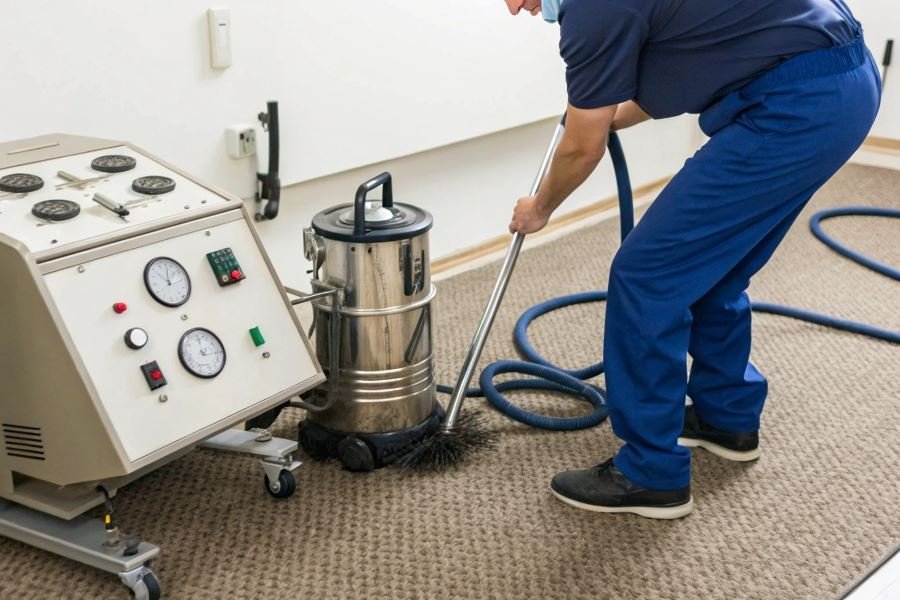
Ever wondered how that tiny machine transforms whole fruits into silky smooth juice without breaking a sweat? The answer lies in the ingenious engineering of multifunctional extractors—kitchen powerhouses that have quietly revolutionized how we process foods.
At their core, multifunctional extractors are precision-designed appliances that separate juice from pulp through centrifugal force or cold-pressing techniques. Unlike traditional juicers, these versatile machines don’t stop at juice—they can create nut milks, process frozen desserts, grind coffee beans, and even make pasta dough, all while preserving vital nutrients that conventional processing methods often destroy.
The evolution of extractor technology tells a fascinating story of innovation. What began as simple manual presses in the early 20th century transformed dramatically when the first electric juicers appeared in the 1930s. Fast forward to today, and we’re seeing extractors with variable speed motors, reinforced titanium blades, and smart programming that can detect the density of ingredients and adjust accordingly.
Market trends reveal a growing preference for masticating (slow) extractors that crush and press ingredients rather than shredding them at high speeds. This shift reflects consumers’ increasing focus on maximum nutrient retention and minimal oxidation.
From bustling restaurant kitchens to health-conscious homes, these machines have found their place across diverse settings. Professional chefs rely on high-capacity models to create signature sauces and reductions, while home users appreciate the ability to craft everything from morning green juices to homemade almond butter with a single appliance.
“The true value of a multifunctional extractor lies not just in what it can make, but in what it preserves—both in terms of nutrients and your precious time.”
The Ultimate Guide to Multifunctional Extractors
When it comes to extraction equipment, the landscape has dramatically evolved. Multifunctional extractors have emerged as powerhouse solutions for businesses seeking efficiency without sacrificing quality. These versatile machines have captured significant market share, but are they truly the silver bullet they appear to be?
The world of extraction technology presents numerous options, with multifunctional extractors offering a compelling package of benefits and challenges. Evaluating multifunctional extractors: advantages and disadvantages requires a nuanced approach that considers both operational needs and long-term business goals. Let’s dive into what makes these machines tick—and occasionally stutter.
Versatility that transforms workflows
Multifunctional extractors shine brightest in their adaptability. A single unit can typically handle multiple extraction methods—from solvent-based processes to CO2 extraction and steam distillation. The Apeks Supercritical systems exemplify this versatility, allowing operators to switch between botanical materials without complete system overhauls.
This flexibility translates to immediate operational advantages for businesses processing diverse materials or developing new product lines. Rather than investing in separate machines for each extraction method, one comprehensive system handles multiple protocols.
Space and cost efficiency
The footprint factor cannot be overstated. Multifunctional extractors typically occupy 30-40% less floor space than equivalent single-purpose machines. For operations in high-rent districts or with limited facility space, this spatial efficiency represents significant cost savings.
The initial investment may cause sticker shock—quality multifunctional extractors from manufacturers like Precision Extraction Solutions typically start at $30,000 and can exceed $100,000. However, the consolidated purchase often proves more economical than acquiring multiple specialized machines.
The maintenance complexity equation
Every rose has its thorns, and multifunctional extractors come with their share of maintenance challenges. These sophisticated systems contain more components, connections, and potential failure points than their single-purpose counterparts.
Maintenance requirements typically include:
| Maintenance Task | Frequency | Complexity Level |
|---|---|---|
| Filter replacement | Bi-weekly | Moderate |
| Seal inspection | Monthly | Low |
| Calibration | Quarterly | High |
| System cleaning | After each material change | Moderate to High |
This complexity often necessitates specialized training or dedicated maintenance staff—a hidden cost that businesses must factor into their operational budgets.
Power consumption considerations
The versatility of multifunctional extractors comes with an energy price tag. These systems typically consume 15-25% more electricity than specialized extractors performing the same function. The Eden Labs Hi-Flo series, while impressively versatile, draws significantly more power when switching between extraction modes.
For businesses operating in regions with high electricity costs, this increased consumption can materially impact operational expenses over time.
Learning curve and operational expertise
Perhaps the most overlooked disadvantage is the expertise required to maximize a multifunctional extractor’s potential. Operators need comprehensive training across multiple extraction methodologies—a steeper learning curve than mastering a single-purpose machine.
This knowledge requirement often translates to:
- Higher personnel costs
- Longer onboarding periods
- Increased potential for operational errors during the learning phase
Performance comparison with specialized equipment
When comparing extraction efficiency, specialized equipment typically delivers marginally superior results in their specific function. Single-purpose extractors often achieve:
- 5-10% higher yield rates
- More consistent extraction quality
- Faster processing times for specific materials
However, this performance edge diminishes as multifunctional technology advances. The latest models from Vitalis Extraction Technology demonstrate performance metrics increasingly comparable to specialized equipment.
The multifunctional versus specialized debate ultimately hinges on business priorities: operational flexibility and space efficiency versus absolute peak performance in a narrower range of applications. For most growing operations, the versatility advantage increasingly outweighs the specialized performance edge.
Making the Right Call on Multifunctional Extractors
Where multifunctional extractors truly shine
Multifunctional extractors have revolutionized juice and oil extraction across various settings. In commercial kitchens, these powerhouses process large volumes of produce while maintaining nutritional integrity. Restaurant owners report up to 30% increased efficiency when using models like the Omega NC900HDC for both morning juices and evening cocktail ingredients.
Home kitchens with limited counter space benefit tremendously from these all-in-one solutions. Rather than housing separate appliances for juicing, grinding, and oil pressing, a single unit like the Tribest Greenstar Elite can handle everything from wheatgrass to nuts.
Small-scale agricultural operations have embraced multifunctional extractors for product diversification. Farmers’ market vendors can transform excess produce into value-added products on-site, creating additional revenue streams without significant infrastructure investment.
Industry insight: Commercial establishments using multifunctional extractors report approximately 40% reduction in food waste compared to traditional preparation methods.
Three critical factors before you buy
Processing capacity and speed should top your consideration list. Household units typically process 1-2 liters per session, while commercial models can handle 5+ gallons continuously. The Hurom H-AA operates at 43 RPM—slow enough to preserve enzymes but efficient enough for daily use. Match your expected volume with appropriate capacity to avoid frustration.
Material compatibility varies dramatically between models. Entry-level extractors struggle with fibrous materials like celery or ginger, while premium options handle everything from soft fruits to nuts. Consider your primary extraction needs:
| Material Type | Required Extractor Features |
|---|---|
| Leafy Greens | Twin-gear system, low RPM (40-80) |
| Hard Fruits/Vegetables | High torque motor, reinforced auger |
| Nuts/Seeds | Oil press attachment, 400W+ motor |
| Herbs/Wheatgrass | Specialized cutting screen, cold-press technology |
Maintenance requirements often become the deciding factor in long-term satisfaction. Units with numerous small components like the Kuvings Whole Slow Juicer require thorough cleaning after each use but deliver superior extraction. Simpler designs sacrifice some efficiency for easier maintenance—a worthwhile tradeoff for daily users.
The extraction horizon
The multifunctional extractor market is advancing rapidly toward smarter operation. Manufacturers are integrating pressure sensors that automatically adjust extraction parameters based on ingredient density. The Breville 3X Bluicer already incorporates adaptive technology that optimizes juice yield.
Material science breakthroughs are enhancing durability while reducing weight. Ceramic-composite augers resist wear while maintaining food-safe properties, extending operational life by up to 60% compared to traditional components.
Perhaps most exciting is the emergence of modular systems. Rather than purchasing a complete new unit for additional functionality, users can add specialized components as needed. This approach reduces environmental impact while providing greater customization for specific extraction needs.
The extraction industry is moving decisively toward sustainability, with manufacturers developing components from recycled and biodegradable materials without compromising performance—a development that aligns perfectly with the growing consumer demand for environmentally responsible kitchen equipment.
Discover the complete guide to multifunctional extractors - their versatility, efficiency benefits, and potential drawbacks. Learn how these innovative devices compare to single-purpose alternatives and find the perfect match for your extraction needs.
Discover the complete guide to multifunctional extractors - their versatility, efficiency benefits, and potential drawbacks. Learn how these innovative devices compare to single-purpose alternatives and find the perfect match for your extraction needs.