
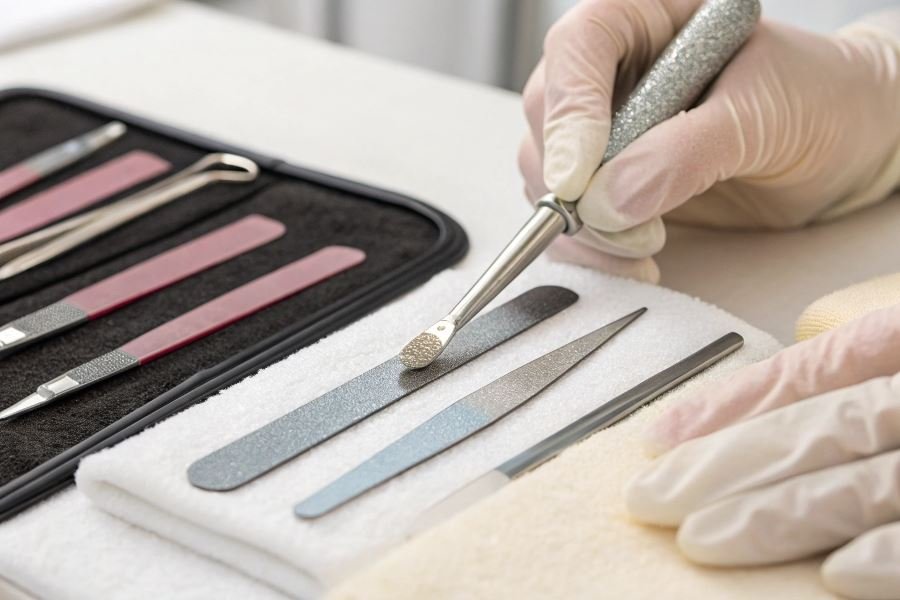
Ever picked up a file only to find it clogged, dull, or rusted? That moment of frustration isn’t just annoying—it’s costing you money. Quality replacement files represent a significant investment in your workshop, yet many professionals overlook the simple maintenance steps that could double or triple their useful life.
The humble file might seem like a basic tool, but it’s actually a precision instrument. Each tooth is engineered to cut material at specific angles and depths. When these teeth become compromised through improper care, your productivity suffers dramatically. A well-maintained file doesn’t just work better—it transforms your entire workflow.
The file family: Different types, different needs
Not all files are created equal. Precision needle files used in jewelry making demand different care than aggressive bastard files used for rough metalwork. Single-cut files (with parallel teeth) require different cleaning techniques than double-cut varieties (with diamond-pattern teeth). Understanding these distinctions is your first step toward proper maintenance.
The economics of file preservation
Consider this: A professional-grade set of precision files can cost upwards of $75. With proper care, that investment might last years instead of months. The math is compelling—regular maintenance doesn’t just preserve your tools, it preserves your capital.
Beyond the direct replacement costs, there’s the hidden expense of diminished work quality and efficiency. When files perform at their peak, you work faster and produce better results—a benefit that compounds with every project you complete.
Essential Maintenance for Replacement Files
Quality replacement files represent a significant investment in your toolkit, and proper maintenance can dramatically extend their functional lifespan. Professional craftsmen understand that the secret to maintaining sharp, effective files isn’t just about purchasing premium products—it’s about implementing consistent care routines that preserve their cutting efficiency.
The way you clean, store, and use your replacement files directly impacts their performance and longevity. Establishing proper care habits ensures these precision tools remain effective for years rather than months. Many professionals have discovered that learning how to properly care for replacement files to extend their lifespan is as important as selecting the right file for the job in the first place. This knowledge represents the difference between constantly replacing worn tools and maintaining a reliable set that delivers consistent results.
Cleaning techniques for different materials
Different file materials demand specific cleaning approaches:
High-carbon steel files require immediate cleaning after use to prevent rust formation. Use a file card (a specialized wire brush) to remove material buildup from between the teeth.
Diamond files benefit from ultrasonic cleaning or a simple solution of warm water and mild dish soap. Never use harsh chemicals that might damage the diamond coating.
Tungsten carbide files can be cleaned with a brass brush—steel brushes may damage the cutting edges.
Pro tip: Never clean files by striking them against hard surfaces. This practice damages teeth and reduces cutting efficiency.
For stubborn materials like aluminum or copper that clog file teeth, apply a thin layer of chalk before filing. This prevents material buildup and makes subsequent cleaning easier.
Storage methods that prevent deterioration
Proper storage is crucial for maintaining file integrity:
| Storage Method | Benefits | Best For |
|---|---|---|
| Individual sleeves | Prevents tooth damage from contact | Precision files |
| Wall-mounted racks | Keeps files visible and accessible | Workshop environment |
| Oil-treated paper | Provides rust protection | Carbon steel files |
Humidity control is essential—store files in a dry environment below 60% relative humidity. For long-term storage, consider applying a light coat of WD-40 or similar protective oil.
Never store files loosely in drawers where they can contact each other. This leads to dulled teeth and reduced effectiveness.
Usage techniques that minimize wear
The manner in which you use files significantly affects their lifespan:
Apply appropriate pressure—excessive force doesn’t speed work but does accelerate wear. Let the file do the cutting through proper technique rather than brute force.
Use directional filing—files cut in one direction only. Dragging them backward over the workpiece dulls the teeth prematurely.
Match the file to the material—using fine files on hard materials or coarse files on soft materials accelerates wear. The Nicholson File Company provides excellent guidance on file selection by material.
Remember: Files are cutting tools, not scraping or prying implements. Using them for unintended purposes is the fastest way to render them useless.
Implement a rotation system for frequently used files to distribute wear evenly across your collection. This practice ensures no single file bears the brunt of daily use, extending the useful life of your entire set.
Maximizing Your Investment: Long-Term File Care Strategies
The power of scheduled maintenance
Establishing a regular maintenance schedule for your replacement files isn’t just good practice—it’s essential business sense. Professional craftsmen who implement systematic care routines report up to 40% longer tool life compared to those who maintain tools sporadically. The optimal approach involves cleaning files after each use, with a more thorough inspection weekly.
Create a maintenance calendar that includes:
- Daily: Quick brush-down with a file card
- Weekly: Deep cleaning with a dedicated file brush and solvent
- Monthly: Comprehensive inspection for damage and wear patterns
This systematic approach prevents material buildup that can cause premature dulling. As one master woodworker put it: “The five minutes I spend cleaning my files daily saves me hours of frustration and hundreds of dollars annually.”
Reading the warning signs
Learning to recognize wear indicators transforms reactive replacement into strategic rotation. Files don’t simply work perfectly until they suddenly fail—they communicate their condition through subtle changes.
The ability to interpret file wear is the difference between professional-grade results and amateur frustration.
Watch for these critical indicators:
| Wear Sign | What It Means | Action Required |
|---|---|---|
| Smooth spots | Teeth have worn down in specific areas | Rotate file to use unworn sections |
| Skipping during use | Teeth are clogged or damaged | Deep clean or replace if cleaning doesn’t resolve |
| Inconsistent material removal | Uneven tooth wear | Consider professional reconditioning |
| Visible tooth damage | Physical damage to cutting edges | Immediate replacement needed |
The most successful craftsmen develop a rotation system, using different files for different materials and applications. This strategic approach distributes wear more evenly across your tool collection.
The reconditioning renaissance
Professional reconditioning services have evolved dramatically in recent years, offering cost-effective alternatives to replacement. Modern chemical etching and precision resharpening techniques from companies like Boggs Tool can restore approximately 85-90% of a file’s original cutting efficiency.
When reconditioning makes financial sense:
- For premium files with specialized profiles
- When replacement costs exceed $35-50
- For hard-to-find specialty files
- When environmental sustainability is a priority
The economics are compelling: professional reconditioning typically costs 30-40% of replacement, while extending useful life by 60-75%. For businesses processing significant material volumes, this translates to substantial annual savings.
Some craftsmen have developed relationships with local tool reconditioning specialists, creating maintenance partnerships that ensure optimal tool performance year-round. This collaborative approach combines your intimate knowledge of how you use your tools with the specialist’s technical expertise.
Remember that even the finest files eventually reach the end of their useful life. The goal isn’t infinite extension but maximizing the value of each tool through intentional care, strategic rotation, and professional rejuvenation when appropriate. This comprehensive approach transforms files from disposable consumables into long-term investments in your craft.
Discover essential maintenance techniques for replacement files that maximize tool life and save money. Learn proper cleaning, storage, and usage methods to prevent premature wear and extend durability.
Discover essential maintenance techniques for replacement files that maximize tool life and save money. Learn proper cleaning, storage, and usage methods to prevent premature wear and extend durability.

