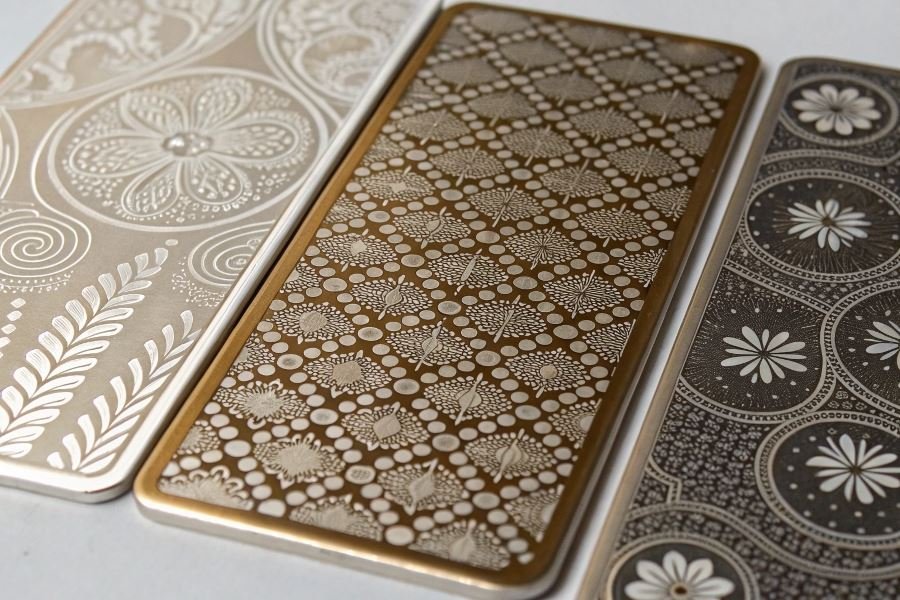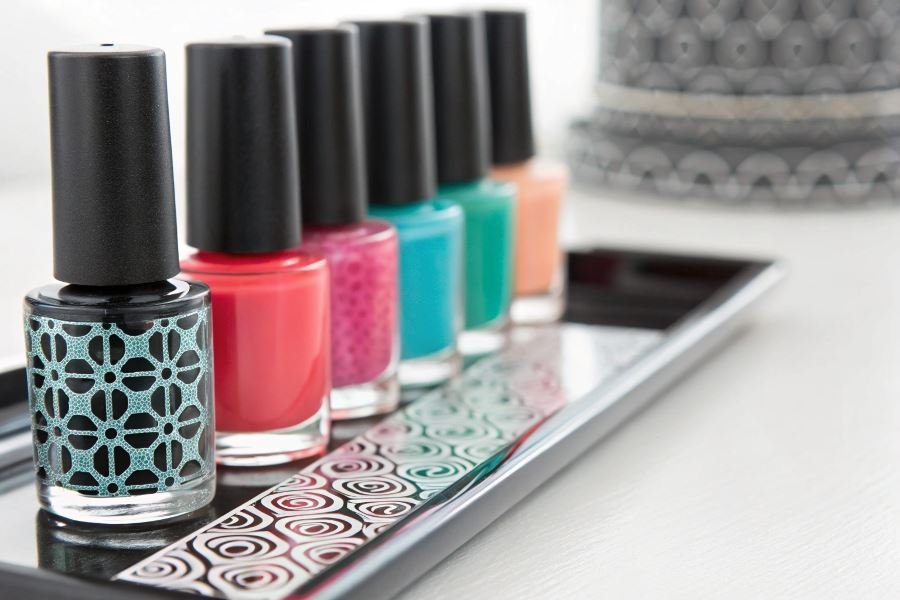
Ever tried to create an intricate nail design only to watch it blur into an unrecognizable smudge? The culprit might not be your technique—it’s likely your polish. Stamping polishes represent a specialized category that many nail enthusiasts discover only after frustrating failed attempts with regular formulas.
Unlike conventional nail polishes, stamping formulations feature a distinct chemical composition engineered for a single purpose: transferring crisp, detailed images from plate to nail. The difference is immediately visible when you compare results—regular polishes create faint, incomplete transfers while quality stamping polishes deliver sharp, opaque designs in a single application.
The stamping polish market has exploded with options ranging from $5 budget finds to $25 premium formulations. This price variation reflects genuine differences in pigment density, viscosity, and drying time—all critical factors that determine whether your intricate lace pattern appears as delicate lacework or an indistinct blob.
Selecting the right stamping polish isn’t merely a preference—it’s the foundation of successful nail art. The most skilled stamping technique cannot compensate for inadequate polish formulation. Think of it like trying to paint a masterpiece with watercolors when you need oils—the medium itself limits the possible outcome.
What makes this selection process particularly challenging is that manufacturers rarely label their products specifically for stamping purposes. Instead, you’ll need to identify key characteristics that separate exceptional stamping polishes from mediocre alternatives—a skill we’ll explore in depth.
Mastering the Art of Stamping Polish Selection
Finding the perfect stamping polish transforms nail art from frustrating to fantastic. The best stamping polishes: selection criteria revolve around three critical factors that separate premium products from disappointing ones. Let’s dive into what makes a stamping polish truly exceptional and why these technical specifications matter for flawless nail art.
Pigmentation that packs a punch
The cornerstone of effective stamping polish is its pigmentation level. Unlike regular nail polish, stamping formulations require extraordinary opacity in a single coat. This isn’t just a preference—it’s a technical necessity.
Premium stamping polishes contain 30-40% more pigment than standard nail lacquers. This concentration allows the polish to create crisp, vivid impressions even on darker base colors. When testing a stamping polish, it should completely obscure any surface beneath it with minimal application.
The difference between 85% and 95% opacity might seem minor, but it’s the difference between a professional-looking design and a patchy disappointment.
Top-tier options like Maniology and MoYou London stamping polishes deliver near-perfect opacity in a single swipe, making them industry benchmarks for pigmentation performance.
Viscosity: the Goldilocks zone
The consistency of stamping polish requires perfect balance—not too thick, not too thin. Ideal stamping polishes maintain a medium-to-thick viscosity that:
- Sits on top of the stamping plate rather than running into the etched design
- Transfers completely to the stamper head
- Releases cleanly onto the nail surface
This delicate balance is achieved through specialized polymer formulations that maintain stability while allowing for clean transfers. The best formulations resist drying on the plate while remaining thick enough to capture intricate details.
| Viscosity Level | Transfer Quality | Common Issues |
|---|---|---|
| Too Thin | Incomplete, patchy | Runs into plate grooves, blurs designs |
| Ideal | Complete, crisp | Maintains design integrity |
| Too Thick | Goopy, sticky | Difficult to scrape, creates smudges |
When testing viscosity, observe how the polish behaves when scraped across the plate. It should move smoothly without resistance while maintaining its form rather than spreading like water.
Drying time dynamics
The perfect stamping polish exists in a timing sweet spot—slow enough to work with but fast enough to set quickly after application. This balance prevents smudging while allowing adequate working time.
Most high-performance stamping polishes begin setting within 3-5 seconds on the plate but remain workable for 10-15 seconds—just enough time to complete the stamping process. Once transferred to the nail, they should set completely within 60-90 seconds.
A polish that dries too quickly on the plate becomes unusable before you can transfer the design, while one that dries too slowly on the nail invites smudging disasters.
Advanced formulations from brands like Clear Jelly Stamper incorporate rapid-set polymers that activate upon exposure to air, providing the perfect balance between working time and setting speed.
By evaluating stamping polishes against these three critical criteria—pigmentation, viscosity, and drying time—you’ll select products that deliver consistently professional results and elevate your nail art to gallery-worthy status.
Mastering Your Stamping Polish Selection
When it comes to nail art stamping, the polish you choose makes all the difference between amateur results and professional-grade designs. After exploring the critical selection criteria, let’s dive into how to make that final decision with confidence.
Top-Tier Brands That Deliver Results
The stamping polish market has clear standouts that consistently meet the rigorous demands of both professionals and enthusiasts:
Moyra continues to dominate with their SP line, offering exceptional pigmentation and one-stroke coverage that transfers flawlessly. Their metallics particularly shine (literally) with remarkable opacity.
MoYou London earns its reputation through formulations that maintain the perfect viscosity—thick enough to stamp clearly but thin enough to avoid smudging.
Born Pretty deserves recognition for their extensive color range while maintaining consistent quality across their stamping line.
Maniology (formerly Bundle Monster) has perfected their formula through years of refinement, creating polishes that dry quickly without compromising transfer quality.
What separates these brands isn’t just marketing—it’s their dedicated formulations specifically engineered for the stamping process.
Budget-Conscious Quality Assessment
The price-to-quality relationship in stamping polishes follows a surprisingly non-linear pattern:
| Price Range | Expected Quality | Best For |
|---|---|---|
| $3-7 | Good pigmentation, may require multiple attempts | Beginners, occasional use |
| $8-12 | Excellent opacity, consistent results | Regular enthusiasts |
| $13-20 | Professional-grade, one-stroke perfection | Professionals, detail work |
The sweet spot typically falls in the $10-15 range, where brands like Clear Jelly Stamper deliver professional results without the premium price tag.
The most expensive option isn’t always the best—what matters is finding the formula that works with your specific stamping technique and plates.
For those just starting, investing in one premium black and one premium white stamping polish often yields better results than purchasing an entire set of lower-quality options.
Extending Your Polish Lifespan
Even the finest stamping polishes require proper care to maintain their performance:
- Store upright in a cool, dark place—heat and sunlight are the enemies of polish longevity
- Roll, don’t shake before use to prevent air bubbles that compromise stamping precision
- Clean the bottle neck after each use to prevent the cap from sticking
- Add 2-3 drops of polish thinner (not remover!) when formulas begin to thicken
Properly maintained stamping polishes can remain effective for 18-24 months, compared to just 6-8 months with improper storage.
For polishes that have thickened, Seche Restore or OPI Thinner can revitalize them without altering the critical stamping properties.
The difference between a good stamping manicure and a great one often comes down to these seemingly small details—proper selection based on your specific needs, understanding the true value proposition across price points, and maintaining your investment through proper care. Master these elements, and you’ll elevate your nail art game to professional levels.
Discover how to select the best stamping polishes for flawless nail art designs. Learn essential criteria including pigmentation, viscosity, and drying time to achieve professional-quality transfers every time. Expert brand recommendations included.
Discover how to select the best stamping polishes for flawless nail art designs. Learn essential criteria including pigmentation, viscosity, and drying time to achieve professional-quality transfers every time. Expert brand recommendations included.