Ever wondered what stands between a soldier’s vital arteries and a high-velocity projectile? The answer lies in centuries of innovation that transformed metal plates into sophisticated protection systems we see today.
Neck and shoulder armor has undergone a fascinating transformation since its origins in medieval battlefields. The gorget—a metal collar designed to protect knights from sword slashes—evolved from simple leather bands to elaborate steel plates by the 15th century. These early protection systems weren’t just functional; they became status symbols adorned with family crests and intricate engravings.
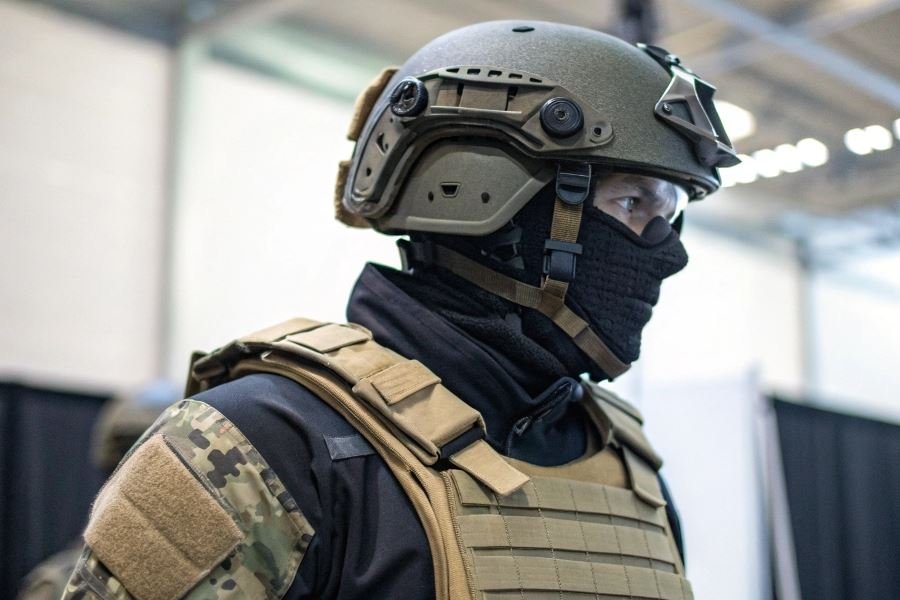
Today’s protection equipment serves diverse professionals facing modern threats. Military personnel rely on integrated collar systems that work seamlessly with body armor plates. Law enforcement officers wear specialized neck protectors during high-risk operations, while motorsport racers use carbon-fiber collars to prevent catastrophic injuries during high-speed crashes.
The materials science revolution has transformed these protective systems dramatically. Modern equipment typically features:
- Multi-layer construction combining ballistic fabrics like Kevlar with trauma-absorbing foams
- Ceramic composite plates that shatter to dissipate energy from projectiles
- Moisture-wicking antimicrobial liners that maintain comfort during extended wear
What makes contemporary systems remarkable isn’t just their protective capabilities but their ergonomic design. Engineers have solved the centuries-old challenge of balancing protection with mobility, creating systems that distribute weight across the shoulders while maintaining a full range of motion—critical for professionals who need both safety and agility in life-threatening situations.
The Tactical Edge: Mastering Neck and Shoulder Armor
When lives depend on protective equipment, understanding the nuances of ballistic defense becomes non-negotiable. Today’s neck and shoulder armor systems represent the culmination of decades of materials science, ergonomic research, and battlefield lessons—creating protection that doesn’t just stop threats but enables operators to perform at their peak.
The features of operation and care for neck and shoulder armor protection equipment have evolved dramatically since the early days of military armor. Modern systems balance the eternal tradeoff between protection and mobility while incorporating innovative materials that distribute weight more effectively than their predecessors. This evolution has transformed what was once bulky, restrictive gear into dynamic protection systems that move with the wearer.
Ballistic Standards That Define Survival
Modern neck and shoulder armor is rated according to stringent National Institute of Justice (NIJ) standards, with most tactical systems meeting Level IIIA specifications at minimum. This certification ensures protection against:
- 9mm FMJ at 1,400 ft/s
- .44 Magnum SJHP at 1,400 ft/s
- Most handgun threats encountered in tactical situations
Advanced systems incorporate ceramic or polyethylene composite plates that can defeat rifle threats up to 7.62×51mm NATO rounds—a significant advancement over earlier generations of soft armor.
“The difference between Level IIIA and Level IV protection isn’t just about stopping power—it’s about survivability in increasingly complex threat environments.”
The impact resistance standards have been refined through extensive testing that simulates real-world ballistic trauma. Modern armor must not only stop penetration but also manage backface deformation (BFD), limiting it to under 44mm to prevent blunt force trauma to the wearer.
Ergonomics: Where Protection Meets Performance
The ergonomic revolution in neck and shoulder protection has transformed what operators can achieve while wearing armor. Key design elements include:
| Feature | Benefit | Performance Impact |
|---|---|---|
| Articulated panels | Natural range of motion | 40% increased weapon manipulation |
| Moisture-wicking inner liners | Temperature regulation | Extended wear comfort (8+ hours) |
| Load distribution systems | Weight transfer to core | Reduced fatigue and improved mobility |
| Scalable protection zones | Mission-specific configuration | Optimized protection-to-weight ratio |
Innovative cut patterns now accommodate female operators with gender-specific designs that maintain ballistic coverage while conforming to different body types—a critical advancement for inclusive force protection.
Integration: Creating a Unified Defense System
Modern neck and shoulder protection doesn’t exist in isolation. These systems feature:
- Quick-release mechanisms allowing emergency doffing in under 5 seconds
- Modular attachment points compatible with MOLLE/PALS webbing systems
- Integrated communications routing channels for tactical headsets
- Adjustable tensioning systems that can be modified while wearing gloves
The adjustment mechanisms have evolved from basic strapping to sophisticated cam-lock systems that maintain precise tension throughout dynamic movement. This prevents the “armor shift” that plagued earlier generations during high-intensity activities.
Advanced systems from manufacturers like Crye Precision and Team Wendy now incorporate near-seamless integration between helmets, neck protection, and plate carriers—creating a continuous protective envelope that eliminates vulnerable gaps while maintaining the operator’s ability to scan, communicate, and engage threats effectively.
This integration represents the future of personal protection: systems thinking applied to individual equipment, where each component enhances rather than hinders the performance of others.
Mastering the Care of Your Neck and Shoulder Armor
Protective gear is only as effective as its maintenance routine. When it comes to neck and shoulder armor—equipment that literally stands between you and potential injury—proper care isn’t just recommended, it’s essential. Let’s dive into the maintenance practices that will keep your protective equipment performing at its peak when you need it most.
Cleaning techniques that preserve protection
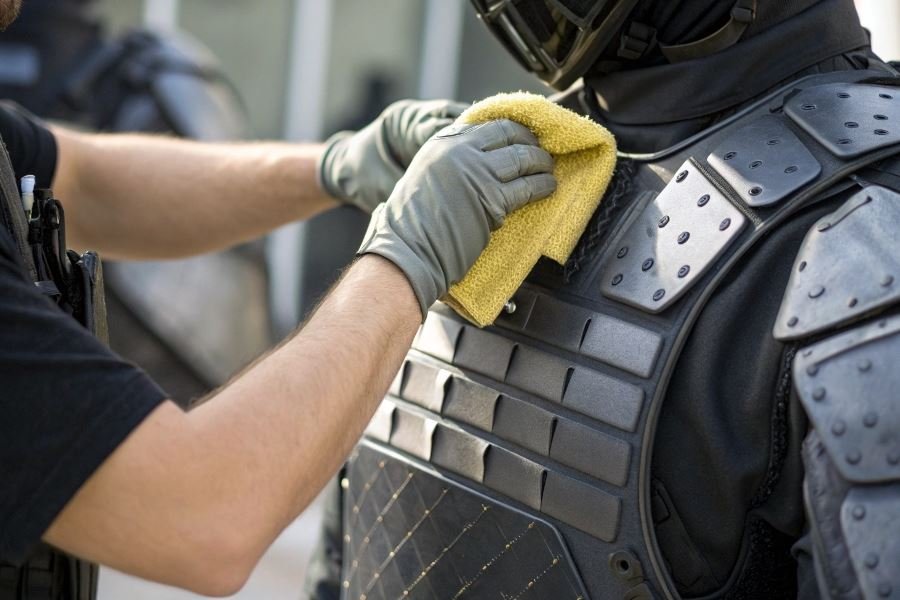
The buildup of sweat, dirt, and environmental contaminants doesn’t just make your armor unpleasant—it can actively degrade materials and compromise structural integrity. Most modern neck and shoulder protectors feature removable padding that requires specific cleaning approaches:
- Hard-shell components: Wipe down with mild soap and water using a soft cloth. Never use solvents or abrasive cleaners that could weaken the polymer structure.
- Fabric elements: Most can be hand-washed in cool water with gentle detergent. Some premium models from Leatt and Alpinestars offer machine-washable padding—always use delicate cycle and air dry.
- Foam inserts: These require special attention—submerge in warm water with antimicrobial soap, gently squeeze (never wring), and air dry completely before reinstallation.
The ideal cleaning frequency depends on usage patterns. Weekend warriors might maintain a monthly schedule, while professional athletes or daily users should clean after every 3-5 uses. Remember that visible dirt isn’t the only concern—invisible salt from perspiration silently corrodes materials over time.
Storage solutions that extend equipment life
How you store your armor between uses dramatically affects its longevity. The cardinal rules:
- Always store completely dry to prevent mold, mildew, and material degradation
- Maintain natural shape using purpose-built hangers or stands
- Avoid extreme temperatures that can warp materials or break down adhesives
The $20 investment in a proper storage solution can add years to the life of $300+ protective equipment.
For those with limited space, wall-mounted systems from Gear Rack offer excellent organization while maintaining proper positioning. Alternatively, dedicated equipment bags with ventilation prevent compression damage during transport.
Inspection protocols that save lives
Regular inspection isn’t just maintenance—it’s a critical safety practice. Establish a consistent inspection routine:
| Component | What to Check | Replacement Indicators |
|---|---|---|
| Shell | Cracks, deformation, stress marks | Any visible fracture or permanent deformation |
| Padding | Compression, tears, odor | Padding that doesn’t return to shape within 1 minute |
| Straps/Fasteners | Fraying, elasticity, secure attachment | Visible wear, reduced tension, or loose stitching |
| Hinges/Joints | Smooth movement, corrosion, alignment | Stiffness, grinding sensation, or visible rust |
Document your inspections. Many premium protection systems from Fox Racing and EVS Sports include inspection logs. If yours doesn’t, create one—tracking wear patterns helps predict when replacement will be necessary.
Most manufacturers recommend complete replacement every 3-5 years regardless of visible condition, as microscopic material fatigue can occur without obvious signs. After any significant impact, immediate inspection is mandatory—even if damage isn’t apparent, internal structural integrity may be compromised.
By implementing these maintenance practices, your neck and shoulder armor will provide reliable protection when it matters most. The time investment is minimal compared to the potential consequences of equipment failure during a critical moment.
Discover the advanced features of modern neck and shoulder armor protection systems, from ballistic capabilities to ergonomic design. Learn essential maintenance techniques to ensure optimal performance and longevity of your protective equipment.
Discover the advanced features of modern neck and shoulder armor protection systems, from ballistic capabilities to ergonomic design. Learn essential maintenance techniques to ensure optimal performance and longevity of your protective equipment.