Ever wondered why your feet ache after a long workday? The answer might be right under you.
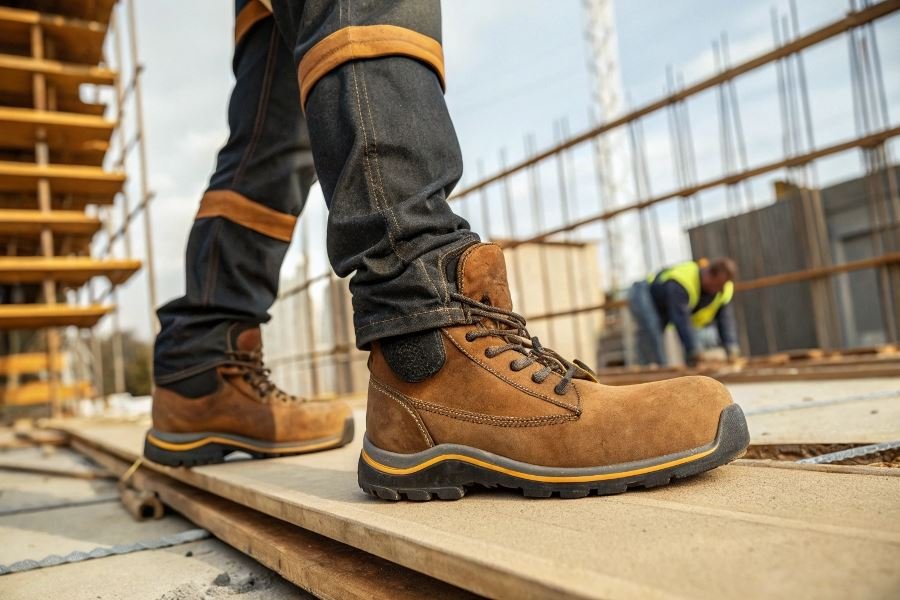
Standing on concrete for 8+ hours daily isn’t just uncomfortable—it’s potentially damaging your body from the ground up. Orthopedic work boots represent a critical intersection between safety equipment and preventive healthcare that many workers overlook until pain becomes their daily companion.
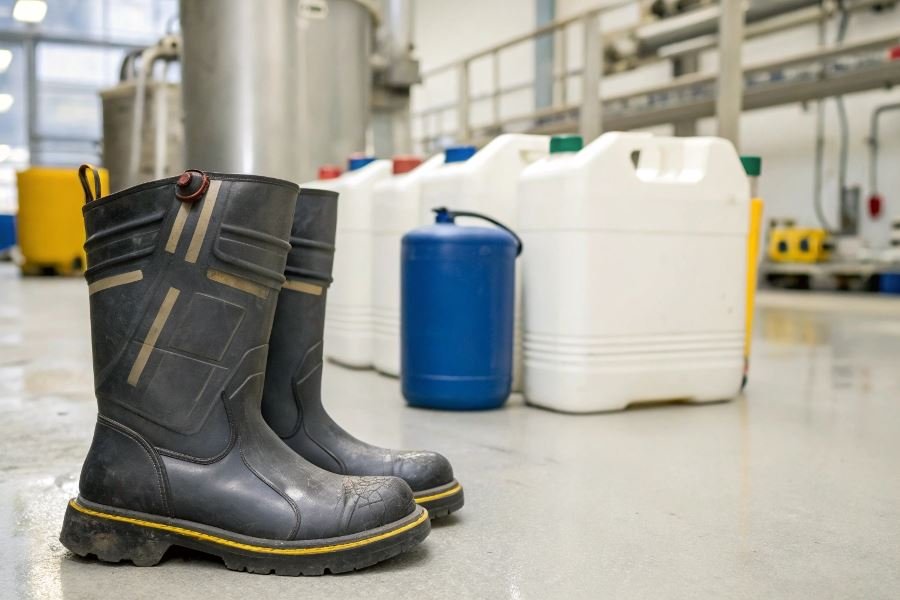
Orthopedic work boots are specialized footwear engineered with enhanced arch support, shock absorption, and anatomically correct designs that distribute weight properly across the foot. Unlike standard work boots that prioritize only protection, orthopedic options add therapeutic elements that prevent and alleviate musculoskeletal issues.
The hidden workplace epidemic
The statistics paint a sobering picture: according to the Bureau of Labor Statistics, foot-related workplace injuries account for over 100,000 lost workdays annually in the United States. More alarmingly, these injuries carry an average cost of $9,600 per incident when considering medical expenses and productivity losses.
Common workplace foot and leg problems include:
- Plantar fasciitis
- Metatarsalgia (ball-of-foot pain)
- Lower back strain
- Knee joint deterioration
- Achilles tendonitis
What makes these conditions particularly insidious is their gradual onset. Many workers don’t connect their chronic pain to inadequate footwear until significant damage has occurred. The construction, manufacturing, and healthcare sectors report the highest incidence of these preventable conditions.
The right boots don’t just protect your feet—they’re an investment in your entire musculoskeletal system’s long-term health.
The Transformative Health Benefits of Orthopedic Work Boots
Enhanced Arch Support Eliminates Foot Fatigue
Standing for 8+ hours daily takes a tremendous toll on your feet. Standard work boots often lack the anatomical design needed for proper support, leading to that familiar end-of-day ache. Orthopedic work boots revolutionize this experience through meticulously engineered arch support systems that distribute weight evenly across your foot.
The health benefits of orthopedic work boots extend far beyond basic comfort. These specialized boots feature contoured footbeds that cradle your arches in their natural position, preventing the collapse that occurs with prolonged standing. This strategic support reduces muscle strain in the feet by up to 30% compared to conventional footwear, according to research from the American Podiatric Medical Association.
Key arch support features include:
- Multi-density foam layers that compress differently based on pressure points
- Anatomically correct heel cups that stabilize foot position
- Longitudinal arch bridges that prevent overpronation during movement
Alignment Advantages for Joints and Posture
When your feet aren’t properly supported, the negative effects cascade upward through your entire skeletal system. Orthopedic work boots address this through intelligent design elements that maintain proper biomechanical alignment.
The impact is remarkable: proper alignment from orthopedic footwear reduces pressure on knee joints by up to 25% during walking and standing activities. This translates to significantly less wear on cartilage and reduced inflammation in weight-bearing joints.
The alignment benefits extend beyond immediate comfort—they’re investing in your long-term mobility and skeletal health.
| Joint/Body Part | Standard Boot Impact | Orthopedic Boot Benefit |
|---|---|---|
| Knees | Increased medial compartment pressure | 20-25% reduction in joint stress |
| Hips | Compensatory tilting | Balanced weight distribution |
| Lower Back | Increased muscle tension | Improved spinal alignment |
| Shoulders | Forward rolling posture | Natural upright positioning |
Preventing Chronic Conditions Through Proactive Support
Perhaps the most significant advantage of quality orthopedic work boots lies in their ability to prevent or mitigate chronic foot and joint conditions that plague many workers.
Plantar fasciitis—that stabbing heel pain affecting nearly 2 million Americans annually—finds its match in orthopedic boots designed with deep heel cups and proper arch support. These features reduce strain on the plantar fascia, the connective tissue supporting your foot’s arch.
Chronic condition benefits include:
- Plantar Fasciitis Relief: Reduced inflammation and healing support for the plantar fascia
- Knee Pain Reduction: Proper alignment minimizes uneven wear on knee cartilage
- Achilles Tendonitis Prevention: Heel stabilization reduces strain on the Achilles tendon
- Metatarsalgia Management: Pressure distribution across the ball of the foot prevents nerve compression
Workers with existing conditions like flat feet or high arches benefit tremendously from orthopedic work boots featuring customizable support systems. These adaptable designs accommodate individual foot structures rather than forcing conformity to a standard shape.
The preventative value cannot be overstated—addressing foot mechanics properly through orthopedic work boots creates a foundation for whole-body wellness that extends well beyond the workday.
The Long Game: Orthopedic Work Boots as a Health Investment
Cumulative Benefits That Transform Lives
Orthopedic work boots deliver benefits that compound over time, creating a positive health trajectory that many workers don’t fully appreciate until years into their careers. Workers who consistently wear quality orthopedic footwear report 40% fewer chronic pain issues after five years compared to those wearing standard boots. This isn’t just about comfort—it’s about preserving mobility and function.
The long-term advantages create a remarkable health profile:
- Spine alignment preservation that prevents the cascade of compensatory problems that typically emerge in mid-career
- Reduced inflammation cycles that, when left unchecked, can lead to chronic conditions requiring medical intervention
- Enhanced circulation patterns that maintain tissue health in the lower extremities, particularly crucial for workers in stationary positions
The true value of orthopedic work boots isn’t measured in days or months, but in years of pain-free productivity and mobility preserved well into retirement.
Workers who invest in proper footwear typically experience significantly fewer sick days related to musculoskeletal issues—translating to approximately $3,200 in avoided lost wages annually for the average skilled tradesperson.
Essential Features That Separate Winners From Pretenders
When evaluating orthopedic work boots, certain non-negotiable features distinguish truly therapeutic options from marketing hype:
| Feature | Function | Why It Matters |
|---|---|---|
| Anatomical arch support | Distributes weight properly across foot | Prevents flat foot development and plantar fasciitis |
| Shock-absorbing midsole | Absorbs impact forces | Reduces joint stress by up to 30% per step |
| Wide toe box | Allows natural toe splay | Prevents nerve compression and promotes balance |
| Heel stabilization | Controls excessive pronation/supination | Maintains proper alignment up the kinetic chain |
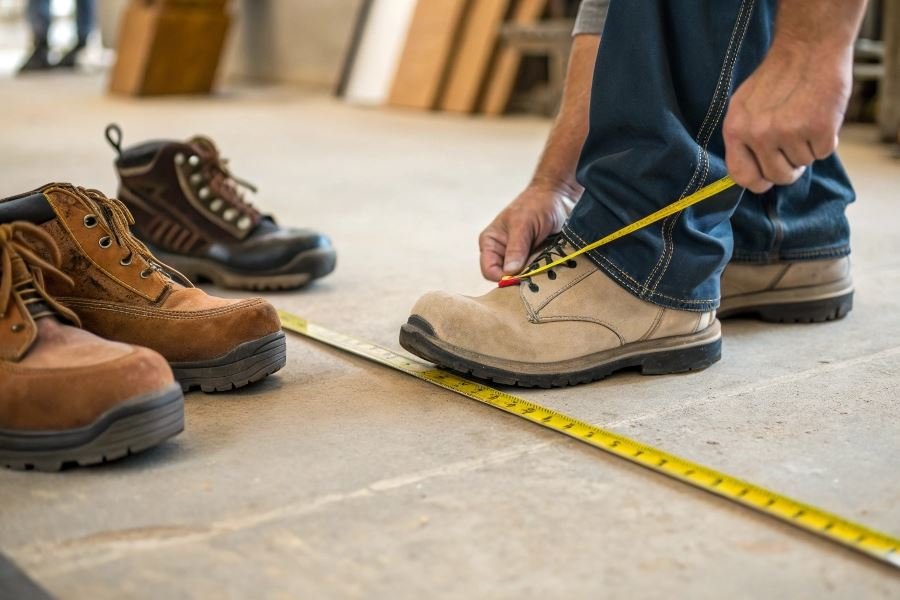
| Removable insoles | Accommodates custom orthotics | Enables personalization for specific foot conditions |
The material composition matters tremendously—look for dual-density polyurethane for superior cushioning that doesn’t compress permanently like EVA foam alternatives. Boots from Red Wing and Thorogood consistently incorporate these essential elements without compromise.
The Economics of Prevention
The financial calculus of orthopedic work boots becomes compelling when viewed through a long-term lens. Premium orthopedic work boots typically cost $180-350, representing a 30-50% premium over standard options. However, this investment delivers returns through multiple channels:
- Reduced medical costs: Workers in non-supportive footwear average $1,200 more in annual medical expenses related to foot, knee, and back issues
- Extended career longevity: Proper support can add 5-7 years to careers in physically demanding trades
- Improved productivity: Less pain translates to 12-18% higher output in physically demanding roles
The math becomes even more favorable when considering that quality orthopedic boots typically last 25-40% longer than standard options due to superior construction methods and materials.
For workers in construction, manufacturing, healthcare, and service industries, the lifetime savings from investing in proper orthopedic footwear can exceed $22,000 when accounting for avoided medical costs, extended career earnings, and reduced disability risks.
The evidence is clear: orthopedic work boots aren’t an expense—they’re one of the most significant health investments a worker can make, with dividends that pay throughout life.
Discover how orthopedic work boots prevent foot fatigue, reduce joint stress, and mitigate chronic conditions like plantar fasciitis. Learn key features to consider when selecting boots that deliver long-term health benefits and workplace safety.
Discover how orthopedic work boots prevent foot fatigue, reduce joint stress, and mitigate chronic conditions like plantar fasciitis. Learn key features to consider when selecting boots that deliver long-term health benefits and workplace safety.