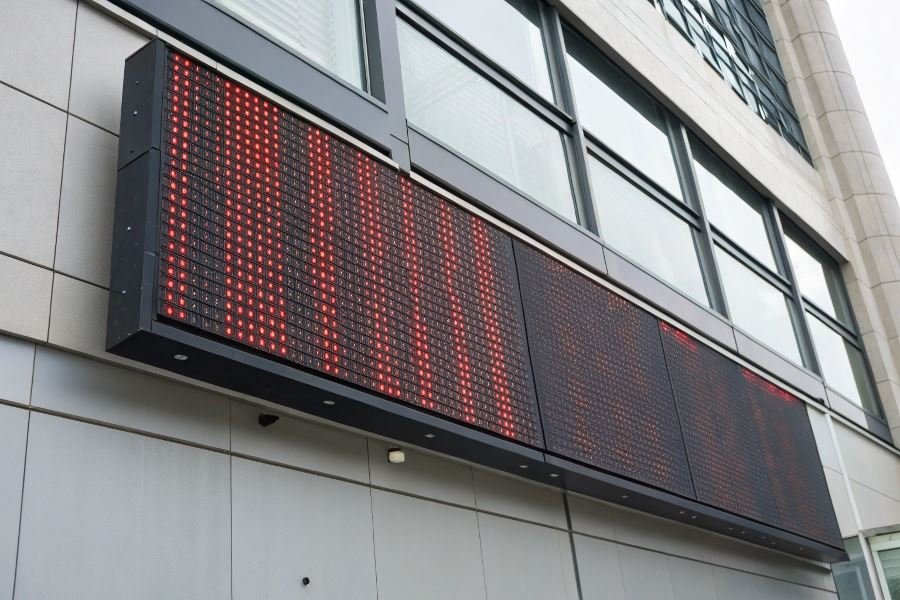
Ever noticed how your eye is instantly drawn to those bright, moving messages outside businesses? That’s the power of scrolling text displays—they capture attention in ways static signs simply can’t. But choosing the wrong display for outdoor use is like buying a sports car for off-roading: expensive and ultimately disappointing.
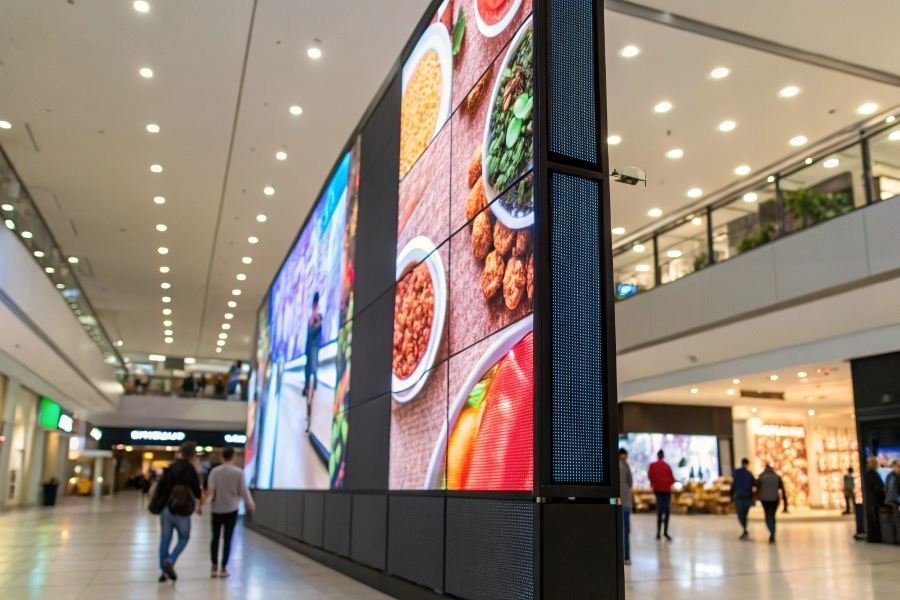
Scrolling text displays are dynamic digital signage solutions that present moving text messages to communicate information, promotions, or announcements to passersby. Unlike static signs, these eye-catching displays create movement that naturally attracts human attention, making them powerful tools for businesses looking to increase visibility and engagement.
When selecting an outdoor scrolling display, three critical factors determine success or failure: weather resistance, brightness capability, and durability. The IP rating (Ingress Protection) is non-negotiable—look for IP65 or higher to ensure your investment survives everything from summer downpours to winter snow. A display with insufficient brightness (measured in nits) will disappear in sunlight, wasting your investment entirely.
“The difference between a 2,000-nit and 5,000-nit display in direct sunlight isn’t subtle—it’s the difference between being invisible and being unmissable.”
The environmental conditions where your display will live determine everything about your selection process. A display perfect for mild California weather might fail completely in Michigan winters or Florida humidity. Temperature operating ranges, vandal resistance, and even wind load ratings become crucial specifications rather than technical footnotes.
Selecting the right outdoor scrolling text display isn’t just about aesthetics—it’s about ensuring your message reaches your audience 24/7/365, regardless of what Mother Nature throws at it.
Technical Essentials for Outdoor Scrolling Displays
When selecting scrolling text displays for outdoor environments, understanding the technical requirements becomes crucial for long-term performance and value. These digital communication tools must withstand nature’s challenges while delivering crystal-clear messaging to your audience regardless of conditions.
The features of choosing a scrolling text display for outdoor placement extend far beyond basic functionality. Each technical specification directly impacts how effectively your message reaches viewers and how long your investment will last in challenging outdoor settings. Let’s dive into the critical factors that separate exceptional outdoor displays from those that will disappoint.
Weather-Tough Construction
Outdoor displays face relentless environmental assault. IP65 or higher ratings are non-negotiable for serious outdoor applications. This certification ensures protection against dust ingress and water jets from any direction.
Temperature tolerance ranges matter significantly more than indoor users realize. Quality displays should operate reliably between -40°F to 140°F (-40°C to 60°C), accommodating both Minnesota winters and Arizona summers.
Materials make or break durability:
| Material | Benefits | Typical Lifespan |
|---|---|---|
| Aluminum enclosures | Lightweight, corrosion-resistant | 7-10 years |
| Stainless steel frames | Maximum durability, vandal resistance | 10+ years |
| Polycarbonate covers | Impact resistance, UV protection | 5-7 years |
Visibility That Commands Attention
Brightness capabilities determine whether your message disappears in sunlight or dominates the visual landscape. For outdoor installations, minimum 5,000 nits brightness ensures readability even in direct sunlight.
Automatic brightness adjustment technology from companies like Daktronics uses ambient light sensors to optimize visibility while conserving energy—essential for 24/7 operations.
Viewing angles represent another critical specification:
- Standard displays: 120° horizontal viewing angle
- Premium displays: 160°+ horizontal viewing angle with consistent brightness
- Ultra-wide options: 178° for maximum audience reach
The pixel pitch (distance between LEDs) directly impacts readability distance. For text displays, 10mm-16mm pitch balances visibility with cost-effectiveness for most commercial applications.
Power and Connectivity Solutions
Power efficiency determines both operating costs and installation flexibility. Modern LED displays consume approximately 30-40% less power than models from just five years ago.
Smart power management features to look for:
- Scheduled on/off programming
- Content-aware brightness adjustment
- Standby mode during inactive periods
Connectivity options have evolved dramatically, with Watchfire Signs and other manufacturers offering:
- Cellular 4G/5G connectivity for remote locations
- Cloud-based content management systems
- Ethernet and Wi-Fi for standard installations
- Bluetooth for maintenance access
For mission-critical messaging, redundant power systems with battery backups ensure continuous operation during outages. These typically add 15-20% to initial costs but provide invaluable reliability for emergency communications or revenue-generating displays.
The most sophisticated displays now incorporate diagnostic systems that alert owners to potential issues before failures occur, dramatically reducing downtime and maintenance costs while extending the practical service life of your investment.
Maximizing Your Outdoor Scrolling Display Investment
The economics of digital signage
Outdoor scrolling text displays represent more than just a purchase—they’re a strategic business investment. When calculating total cost of ownership, look beyond the initial price tag of 3, 000−15,000. Quality displays from manufacturers like Daktronics or Watchfire Signs typically deliver 7-10 years of service when properly maintained, amortizing your investment to mere dollars per day.
The ROI equation becomes particularly favorable when you consider:
- Energy efficiency improvements: Modern LED displays consume 40-60% less power than models from just five years ago
- Content flexibility: The ability to update messaging instantly without physical labor costs
- Attention metrics: Digital displays capture 400% more views than static signage
The most expensive display is the one that fails to communicate effectively with your target audience.
Smart buyers evaluate displays based on cost-per-thousand impressions rather than upfront price. A high-traffic location with 20,000 daily views makes even premium displays cost-effective at pennies per thousand impressions.
Installation and maintenance fundamentals
The lifespan of your outdoor scrolling display hinges on proper installation and consistent maintenance. Professional installation typically adds 10-15% to your project cost but dramatically reduces failure rates.
Critical installation considerations:
- Proper electrical grounding (minimum 10-gauge copper wire)
- Weatherproof housing with appropriate IP65+ rating
- Structural mounting that accounts for wind load (particularly in coastal areas)
- Adequate ventilation to prevent heat buildup
Maintenance schedules should include quarterly physical inspections and monthly software updates. Most display failures stem from preventable issues like moisture intrusion or overheating rather than LED failure.
Maintenance checklist:
| Timeframe | Action Items |
|---|---|
| Monthly | Software updates, brightness calibration, content refresh |
| Quarterly | Physical inspection, ventilation cleaning, connection check |
| Annually | Full diagnostic test, weather seal inspection, mounting hardware check |
Partnering with service providers like Cirrus LED for maintenance contracts often proves more economical than handling issues reactively.
Your final selection framework
When making your final decision, evaluate potential displays through this comprehensive lens:
- Brightness capability: Minimum 5,000 nits for direct sunlight visibility
- Resolution requirements: Match pixel pitch to typical viewing distance (4mm-10mm for most applications)
- Connectivity options: Ensure cellular/WiFi redundancy for remote management
- Software interface: Prioritize intuitive content management systems
- Warranty terms: Look for 5+ year parts coverage with 2+ years on-site service
- Weather resistance: Verify operating temperature range (-40°F to 120°F minimum)
- Support availability: Confirm 24/7 technical assistance
The most successful implementations come from treating your display as an ecosystem rather than a product. The hardware, software, installation, and maintenance plan must work in concert to deliver consistent performance across seasons and years.
By approaching your scrolling text display as a strategic communication asset rather than a mere purchase, you’ll maximize both longevity and impact—turning your investment into a powerful business advantage that continues delivering returns long after the initial purchase.
Discover key features for selecting durable outdoor scrolling text displays with optimal brightness, weather resistance, and power efficiency. Learn how to choose displays that deliver visibility and reliability in all environmental conditions.
Discover key features for selecting durable outdoor scrolling text displays with optimal brightness, weather resistance, and power efficiency. Learn how to choose displays that deliver visibility and reliability in all environmental conditions.