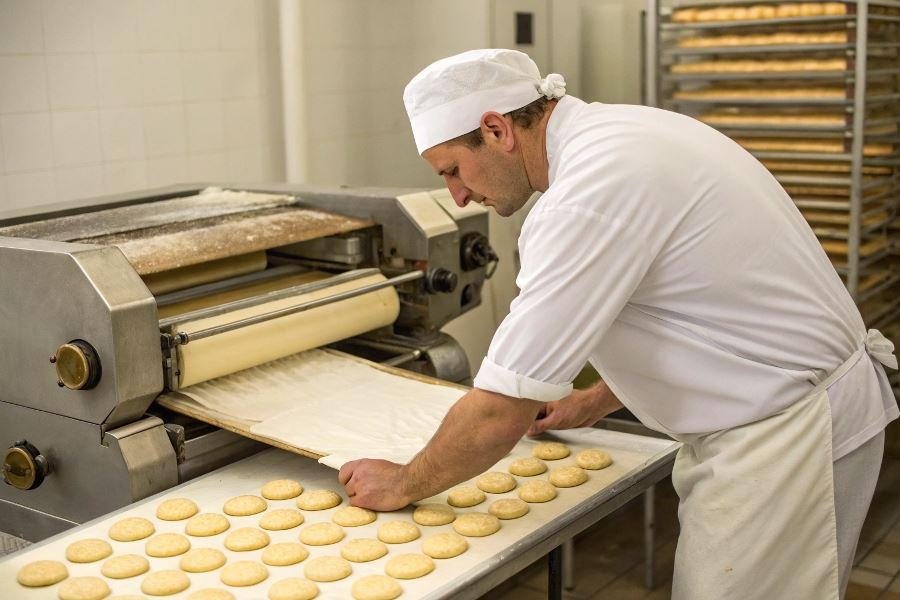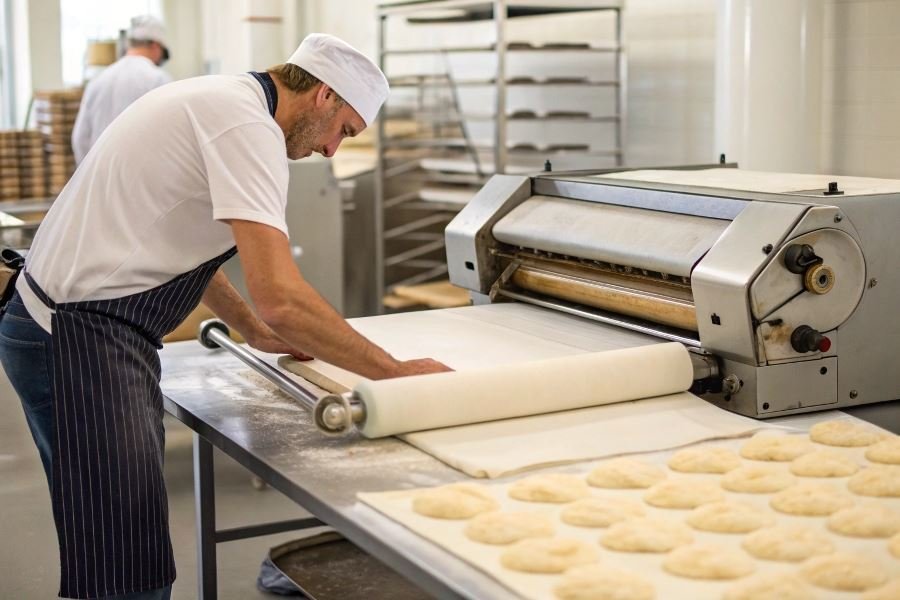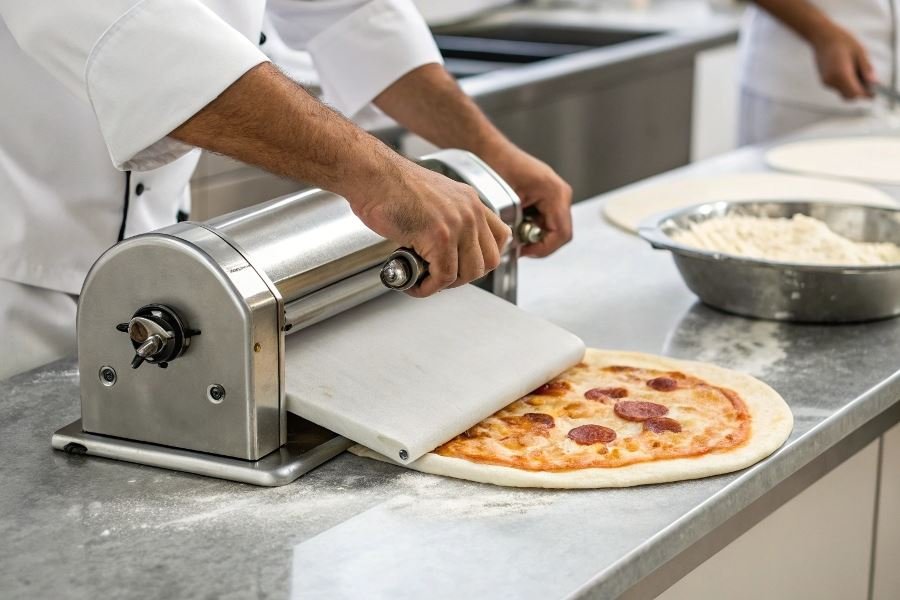
Ever watched a master pizzaiolo transform a ball of dough into a perfect circle with seemingly effortless movements? Behind many commercial pizzerias, there’s a secret weapon making this consistency possible: the dough sheeter. This workhorse equipment might not get the glory of a wood-fired oven, but it’s revolutionizing how pizzerias deliver consistent excellence with every pie.
Dough sheeters aren’t just convenient—they’re transformative for serious pizza operations. A quality sheeter can process hundreds of dough balls per hour with precision that even skilled hands can’t match. The difference between mediocre and memorable pizza often begins with dough handling, long before toppings ever enter the picture.
“The consistency achieved with a proper dough sheeter translates directly to customer satisfaction. When every pizza has the same perfect thickness and texture, customers know exactly what they’re getting with each order.” — Industry insight from the National Restaurant Association
The impact of proper dough processing extends beyond aesthetics. Uniform dough sheets ensure even cooking, consistent texture, and reliable portion control—three pillars of profitability in the competitive pizza market. Operations using quality sheeters report up to 30% reduction in dough waste and significant improvements in production speed.
When selecting a sheeter for your operation, three factors deserve your closest attention: capacity aligned with your production volume, precision controls for thickness customization, and durability built for the demands of daily commercial use. The right machine becomes an investment that pays dividends with every perfect pizza served.
Essential Features of Dough Sheeters That Drive Pizzeria Success
When equipping a commercial pizzeria, the dough sheeter stands as perhaps the most crucial piece of equipment after your oven. This workhorse transforms your dough-making process from an inconsistent arm-burning exercise into a precision operation. Selecting the right dough sheeter for pizzerias requires attention to several critical features that directly impact your production quality, efficiency, and bottom line.
Production Volume Capabilities
The size and capacity specifications of your dough sheeter should align perfectly with your production demands. Commercial models typically fall into three categories:
Countertop models process 50-100 dough sheets per hour, ideal for small operations producing fewer than 100 pizzas daily.
Mid-range floor models handle 200-400 sheets hourly, perfect for medium-volume establishments.
Industrial-grade sheeters can process 500+ dough sheets hourly for high-volume operations.
Remember that undersizing leads to bottlenecks while oversizing wastes capital and valuable kitchen space.
Precision Thickness Controls
The hallmark of exceptional pizza is consistency. Modern dough sheeters feature sophisticated thickness adjustment mechanisms that determine your final product quality.
| Control Type | Precision Level | Best For |
|---|---|---|
| Manual dial | 0.5-1mm increments | Small operations |
| Digital micrometer | 0.1mm increments | Artisanal pizzerias |
| Programmable presets | 0.05mm increments | High-volume chains |
The best systems allow for thickness adjustments between 0.5mm and 30mm, with digital displays showing exact measurements rather than arbitrary numbers.
Belt Materials and Handling
The conveyor belt material directly impacts dough handling capabilities and final texture. Premium sheeters feature:
- Food-grade synthetic belts that prevent sticking without excessive flour
- Adjustable belt speeds (typically 20-60 feet per minute)
- Belt width options ranging from 12″ for personal pizzas to 24″+ for large pies
A quality sheeter should handle hydration levels from 50% to 80% without tearing or sticking, accommodating everything from traditional Neapolitan to contemporary artisan dough recipes.
Motor Power and Durability
The motor serves as the heart of your sheeter, determining both performance and longevity.
Entry-level models typically feature 1/2 HP motors suitable for lighter doughs.
Commercial-grade sheeters employ 1-2 HP motors that handle dense, cold-fermented doughs without strain.
Look for:
- Cast iron gears rather than plastic components
- Sealed lubrication systems requiring minimal maintenance
- Thermal overload protection preventing burnout during peak periods
Safety Features and Compliance
Modern dough sheeters incorporate essential safety features that protect both operators and your business:
- Emergency stop buttons positioned for immediate access
- Safety guards preventing hand access to rollers
- Auto-shutoff systems if guards are removed
- NSF certification ensuring food safety standards
- UL listing confirming electrical safety
The best manufacturers exceed minimum requirements with features like finger-safe zones and removable components for thorough cleaning.
When evaluating potential equipment, remember that investing in quality pays dividends through consistent product, reduced labor costs, and equipment longevity. The right dough sheeter becomes not just a purchase but a long-term production partner that directly impacts your pizza quality and operational efficiency.
The Long Game: Maintaining Your Dough Sheeter Investment
When you’ve found that perfect dough sheeter for your pizzeria, the purchase is just the beginning of your relationship with this essential piece of equipment. The true value emerges over years of operation, determined by how well you maintain it and the financial decisions you make upfront. Let’s dive into the three critical factors that separate dough sheeter success stories from costly mistakes.
Sanitation protocols that protect your reputation
The intimate contact between your dough sheeter and food products demands impeccable cleaning standards. Most operators underestimate the complexity of proper sanitation until they face their first health inspection.
Modern dough sheeters from manufacturers like Rondo and Somerset feature tool-free disassembly of rollers and belts, reducing cleaning time from hours to minutes. This isn’t just convenient—it’s essential for compliance with FDA food safety regulations.
Your daily cleaning routine should include:
- Removal of flour dust from all surfaces (including underneath)
- Sanitizing belts with food-grade cleaners
- Lubricating moving parts with food-safe oils
- Inspecting for dough buildup in hard-to-reach areas
The most expensive dough sheeter becomes worthless if improper cleaning leads to contamination or equipment failure.
Service networks that keep you rolling
When your dough sheeter stops, so does production. The difference between a four-hour and four-day repair can translate to thousands in lost revenue.
| Warranty Consideration | What to Look For | Why It Matters |
|---|---|---|
| Duration | 2-5 year coverage | Protects during break-in period |
| Parts vs. Labor | Comprehensive coverage | Labor often exceeds parts cost |
| Response Time | 24-48 hour guarantee | Minimizes downtime |
| Transferability | Follows equipment | Preserves resale value |
Before purchasing, investigate the manufacturer’s service network. Hobart maintains technicians in virtually every major US market, while some imported brands rely on third-party service contracts with variable response times.
Always ask potential suppliers: “How many certified technicians do you have within 50 miles of my location?” The answer reveals more about your future experience than any brochure specification.
The real cost equation beyond the price tag
The sticker price of a dough sheeter tells only a fraction of the ownership story. Smart operators calculate Total Cost of Ownership (TCO) over a 7-10 year horizon.
A commercial-grade Doyon sheeter priced at $8,500 might seem expensive compared to a $5,200 entry-level alternative. However, when you factor in:
- Energy efficiency: Premium models often consume 15-20% less electricity
- Maintenance requirements: Higher-quality components require fewer service calls
- Production speed: Faster operation means fewer labor hours per pizza
- Durability: Longer useful life spreads investment across more years
The premium model frequently delivers a lower per-year cost despite the higher initial investment.
The most expensive dough sheeter you’ll ever buy is the one you have to replace prematurely.
Track operational costs meticulously. Document energy consumption, maintenance expenses, and downtime. This data becomes invaluable when evaluating your next equipment purchase and negotiating maintenance contracts.
Remember that financing options can dramatically affect TCO. A 24-month equipment lease might carry higher monthly payments but include maintenance coverage that would otherwise cost thousands annually if purchased outright.
Discover the essential factors for selecting the ideal dough sheeter for your pizzeria. Learn about size specifications, thickness controls, maintenance requirements, and investment considerations that ensure consistent, high-quality pizza production.
Discover the essential factors for selecting the ideal dough sheeter for your pizzeria. Learn about size specifications, thickness controls, maintenance requirements, and investment considerations that ensure consistent, high-quality pizza production.