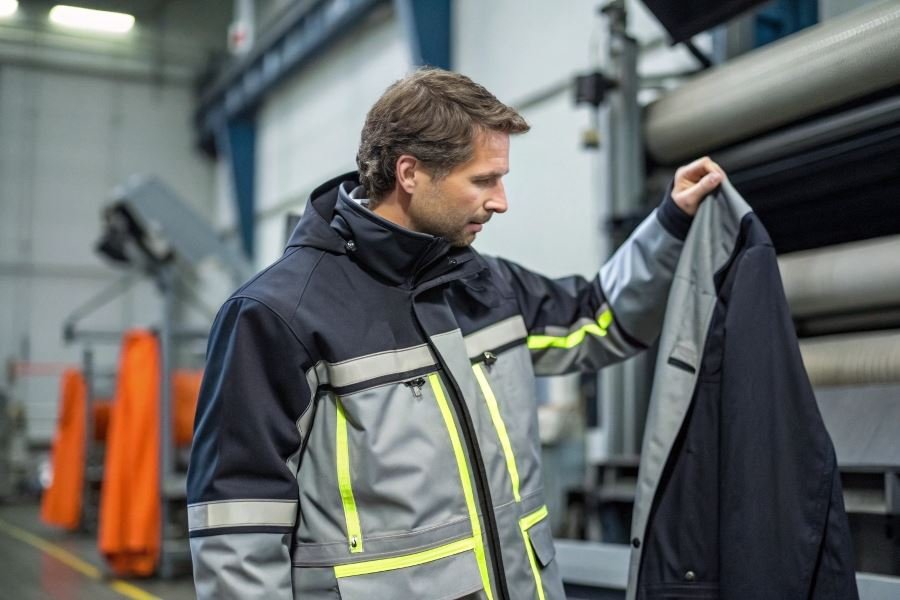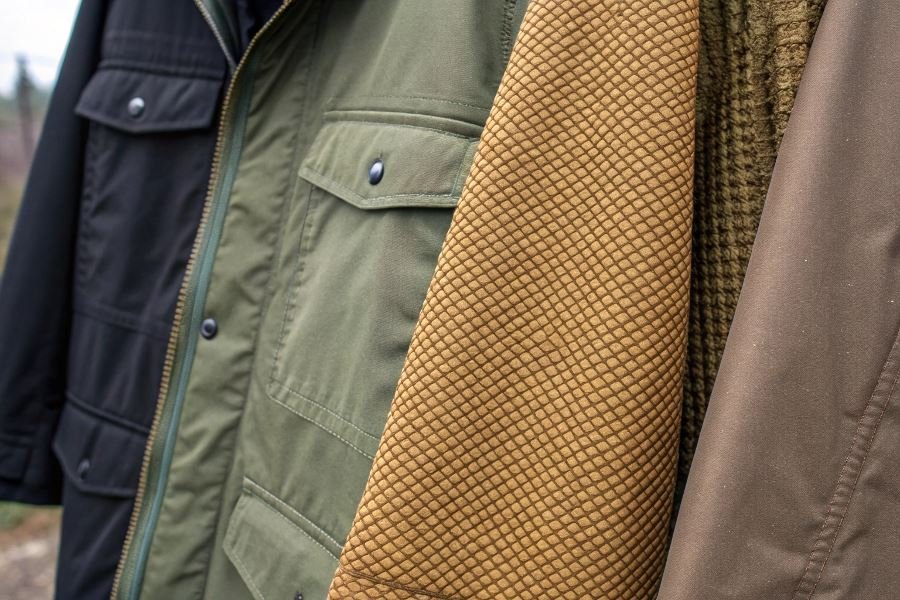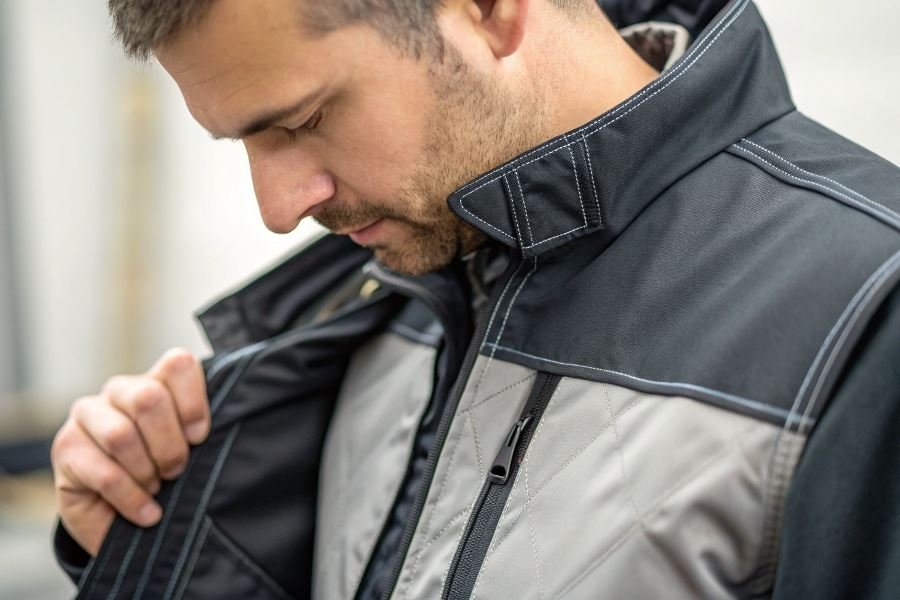
Ever watched a skilled craftsman struggle with a jacket that’s riding up their arms during a crucial task? Or witnessed someone battling fabric that bunches and catches on equipment? The right work jacket size isn’t just about comfort—it’s about safety, productivity, and longevity of both the garment and your career.
Finding that perfect fit has become something of a lost art. A properly sized work jacket moves with you, protects you, and becomes almost invisible during your workday. Yet according to industry surveys, nearly 68% of workers report wearing improperly sized protective gear at some point in their careers.
The challenge intensifies when navigating the sizing wilderness across manufacturers. What qualifies as a “Large” at Carhartt might be closer to an “XL” at Dickies, while European brands like Helly Hansen follow entirely different measurement standards. This inconsistency isn’t just frustrating—it can be downright dangerous when precision matters.
“The difference between a properly fitted and poorly fitted work jacket can mean the difference between protection and exposure,” notes the American Safety Council in their workplace gear guidelines.
Three critical factors determine proper work jacket fit:
- Shoulder mobility – Can you reach overhead without restriction?
- Torso coverage – Does the jacket stay put when bending?
- Sleeve length – Do cuffs protect wrists without catching?
Understanding these fundamentals transforms the sizing process from guesswork into a strategic decision that supports your craft rather than hindering it.
Essential Measurements for Work Jacket Perfection
Finding the perfect work jacket isn’t just about style—it’s about function, comfort, and protection during long hours on the job. The difference between a jacket that works with you and one that works against you comes down to precise measurements. Let’s dive into the critical dimensions that will ensure your workwear investment pays dividends in comfort and performance.
Chest and Shoulder Measurements: The Foundation
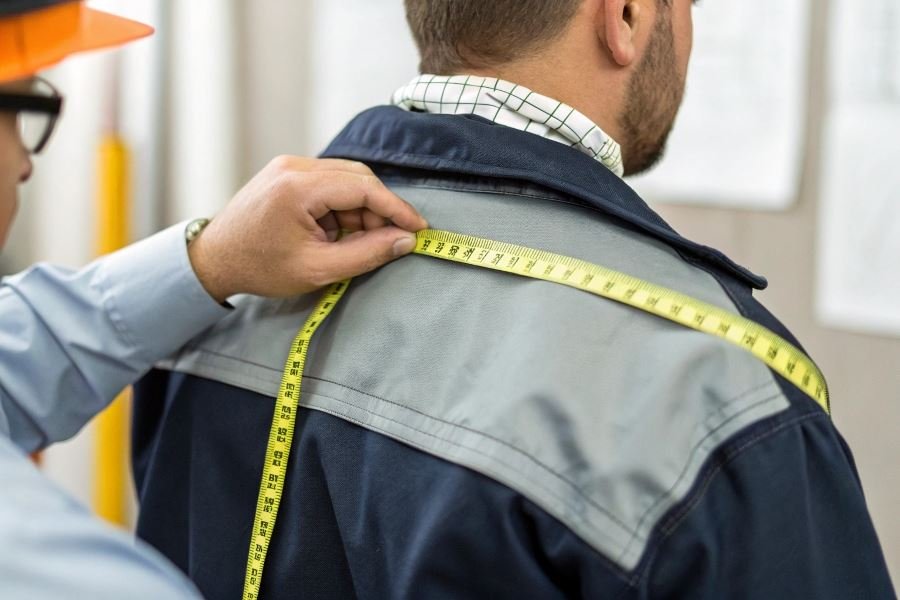
The cornerstone of proper jacket sizing begins with accurate chest and shoulder measurements. To determine your chest size, wrap a measuring tape around the fullest part of your chest, keeping the tape parallel to the floor. When selecting a work jacket, you’ll want to allow for approximately 4-6 inches of room beyond your actual chest measurement to accommodate layering and movement. How to choose the right size of work jacket often hinges on this single measurement more than any other.
Pro tip: If you’re between sizes, always size up rather than down for workwear. You can always add insulating layers underneath, but a too-tight jacket restricts movement and creates safety hazards.
For shoulders, measure from the edge of one shoulder to the other, across your back. The seams of your jacket should align with or slightly exceed your natural shoulder edges. This prevents the dreaded “shoulder pinch” that can limit overhead reaching and tool manipulation.
| Measurement | How to Take It | Ideal Fit Allowance |
|---|---|---|
| Chest | Around fullest part | +4-6 inches |
| Shoulders | Edge to edge across back | +0.5-1 inch |
Sleeve Length and Mobility: The Functionality Factor
Proper sleeve length ensures protection without hampering dexterity. Measure from the shoulder seam to just past your wrist bone—your work jacket sleeves should extend to the base of your thumb when arms are at rest.
The true test of sleeve functionality comes when you move. A well-fitted work jacket allows you to:
- Reach overhead without the jacket riding up past your waistline
- Cross your arms without feeling restriction across the back
- Bend your elbows fully without material bunching uncomfortably
Movement assessment: Try the “windmill test” by rotating your arms in full circles. If the jacket binds or pulls significantly, it’s restricting your range of motion and could become dangerous in active work environments.
Torso Length and Drop: The Comfort Equation
The overall length of your work jacket—often called the “drop”—plays a crucial role in both comfort and protection. Measure from the base of your collar to where you want the jacket to end, typically at mid-hip for standard work jackets or lower for specialized applications like welding.
A properly sized work jacket should:
- Cover your waistband completely when reaching upward
- Allow you to bend at the waist without excessive bunching
- Provide adequate coverage for your lower back when crouching
Layering consideration: Remember that your torso measurement should account for what you’ll wear underneath. For cold-weather work, add approximately 1-2 inches to accommodate thermal layers without compromising mobility.
The relationship between these three measurement zones creates the overall fit profile of your work jacket. When these dimensions align with your body’s proportions and your work requirements, you’ll experience that rare combination of protection and freedom that defines truly excellent workwear.
Finalizing Your Work Jacket Fit: The Details That Matter
Layering Strategy: Room to Move, Warmth to Spare
Finding the perfect work jacket isn’t just about what fits today—it’s about what works when temperatures drop and layering becomes essential. The gold standard? Your work jacket should accommodate a medium-weight sweater or fleece without restricting movement.
Measurement tip: Add approximately 1-2 inches to your chest measurement when planning for layers. Carhartt’s Arctic Quilt-Lined jackets, for example, are designed with this extra room built in, while brands like Dickies often run more true-to-size, requiring deliberate sizing up.
Many professionals make the critical mistake of buying exact-fit jackets, only to discover they’re uncomfortably tight when worn over winter clothing. Remember that insulated jackets like those from Milwaukee’s heated jacket line already account for some layering, while shell-style work jackets from brands like Helly Hansen expect significant underlayers.
The layering test: Put on your typical cold-weather work clothes, then try the jacket. If you feel resistance when crossing your arms or reaching forward, size up immediately.
Movement Testing: The Real-World Fit Check
A work jacket that restricts your range of motion isn’t just uncomfortable—it’s potentially dangerous in active work environments. When trying on, perform these essential movement tests:
- The overhead reach: Raise both arms above your head. The jacket shouldn’t ride up more than 1 inch at the waist.
- The cross-body reach: Reach across your chest to the opposite shoulder. Feel any pulling across the back? That’s a red flag.
- The forward bend: Lean forward 90 degrees. The jacket should move with you, not fight against you.
| Movement Test | What to Look For | Common Problem Areas |
|---|---|---|
| Overhead Reach | Minimal waist ride-up | Shoulder seams, sleeve length |
| Cross-Body Motion | No binding across back | Upper back, armhole size |
| Forward Bend | Comfortable flex | Back length, chest tightness |
Mobility matters: The difference between a good work jacket and a great one often comes down to articulated elbows, gusseted underarms, and action-back designs that expand with movement.
Brand-Specific Sizing: Know Before You Buy
Different manufacturers have dramatically different sizing philosophies. This isn’t just about numbers—it’s about understanding the brand’s target customer and design approach.
Carhartt typically runs large and boxy, designed for layering and unrestricted movement. Their Regular Fit is already generous; their Relaxed Fit is substantially roomier.
Dickies work jackets often run true-to-size or slightly slim, especially in their modern styles. Consider sizing up if you’re between sizes.
Red Kap designs specifically for industrial workers, with sizing that accommodates broader shoulders and longer arms than typical consumer brands.
Duluth Trading incorporates extra room in high-movement areas but maintains a more tailored silhouette than traditional workwear.
The smartest approach? Check the manufacturer’s sizing chart with your actual measurements in hand. Don’t rely on your “usual size”—actual inch or centimeter measurements tell the true story.
Brand wisdom: When investing in premium workwear from specialized manufacturers like Filson or Patagonia Workwear, take advantage of their customer service. These brands have detailed knowledge of how their garments fit across different body types and work scenarios.
Discover how to find your perfect work jacket size with our comprehensive guide covering essential measurements, layering considerations, and brand-specific adjustments for optimal comfort and functionality on the job.
Discover how to find your perfect work jacket size with our comprehensive guide covering essential measurements, layering considerations, and brand-specific adjustments for optimal comfort and functionality on the job.