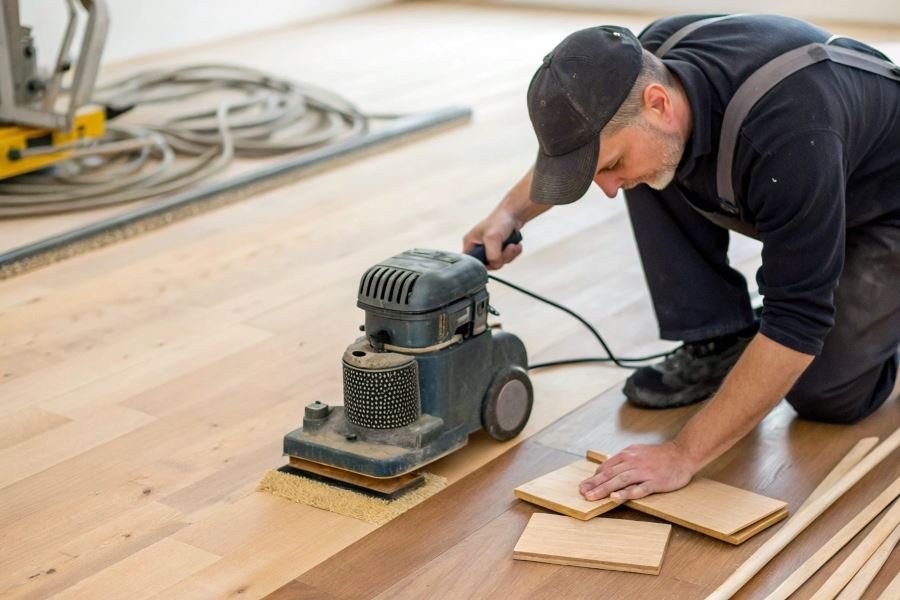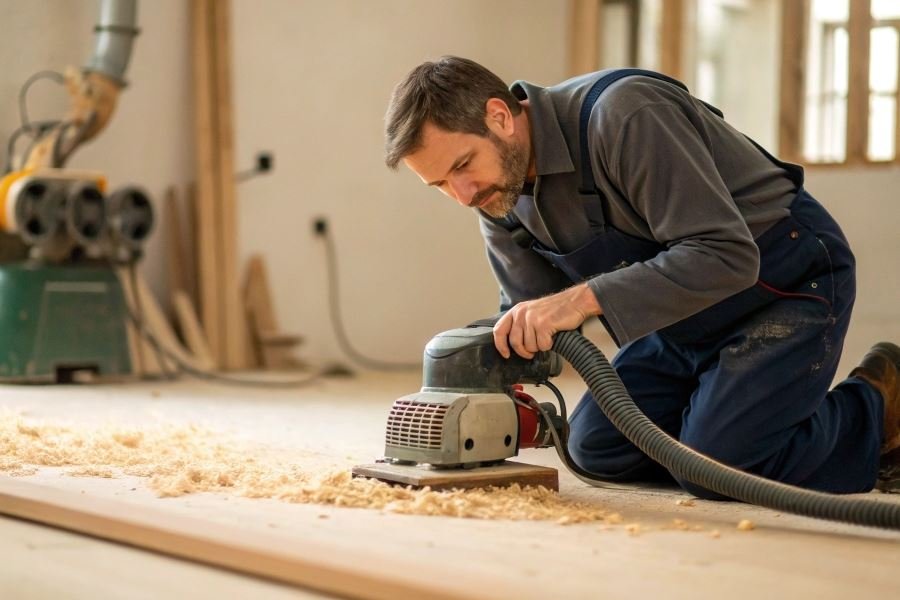
Ever run your hand across a beautifully restored wooden floor and wondered how it transformed from dull to dazzling? Behind every gleaming parquet floor stands a craftsman with the right tools—specifically, a quality sanding machine that makes all the difference.
Parquet restoration isn’t just about aesthetics; it’s about preserving history while creating functional art. The right sanding equipment serves as the foundation for successful restoration projects, determining whether your finished floor will showcase professional-level craftsmanship or amateur mistakes. For beginners entering this rewarding craft, understanding the key features of parquet sanding machines isn’t optional—it’s essential.
The foundation: Why proper equipment matters
Parquet floors, with their intricate patterns and varied wood grains, demand specialized attention. Using improper equipment can lead to irreversible damage—gouges that can’t be fixed, uneven surfaces that catch light at all the wrong angles, or worse, structural weakening that compromises the floor’s integrity. Quality machines designed specifically for parquet work with the wood’s natural characteristics rather than against them.
Beginner-friendly machine options
For those just starting out, three main types deserve consideration:
- Drum sanders: Powerful workhorses that remove material quickly, but require careful handling
- Orbital sanders: More forgiving for beginners with less aggressive cutting action
- Edge sanders: Essential companions for reaching corners and perimeters
The orbital sander stands out as particularly beginner-friendly, offering a balance between effectiveness and forgiveness. Unlike industrial-grade equipment that can remove too much material in seconds, these machines allow newcomers to develop technique without catastrophic consequences.
Safety first: Protecting yourself and your craft
Working with sanding machines involves powerful motors, abrasive materials, and fine dust—a combination demanding respect. Essential safety features include:
“The best craftsmen aren’t just skilled—they’re safe. Dust collection systems aren’t optional extras; they’re investments in your health and the quality of your finish.”
Look for machines with robust dust collection systems, proper grounding to prevent electrical hazards, and ergonomic designs that reduce operator fatigue. Remember that hearing protection, respiratory equipment, and proper training aren’t just suggestions—they’re requirements for anyone serious about the craft.
Essential Features That Make Parquet Sanding Machines Beginner-Friendly
When stepping into the world of wood restoration, the right equipment transforms frustration into craftsmanship. Parquet floors—with their intricate patterns and delicate wood pieces—demand special attention and proper tools. For those just beginning their journey into floor refinishing, understanding the key features of parquet sanding machines for beginner craftsmen can mean the difference between a weekend project and a weekend disaster.
Power Profiles: Finding Your Sweet Spot
The heart of any sanding machine is its motor, and for beginners, this requires careful consideration. Most entry-level craftsmen benefit from machines in the 1,000-1,500 watt range—powerful enough to handle domestic projects without being overwhelming.
Motor amperage matters more than you think. A 10-12 amp motor provides sufficient power for most residential parquet floors while remaining manageable. Higher amperage machines (15+ amps) can be too aggressive in inexperienced hands, potentially causing gouging or uneven sanding.
Speed variability is non-negotiable for novices. Look for machines offering:
| Speed Range (RPM) | Best Application | Beginner Friendliness |
|---|---|---|
| 1,000-2,000 | Fine finishing | Excellent |
| 2,000-3,000 | General sanding | Good |
| 3,000+ | Aggressive removal | Use with caution |
The Bona EdgeX and Clarke American Sanders EZ-8 both offer beginner-friendly power profiles with intuitive speed controls that help prevent common mistakes.
Dust Collection: Your Lungs and Visibility Depend On It
Nothing derails a beginner’s project faster than poor dust management. Beyond the obvious health concerns, excessive dust compromises visibility and settles into freshly sanded areas, creating imperfections in your finish.
The difference between amateur and professional results often comes down to dust collection efficiency.
Modern machines should capture at least 90% of generated dust. Look for:
- Sealed dust bags with micro-filtration (1-5 micron capacity)
- Vacuum port compatibility for connection to shop vacs
- Clear dust chambers that allow you to monitor collection
The Festool ROTEX sanding system exemplifies superior dust management with its integrated collection system that connects directly to their dust extractors, making it ideal for beginners concerned about indoor air quality.
Ergonomics: When Weight and Balance Determine Success
A machine that fights you throughout the project guarantees poor results. For beginners especially, weight distribution and maneuverability directly impact sanding quality.
The perfect parquet sander feels like an extension of your body, not a wrestling opponent.
Consider these ergonomic factors:
- Weight sweet spot: 30-45 pounds provides stability without exhaustion
- Handle height adjustability accommodates different user heights
- Vibration dampening technology reduces fatigue
- Wheel quality affects transition smoothness between floor sections
The Lagler TRIO offers exceptional balance with its three-disc design that virtually eliminates the tendency to “pull” to one side—a common challenge for beginners.
For first-time users, machines with guide lights help maintain consistent sanding patterns across parquet sections. The Bona Power Drive includes LED lighting that illuminates the work area, helping beginners identify areas needing additional attention.
Remember that maneuverability isn’t just about weight—it’s about how that weight is distributed. Center-weighted machines provide more intuitive control than front or rear-heavy alternatives, allowing beginners to focus on technique rather than fighting the machine’s momentum.
By prioritizing these essential features, beginner craftsmen can select parquet sanding equipment that supports their learning curve rather than steepening it, resulting in professional-quality restorations even on first attempts.
Making the Right Choice: Parquet Sanding Machines for Beginners
When you’re just starting your woodworking journey, selecting the appropriate parquet sanding machine can feel overwhelming. The right equipment not only delivers professional results but also builds your confidence as you develop your craft.
Smart budgeting for quality results
The investment in a parquet sanding machine deserves careful consideration. Entry-level drum sanders typically range from $500 to $1,200, while professional-grade models can exceed $3,000. However, price doesn’t always dictate performance for beginner needs.
Focus on value rather than simply choosing the cheapest option. A $700 machine with reliable dust collection, variable speed control, and ergonomic design offers better long-term value than a $400 model lacking these features. Remember that replacement parts, sandpaper, and maintenance costs factor into your total investment.
The wisest investment isn’t always the least expensive—it’s the one that grows with your skills without breaking the bank.
Many beginners find that allocating 60% of their budget to the machine itself and reserving 40% for quality abrasives and accessories yields the best results. Quality sandpaper might cost more initially but delivers superior finishes and requires fewer replacements.
Rent or buy: Making the smart first move
For first-time users, the rent-versus-buy decision hinges on project frequency and learning curve preferences:
| Rental Advantages | Purchase Advantages |
|---|---|
| Lower initial cost ($75-150/day) | Available whenever needed |
| Try before you buy | Cost-effective after 5-7 projects |
| No maintenance responsibility | Familiarity with one machine |
| Access to professional-grade equipment | Customization possibilities |
If you’re tackling a single floor restoration, renting from Home Depot or a local equipment supplier makes financial sense. However, if you envision multiple projects over the next year, purchasing becomes more economical after approximately the fifth project.
Many suppliers offer weekend rental packages with instructional support—an excellent opportunity to learn proper technique before committing to a purchase. Some even apply rental fees toward eventual purchase, creating a low-risk path to ownership.
Beginner-friendly machines worth considering
Several models stand out for their combination of performance, ease of use, and value for newcomers:
The Clarke EZ-8 drum sander ($899) features intuitive controls and excellent balance, reducing the learning curve significantly. Its 8-inch drum provides enough power for most residential projects while remaining manageable for beginners.
For those seeking versatility, the Lagler Trio ($1,299) offers three rotating discs instead of a drum, making it remarkably forgiving for novices while still delivering professional results. The multi-disc design virtually eliminates the dreaded “sanding gouge” that plagues beginners using drum sanders.
The Bona Edge ($799) deserves consideration as a supplementary edge sander with its lightweight design and dust containment system. Its ergonomic grip reduces fatigue during those crucial detail-sanding sessions.
Look for machines featuring: tool-free belt changes, variable speed control, effective dust collection, and weight under 125 pounds for easier maneuverability. These features dramatically improve the learning experience while producing results that will make your first project a source of pride rather than frustration.
By balancing budget considerations with your specific needs and choosing equipment designed with beginners in mind, you’ll set yourself up for success in your parquet restoration journey.
Discover the essential features of parquet sanding machines perfect for beginners. Learn about power specifications, dust collection systems, and ergonomic designs that make floor restoration accessible for novice craftsmen.
Discover the essential features of parquet sanding machines perfect for beginners. Learn about power specifications, dust collection systems, and ergonomic designs that make floor restoration accessible for novice craftsmen.