The right massage table isn’t just furniture—it’s the cornerstone of your practice’s success.
When a client reclines on your table for the first time, they’re not just evaluating your technique—they’re forming impressions about your entire business. The massage table you select serves as both the literal and figurative foundation for every treatment you provide, directly influencing outcomes and client retention.
Professional cosmetologists understand that massage tables come in remarkable variety, each designed with specific treatments and environments in mind. The differences between hydraulic, electric, and portable options extend far beyond mere convenience—they fundamentally shape the treatment experience.
Client comfort translates directly to business success. Research shows that clients who experience physical discomfort during treatments are 73% less likely to rebook, regardless of treatment quality. A table with inadequate padding or poor ergonomics can undermine even the most skilled practitioner’s work.
“The table is where transformation happens. When clients feel supported physically, they relax mentally—allowing your treatments to achieve maximum effectiveness.”
When evaluating massage tables, consider these critical factors:
- Weight capacity and stability – Does it support diverse client needs?
- Height adjustability – Can you work without straining your back?
- Material quality – Will it withstand daily sanitization?
- Adaptability – Does it accommodate your full treatment menu?
Your table choice ultimately determines not just client comfort, but your physical wellbeing, treatment efficiency, and practice longevity. The perfect table becomes an extension of your expertise—enhancing rather than limiting your professional capabilities.
The Ultimate Guide to Massage Tables for Professionals
When setting up a treatment space, the massage table becomes the centerpiece of your professional practice. The right table not only enhances client comfort but dramatically impacts your workflow efficiency and service quality. Let’s dive into the core types of massage tables for cosmetologists, exploring their features and differences to help you make an informed investment.
Stationary Tables: The Foundation of Stability
Stationary massage tables represent the gold standard for permanent treatment spaces. These fixed workhorses deliver unmatched stability and durability—essential qualities when performing intensive treatments.
Key advantages include:
- Superior weight capacity – typically supporting 500-800 pounds
- Rock-solid stability – zero wobbling during deep tissue work
- Extended lifespan – often lasting 10+ years with proper care
The substantial construction of stationary tables provides cosmetologists with a reliable foundation for all types of massage and aesthetic treatments. While they command higher price points (typically $800-2,500), their longevity makes them cost-effective long-term investments for established practices.
Portable Tables: Flexibility Without Compromise
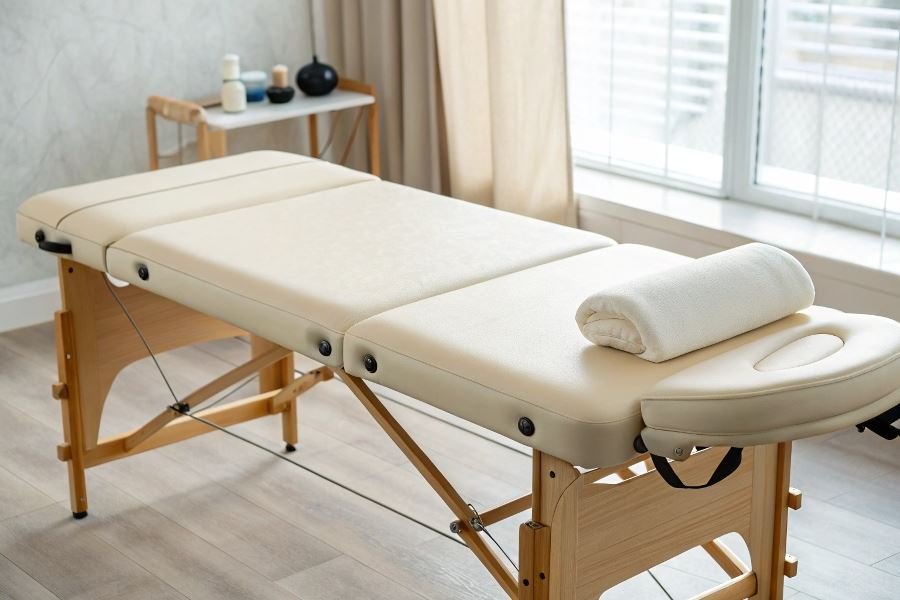
For mobile practitioners or those with space limitations, portable massage tables offer remarkable versatility without sacrificing essential functionality. Modern portable options have evolved significantly, addressing previous limitations in stability and comfort.
Premium portable tables now feature:
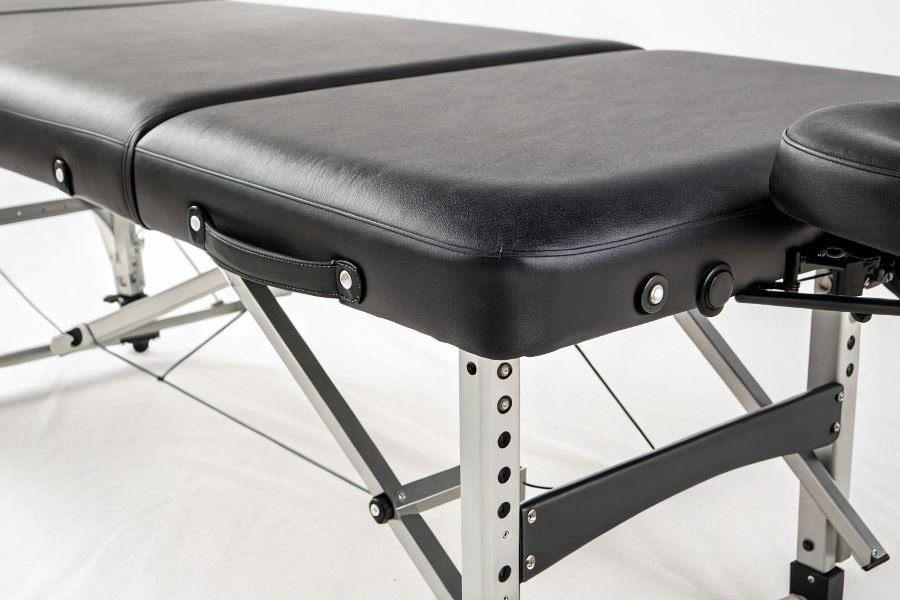
- Aircraft-grade aluminum frames weighing under 25 pounds
- Quick setup mechanisms (30-60 seconds)
- Memory foam padding options for client comfort
| Feature | Entry-Level | Mid-Range | Professional-Grade |
|---|---|---|---|
| Weight | 30-35 lbs | 25-30 lbs | 22-25 lbs |
| Weight Capacity | 350 lbs | 450 lbs | 550+ lbs |
| Price Range | $150-300 | $300-600 | $600-1,200 |
The portability factor makes these tables ideal for practitioners who travel to clients or work in multiple locations. Despite their lightweight design, top-tier portable tables from manufacturers like Earthlite and Oakworks offer impressive stability and comfort comparable to entry-level stationary options.
Electric and Hydraulic Tables: Precision and Specialization
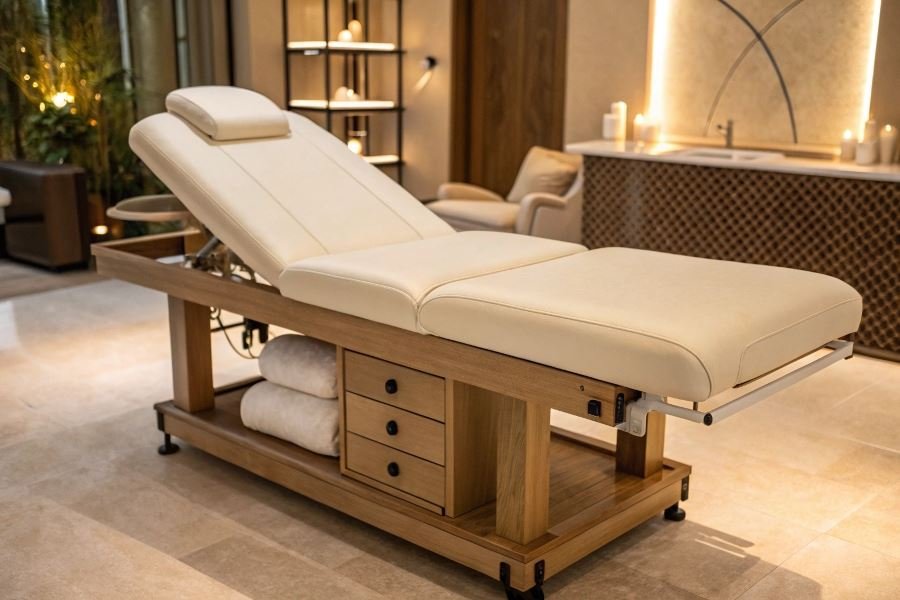
The technological evolution of massage tables has produced electric and hydraulic models that deliver unprecedented control and customization. These advanced tables represent the pinnacle of treatment precision.
Standout capabilities include:
- Effortless height adjustment – critical for practitioner ergonomics
- Position memory settings – for consistent treatment protocols
- Specialized features – including Trendelenburg positioning and section articulation
Electric tables eliminate the physical strain of manual adjustments, allowing practitioners to modify height and positioning with the touch of a button. This proves invaluable during longer treatment sessions or when working with clients with mobility challenges.
Worth noting: While electric tables require access to power sources, many modern models feature battery backups providing 40-60 adjustments per charge—perfect for practitioners who occasionally need mobility without sacrificing advanced functionality.
The investment in electric or hydraulic tables ($1,800-4,500) delivers significant returns through reduced practitioner fatigue, enhanced treatment precision, and expanded service capabilities. For specialized treatments requiring precise positioning, these tables become essential rather than optional equipment.
Selecting the right massage table ultimately depends on your specific practice needs, working environment, and treatment specializations. The perfect table balances client comfort, practitioner ergonomics, and practical considerations like space and mobility requirements.
Making the Right Choice: Your Perfect Massage Table Investment
When selecting a massage table for your cosmetology practice, the decision extends far beyond simply picking a piece of furniture. Your table becomes the foundation of your client experience and service quality. Let’s navigate the final considerations that will help you make a choice you’ll be satisfied with for years to come.
Matching Tables to Your Service Portfolio
The services you offer should directly influence your table selection. Consider these service-specific requirements:
- Facial treatments demand tables with adjustable headrests and face cradles
- Body treatments require wider surfaces and higher weight capacities
- Specialized therapies like hot stone massage benefit from tables with heat-resistant surfaces
The versatility of your practice determines your table needs. Multi-service spas often benefit from electric tables with programmable positions, while specialists might prioritize features specific to their niche.
A table that perfectly matches your service offerings doesn’t just improve client comfort—it enhances your efficiency and reduces physical strain during treatments.
For practices offering primarily facial services, a narrower table with excellent head positioning options from brands like Earthlite might be ideal. Meanwhile, full-body treatment specialists should consider wider platforms with enhanced padding from manufacturers like Living Earth Crafts.
Budget Considerations and ROI
Massage tables represent a significant investment with prices ranging dramatically:
| Table Type | Price Range | Expected Lifespan | ROI Considerations |
|---|---|---|---|
| Basic Portable | 300−700 | 2-5 years | Lower initial cost, higher replacement frequency |
| Mid-Range Stationary | 800−2,000 | 5-8 years | Balanced investment, moderate features |
| Premium Electric | 2, 500−7,000+ | 8-15+ years | Higher upfront cost, longest lifespan, advanced features |
When calculating ROI, look beyond the initial price tag. A $4,000 electric table that lasts 12 years costs approximately $333 per year—potentially less than replacing cheaper models multiple times while providing superior client experiences and commanding higher service prices.
Smart budget allocation means considering:
- Client volume and wear expectations
- Premium service pricing potential
- Financing options (many manufacturers offer payment plans)
- Tax benefits (consult your accountant about equipment depreciation)
Maintenance Requirements and Longevity
Different table types demand varying levels of maintenance attention:
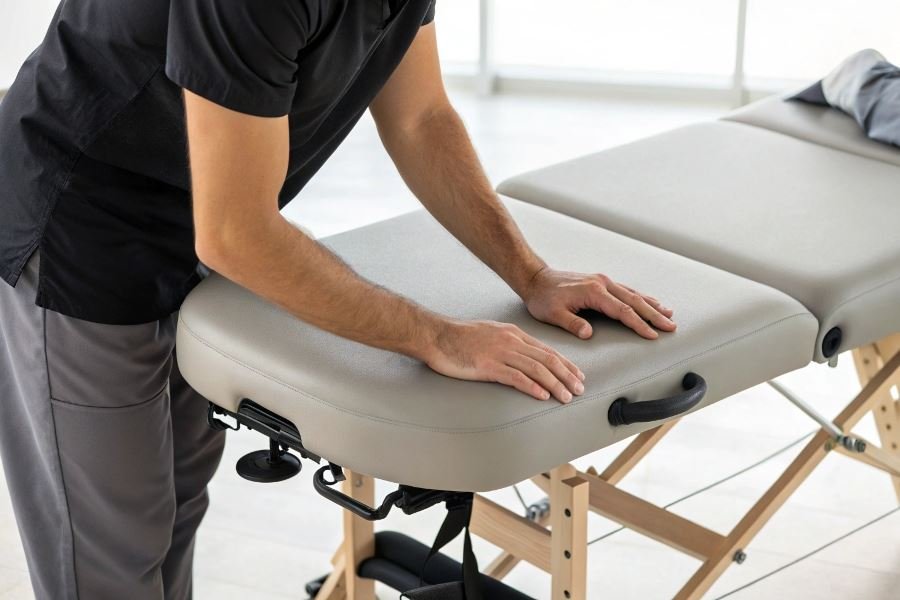
Portable tables require regular inspection of hinges, cables, and locking mechanisms. Their aluminum frames resist corrosion but may develop structural weaknesses with heavy use. Expect to replace vinyl coverings every 2-3 years with regular use.
Stationary wooden tables need occasional wood conditioning and hardware tightening. Their solid construction typically withstands years of use, though upholstery may need refreshing after 4-6 years.
Electric tables benefit from annual professional maintenance checks of motors and electronics. While more complex mechanically, quality electric tables from manufacturers like Oakworks often include extended warranties and service plans.
Preventative maintenance dramatically extends table life. Simple practices like using fitted sheets, proper cleaning protocols, and weight limit adherence can add years to your investment.
The perfect massage table aligns with your service offerings, fits your budget while providing strong ROI, and matches your maintenance capacity. By carefully weighing these factors, you’ll select a table that not only serves your immediate needs but supports your practice’s growth for years to come.
Discover the essential differences between stationary, portable, and electric massage tables for cosmetologists. Learn how to choose the perfect table that enhances client comfort, treatment effectiveness, and fits your specific practice needs.
Discover the essential differences between stationary, portable, and electric massage tables for cosmetologists. Learn how to choose the perfect table that enhances client comfort, treatment effectiveness, and fits your specific practice needs.