When seconds count and threats become real, the right body armor isn’t just an accessory—it’s your last line of defense. Choosing appropriate protection requires more than just buying the most expensive option on the market; it demands understanding what you’re truly protecting against.
Personal body armor has evolved dramatically since the first modern bulletproof vests were developed following World War II. Today’s options range from discreet under-clothing panels to tactical external carriers with multiple armor plate pockets. The protection level you select directly correlates to the threats you might reasonably face.
Protection levels matter more than you think. The National Institute of Justice (NIJ) classifies body armor into distinct levels:
- Level IIA: Stops 9mm and .40 S&W rounds
- Level II: Handles higher velocity 9mm and .357 Magnum
- Level IIIA: Protects against most handgun threats including .44 Magnum
- Level III: Stops rifle rounds including 7.62mm NATO
- Level IV: Designed to withstand armor-piercing rifle ammunition
“The right vest at the wrong time is still the wrong vest.” — Security expert maxim
Legal landscape of civilian armor
Before purchasing, understand that while body armor remains legal for civilians in most states, certain restrictions exist. Felons are federally prohibited from possessing body armor, and some states have enacted additional regulations. Connecticut, for example, requires all body armor transactions to occur in person rather than online.
The investment in quality protection isn’t just financial—it’s an investment in your safety and peace of mind. Choose wisely.
The Science Behind Bulletproof Protection
Choosing the right body armor isn’t just about buying the most expensive option on the market—it’s about understanding what you’re actually protecting yourself against. The process of selecting appropriate ballistic protection requires knowledge of rating systems, material differences, and proper fitting techniques that could literally save your life.
When learning how to choose a bulletproof vest for personal protection, three critical factors stand above all others: protection level ratings, armor type, and proper fit. Each element plays a crucial role in ensuring you’re adequately protected against specific threats while maintaining necessary mobility and comfort.
NIJ Standards: Your Protection Roadmap
The National Institute of Justice (NIJ) established the gold standard for ballistic protection ratings in 1972. These ratings aren’t marketing jargon—they’re scientifically tested performance indicators:
| NIJ Level | Protects Against | Typical Threats |
|---|---|---|
| Level IIA | 9mm, .40 S&W | Lower velocity handguns |
| Level II | 9mm, .357 Magnum | Higher velocity handguns |
| Level IIIA | .357 SIG, .44 Magnum | High-powered handguns |
| Level III | 7.62mm NATO | Rifle threats (AR-15) |
| Level IV | Armor-piercing rifle | Military-grade threats |
Each level is cumulative, meaning Level III protection will stop everything Level II will stop, plus rifle rounds. The difference between stopping a 9mm handgun round and a high-powered rifle shot isn’t just incremental—it’s an entirely different engineering challenge.
Soft vs. Hard Armor: The Protection Spectrum
Ballistic protection generally falls into two categories, each with distinct advantages:
Soft armor utilizes multiple layers of woven aramid fibers (like Kevlar) or polyethylene that flex upon impact, capturing and dispersing a bullet’s energy. These vests:
- Typically provide Level IIA to IIIA protection
- Weigh 4-7 pounds on average
- Can be worn concealed under clothing
- Offer superior comfort for extended wear
- Cannot stop rifle rounds
Hard armor plates are typically ceramic, steel, or polyethylene composites designed to defeat high-velocity threats. These systems:
- Provide Level III to IV protection
- Weigh 4-8 pounds per plate
- Require plate carriers or special vests
- Can stop rifle rounds that would penetrate soft armor
- Sacrifice mobility and concealability for protection
The protection gap between soft and hard armor isn’t subtle—it’s the difference between stopping a handgun and stopping a military rifle. Your threat assessment should drive this decision above all else.
The Fit Factor: Where Protection Meets Practicality
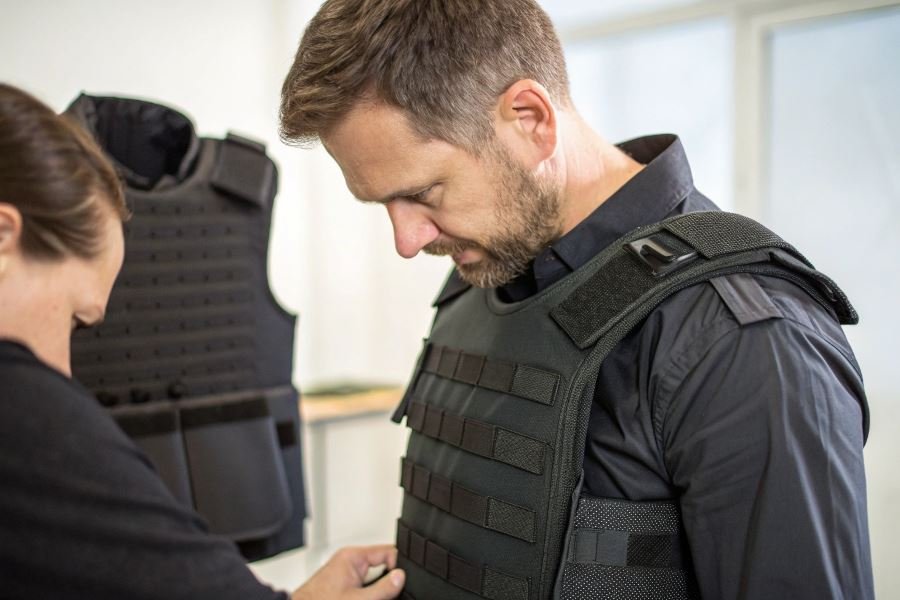
A perfectly rated vest that doesn’t fit properly creates dangerous gaps in protection. Proper sizing isn’t a comfort issue—it’s a survival issue.
When measuring for body armor:
- Chest measurement should be taken at the widest point
- Length should extend from the suprasternal notch (base of throat) to approximately 2″ above the navel
- Side coverage should protect vital organs without restricting arm movement
The “finger test” remains the simplest verification method: you should be able to slip two fingers between your body and the vest at the shoulders and sides, but no more.
Remember that female-specific armor isn’t just smaller male armor—it’s specifically contoured to accommodate different body shapes while maintaining critical coverage of vital organs.
The right bulletproof vest balances protection level, armor type, and proper fit to create a system that addresses your specific threat profile while allowing the mobility and comfort needed for your particular situation.
Making the Final Decision: Your Bulletproof Vest Selection Guide
Protection Needs vs. Practical Reality
Selecting the right bulletproof vest isn’t just about maximum protection—it’s about finding your personal sweet spot. The highest-rated NIJ Level IV armor might seem like the obvious choice, but wearing a 20-pound ceramic plate carrier for everyday protection quickly becomes impractical.
The protection-practicality equation varies dramatically based on your specific scenario:
- Daily civilian wear: Prioritize concealability and comfort with Level IIA or IIIA soft armor
- High-risk professionals: Balance with Level IIIA+ or III depending on threat assessment
- Tactical situations: Accept the weight trade-off for Level III or IV hard plates
Remember: The best bulletproof vest is the one you’ll actually wear consistently. A lightweight Level IIIA vest worn daily provides infinitely more protection than a Level IV system left in your closet because it’s too cumbersome.
Maintaining Your Life-Saving Investment
Bulletproof vests aren’t “set and forget” equipment—they require proper care to maintain their protective capabilities. Most manufacturers recommend:
| Maintenance Task | Soft Armor | Hard Plates |
|---|---|---|
| Visual inspection | Weekly | Monthly |
| Hand washing | Every 3-6 months | N/A |
| Wipe-down | After heavy sweating | After each use |
| Professional inspection | Annually | Annually |
| Replacement | 5-7 years | 10+ years (check manufacturer) |
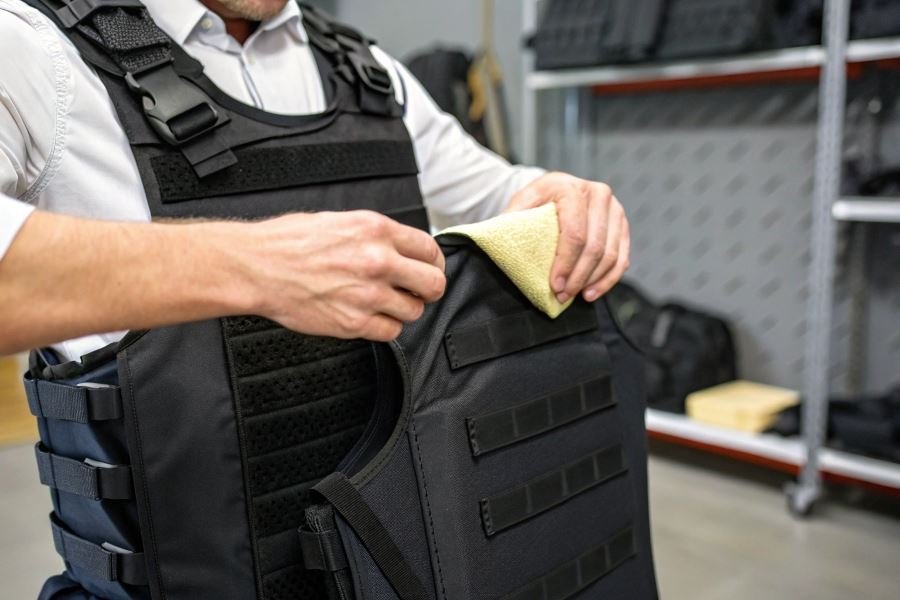
Never machine wash or dry clean ballistic panels. This damages the protective fibers and compromises integrity. Instead, remove panels from carriers, hand wash with mild soap, and air dry flat away from direct sunlight.
For hard plates, avoid dropping them on hard surfaces. Even hairline cracks invisible to the naked eye can compromise ballistic performance. Store all armor flat or hanging, never folded, in a cool, dry place.
Top Performers for Different Protection Scenarios
After extensive research and expert consultations, these three options stand out for specific protection needs:
For Everyday Concealed Protection
The SafeGuard ProCovert IIIA offers exceptional flexibility with multi-threat protection against most handgun rounds. At just 4.5 pounds and less than 0.25 inches thick, it virtually disappears under business attire while providing NIJ-certified protection. The moisture-wicking carrier prevents the dreaded “armor sweat” during extended wear.
For Professional Security Applications
The Defender Tactical Guardian III+ balances protection and mobility with its innovative hybrid design. The system incorporates lightweight polyethylene hard plates with trauma-reducing backing material. At 7.2 pounds, it stops rifle threats up to 7.62×39mm while maintaining reasonable mobility for active security personnel.
For Maximum Protection Scenarios
When facing severe threats, the Fortress Elite IV delivers uncompromising protection. Its multi-hit capable ceramic-composite plates stop armor-piercing rifle rounds while the ergonomic carrier system distributes the 16-pound weight effectively. The quick-release system allows rapid doffing in emergencies—a critical feature in tactical environments.
Your final selection should reflect your specific threat assessment, wear requirements, and physical capabilities. The perfect bulletproof vest doesn’t exist—but the perfect vest for your needs absolutely does.
Discover how to select the right bulletproof vest with our comprehensive guide explaining NIJ protection levels, comparing soft vs. hard armor options, and providing essential fitting tips for optimal personal security and comfort.
Discover how to select the right bulletproof vest with our comprehensive guide explaining NIJ protection levels, comparing soft vs. hard armor options, and providing essential fitting tips for optimal personal security and comfort.