
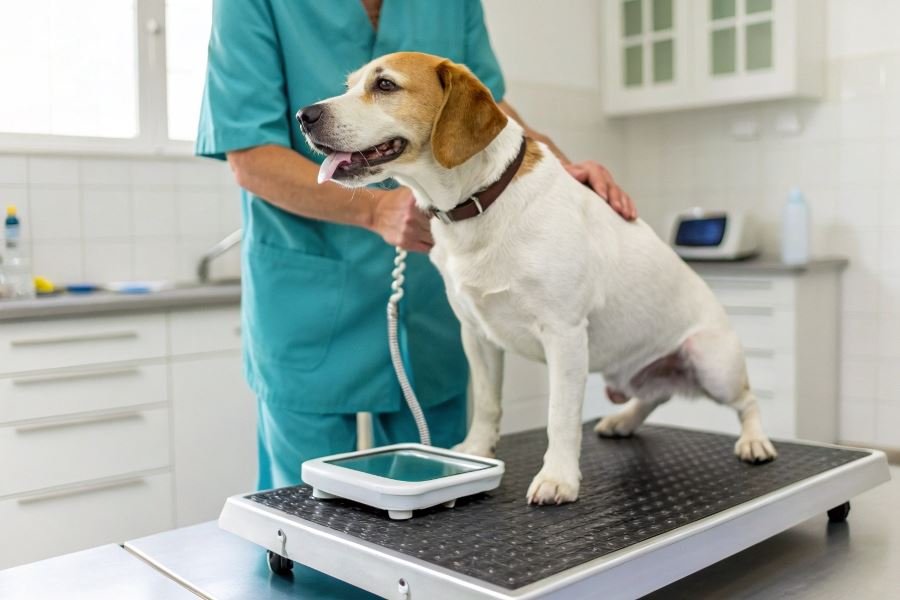
When a German Shepherd puppy gains 2 pounds in a week, is that normal growth or a warning sign? Without accurate weight measurement, you’re essentially flying blind in animal care. Veterinarians consider weight the “fifth vital sign” because it reveals so much about an animal’s health status—often before other symptoms appear.
Tracking weight isn’t just about obesity concerns. It’s the cornerstone of medication dosing, nutritional planning, and early disease detection. A sudden 5% weight loss in a senior cat might be the only indicator of kidney disease, while unexpected weight gain in a horse could signal dangerous fluid retention.
The market offers specialized scales for every creature—from pocket-sized digital platforms for reptiles to industrial-grade livestock scales that can weigh a 2,000-pound bull. The technology ranges from basic mechanical models (50 − 100)tosophisticatedveterinarysystemswithBluetoothconnectivity(500+) that automatically log measurements to health records.
Choosing the right scale isn’t merely about capacity—it’s about precision, durability, and functionality. A scale that works perfectly for weighing chickens would be useless for monitoring a diabetic ferret where gram-level accuracy matters for insulin dosing.
The difference between “good enough” and “precisely right” measurement can literally save lives, especially for exotic pets and production animals where weight fluctuations require immediate intervention. Your choice of scale directly impacts your ability to provide optimal care.
Technical Essentials for Animal Weighing Solutions
When selecting scales for veterinary use, the technical specifications aren’t just numbers on a box—they’re the difference between accurate health monitoring and potentially dangerous miscalculations. Veterinarians and animal care professionals understand that precision weighing directly impacts medication dosing, nutrition planning, and health assessments.
The process of how to choose scales for animals: main criteria begins with understanding the unique requirements of different species and clinical settings. Just as you wouldn’t use a bathroom scale to weigh gold, you shouldn’t use a small animal scale for livestock. The technical specifications must align perfectly with your specific animal care needs.
Weight capacity matched to species
The primary technical consideration when selecting animal scales is appropriate weight capacity. Different species require dramatically different scale capacities:
| Animal Type | Recommended Capacity | Typical Platform Size |
|---|---|---|
| Small pets (cats, small dogs) | 20-50 lbs (9-23 kg) | 16″ x 14″ (40 x 35 cm) |
| Medium dogs | 100-150 lbs (45-68 kg) | 36″ x 22″ (91 x 56 cm) |
| Large dogs/small livestock | 300-500 lbs (136-227 kg) | 48″ x 24″ (122 x 61 cm) |
| Horses/cattle | 1,000-5,000 lbs (454-2,268 kg) | 84″ x 38″ (213 x 97 cm) |
Always select a scale with capacity at least 20% higher than your largest anticipated animal. This prevents damage to load cells and ensures accuracy throughout the scale’s lifespan.
Precision requirements for clinical applications
Accuracy requirements vary significantly based on the intended use:
- Medication dosing: Requires ±0.1% accuracy or better, especially for small animals where minor weight differences significantly impact dosing
- Growth monitoring: Needs consistent readings with ±0.5% repeatability
- General health checks: Can typically function with ±1% accuracy
For exotic or small animal specialists, scales with 0.1-gram resolution are essential, while livestock scales might only need 0.5-pound increments. The Avery Weigh-Tronix veterinary scales offer precision ranges appropriate for various clinical applications.
Durability factors and maintenance considerations
Veterinary environments present unique challenges to weighing equipment. Animals move, urinate, defecate, and sometimes resist the weighing process entirely. Your scale must withstand these realities.
Look for these critical durability features:
- Sealed electronics with IP65 or higher rating for protection against moisture and dust
- Corrosion-resistant materials like stainless steel or specialized antimicrobial coatings
- Shock-resistant load cells that can handle sudden movements or impacts
- Non-slip surfaces that provide secure footing for animals
Maintenance requirements should factor heavily into your decision. The Rice Lake Weighing Systems veterinary platforms feature removable mats and smooth surfaces specifically designed for easy sanitization between patients.
Cleaning protocols matter immensely in preventing cross-contamination. Scales with crevices, exposed screws, or porous surfaces become infection control nightmares. Premium veterinary scales use seamless construction techniques that eliminate bacterial hiding spots while withstanding harsh disinfectants.
By focusing on these technical criteria—appropriate capacity, clinical-grade accuracy, and veterinary-specific durability features—you’ll select weighing equipment that delivers reliable data for years while minimizing maintenance headaches and replacement costs.
Making the Smart Investment in Animal Scales
Selecting the right weighing equipment for your animals isn’t just a purchase—it’s an investment in their health and your operation’s efficiency. After exploring the technical specifications and features that matter, it’s time to bring everything together and make that final decision.
Balancing Precision and Value
The perfect animal scale represents the sweet spot between accuracy and cost-effectiveness. When evaluating your options:
Precision pays dividends in the long run. A scale that’s accurate to within 0.1% might cost more initially but prevents costly medication errors and health issues. For livestock producers, even small weighing errors multiplied across a herd can represent thousands of dollars in lost revenue.
Remember that accuracy requirements vary dramatically by animal type:
| Animal Type | Recommended Precision | Typical Investment Range |
|---|---|---|
| Large livestock | ±0.5% | 1, 200−5,000 |
| Small animals/pets | ±0.1-0.2% | 300−1,200 |
| Laboratory animals | ±0.05% | 800−3,500 |
Top-Performing Scale Brands Worth Considering
Based on durability, accuracy, and user satisfaction, these manufacturers consistently deliver quality weighing solutions:
For livestock operations, Tru-Test and Rice Lake offer robust platforms that withstand harsh farm conditions while maintaining calibration. Their load bars typically last 7-10 years even with daily use.
Veterinary practices and shelters often prefer Adam Equipment and A&D Weighing for their combination of precision and reasonable price points.
For exotic and small animal specialists, DETECTO provides specialized options with features like low-profile platforms and gentle weighing surfaces.
Making Your Selection Future-Proof
Think beyond today’s needs. The most common regret among animal scale purchasers is not accounting for growth. If you’re currently weighing 50 animals monthly but projecting 30% growth, factor this into your capacity requirements.
Digital connectivity has transformed from luxury to necessity. Scales with data logging and software integration capabilities might command a 15-20% premium, but they eliminate transcription errors and create valuable weight trend data.
Wisdom from the field: The most expensive scale isn’t always the best scale—but the cheapest scale is almost never the right choice.
The True Cost Calculation
When conducting your cost-benefit analysis, factor in these often-overlooked considerations:
- Maintenance requirements: Some models need annual calibration costing $150-300
- Battery life: Replaceable vs. rechargeable (the latter saving approximately $60-100 annually)
- Warranty terms: Industry leaders typically offer 3-5 years, while budget options may provide just 12 months
- Portability value: If you’ll move the scale frequently, investing in lightweight materials pays off in reduced labor and injury risk
The right animal scale ultimately delivers peace of mind—knowing your weight measurements are reliable foundations for critical health and management decisions. By carefully weighing your specific needs against the features and specifications available, you’ll find equipment that serves your animals and operation faithfully for years to come.
Discover the essential criteria for selecting accurate animal scales for proper health monitoring. Learn about weight capacity, precision requirements, and durability factors to make an informed investment in reliable weighing equipment for any species.
Discover the essential criteria for selecting accurate animal scales for proper health monitoring. Learn about weight capacity, precision requirements, and durability factors to make an informed investment in reliable weighing equipment for any species.

