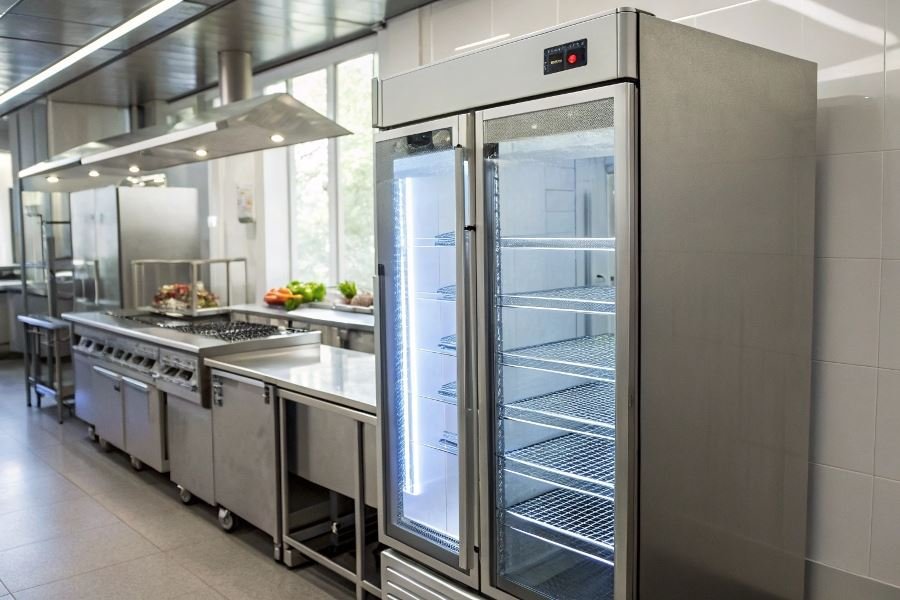
Ever wondered why pharmacies invest thousands in specialized refrigeration when a standard kitchen fridge costs a fraction of the price? The answer might save your life someday.
Behind the pristine counters of every reputable pharmacy stands an unsung hero—the pharmaceutical refrigerator. These aren’t merely cold boxes; they’re precision instruments designed to maintain the delicate chemical balance of life-saving medications. Selecting the right refrigerated cabinet for pharmaceutical storage involves navigating a complex landscape of regulatory requirements, temperature precision, and safety features that ordinary commercial refrigeration simply cannot provide.
The FDA and USP (United States Pharmacopeia) mandate strict temperature controls—typically between 36°F and 46°F (2°C-8°C)—for vaccines, insulin, biologics, and numerous other medications. Even a 3°F deviation can render a $10,000 batch of vaccines ineffective, with no visible indication of damage. This invisible degradation represents both a financial hemorrhage for pharmacies and a potential health catastrophe for patients.
“Temperature excursions don’t just affect a pharmacy’s bottom line—they can literally determine whether a medication saves a life or becomes useless in a critical moment.”
Research published in the American Journal of Health-System Pharmacy found that improper storage reduces medication efficacy by up to 34%, while certain antibiotics exposed to temperature fluctuations can develop toxic byproducts. Modern pharmaceutical refrigerators combat these risks with:
- Forced-air circulation systems that eliminate hot spots
- Digital temperature monitoring accurate to ±0.5°F
- Automatic alarm systems that alert staff before medications are compromised
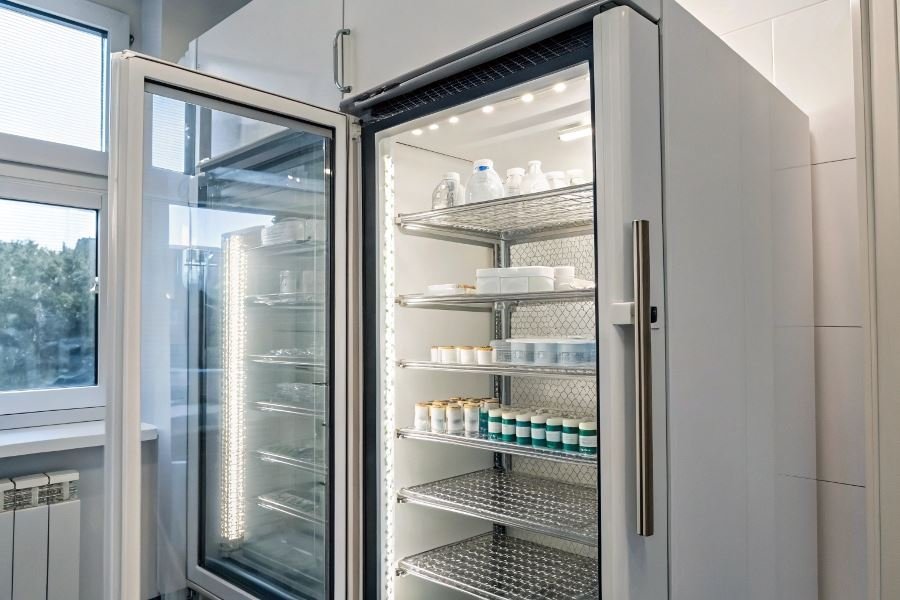
- Specialized glass doors that block UV light while allowing inventory visibility
The stakes couldn’t be higher—when selecting pharmaceutical refrigeration, pharmacists aren’t just making a business decision; they’re establishing the foundation of patient safety.
Technical Specifications That Make or Break Pharmacy Refrigeration
Selecting the right refrigerated cabinet for pharmaceutical storage isn’t just about finding something cold—it’s about precision engineering that protects sensitive medications worth thousands of dollars. When evaluating refrigerated cabinets for pharmacies, features of selection should focus on technical specifications that ensure medication efficacy and patient safety, not just aesthetic appeal or initial cost.
Temperature Precision: The Non-Negotiable Standard
The difference between 2°C and 8°C isn’t just a number—it’s the line between effective medication and waste. Modern pharmaceutical refrigerators employ multi-point temperature monitoring with digital displays accurate to ±0.5°C. The best systems from manufacturers like Follett and Helmer include:
- Continuous temperature logging with 72-hour battery backup
- Remote monitoring capabilities via Wi-Fi or Ethernet
- Automated alert systems that notify staff via text or email
- Temperature mapping technology that identifies potential hot spots
Temperature excursions don’t announce themselves. That’s why leading models now incorporate redundant sensors and calibration verification programs that document compliance with regulatory standards.
Size and Capacity: Matching Storage to Inventory Reality
Pharmaceutical inventory represents significant capital investment, making right-sizing critical. Consider these capacity factors:
| Cabinet Type | Typical Capacity | Ideal For |
|---|---|---|
| Undercounter | 2-6 cubic feet | Small pharmacies, satellite locations |
| Standard | 12-25 cubic feet | Community pharmacies, clinics |
| Pass-through | 20-45 cubic feet | Hospital pharmacies, large operations |
| Walk-in | 200+ cubic feet | Distribution centers, research facilities |
Adjustable shelving configurations have become standard, but the true innovation is in the usable space. Modern designs from Thermo Fisher Scientific maximize interior volume while maintaining temperature uniformity throughout the cabinet.
Energy Efficiency: The Long-Term Investment Calculation
The initial purchase price represents only 15-20% of a refrigeration unit’s lifetime cost. Energy consumption drives operational expenses, with significant variations between models:
- High-efficiency compressors reduce power consumption by up to 40%
- LED interior lighting generates minimal heat while improving visibility
- Microprocessor controls optimize cooling cycles based on usage patterns
- Enhanced insulation maintains temperatures longer during power outages
The most reliable units incorporate hot gas defrost systems rather than electric heating elements, reducing both energy consumption and temperature fluctuations during defrost cycles.
Operational reliability extends beyond energy efficiency. Look for cabinets with:
“The most expensive refrigerator is the one that fails with $50,000 of vaccines inside it.”
- Self-closing, magnetic-seal doors that minimize cold air loss
- Heavy-duty casters with locks for stability during inventory management
- Forced-air circulation systems that eliminate temperature stratification
- Minimal external heat output to reduce HVAC load in pharmacy environments
When evaluating refrigerated cabinets, remember that pharmaceutical storage represents a critical control point in medication management. The technical specifications aren’t just features—they’re safeguards for both inventory investment and patient outcomes.
The Smart Pharmacy Vault: Advanced Features That Matter
Digital Monitoring Systems That Never Sleep
Modern pharmaceutical refrigeration has evolved far beyond the basic cooling units of yesteryear. Today’s digital monitoring systems transform refrigerated cabinets into intelligent guardians of medication integrity. These systems continuously track temperature fluctuations with precision down to ±0.5°C, ensuring medications remain within their critical safety thresholds.
The real-time alert capabilities represent perhaps the most significant advancement. When temperatures drift outside preset parameters, these systems don’t just record the deviation—they immediately notify staff via text, email, or dedicated mobile applications. This proactive approach has reduced medication waste by up to 23% in facilities that have implemented these technologies.
Many leading models now feature cloud-based monitoring platforms that generate comprehensive compliance reports automatically. This eliminates the tedious manual temperature logging that consumed an estimated 300+ hours annually per pharmacy location.
The difference between a standard refrigerator and a pharmaceutical-grade unit with digital monitoring isn’t just about features—it’s about $50,000 worth of inventory protection.
Visibility Meets Functionality in Glass Design
The evolution of glass door technology has revolutionized how medications are stored and accessed. Modern pharmaceutical refrigerated cabinets feature multi-pane, argon-filled glass doors that maintain interior temperatures while providing crystal-clear visibility.
Interior lighting has become equally sophisticated. LED systems with customizable color temperatures (typically 3000K-5000K) illuminate products without generating heat that could compromise medication stability. Some advanced models incorporate motion sensors that activate lighting only when staff approach, reducing energy consumption by up to 35%.
The visibility factor isn’t merely aesthetic—it serves critical functional purposes:
| Glass Feature | Practical Benefit |
|---|---|
| UV filtering | Protects light-sensitive medications |
| Anti-fog coating | Maintains visibility after door opening |
| Thermal efficiency | Reduces temperature fluctuations by 40% |
| Self-closing hinges | Prevents accidental exposure |
These design elements work in concert to create an environment where inventory management becomes intuitive while maintaining strict temperature control.
Fortress-Level Security for High-Value Inventory
With pharmaceutical inventory often valued at tens of thousands of dollars per cabinet, security features have become increasingly sophisticated. Modern units incorporate multi-factor authentication systems that go far beyond simple key locks.
Biometric access controls—including fingerprint and retinal scanners—ensure only authorized personnel can access sensitive medications. These systems maintain detailed access logs, recording precisely who accessed the cabinet, when, and for how long.
For controlled substances, compartmentalized storage with individual access permissions has become standard. This allows pharmacies to implement graduated access levels based on staff credentials and responsibilities.
Remote monitoring capabilities now extend to security features as well. Integration with pharmacy management systems creates a comprehensive security ecosystem that tracks inventory in real-time, with some systems capable of detecting unusual access patterns that might indicate diversion attempts.
The most advanced models incorporate tamper-evident technology that records any unauthorized access attempts. These systems can automatically trigger security protocols, including cabinet lockdown and security notifications to management.
When selecting a refrigerated cabinet for pharmaceutical use, these three advanced feature categories—digital monitoring, optimized visibility, and robust security—represent the critical evaluation points that separate merely adequate storage from truly exceptional medication management systems.
Discover how to select pharmaceutical refrigeration cabinets that meet regulatory standards while ensuring medication safety. Learn about temperature precision, monitoring systems, and advanced features that protect your valuable inventory.
Discover how to select pharmaceutical refrigeration cabinets that meet regulatory standards while ensuring medication safety. Learn about temperature precision, monitoring systems, and advanced features that protect your valuable inventory.