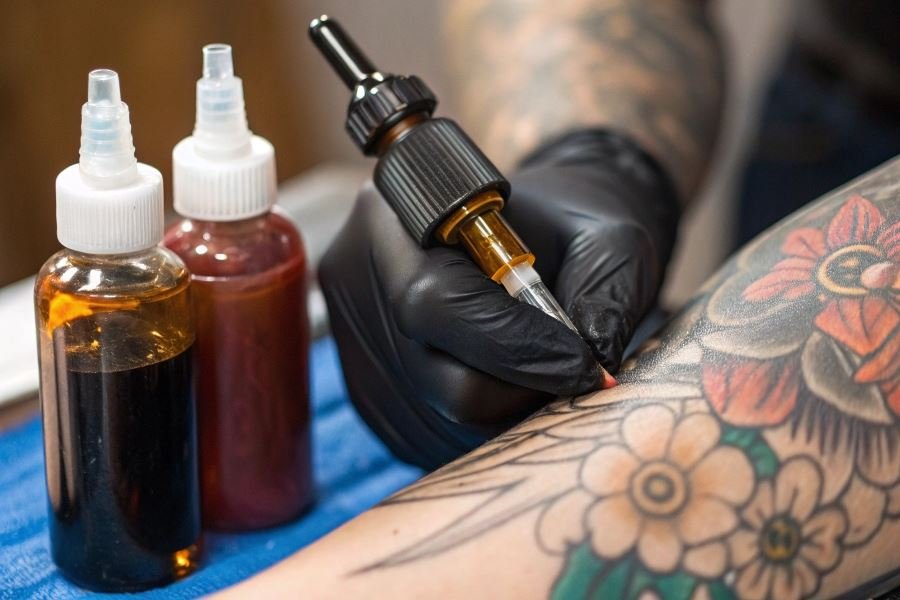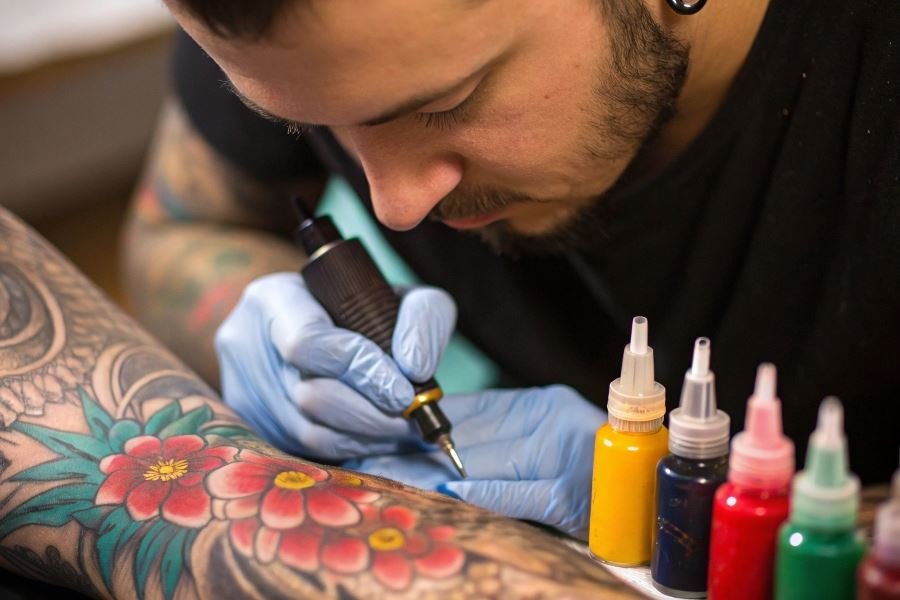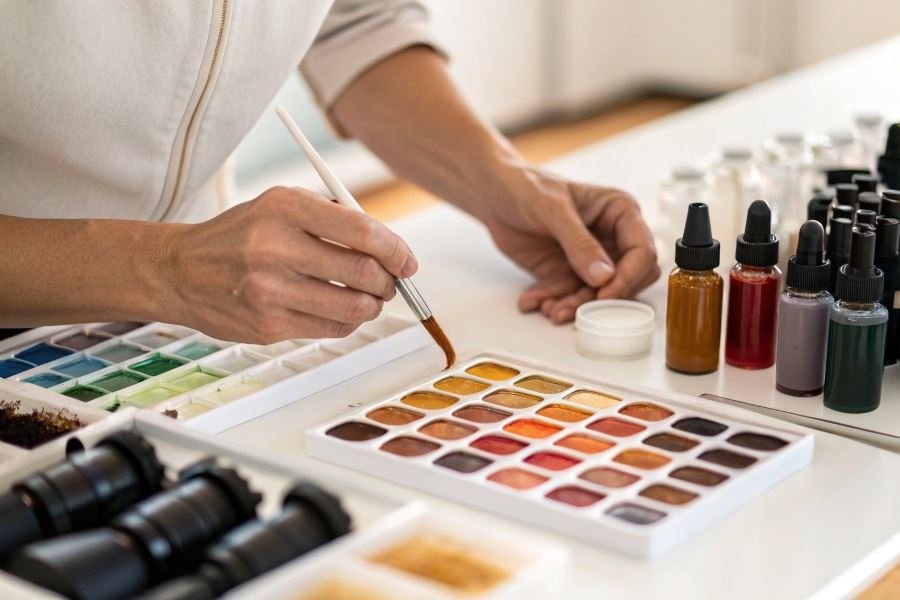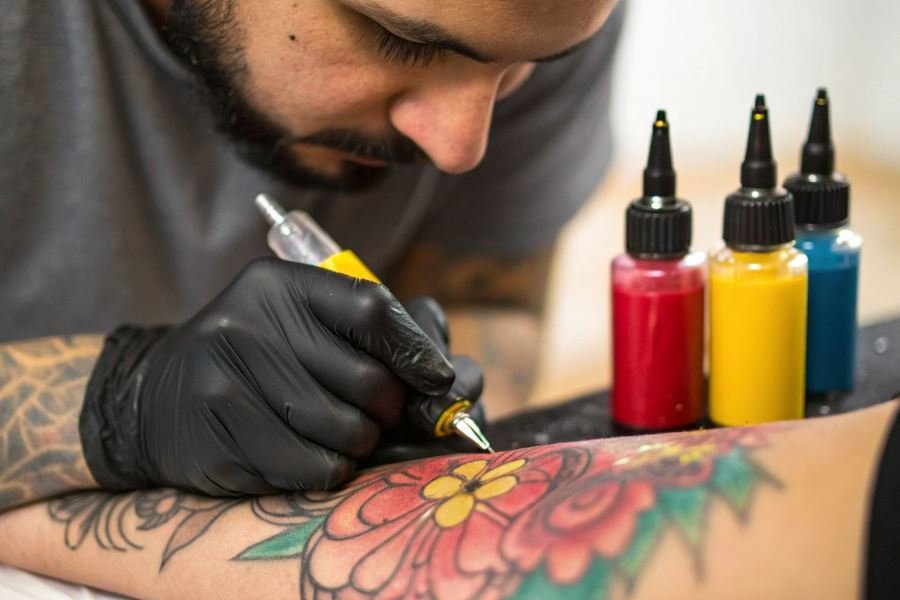
Ever wondered why some colors pop for decades while others fade within months? The answer lies not in the pigment itself, but in what holds it in place. Pigment fixers—the unsung heroes of the color world—determine whether your investment stands the test of time or washes away with the first rain.
At their core, pigment fixers are specialized chemical compounds that bond colorants to surfaces, ensuring permanence and vibrancy across diverse applications. From textile manufacturing to fine art conservation, these essential formulations prevent bleeding, fading, and color migration while enhancing resistance to environmental factors like UV exposure and moisture.
The evolution of these crucial compounds tells a fascinating story of innovation. Traditional alum-based fixers used since the 1800s have given way to sophisticated polymer-based solutions that offer superior performance with reduced environmental impact. The breakthrough development of nano-particle fixers around 2015 revolutionized the industry by providing molecular-level bonding that previously seemed impossible.
When selecting fixers, professionals prioritize three critical factors: longevity, color integrity, and application-specific performance. The best fixers maintain original hue brilliance while providing resistance to washing, light exposure, and chemical interactions. Additionally, compatibility with specific substrates—whether fabric, paper, or industrial surfaces—often determines which brand a professional chooses.
The difference between amateur and professional results often comes down to this single component that most consumers never see or consider.
Pigment Fixers That Dominate the Professional Scene
When artists and manufacturers commit to creating lasting impressions, the chemistry behind the scenes becomes critical. The most popular pigment fixer brands among professionals have earned their reputation through rigorous testing, consistent performance, and the ability to maintain vibrant colors against the harshest environmental challenges.
Elite Performers: The Longevity Champions
The professional pigment world revolves around three standout brands that have consistently delivered exceptional color retention and durability:
Chromafix Pro leads the industry with their revolutionary polymer-based fixative system. Their flagship product, the CF-5000 series, demonstrates color fastness exceeding 8.5 on the Blue Wool Scale—approximately 25-30% longer than standard fixatives. Artists working with textiles particularly value its resistance to repeated washing cycles without color bleeding.
DuraBind has built its reputation on formulations that withstand extreme UV exposure. Their Advanced Weather Shield technology incorporates nano-ceramic particles that form a protective matrix around pigment molecules. Independent testing shows their products maintain 92% color vibrancy after the equivalent of five years of outdoor exposure.
Pigment Lock rounds out the top tier with their environmentally conscious approach. Their water-based fixatives achieve remarkable permanence while maintaining VOC levels below 50g/L—significantly lower than industry standards. Their proprietary cross-linking technology creates molecular bonds that resist both chemical and mechanical degradation.
| Brand | Specialty | Color Retention (Years) | Environmental Resistance |
|---|---|---|---|
| Chromafix Pro | Textile applications | 7-10 | High moisture resistance |
| DuraBind | Outdoor applications | 5-8 | Superior UV protection |
| Pigment Lock | Eco-friendly solutions | 6-9 | Chemical resistance |
Superior Binding Properties Worth the Investment
Professional-grade fixers distinguish themselves through binding mechanisms that create permanent molecular bonds rather than surface adhesion:
Fixatex dominates the textile printing sector with their heat-activated binding agents. Their molecular structure penetrates fiber surfaces at 320°F, creating covalent bonds that become part of the fabric structure itself. This explains why their products command premium prices starting at $89 for concentrated formulations.
ColorBond Elite specializes in multi-substrate compatibility, offering fixatives that perform equally well on porous and non-porous surfaces. Their proprietary “adaptive adhesion” technology adjusts its binding mechanism based on surface characteristics, making it the go-to choice for mixed-media artists.
PermaSet has developed nano-encapsulation technology that surrounds each pigment particle with a protective shell while maintaining optical clarity. This approach prevents pigment migration while allowing maximum light reflection, resulting in colors that maintain their brilliance even after years of exposure.
Industry-Specific Solutions That Solve Unique Challenges
Different sectors demand specialized fixative properties:
The automotive finishing industry relies heavily on AutoSeal products, which incorporate ceramic-reinforced polymers capable of withstanding temperature fluctuations from -40°F to 180°F without compromising adhesion or color stability.
Fine art conservators trust MuseumGrade fixatives, which offer reversibility through specialized solvents while maintaining archival-quality protection. Their formulations are specifically engineered to prevent yellowing and maintain paper integrity over decades.
Industrial printing operations depend on InduBind systems for their high-speed compatibility and resistance to mechanical abrasion. Their rapid-cure technology allows for processing speeds up to 300 feet per minute while maintaining color fastness ratings that satisfy international standards.
The distinction between adequate and exceptional results often comes down to selecting fixatives engineered for specific applications rather than general-purpose solutions—a principle that guides professionals across industries when investing in these essential but often overlooked components of lasting color.
Making the Right Choice: Navigating Pigment Fixer Brands
Premium vs Budget: The Real Cost Equation
When evaluating pigment fixers, the price tag tells only part of the story. Premium brands like Golden and Winsor & Newton command higher prices—typically $25-45 per liter—but deliver exceptional color stability and longevity. Their concentrated formulations often mean using less product per application, extending their effective lifespan.
Budget alternatives from Liquitex or Amsterdam ($12-20 per liter) provide adequate fixation for less demanding projects. However, professionals report needing to apply multiple coats or refresh work more frequently.
The true cost-benefit analysis emerges in long-term performance:
| Brand Category | Initial Cost | Applications per Liter | Effective Cost per Project | Color Stability (Years) |
|---|---|---|---|---|
| Premium | $30-45 | 40-50 | $0.75-0.90 | 15-20+ |
| Mid-range | $18-29 | 30-40 | $0.60-0.72 | 8-15 |
| Budget | $12-17 | 20-30 | $0.60-0.85 | 5-8 |
The verdict? For exhibition-quality work or commissions, premium fixers deliver superior value despite higher upfront costs. For studies, educational purposes, or temporary installations, budget options make economic sense.
Sustainability in Pigment Fixation
Environmental consciousness has transformed the pigment fixer landscape. Industry leader Schmincke pioneered biodegradable fixatives in 2018, eliminating harmful VOCs while maintaining professional-grade performance.
The sustainability revolution isn’t just about ingredients—it’s reshaping entire production ecosystems.
Kremer Pigments now operates carbon-neutral manufacturing facilities, while Gamblin has reduced packaging waste by 40% through innovative container design and refill programs.
Sustainability leaders in the industry demonstrate commitment through:
- Water-based formulations replacing solvent-heavy traditional fixers
- Responsibly sourced raw materials with transparent supply chains
- Recyclable packaging and concentrated products reducing shipping emissions
- Manufacturing processes minimizing water usage and energy consumption
These practices don’t just benefit the environment—they often result in safer studio environments with reduced exposure to harmful chemicals.
The Future of Fixation Technology
The pigment fixation landscape continues to evolve with remarkable innovations on the horizon. Chroma is developing smart-curing fixatives that respond to environmental conditions, adjusting their properties based on humidity and temperature.
Nanotechnology is entering the fixative space, with Daniel Smith testing molecular-level bonding agents that create unprecedented adhesion between pigment and substrate without altering surface appearance.
“The next generation of fixatives will blur the line between preservation and enhancement, offering artists new dimensions of control over their materials.” – Technical Director, Pigment Research Institute
Digital integration is another frontier, with QR-embedded fixatives allowing artists to link physical works to digital authentication certificates—particularly valuable in the fine art market where provenance matters.
For professionals selecting fixers today, these emerging technologies suggest investing in brands with strong R&D departments and proven innovation histories. The fixatives of tomorrow will do more than preserve—they’ll actively contribute to artistic expression while meeting increasingly stringent environmental standards.
Discover the top 5 professional pigment fixers that deliver superior color retention and longevity. Compare leading brands trusted by industry experts for permanent, vibrant results across various applications and materials.
Discover the top 5 professional pigment fixers that deliver superior color retention and longevity. Compare leading brands trusted by industry experts for permanent, vibrant results across various applications and materials.