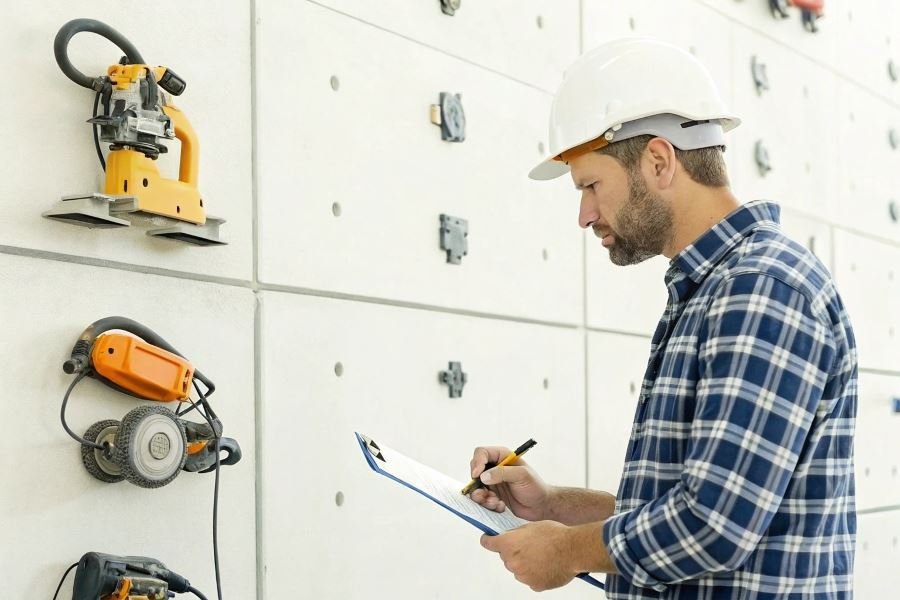
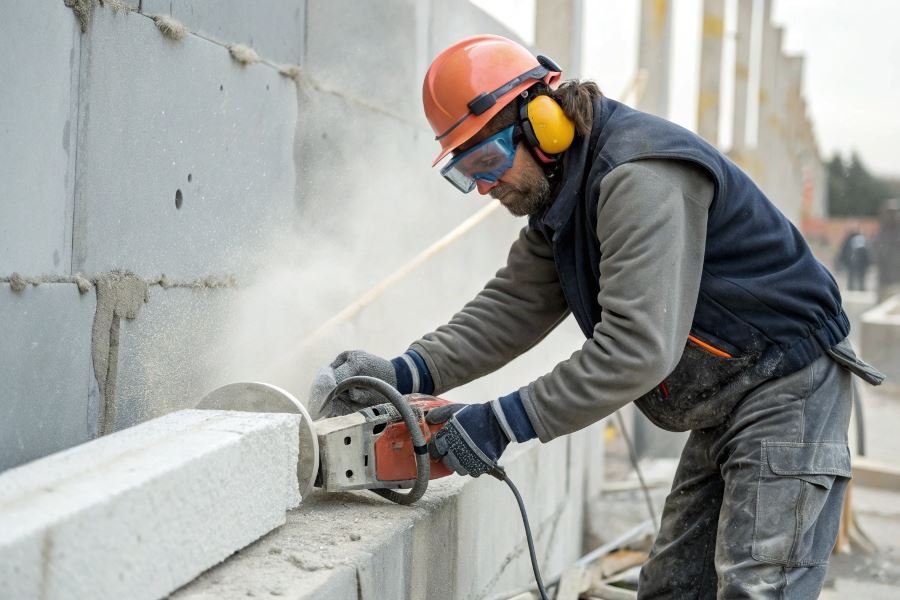
Ever watched a master craftsman slice through concrete like it’s butter? That’s the magic of portable wall cutting machines—tools that have revolutionized construction and renovation work across America. These compact powerhouses are changing how professionals approach structural modifications, creating openings with surgical precision where sledgehammers once reigned.
Portable wall cutting machines are specialized power tools designed to cut precise openings in concrete, brick, and stone walls. Unlike their stationary counterparts, these machines combine mobility with professional-grade cutting capability, featuring diamond-tipped blades that rotate at high speeds to slice through the toughest materials.
The technology has come remarkably far since the first handheld concrete saws appeared in the 1940s. What began as noisy, cumbersome tools with limited depth capacity has transformed into sophisticated equipment with advanced features like dust suppression systems, electronic cutting depth control, and even remote operation capabilities. The introduction of hydraulic and electric drives in the 1980s marked a turning point, dramatically improving both precision and operator safety.
Where precision meets necessity
Today’s portable cutters serve countless essential functions across industries:
- Renovation projects: Creating doorways and windows in existing structures
- Utility installations: Precise openings for HVAC, plumbing, and electrical systems
- Structural modifications: Controlled demolition for building expansions
- Disaster response: Rapid access through damaged concrete structures
The beauty of these machines lies in their ability to make clean, controlled cuts where traditional demolition would cause structural damage or excessive debris—a game-changer for professionals who value both efficiency and craftsmanship.
The Game-Changing Power of Portable Wall Cutters
When precision meets mobility in construction, remarkable things happen. Portable wall cutting machines have revolutionized how professionals approach structural modifications, demolition work, and renovation projects. These compact powerhouses deliver results that manual methods simply cannot match.
The evolution of construction technology has transformed what was once backbreaking labor into efficient, precise operations. Portable wall cutting machines: advantages and disadvantages must be carefully weighed when selecting equipment for construction projects, but the benefits often dramatically outweigh the limitations for professionals seeking quality results.
Surgical Precision Across Materials
Portable wall cutters achieve cutting accuracy within fractions of an inch—something unthinkable with traditional sledgehammers and chisels. The diamond-tipped blades on machines like the Husqvarna K 970 can slice through reinforced concrete with laser-like precision, creating clean edges that require minimal finishing work.
The difference becomes particularly evident when creating service openings for HVAC, plumbing, or electrical installations where exactness determines project success.
Modern wall cutters feature:
- Depth control mechanisms accurate to 1/16 inch
- Adjustable cutting angles from 0-45 degrees
- Blade stabilization technology reducing deviation
- Digital measurement systems on premium models
Time and Labor Efficiency That Transforms Projects
The efficiency gains from portable wall cutting machines translate directly to project timelines and labor costs:
| Method | Time for 3’×3’ Opening | Workers Required | Edge Quality |
|---|---|---|---|
| Manual | 4-6 hours | 2-3 | Rough, requires finishing |
| Portable Cutter | 30-45 minutes | 1 | Clean, precise |
A single operator using a Hilti DSH 700-X gas-powered cutter can accomplish what would take a team of workers half a day using traditional methods. This efficiency doesn’t just save time—it dramatically reduces labor costs while minimizing worker fatigue and injury risk.
The ROI becomes evident within just a few projects, particularly when factoring in reduced cleanup time and minimal material waste. Contractors report completing renovation projects up to 40% faster when employing portable cutting technology versus traditional methods.
Versatility That Adapts to Any Challenge
Today’s portable wall cutters handle an impressive range of materials and applications:
- Reinforced concrete up to 12 inches thick
- Brick and masonry with clean, dust-controlled cuts
- Natural stone without chipping or cracking
- Asphalt for precise utility access
This versatility extends to project types as well. The same Makita EK7651H that creates precise window openings in a residential renovation can be deployed for controlled demolition in commercial spaces or cutting expansion joints in industrial flooring.
What truly sets modern cutters apart is their adaptability to confined spaces and awkward positions—places where traditional cutting methods would be impractical or impossible.
The combination of specialized blades and adjustable cutting depths allows contractors to tackle everything from delicate historical restoration to heavy industrial modifications with a single tool platform. This adaptability translates to fewer specialized tools needed on site and greater equipment utilization rates—a significant advantage for businesses managing equipment investments.
The Hidden Costs and Limitations of Wall Cutting Machines
Portable wall cutting machines have revolutionized construction and renovation work, but they’re not without significant drawbacks. As someone who’s tracked construction technology developments for over a decade, I’ve witnessed contractors face unexpected challenges when relying solely on these powerful tools. Let’s dive into the less-discussed limitations that might influence your next equipment investment decision.
The financial equation beyond purchase price
The initial investment for quality portable wall cutting machines from manufacturers like Husqvarna or Hilti typically ranges from $2,000 to $8,000—a substantial capital outlay for small contractors. But the true cost story extends far beyond the purchase price.
Maintenance requirements create a recurring expense stream that many buyers underestimate. Diamond blades, which cost 300−800 each, require replacement after approximately 100-150 square feet of cutting in reinforced concrete. Water systems need regular cleaning to prevent mineral buildup, and motor components demand professional servicing every 100-150 operating hours.
The five-year ownership cost of a professional-grade wall cutter often exceeds three times the initial purchase price when accounting for consumables, maintenance, and downtime.
Safety considerations that cannot be overlooked
Wall cutting machines present serious safety hazards that require rigorous protocols:
Respiratory dangers: Silica dust generated during dry cutting can cause silicosis and other lung diseases. OSHA regulations mandate water-based dust suppression or vacuum systems.
Kickback risks: When blades bind in materials, the powerful torque can cause dangerous machine movement, potentially causing operator injury.
Electrical hazards: Water-cooled systems combined with electrical power create shock risks, particularly in older buildings with questionable wiring.
| Safety Concern | Required Precaution | Approximate Cost |
|---|---|---|
| Silica exposure | HEPA vacuum systems | 500−1,200 |
| Operator protection | Cut-resistant gear, face shields | 200−400 per set |
| Jobsite safety | Proper barricading, signage | 150−300 per site |
These safety measures aren’t optional extras—they’re essential investments that add to the true cost of ownership while protecting workers and ensuring regulatory compliance.
Technical limitations and alternative considerations
Despite their versatility, portable wall cutters face significant technical constraints:
-
Depth limitations: Most portable units max out at 6-10 inches cutting depth, insufficient for many structural applications.
-
Material restrictions: While excellent for concrete and masonry, these machines struggle with heavily reinforced concrete and can be damaged by unexpected embedded metals.
-
Space requirements: Even “compact” models require clearance space that tight corners and confined areas simply can’t provide.
For projects involving precision cuts in tight spaces, tools like Fein oscillating multi-tools offer better control. When dealing with heavily reinforced concrete, Brokk remote-controlled demolition robots may prove more effective and safer, despite higher rental costs.
Power supply constraints also limit portability—most professional units require 220V power sources, making them impractical for locations with limited electrical infrastructure.
The decision to purchase a portable wall cutting machine should balance these limitations against your specific project requirements, budget constraints, and long-term business strategy. Sometimes, renting specialized equipment for occasional needs proves more economical than ownership when all factors are considered.
Discover the true value of portable wall cutting machines with our comprehensive analysis of precision benefits versus cost considerations for professional construction projects.
Discover the true value of portable wall cutting machines with our comprehensive analysis of precision benefits versus cost considerations for professional construction projects.