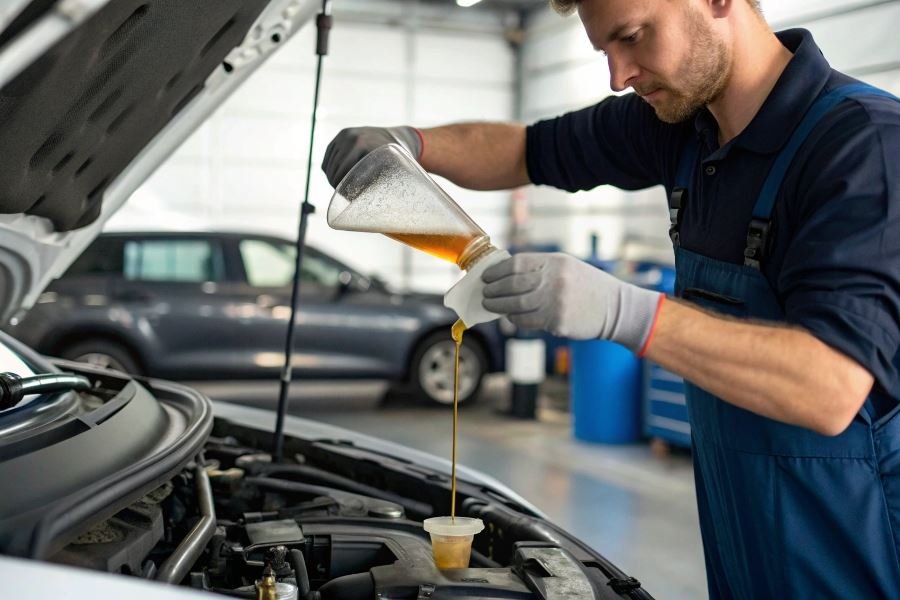
Ever watched a master mechanic pour fluid with the confidence of a surgeon? That’s no accident. In the high-stakes world of automotive maintenance, the difference between 4.5 and 5 quarts of oil isn’t just academic—it’s the difference between optimal performance and potential engine damage.
Measuring containers are the unsung heroes of every professional auto shop. These calibrated tools ensure that vehicles receive exactly what they need—no more, no less. From transmission fluid to coolant, brake fluid to power steering fluid, precision isn’t just recommended; it’s essential.
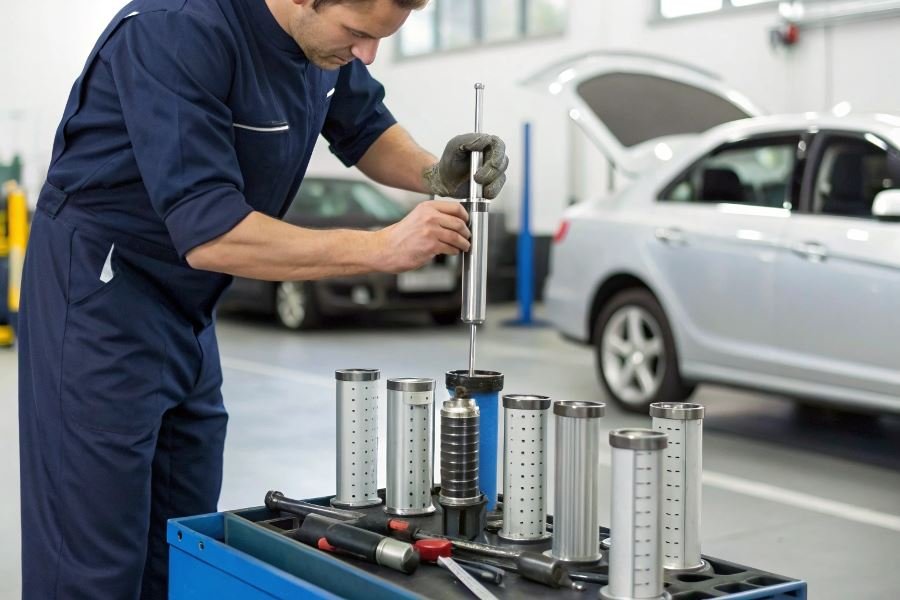
The standard arsenal includes graduated cylinders, beakers, measuring cups, and specialized fluid containers with built-in measurement indicators. Each serves a specific purpose: graduated cylinders offer laboratory-grade accuracy for critical measurements, while calibrated pitchers allow for quick pouring of larger volumes.
“The most expensive tool in your shop is the one that causes a comeback.” – Veteran mechanic wisdom
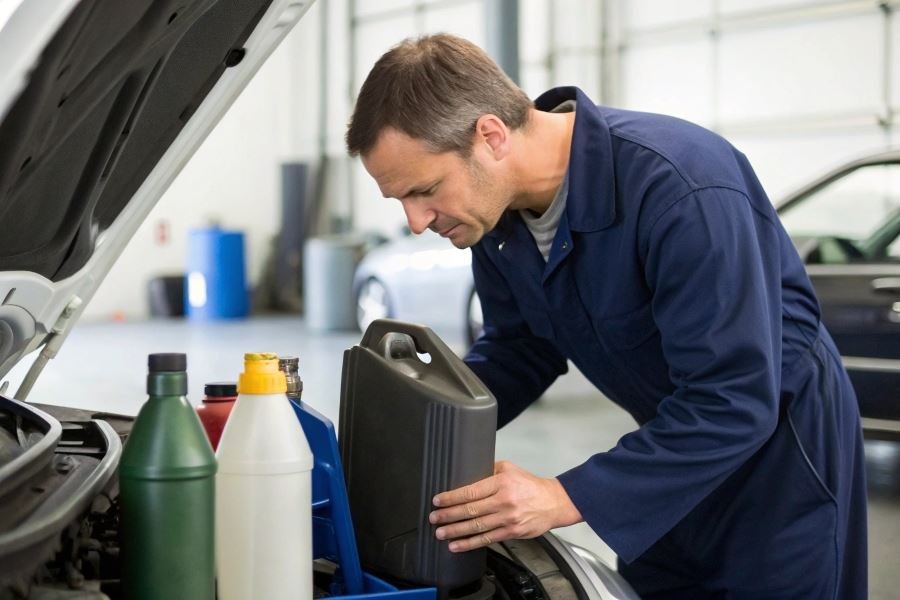
Safety considerations cannot be overstated when handling automotive fluids. Many are toxic, flammable, or environmentally hazardous. Always store measuring containers separately to prevent cross-contamination—mixing brake fluid with motor oil, for instance, can cause catastrophic system failures. Clear labeling is non-negotiable, as is proper disposal of used fluids according to EPA guidelines.
The best technicians develop a measuring system that combines accuracy with efficiency. They understand that in automotive maintenance, precision isn’t just about perfectionism—it’s about protection, performance, and professional pride.
Precision Tools for Professional Results
The difference between guesswork and excellence in auto service often comes down to measurement precision. Professional mechanics understand that accurate fluid measurements directly impact vehicle performance, longevity, and safety. The right measuring containers aren’t just tools—they’re the foundation of quality service work.
When technicians properly use measuring containers in an auto service environment, they eliminate costly errors and ensure consistent results. Each vehicle manufacturer specifies exact fluid quantities for optimal performance, making precision non-negotiable in professional settings. Let’s explore the essential measuring tools that belong in every serious auto shop.
Graduated Cylinders and Beakers: The Backbone of Precision
Graduated cylinders represent the gold standard for fluid measurement in automotive applications. These tall, narrow containers feature clearly marked volume indicators and typically offer accuracy within ±1% of the total volume. The narrow design minimizes surface area, reducing measurement errors from meniscus misreading.
Key features to look for:
- Borosilicate glass or high-density polyethylene construction
- Clear, permanent volume markings
- Stable base to prevent tipping
- Chemical resistance appropriate for automotive fluids
Beakers complement cylinders with their wider openings and pouring spouts, making them ideal for mixing fluids or temporary storage. While slightly less precise than cylinders, quality beakers still provide accuracy suitable for most automotive applications.
Specialized Containers for Different Automotive Fluids
Different automotive fluids demand specialized handling and measurement approaches:
| Fluid Type | Recommended Container | Special Considerations |
|---|---|---|
| Engine Oil | Calibrated oil pitchers | Temperature-resistant, wide pour spout |
| Transmission Fluid | Narrow-neck graduated cylinders | Heat-resistant, chemical-resistant |
| Brake Fluid | Dedicated plastic containers | Must prevent moisture absorption |
| Coolant | Chemical-resistant beakers | Measurement at room temperature for accuracy |
Never use the same measuring containers across different fluid types. Cross-contamination can cause serious vehicle damage and compromise safety systems. Color-coding containers by fluid type creates an additional safeguard against mixing errors.
Digital Measuring Tools: Precision Meets Efficiency
Digital measuring technology has revolutionized fluid handling in modern auto service facilities. These advanced tools combine exceptional accuracy with workflow improvements that traditional containers can’t match.
Standout digital measurement innovations include:
- Digital flow meters from Graco that measure fluid dispensing in real-time with ±0.5% accuracy
- Programmable fluid dispensers that automatically stop at preset volumes
- Bluetooth-enabled measurement systems that integrate with shop management software
- Digital hydrometers for testing coolant and battery fluid specific gravity
The initial investment in digital measurement technology typically pays for itself through reduced waste, improved efficiency, and elimination of costly over/under-filling errors. Many modern systems also provide documentation capabilities that support quality control processes and warranty validation.
By investing in quality measuring containers and following manufacturer specifications, technicians ensure vehicles receive exactly what they need—no more, no less. This precision approach separates professional service from amateur guesswork.
Precision Matters: Mastering Measuring Containers in Auto Service
The foundation of measurement excellence
Precision in fluid management isn’t just good practice—it’s the difference between an engine that purrs and one that fails prematurely. Auto service professionals who master measuring container protocols deliver consistently superior results. The cornerstone of this mastery begins with impeccable cleaning and maintenance routines.
Every measuring container in your shop should undergo a thorough cleaning after each use. Residual fluids can contaminate subsequent measurements, potentially introducing incompatible chemicals into vehicle systems. For plastic containers, use mild detergents and warm water, avoiding harsh solvents that might degrade the material and affect measurement accuracy. Metal containers often benefit from specialized cleaning solutions that prevent oxidation while maintaining calibration integrity.
Pro tip: Dedicate specific measuring containers to particular fluids. Color-coding your equipment (red for transmission fluid, blue for coolant, etc.) dramatically reduces cross-contamination risk and streamlines workflow efficiency.
Storage matters too. Keep measuring equipment in climate-controlled environments away from direct sunlight. UV exposure degrades plastic containers over time, creating microscopic surface changes that affect measurement accuracy. Hanging systems that allow containers to fully drain between uses prevent residue buildup that can skew future measurements.
Calibration: The science of certainty
Even the highest-quality measuring containers require regular calibration checks. Environmental factors, repeated use, and material aging all contribute to measurement drift over time.
For volume verification, the weight-to-volume method remains the gold standard. Using distilled water at room temperature (which weighs approximately 8.34 pounds per gallon), you can verify container accuracy with a precision scale. This method allows detection of deviations as small as 0.5%.
Calibration frequency should increase with usage intensity—high-volume shops should verify equipment monthly, while quarterly checks suffice for lower-volume operations.
| Container Type | Recommended Calibration Frequency | Acceptable Deviation |
|---|---|---|
| Precision beakers | Monthly | ±0.5% |
| Standard measuring cups | Quarterly | ±2% |
| Graduated cylinders | Bi-monthly | ±1% |
| Digital fluid dispensers | Semi-annually (with software updates) | ±0.25% |
When calibration reveals inaccuracies beyond acceptable thresholds, replacement is often more cost-effective than adjustment, particularly for plastic containers which may have undergone structural changes.
Documentation: Converting measurements to mastery
The final component of measurement excellence lies in comprehensive record-keeping. Documentation transforms individual measurements into valuable operational intelligence.
Modern shops leverage digital systems like Mitchell 1 or ALLDATA to track fluid quantities by vehicle and service type. These platforms allow technicians to compare actual usage against manufacturer specifications, identifying potential issues before they become customer complaints.
For each service requiring fluid measurement, document:
- Pre-service fluid levels (when applicable)
- Quantity added/replaced
- Batch numbers of fluids used
- Measuring equipment employed
- Technician responsible
- Date and environmental conditions
Measurement anomalies deserve special attention. When a vehicle requires significantly more or less fluid than specifications suggest, this often indicates underlying issues requiring investigation. Thorough documentation creates a diagnostic trail that improves both service quality and shop profitability.
By implementing these rigorous standards for cleaning, calibration, and documentation, your measuring containers become precision instruments that elevate every aspect of your auto service operation. The result? Consistent quality that builds customer trust and protects vehicle performance.
Discover essential techniques for precise fluid measurements in your auto shop. Learn about specialized containers, digital tools, and best practices for handling oil, coolant, and brake fluid with professional accuracy.
Discover essential techniques for precise fluid measurements in your auto shop. Learn about specialized containers, digital tools, and best practices for handling oil, coolant, and brake fluid with professional accuracy.