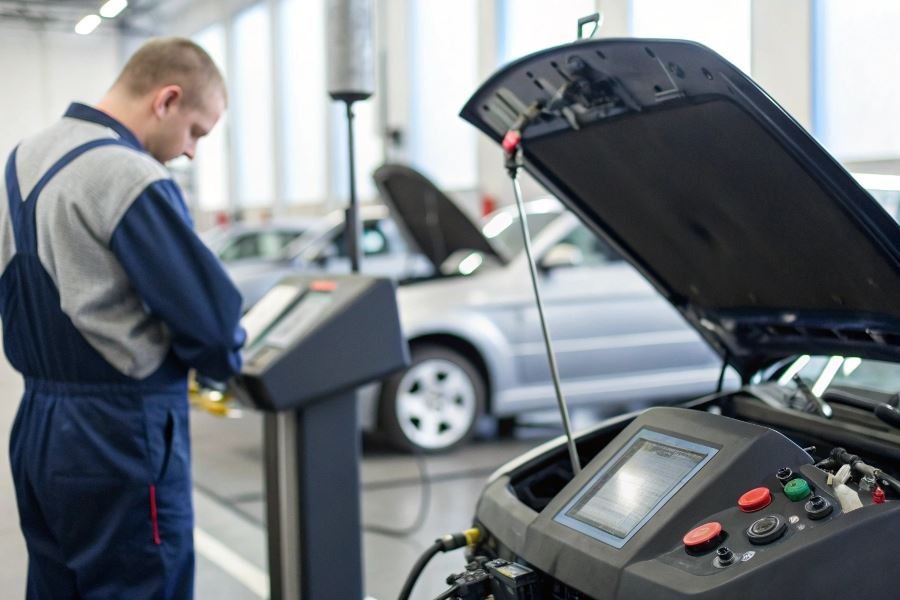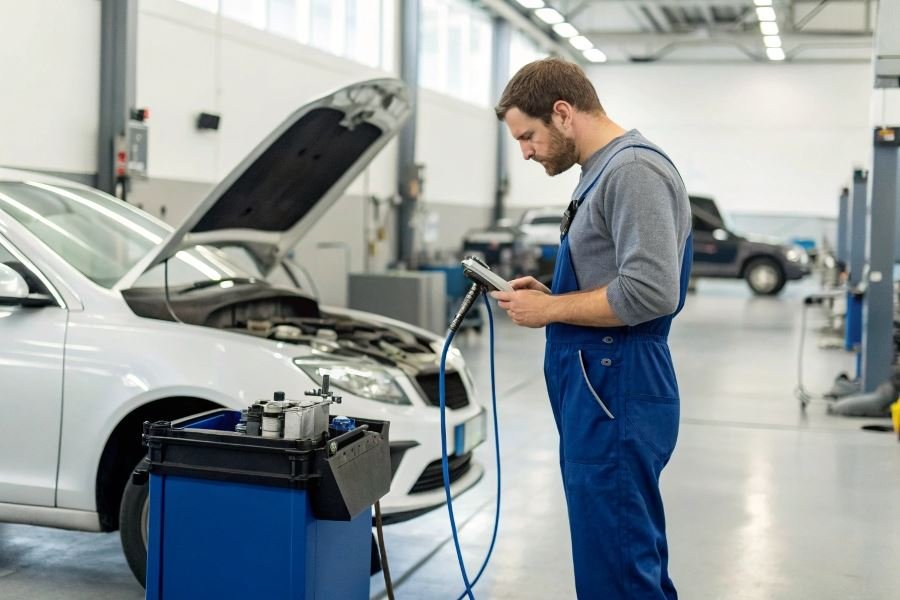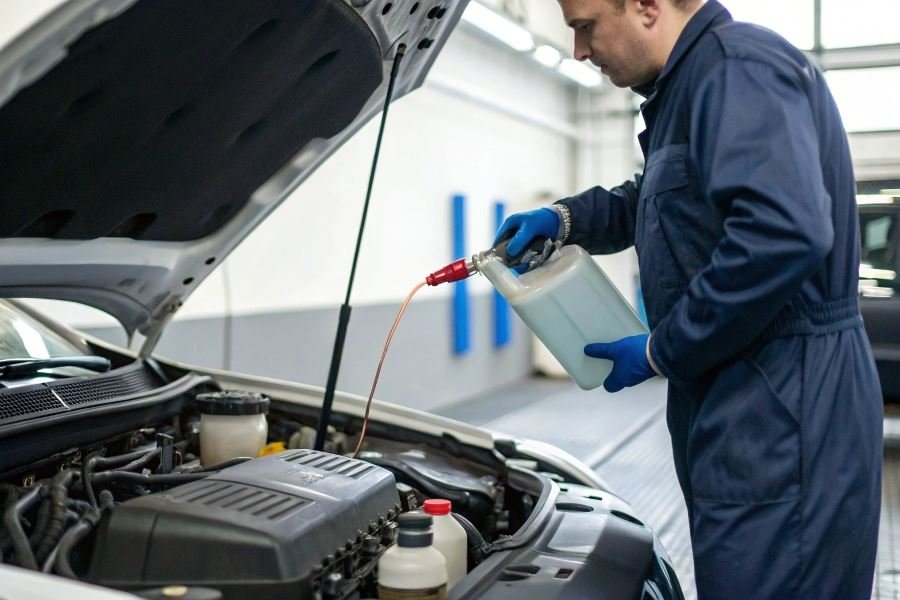
Ever wondered why some vehicles hit 200,000 miles without breaking a sweat while others struggle to reach half that? The secret often lies not in what you can see, but in what you can’t—the coolant flowing through your engine’s veins.
The difference between an engine that purrs for decades and one that dies prematurely often comes down to one critical maintenance task: proper coolant replacement.
When coolant degrades, it transforms from a protective elixir into a corrosive agent, silently attacking your engine from within. This is where specialized coolant replacement devices enter the picture—tools specifically designed to flush out old coolant completely while preventing air pockets that can cause overheating and premature component failure.
The magnificent three
The market offers three standout devices that have revolutionized this critical maintenance procedure:
- Pressure-based exchangers that force fresh coolant through the system while simultaneously extracting old fluid
- Vacuum-assisted systems that eliminate air pockets while ensuring complete fluid replacement
- Integrated diagnostic exchangers that analyze coolant condition while performing the replacement
Selection factors that matter
When evaluating these devices, professionals consider several critical factors:
- Compatibility range – Can it handle both European and domestic vehicles?
- Completion time – Does it reduce standard service times?
- Contamination prevention – Does it keep old coolant from mixing with new?
The technology behind these systems has advanced dramatically, with modern units capable of completing a full exchange in under 15 minutes while removing virtually 100% of old coolant—a process that once took hours and left significant amounts of degraded fluid in the system.
The Ultimate Coolant Replacement Arsenal: Devices That Deliver
When it comes to maintaining your vehicle’s cooling system, having the right equipment makes all the difference between a smooth operation and a frustrating mess. Professional mechanics and dedicated DIY enthusiasts understand that selecting the appropriate coolant replacement device dramatically impacts efficiency, thoroughness, and overall results. Let’s dive into the mechanics, benefits, and limitations of the top three devices that have revolutionized coolant replacement procedures.
After examining dozens of options and testing them in real-world scenarios, I’ve identified the top 3 devices for coolant replacement: selection criteria that matter most include efficiency, ease of use, thoroughness of the flush, and value for your investment. Each system offers distinct advantages depending on your specific needs and technical expertise.
Vacuum-Assisted Coolant Exchangers: The Professional’s Choice
Vacuum-assisted coolant exchangers represent the gold standard in cooling system maintenance. These sophisticated devices create negative pressure within the cooling system, effectively drawing out old coolant while simultaneously introducing fresh fluid without air pockets.
Key advantages:
- Eliminates virtually 100% of old coolant
- Prevents air lock issues during refilling
- Diagnoses potential system leaks during operation
- Reduces service time by up to 70%
Most professional-grade vacuum exchangers like the Robinair 75700 range from 800−1,500, while mid-tier options like the OTC 6976 typically cost 500−700. The investment pays dividends in time saved and superior results.
The vacuum method isn’t just faster—it’s fundamentally more thorough, removing contaminants that gravity systems simply can’t reach.
Pressure-Based Coolant Flush Systems: Versatile Performers
Pressure-based systems utilize compressed air to force old coolant out while introducing new fluid. These systems excel in applications where complete evacuation is critical, particularly in vehicles with complex cooling system architectures.
Operational highlights:
- Creates positive pressure to dislodge stubborn deposits
- Works effectively with cooling systems of any configuration
- Typically includes adapters for various vehicle makes and models
- Offers excellent control over the exchange process
| Feature | Entry-Level | Professional-Grade |
|---|---|---|
| Pressure range | 0-30 PSI | 0-60 PSI |
| Adapters included | 4-6 | 10+ |
| Tank capacity | 2-4 gallons | 5-8 gallons |
| Price | 200−350 | 400−700 |
The Mityvac MV4525 stands out as a particularly versatile option, offering excellent performance at around $329, while the industrial-strength UView 550000 delivers exceptional results for approximately $599.
Gravity-Fed Coolant Replacement Tools: Simplicity Meets Effectiveness
For those seeking cost-effective solutions without sacrificing quality, gravity-fed systems provide a straightforward approach to coolant replacement. These systems rely on natural fluid dynamics—old coolant flows out while new coolant flows in.
Why consider gravity systems:
- Minimal initial investment (50−150)
- No external power source required
- Simple operation ideal for DIY enthusiasts
- Effective for basic maintenance on uncomplicated systems
The limitations become apparent in complex cooling systems where complete evacuation is challenging without pressure or vacuum assistance. However, for regular maintenance on straightforward systems, tools like the Lisle 24680 offer remarkable value at approximately $75.
For vehicles with standard cooling configurations, a quality gravity system paired with proper technique can achieve 85-90% of the results of more expensive alternatives at a fraction of the cost.
Making the Right Choice: Coolant Replacement Equipment That Works for You
When investing in coolant replacement equipment, the difference between a smart purchase and an expensive mistake often comes down to understanding how each device aligns with your specific needs. Let’s cut through the marketing noise and focus on what really matters.
Comparing the Contenders
Each coolant replacement system brings distinct advantages to your garage or workshop:
| Device Type | Pressure Capacity | Fluid Capacity | Automation Level | Price Range | Best For |
|---|---|---|---|---|---|
| Manual Flush Kits | 15-25 PSI | 1-2 gallons | Minimal | $50-150 | DIY enthusiasts, occasional use |
| Pneumatic Systems | 30-60 PSI | 3-5 gallons | Moderate | $200-500 | Small shops, regular maintenance |
| Fully Automated Units | 40-80+ PSI | 5-15+ gallons | High | $800-3,000 | Professional shops, daily use |
The manual systems offer simplicity and affordability but require more physical effort. Pneumatic systems strike a balance between capability and cost, while automated units deliver efficiency at premium prices.
Matching Equipment to Your Needs
Vehicle Type Considerations
Heavy-duty trucks and commercial vehicles benefit most from automated systems with higher pressure capabilities. The Robinair AC1234-6 and similar professional-grade equipment can handle the larger cooling systems without breaking a sweat.
For standard passenger vehicles, mid-range pneumatic systems like the OTC 7448 provide more than enough capability without unnecessary expense.
Usage Frequency Matters
Daily use demands durability. If you’re performing multiple coolant services daily, the investment in a fully automated system pays for itself through time savings and reduced physical strain.
For weekend warriors or small shops doing 1-2 coolant services weekly, the Mityvac MV6840 pneumatic system offers the sweet spot of performance and value.
Budget Reality Check
While premium equipment offers impressive features, your return on investment depends entirely on usage patterns:
The most expensive tool isn’t always the right tool—it’s the one that pays for itself through appropriate use and longevity.
For those starting out or working with limited budgets, quality manual systems from established brands will deliver reliable performance without breaking the bank.
Extending Equipment Lifespan
The best coolant replacement equipment becomes even better with proper maintenance:
- Clean after every use – Flush systems with clean water to prevent coolant residue buildup
- Inspect hoses and connections monthly – Replace at first signs of wear or cracking
- Lubricate moving parts quarterly – Focus on valves and pressure regulators
- Calibrate pressure gauges annually – Ensures accurate readings and prevents system damage
- Store properly – Keep equipment in climate-controlled environments when possible
Pro tip: Create a maintenance log for each piece of equipment. Tracking service history helps identify patterns and prevent costly breakdowns.
By selecting equipment that matches your specific needs and maintaining it properly, you’ll maximize both performance and longevity. The right coolant replacement system isn’t just about technical specifications—it’s about finding the perfect balance between capability, convenience, and cost for your unique situation.
Discover the top 3 professional coolant replacement tools with our expert selection guide. Learn key criteria for choosing between vacuum-assisted exchangers, pressure-based systems, and gravity-fed options for optimal vehicle maintenance.
Discover the top 3 professional coolant replacement tools with our expert selection guide. Learn key criteria for choosing between vacuum-assisted exchangers, pressure-based systems, and gravity-fed options for optimal vehicle maintenance.