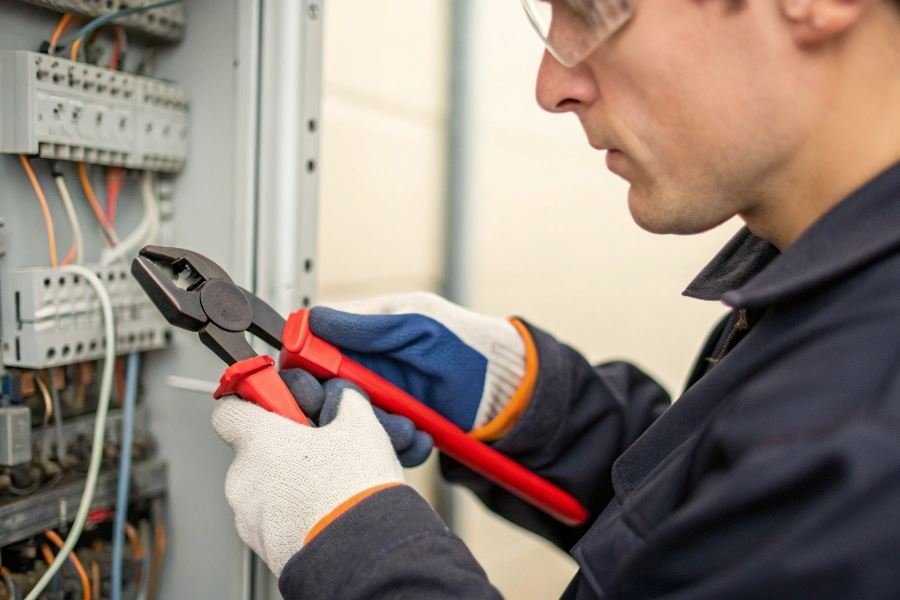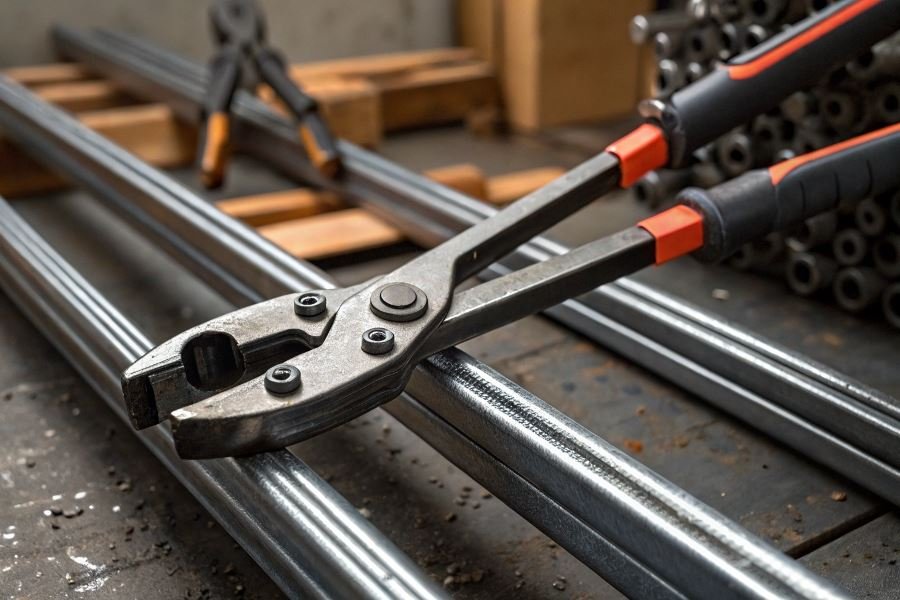
Ever watched a firefighter slice through a padlock in seconds during an emergency? That’s the power of professional-grade bolt cutters at work—tools that can mean the difference between success and failure when precision cutting matters most.
Professional bolt cutters aren’t just larger versions of hardware store varieties. They represent specialized equipment engineered for consistent performance under demanding conditions. From construction sites to emergency services, these tools serve as critical assets across numerous industries. Locksmiths rely on them for non-destructive entry, utility workers use them to cut chain-link fencing, and railway maintenance crews depend on them for track work.
What separates professional bolt cutters from amateur tools? Three critical factors: cutting capacity, durability, and ergonomics. Professional models typically feature hardened alloy steel jaws capable of slicing through materials up to 3/8″ thick with minimal effort. Their handles are designed for optimal leverage—converting modest hand pressure into tremendous cutting force.
“The right bolt cutter isn’t just about raw power; it’s about precision, control, and longevity under daily use.”
When investing in professional bolt cutters, consider your specific application requirements. Will you be cutting hardened steel regularly? Do you need compact cutters for tight spaces? Is weight a concern for all-day use? The answers to these questions will guide you toward the ideal tool that balances power, portability, and performance—ensuring you’re equipped to handle whatever cutting challenges your profession demands.
The Professional’s Guide to Bolt Cutter Selection
When precision cutting meets brute force, professionals need tools that deliver without compromise. Bolt cutters represent that perfect intersection of leverage and cutting power that can make or break your efficiency on the job. The difference between struggling with a cut and slicing through like butter often comes down to three critical factors that seasoned professionals never overlook.
Selecting the right bolt cutters for professional use requires understanding the mechanical advantages that separate premium tools from hardware store bargains. The science behind effective cutting tools isn’t complicated, but it demands attention to specific design elements that directly impact performance in high-demand environments. Professional-grade cutters transform challenging cutting tasks into routine operations when you prioritize the right specifications.
Cutting Capacity and Jaw Design
The heart of any bolt cutter lies in its jaws—the business end that determines what materials you can effectively cut. Professional-grade cutters typically feature hardened alloy steel jaws with Rockwell hardness ratings between 58-62 HRC, providing the ideal balance of edge retention and durability.
Jaw configurations matter significantly:
- Center-cut jaws excel at general-purpose cutting
- Shear-cut (offset) jaws reduce required force by up to 30%
- Clipper-style jaws provide clean cuts on softer materials
The cutting capacity, measured in material diameter and hardness, should match your typical workload. For instance, a 36-inch bolt cutter with center-cut jaws can typically handle medium-carbon steel up to 3/8 inch, while high-leverage models can manage hardened steel up to 1/2 inch.
| Jaw Type | Best Application | Typical Max Capacity |
|---|---|---|
| Center-cut | General purpose | Medium carbon steel up to 3/8″ |
| Shear-cut | Hardened materials | Hardened steel up to 1/2″ |
| Clipper | Soft materials | Non-ferrous metals up to 5/8″ |
Handle Length and Leverage Mechanics
Physics doesn’t lie—longer handles create greater leverage, which translates directly to cutting power. The mechanical advantage of bolt cutters increases exponentially with handle length, following a simple principle: the force applied to the handles is multiplied at the cutting edge.
A 14-inch bolt cutter might require 50 pounds of hand pressure to cut through material that a 36-inch model cuts with just 12 pounds of pressure.
Professional considerations for handle design include:
- Compound action mechanisms that multiply force through multiple pivot points
- Handle-to-jaw ratio (typically 12:1 in professional models)
- Grip ergonomics that prevent hand fatigue during extended use
The optimal handle length balances portability with the cutting power required for your application. For daily cutting of hardened materials, investing in longer handles pays dividends in reduced physical strain and increased productivity.
Material Quality and Durability
Professional environments demand tools that withstand punishment. Premium bolt cutters feature:
- Forged alloy steel heads that resist deformation under extreme pressure
- Chrome molybdenum steel jaws that maintain edge sharpness through thousands of cuts
- Powder-coated or epoxy-finished bodies that resist corrosion in harsh environments
The connection points between components reveal true quality. Look for bolt cutters from manufacturers like HK Porter or Knipex that feature precision-machined pivot bolts and replaceable cutting edges.
The difference between economy and professional-grade often becomes apparent after just 100 cuts, when cheaper models begin to develop jaw misalignment and handle flex.
Investing in quality materials pays off through consistent performance and significantly longer service life—often measured in decades rather than years for daily-use tools in professional settings.
Professional Bolt Cutters: Beyond Basic Cutting Power
When precision meets power in the world of bolt cutters, professionals understand that selecting the right tool transcends basic specifications. The difference between struggling through a workday and efficiently completing tasks often lies in the nuanced features that transform a simple cutting tool into an extension of your expertise.
Ergonomics that prevent fatigue
Professional bolt cutters demand extended use, making ergonomic design not just a luxury but a necessity. The handle configuration significantly impacts user comfort and cutting efficiency. Compound leverage systems multiply force while reducing hand strain—a critical feature when facing dozens of cuts daily.
Premium models from brands like KNIPEX and HK Porter incorporate cushioned grips with non-slip materials that maintain tactile control even in wet conditions. The optimal handle length-to-jaw ratio creates mechanical advantage while maintaining maneuverability in tight spaces.
The difference between amateur and professional-grade ergonomics becomes apparent after the twentieth cut of the day, not the second.
Jaw configurations for specialized applications
Professional environments demand specialized cutting capabilities beyond the one-size-fits-all approach.
| Jaw Type | Ideal Application | Distinctive Features |
|---|---|---|
| Center-cut | General purpose, medium-hardness materials | Balanced cutting pressure, versatile |
| Angled | Flush cutting against surfaces | Offset design, precision placement |
| Shear-type | High-tensile materials, clean cuts | Blade-like action, reduced material deformation |
| Clipper | Wire rope and cables | Curved cutting edges, prevents fraying |
Material composition of jaws directly impacts performance longevity. Chrome molybdenum steel jaws offer superior hardness while maintaining enough ductility to prevent chipping when cutting hardened materials. Milwaukee Tool offers bolt cutters with replaceable jaw inserts—a feature that extends tool life considerably in professional settings.
Maintenance requirements and value assessment
Professional bolt cutters represent a significant investment that demands proper maintenance protocols. The pivot points require regular lubrication with high-quality penetrating oil to maintain smooth operation and prevent metal-on-metal wear.
Edge maintenance varies by jaw type:
- Shear-type jaws benefit from occasional honing with a fine file
- Center-cut designs typically require professional resharpening
- Hardened jaws with carbide inserts need minimal edge maintenance but eventual replacement
Long-term value assessment extends beyond initial purchase price. Consider these factors:
- Replacement part availability
- Manufacturer warranty terms
- Service life expectancy under professional use conditions
- Versatility across multiple applications
RIDGID offers lifetime warranties on many professional cutting tools—a significant value consideration when calculating cost-per-use over a tool’s lifespan.
The most valuable professional bolt cutters balance initial investment against projected service life. A $200 tool that lasts five years of daily use represents better value than a $75 option requiring replacement annually. Professional tools aren’t expenses—they’re investments in productivity that pay dividends with each successful cut.
Discover how to select professional bolt cutters with optimal cutting capacity, leverage, and durability. Learn about specialized jaw designs and ergonomic features that maximize efficiency for demanding industrial applications.
Discover how to select professional bolt cutters with optimal cutting capacity, leverage, and durability. Learn about specialized jaw designs and ergonomic features that maximize efficiency for demanding industrial applications.