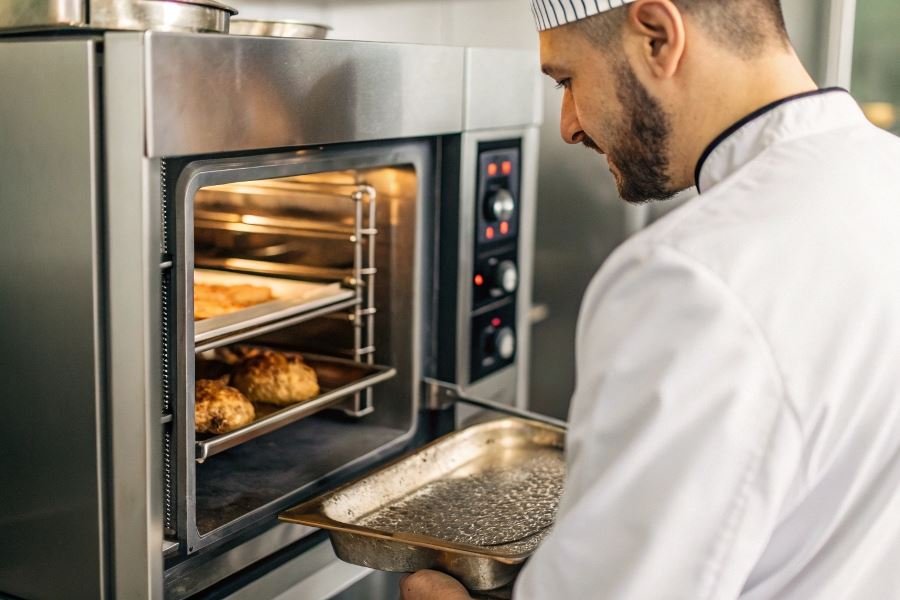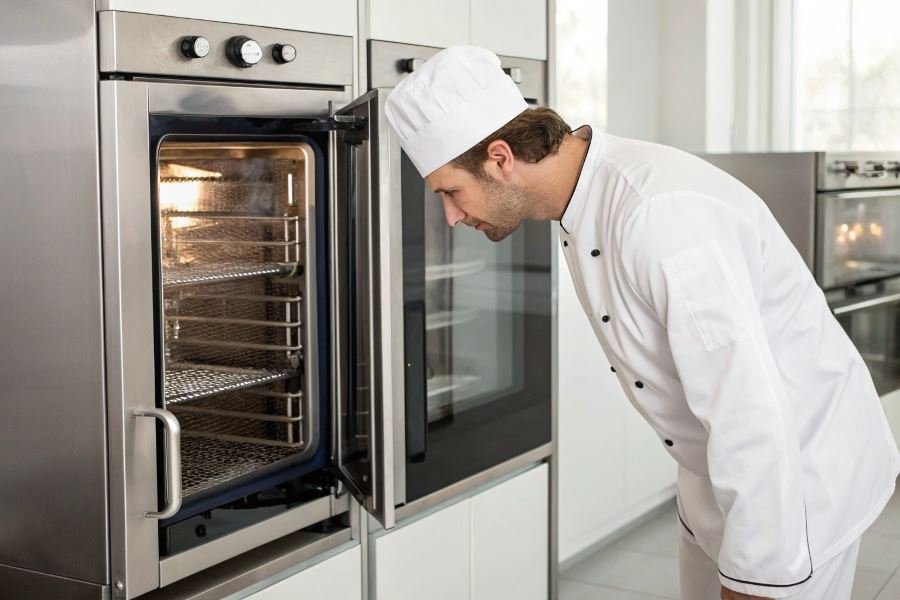
The sizzle of a perfectly seared steak. The golden crust of artisanal bread. The delicate texture of steamed vegetables that retain both nutrients and vibrant color. Behind these culinary triumphs stands an unsung hero of modern kitchens: steam convection technology.
Professional kitchens have undergone a remarkable transformation since the days of coal-fired ranges and manual temperature control. The introduction of steam convection ovens in the 1970s marked a watershed moment, with manufacturers like Rational and Alto-Shaam pioneering systems that would forever change how chefs approach precision cooking. Today’s debate between boiler and injector steam systems represents the culmination of decades of engineering refinement.
Understanding the fundamental difference between boiler and injector steam convection ovens is crucial for any commercial kitchen investment. Boiler systems generate steam in a separate chamber before introducing it to the cooking cavity, while injector systems create steam directly inside the cooking environment by spraying water onto heating elements. This distinction affects everything from humidity control to maintenance requirements.
The terminology can be intimidating at first: BTU ratings, steam saturation percentages, recovery times. But mastering these concepts translates directly to food quality. When a kitchen operates at peak efficiency with the right steam technology, the results speak for themselves—consistent output, reduced cooking times, and preservation of flavors that would otherwise be lost in conventional cooking methods.
“The choice between boiler and injector systems isn’t just technical—it’s about matching technology to your culinary vision.”
The Ultimate Showdown: Boiler vs Injector Steam Ovens
Steam Generation: The Heart of the Matter
The fundamental distinction between boiler and injector steam convection ovens lies in how they create the steam that transforms ordinary baking into culinary magic. Boiler systems utilize dedicated steam generators—essentially mini boilers—that heat water to create pressurized steam before introducing it into the cooking chamber. This method produces consistent, high-volume steam regardless of cavity temperature.
When examining boiler and injector steam convection ovens: what is the difference becomes most apparent in their core technology. Injector systems (sometimes called “direct” or “spray” systems) operate by spraying water directly onto heating elements or hot surfaces within the oven cavity. This simpler approach creates steam on-demand but depends heavily on the oven’s current temperature and heating capacity.
Boiler systems excel in environments requiring constant, high-volume steam production, such as bakeries producing artisanal bread where crust development demands precise humidity control. The Rational iCombi Pro exemplifies this technology with its dedicated steam generator capable of maintaining 100% humidity even at maximum load.
Performance Characteristics That Define Excellence
Humidity Control
| System Type | Humidity Range | Response Time | Consistency |
|---|---|---|---|
| Boiler | 30-100% | 15-30 seconds | Highly consistent |
| Injector | 20-90% | 45-90 seconds | Variable |
Boiler systems offer superior humidity precision, typically maintaining settings within ±2%, while injector systems may fluctuate by ±7-10% during intensive cooking cycles. This precision becomes critical when preparing delicate items like custards or soufflés.
Temperature Recovery and Precision
The recovery time—how quickly an oven returns to set temperature after door opening—reveals another crucial difference. Boiler systems typically recover 25-40% faster than comparable injector models. The Alto-Shaam Combitherm with boiler technology demonstrates this advantage with recovery times averaging just 90 seconds after a 15-second door opening.
Chef’s insight: Temperature precision in steam ovens isn’t just about cooking speed—it’s about food quality. A 5°F fluctuation can mean the difference between perfectly moist salmon and a dry, overcooked disappointment.
Energy Efficiency and Operational Economics
The operational cost analysis reveals fascinating contrasts. Boiler systems typically:
- Consume 15-20% more energy during initial startup
- Require water quality management systems (adding $200-500 to installation)
- Need descaling maintenance every 3-6 months
However, they often prove more economical for high-volume operations. The Convotherm 4 boiler-equipped models demonstrate this with energy savings of approximately $720 annually in bakery environments running 12+ hours daily.
Injector systems present compelling advantages for intermittent use scenarios:
- 40% faster startup times from cold
- Simpler maintenance requirements
- Lower initial purchase costs (typically $2,000-4,000 less)
The efficiency equation ultimately depends on usage patterns. Operations running continuous production benefit from boiler systems’ consistent performance, while kitchens with varied menu items and intermittent steam needs often find injector systems more economical despite their performance limitations.
Making the Right Choice: Boiler vs Injector Steam Ovens
Matching Technology to Cooking Demands
The decision between boiler and injector steam convection ovens ultimately comes down to your specific cooking requirements. Boiler-based systems excel in high-volume operations where consistent steam saturation is non-negotiable. Professional bakeries producing artisanal bread benefit tremendously from boiler systems, as the steady steam environment creates that perfect crisp crust while maintaining a moist interior.
Restaurants serving delicate fish dishes or specialized pastries find that Rational boiler-based combi ovens deliver the precise humidity control needed for these temperature-sensitive items. The ability to maintain 100% steam saturation makes boiler systems ideal for:
- High-volume bakeries producing 200+ loaves daily
- Fine dining establishments requiring precise cooking parameters
- Healthcare facilities serving hundreds of meals with consistent quality
- Large hotels with banquet operations
Injector systems shine in versatile cooking environments where menu items change frequently. Fast-casual restaurants using Alto-Shaam injector ovens appreciate the quick recovery between cooking cycles and the ability to shift from steaming vegetables to roasting meats without lengthy preheating.
The most successful operations match their primary cooking methods to the appropriate steam technology rather than forcing their menu to adapt to equipment limitations.
Maintenance Reality Check
Maintenance requirements represent a significant differentiator between these technologies. Boiler systems demand rigorous descaling routines to prevent mineral buildup that can compromise performance and eventually lead to system failure.
Typical maintenance schedule comparison:
| Maintenance Task | Boiler System | Injector System |
|---|---|---|
| Descaling | Every 30-60 days | Every 90-120 days |
| Water filtration changes | Monthly | Quarterly |
| Steam generator inspection | Quarterly | Not applicable |
| Spray nozzle cleaning | Not applicable | Monthly |
| Average annual maintenance cost | $1,200-2,500 | $800-1,500 |
Injector systems generally offer longer intervals between service requirements, though their spray nozzles require regular inspection to prevent clogging. Many operators report 25-30% lower maintenance costs with injector systems over a five-year period.
The longevity equation also favors injector systems in hard water areas. Henny Penny injector ovens have demonstrated impressive durability in challenging water conditions, often outlasting boiler counterparts by 2-3 years in similar environments.
Investment Value for Different Business Models
When evaluating the return on investment, consider both initial acquisition costs and total ownership expenses. Boiler systems typically command a 15-20% premium in purchase price but may deliver superior results for specific applications.
For quick-service restaurants and operations with diverse menus, the Convotherm injector models offer compelling value with lower upfront costs and reduced maintenance expenses. The math often favors injector technology for:
- Startup restaurants with limited capital
- Operations with moderate steam requirements
- Locations with problematic water quality
- Businesses without dedicated maintenance staff
Conversely, high-volume bakeries and premium catering operations frequently justify the additional investment in boiler technology through improved product quality and consistency. The superior steam saturation translates directly to better finished products and potentially higher price points.
The wisest approach is evaluating your specific production needs, water quality, maintenance capabilities, and budget constraints before committing to either technology.
Discover the crucial differences between boiler and injector steam convection ovens to make the right investment for your commercial kitchen. Compare steam generation methods, humidity control, energy efficiency, and maintenance requirements for optimal performance.
Discover the crucial differences between boiler and injector steam convection ovens to make the right investment for your commercial kitchen. Compare steam generation methods, humidity control, energy efficiency, and maintenance requirements for optimal performance.