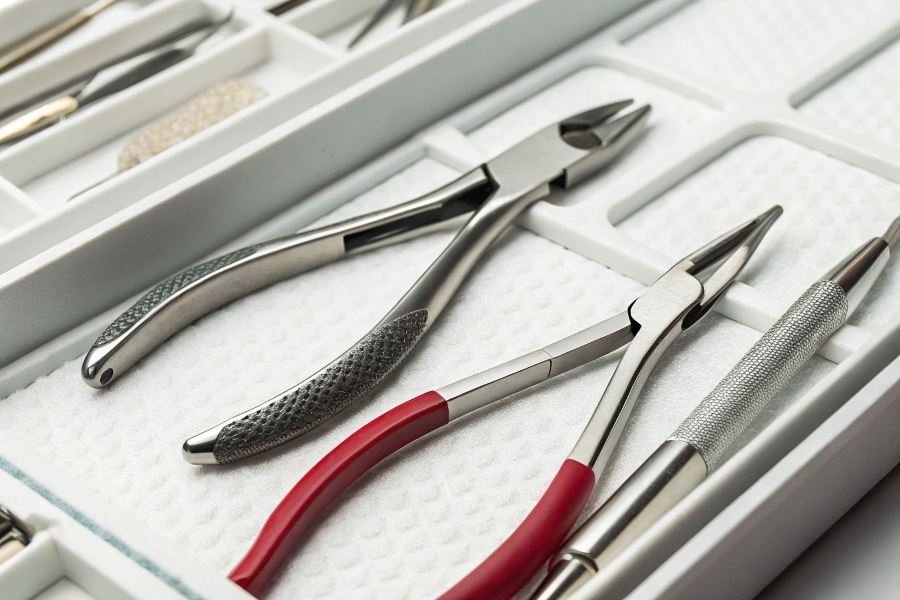
What if a single tool could transform raw materials into perfectly engineered components with microscopic precision? This isn’t science fiction—it’s the everyday reality of professional type cutters, the unsung heroes of modern manufacturing excellence.
Professional type cutters represent specialized cutting tools designed to create precise, repeatable cuts across various materials with exceptional accuracy. Unlike their consumer-grade counterparts, these engineering marvels operate with tolerances measured in thousandths of an inch, enabling the production of components that meet exacting specifications in industries ranging from aerospace to medical device manufacturing.
The evolution of cutting precision
The journey of type cutting technology spans centuries, evolving from simple hand tools to today’s computer-controlled precision instruments. The watershed moment came in the 1940s with the development of numerical control systems, which revolutionized manufacturing by introducing unprecedented accuracy and repeatability. Modern CNC (Computer Numerical Control) type cutters now integrate advanced materials science, digital precision, and sophisticated cooling systems to achieve results that would have seemed impossible just decades ago.
The manufacturing backbone
What truly distinguishes professional type cutters is their remarkable versatility combined with unwavering precision. These tools excel in:
- Material versatility: Cutting everything from hardened steel to exotic alloys
- Geometric complexity: Creating intricate shapes impossible with conventional tools
- Production efficiency: Reducing waste while increasing throughput
- Consistency: Delivering identical results across thousands of operations
The impact of these capabilities extends far beyond the factory floor, enabling innovations in everything from smartphone components to life-saving medical implants.
The Engineering Marvel Behind Professional Type Cutters
Material Composition That Stands the Test of Time
Professional type cutters represent the pinnacle of precision cutting technology, where material selection becomes the foundation of performance. High-carbon steel dominates the premium segment, with chromium-molybdenum-vanadium (CrMoV) alloys offering exceptional edge retention and corrosion resistance. These materials typically achieve hardness ratings between 58-62 HRC on the Rockwell scale—a sweet spot balancing sharpness with durability.
The characteristics and advantages of professional type cutters extend far beyond basic functionality. When examining top-tier models from manufacturers like Wiss or Felco, you’ll notice their blades maintain operational integrity through thousands of cutting cycles. This longevity stems from sophisticated heat treatment processes that create a microstructure optimized for wear resistance while maintaining sufficient toughness to prevent chipping.
Material comparison in professional cutters:
| Material Type | Hardness (HRC) | Edge Retention | Corrosion Resistance | Typical Lifespan |
|---|---|---|---|---|
| High Carbon Steel | 58-60 | Excellent | Moderate | 3-5 years |
| CrMoV Alloy | 59-62 | Superior | High | 5-7 years |
| Powder Metallurgy Steel | 60-64 | Exceptional | Very High | 7-10+ years |
Precision Engineering That Defines Performance
The cutting mechanism in professional type cutters represents a masterclass in mechanical design. The bypass cutting action—where one blade moves past a fixed anvil—creates cleaner cuts with less material deformation than conventional scissors. This precision comes from manufacturing tolerances measured in thousandths of an inch, with blade alignment maintained through sophisticated pivot systems.
The difference becomes immediately apparent when examining cut quality. Professional models produce clean, crush-free cuts that minimize material damage and reduce hand fatigue through mechanical advantage. Many incorporate micro-adjustable tension systems that allow for perfect blade alignment throughout the tool’s lifespan—a feature absent in consumer-grade alternatives.
Ergonomics That Transform Work Into Pleasure
The most sophisticated engineering becomes worthless if the tool can’t be comfortably operated for extended periods. Professional type cutters excel through ergonomic design that distributes force efficiently while minimizing strain.
Key ergonomic features include:
- Handle designs contoured to match natural hand positioning
- Shock-absorbing materials that reduce impact transfer
- Weight distribution optimized for specific cutting applications
- Spring-loaded return mechanisms that reduce operator fatigue
These ergonomic considerations transform what could be punishing repetitive motions into sustainable workflows. The Fiskars ProCut series exemplifies this approach with handles featuring thermoplastic elastomer overmolding that increases grip security while absorbing vibration.
Professional models also incorporate subtle design elements that dramatically improve usability—like thumb rests positioned to maximize leverage or finger loops sized to accommodate various hand dimensions. These seemingly minor details compound into significant advantages during extended use, allowing professionals to maintain precision even after hours of continuous operation.
The marriage of material science, mechanical precision, and human-centered design creates cutting tools that transcend mere functionality. They become extensions of the craftsperson’s intent—reliable partners in the pursuit of perfect results.
The ROI Revolution: Professional Type Cutters Unleashed
Professional type cutters represent a watershed investment for operations where precision cutting is mission-critical. These specialized tools deliver transformative performance that fundamentally changes production economics. Let’s dive into what makes these cutting powerhouses worth every dollar.
Productivity that pays for itself
Professional type cutters operate at speeds that make standard cutting tools look like they’re moving in slow motion. The difference isn’t incremental—it’s revolutionary. A professional-grade Hypertherm Powermax plasma cutter can slice through 1/2-inch steel at 20 inches per minute, while entry-level alternatives struggle to maintain half that pace.
This velocity advantage translates directly to bottom-line benefits:
- Reduced labor costs – Projects that once required full-day commitments now wrap up before lunch
- Increased throughput – The ability to handle more jobs with the same workforce
- Deadline reliability – Consistent cutting speeds eliminate the guesswork from project timelines
One fabrication shop in Michigan documented a 37% increase in overall productivity after upgrading to professional-grade type cutters, allowing them to accept additional contracts without expanding their workforce.
Material versatility becomes your competitive edge
Professional type cutters don’t just do one thing exceptionally well—they excel across an impressive spectrum of applications. This versatility eliminates the need for multiple specialized tools.
| Material | Standard Cutter Performance | Professional Cutter Performance |
|---|---|---|
| Hardened Steel | Struggles with inconsistent edges | Clean cuts with minimal heat-affected zone |
| Aluminum | Requires speed reduction | Maintains optimal speed with specialized settings |
| Composite Materials | Often tears or frays edges | Precision cuts with no delamination |
| Exotic Alloys | Generally not recommended | Handles with appropriate consumables |
This adaptability means shops can confidently bid on diverse projects without worrying about capability limitations. A Mazak OPTIPLEX fiber laser cutter, for instance, transitions seamlessly from cutting 1-inch carbon steel to delicate 0.5mm brass with only minimal setup adjustments.
The long game: cost benefits beyond the price tag
The sticker shock of professional cutting equipment can be substantial—premium models often command $50,000 to $250,000. However, this initial investment tells only a fraction of the financial story.
Professional type cutters deliver exceptional ROI through:
- Extended consumable life – Professional-grade ESAB plasma consumables typically last 3-4 times longer than budget alternatives
- Reduced material waste – Precision cutting minimizes scrap, often saving 5-15% on material costs
- Lower energy consumption – Advanced systems use 20-30% less power per cut than older or lower-quality equipment
- Minimized downtime – Robust construction and superior components mean fewer breakdowns and repairs
The true cost of cutting equipment isn’t what you pay to acquire it, but what it costs to own and operate it over its lifetime.
Maintenance considerations also favor professional equipment. While entry-level cutters might require frequent troubleshooting and parts replacement, professional systems from manufacturers like Amada are engineered for preventative maintenance schedules that maximize uptime.
The math becomes compelling when analyzed over a 5-year period. A fabrication business processing 500 tons of material annually can expect to recoup their investment in professional cutting equipment within 18-24 months, with every subsequent year delivering pure profit advantage over less capable alternatives.
For operations where cutting precision directly impacts product quality, professional type cutters aren’t merely tools—they’re strategic assets that continuously strengthen your competitive position.
Discover the essential features and significant advantages of professional type cutters in modern manufacturing. Learn about precision engineering, material versatility, and long-term cost benefits that make these specialized tools indispensable for quality-focused production environments.
Discover the essential features and significant advantages of professional type cutters in modern manufacturing. Learn about precision engineering, material versatility, and long-term cost benefits that make these specialized tools indispensable for quality-focused production environments.