
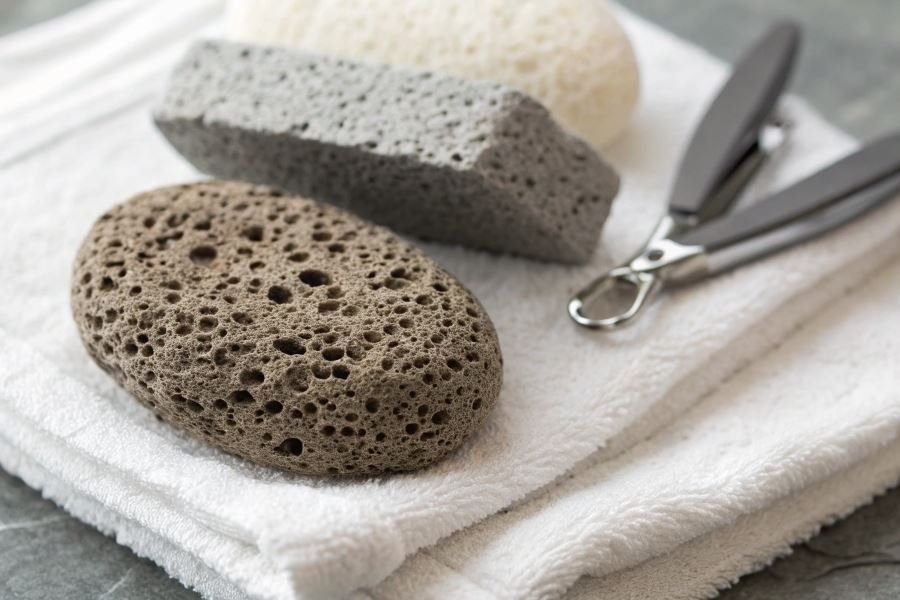
Ever wondered why that smooth, lightweight stone is the secret weapon in every pedicurist’s arsenal? The humble pumice stone has transformed countless rough, calloused feet into silky-smooth masterpieces—but not all pumice is created equal.
Behind every professional pedicure lies a critical choice: natural volcanic wonder or engineered alternative? This decision impacts everything from client results to environmental footprint. Natural pumice—formed when volcanic lava meets water and rapidly cools—carries within it the raw power of geological forces. These porous, abrasive stones have been beauty tools since ancient Rome, where they were prized for their ability to gently exfoliate without damaging delicate skin.
The volcanic advantage
Natural pumice stones offer unmatched authenticity. Each piece is unique, formed through violent volcanic eruptions where magma meets water, creating a frothy stone filled with countless tiny air bubbles. These air pockets give pumice its characteristic lightweight feel and effective exfoliating properties. The stone’s natural porosity makes it exceptionally effective at removing dead skin while remaining gentle enough for regular use.
The engineered alternative
Artificial pumice emerged as manufacturers sought consistency and cost-effectiveness. These synthetic alternatives—typically made from ground natural pumice mixed with bonding agents or entirely from materials like glass, cement, and foaming agents—offer standardized shapes, sizes, and abrasive qualities. Since their development in the late 1980s, these engineered options have gained popularity for their uniformity and predictable performance.
The professional’s dilemma now centers on balancing tradition with innovation, natural variability with engineered precision. Which stone truly delivers the perfect pedicure?
The Science Behind Professional Pumice Selection
When it comes to achieving flawless pedicure results, the choice between natural and artificial pumice can make all the difference in professional outcomes. The debate around natural versus artificial pumice stones for professional pedicure applications continues to evolve as manufacturers develop increasingly sophisticated synthetic options.
Professional pedicurists understand that selecting the right exfoliation tool directly impacts client satisfaction and treatment efficacy. Natural vs artificial pumice: which is better for professional pedicure work depends on several critical factors that salon professionals must consider, from physical properties to sanitation protocols and overall performance in callus removal.
Physical Properties That Define Performance
The molecular structure of pumice determines its effectiveness in professional settings. Let’s examine the key differences:
Natural pumice forms when volcanic lava rapidly cools and depressurizes, creating a porous, glass-like material with irregular air pockets. This natural formation process results in:
- Varied porosity (40-80% air by volume)
- Inconsistent abrasiveness between specimens
- Mohs hardness rating of 5-6
Artificial pumice (often called synthetic pumice or foam glass) offers engineered consistency with:
- Controlled porosity (typically 60-75%)
- Uniform abrasiveness across products
- Customizable hardness levels for specific applications
“The inconsistency of natural pumice can be both its greatest strength and weakness in professional applications.”
Hygiene Considerations for Salon Environments
Sanitation remains paramount in professional settings, particularly with tools that contact multiple clients.
| Pumice Type | Sanitization Method | Lifespan | Cross-Contamination Risk |
|---|---|---|---|
| Natural | Autoclave/chemical disinfection | 2-3 months with regular use | Moderate to high |
| Artificial | Autoclave/chemical disinfection | 4-6 months with regular use | Low to moderate |
Natural pumice presents unique challenges in salon environments due to its porous structure, which can harbor bacteria and fungal spores even after surface cleaning. Many salons using natural pumice implement single-use protocols or advanced sanitization methods using Barbicide or similar professional-grade disinfectants.
Artificial pumice products from manufacturers like Mr. Pumice often incorporate antimicrobial agents directly into the material, providing an additional layer of protection between clients.
Effectiveness in Professional Callus Removal
The ultimate measure of any pumice product is its performance in removing calluses and exfoliating skin effectively.
Natural pumice excels in:
- Initial aggressive exfoliation
- Adapting to foot contours naturally
- Creating a “self-sharpening” effect as it wears
Artificial pumice dominates in:
- Consistent results across treatments
- Controlled abrasion levels (often color-coded)
- Reduced crumbling during use
Professional technicians report that natural pumice typically requires 15-20% more time to achieve the same results as high-quality synthetic alternatives, though this varies significantly based on the specific natural stone’s quality.
The most successful salon professionals often maintain both options in their toolkit, selecting the appropriate tool based on client needs, callus severity, and skin sensitivity. This hybrid approach maximizes effectiveness while acknowledging that both natural and artificial pumice stones have earned their place in professional pedicure applications.
Making the Right Choice: Natural vs Artificial Pumice
When it comes to professional pedicure services, the humble pumice stone sits at the crossroads of tradition and innovation. As salon owners and pedicurists weigh their options, the decision between natural volcanic rock and manufactured alternatives isn’t just about preference—it’s about business sustainability, client satisfaction, and environmental responsibility.
The dollars and sense of durability
Natural pumice stones typically cost between $5-15 per stone, while their artificial counterparts range from $3-12. But the initial price tag tells only part of the story.
Natural pumice delivers exceptional durability when properly maintained. These volcanic wonders can last 6-12 months with regular cleaning and disinfection. The porous structure gradually wears down with use, creating a self-renewing surface that maintains effectiveness.
Artificial pumice alternatives, particularly those made from glass or synthetic materials, often boast lifespans of 12-24 months—potentially doubling the service life of natural options.
Let’s break down the cost analysis:
| Pumice Type | Initial Cost | Average Lifespan | Cost Per Month | Replacement Frequency |
|---|---|---|---|---|
| Natural | $10 | 8 months | $1.25 | 1.5 times yearly |
| Artificial | $8 | 18 months | $0.44 | Once every 1.5 years |
The numbers reveal artificial pumice’s compelling cost advantage for high-volume salons performing 20+ pedicures weekly. However, boutique salons with fewer services might find the performance benefits of natural pumice worth the modest additional expense.
Beyond the bottom line: environmental footprint
The sustainability equation extends beyond the salon’s financial ledger.
Natural pumice comes directly from the earth—harvested from volcanic deposits primarily in Italy, Turkey, and the western United States. Its extraction creates minimal processing waste, and the stone itself is 100% biodegradable, returning to the earth at the end of its lifecycle.
However, the environmental calculus includes transportation impacts. Natural pumice requires mining, shipping, and distribution—activities with significant carbon footprints.
Artificial alternatives present a mixed environmental profile:
- Glass-based pumice utilizes recycled materials, diverting waste from landfills
- Synthetic options often incorporate petroleum-based compounds with questionable end-of-life outcomes
- Manufacturing processes consume energy but may occur closer to distribution centers, reducing transportation emissions
The sustainability winner? It depends on your priorities. Natural pumice offers biodegradability but comes with extraction impacts. Recycled glass alternatives provide waste reduction benefits but may not biodegrade.
Matching solutions to salon scenarios
Different salon environments demand different approaches:
High-volume day spas benefit from artificial pumice’s extended lifespan and consistent performance. The predictable texture and standardized shape reduce training requirements for new technicians and ensure uniform results across multiple service providers.
Luxury boutique salons often find natural pumice aligns with client expectations for authentic, premium experiences. The slight variations in natural stone create opportunities for personalized service narratives that resonate with discerning clients seeking artisanal approaches.
Client preferences increasingly factor into these decisions. Environmentally-conscious customers may specifically request natural materials, while those with sensitivity concerns might prefer the hypoallergenic properties of certain artificial options.
The ideal approach often combines both: artificial pumice for standard services and natural options for premium packages or upon request. This hybrid strategy balances operational efficiency with the flexibility to meet diverse client expectations.
Whatever your choice, proper sanitization remains non-negotiable—both natural and artificial pumice require rigorous cleaning protocols between clients to maintain safety standards and maximize lifespan.
Discover the key differences between natural volcanic pumice and synthetic alternatives for professional foot care. Compare effectiveness, hygiene standards, and sustainability to make the best choice for your salon's pedicure services.
Discover the key differences between natural volcanic pumice and synthetic alternatives for professional foot care. Compare effectiveness, hygiene standards, and sustainability to make the best choice for your salon's pedicure services.


