Every 99 minutes, a worker in America suffers a preventable injury due to inadequate protective gear. This isn’t just a statistic—it’s a wake-up call.
When we examine the protective properties of work overalls, we’re not just talking about fabric and stitching—we’re discussing the difference between safety and catastrophe. The right workwear serves as the final barrier between professionals and potential hazards that range from chemical splashes in laboratories to flying metal fragments in manufacturing plants.
“The best protective gear is the kind you forget you’re wearing until the moment it saves you.” — Safety expert James Harrington
Industry-specific protection isn’t optional—it’s essential. Construction workers need impact-resistant materials and high visibility features, while healthcare professionals require antimicrobial fabrics that prevent cross-contamination. Each industry faces unique challenges that demand specialized solutions.
Key protective properties worth your investment
The most effective work overalls combine multiple protective elements:
- Flame resistance measured by specific standards like NFPA 2112
- Chemical barrier protection with permeation breakthrough times
- Impact absorption capabilities in strategic zones
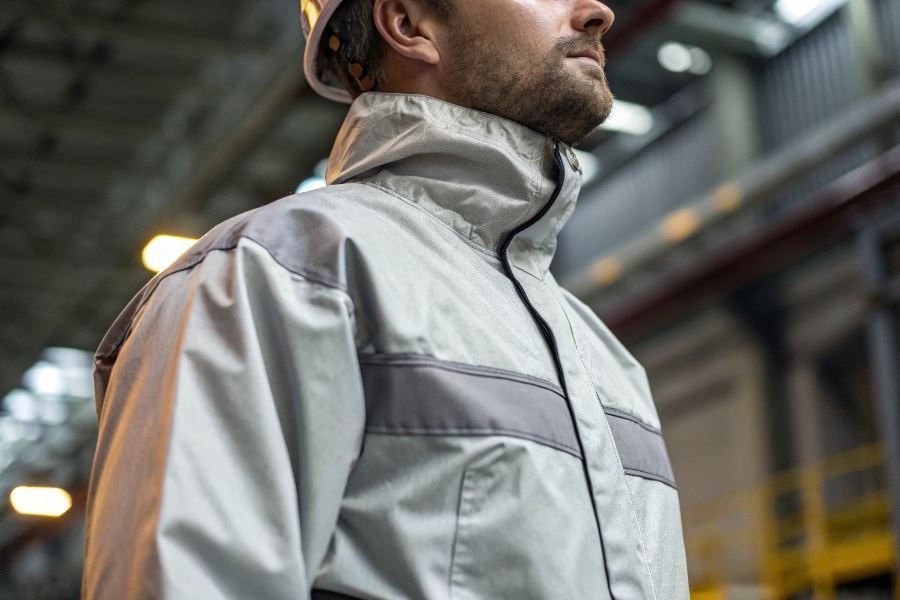
- Weather resistance without compromising breathability
- Antimicrobial properties that survive multiple washing cycles
Navigating compliance requirements
Understanding regulatory frameworks isn’t just about avoiding fines—it’s about ensuring genuine protection. OSHA, ANSI, and ASTM standards aren’t arbitrary bureaucracy; they’re evidence-based guidelines developed through rigorous testing and real-world experience.
Smart business leaders recognize that investing in quality protective workwear isn’t an expense—it’s insurance for their most valuable asset: their workforce.
The Protective Arsenal: Work Overalls That Save Lives
When selecting work overalls, the difference between adequate and exceptional protection can literally save lives. The protective properties of work overalls: what to pay attention to goes far beyond basic coverage—it’s about creating a defensive shield tailored to specific workplace hazards while ensuring workers can perform their duties effectively.
Material Fortresses: Durability and Resistance
The foundation of any protective workwear begins with its material composition. Modern work overalls utilize advanced fabrics engineered to withstand specific threats:
Flame-resistant (FR) fabrics don’t just resist burning—they self-extinguish when the ignition source is removed. Look for garments meeting NFPA 2112 standards with an arc rating measured in cal/cm². These materials contain specialized fibers like Nomex® or treated cotton blends that create a thermal barrier between heat sources and skin.
Chemical resistance varies dramatically based on the specific compounds present in your environment:
| Chemical Type | Recommended Material | Protection Duration |
|---|---|---|
| Acids | Neoprene, PVC | 4-8 hours |
| Solvents | Butyl, Viton | 6-12 hours |
| Caustics | Nitrile, Natural Rubber | 2-6 hours |
The permeation rate—how quickly chemicals move through material at molecular level—is the true measure of chemical protection, not just whether it initially repels splashes.
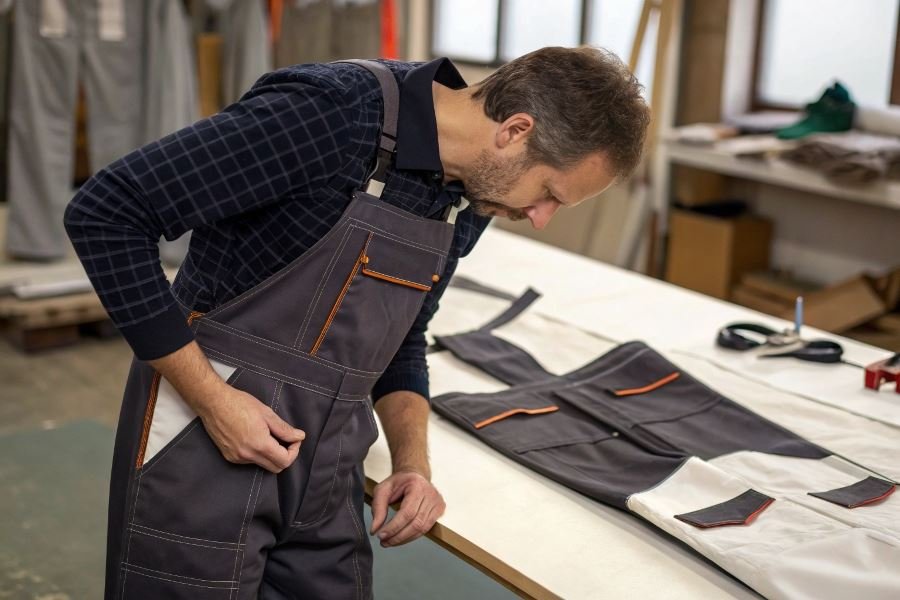
For tear and puncture resistance, look for fabrics with high tensile strength ratings (measured in Newtons) and reinforced seams using techniques like triple-stitching or bartacking at stress points. Materials like Cordura® or Kevlar® composites offer exceptional resistance to abrasion and tearing while maintaining reasonable weight.
High-Visibility: Being Seen Means Being Safe
In hazardous environments, visibility isn’t optional—it’s essential. High-visibility elements follow a science-based approach:
Fluorescent materials appear brighter than conventional colors by converting invisible ultraviolet light into visible light, creating that distinctive “glow” even in daylight conditions.
Retroreflective strips return light directly to its source, making workers visible to vehicle operators at distances up to 1,000 feet at night. The most effective patterns create a “human silhouette” effect that’s instantly recognizable as a person rather than an object.
Color-coding systems often indicate specific roles or hazard authorizations:
- Orange/yellow: General high visibility
- Blue: Electrical work authorization
- Green: First aid personnel
- Red: Fire safety responsibilities
Ergonomic Engineering: Protection That Moves With You
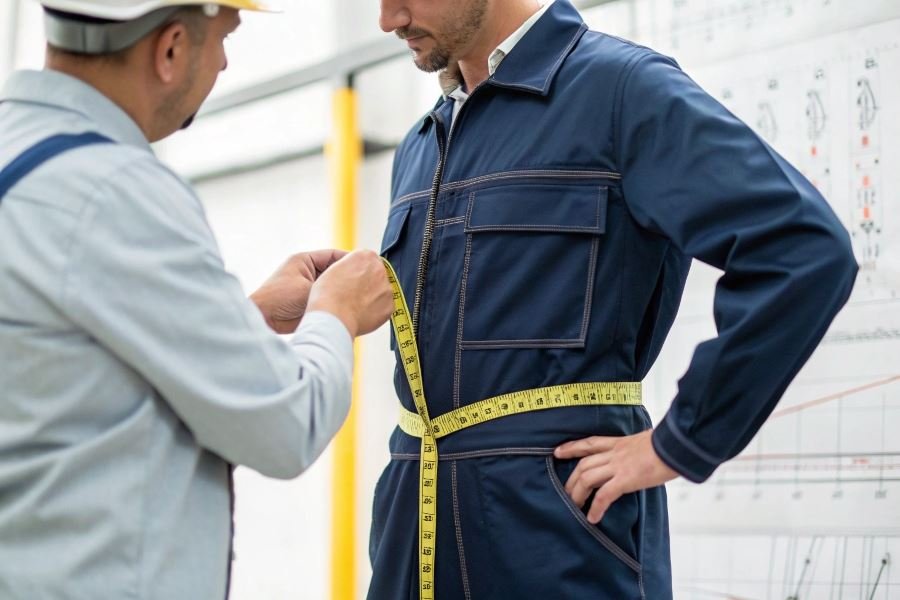
The most protective overalls are worthless if workers remove or modify them due to discomfort. Modern ergonomic design elements include:
Articulated joints at knees and elbows that pre-bend to match natural body positioning, reducing fabric stress and improving range of motion.
Strategic stretch panels in high-movement areas like the back, underarms, and crotch that maintain protective integrity while allowing full extension without binding.
Load distribution systems that transfer the weight of tools and equipment across the body rather than concentrating pressure points. Look for wide belts, padded shoulders, and balanced pocket placement.
Temperature regulation features like ventilation zippers, moisture-wicking liners, and breathable panels prevent heat stress—a significant factor in workplace accidents as cognitive function declines with rising body temperature.
The integration of these protective properties creates workwear that doesn’t just meet minimum standards but actively contributes to workplace safety culture. When evaluating options, remember that certification standards represent minimum requirements—truly exceptional protection often exceeds these baselines substantially.
Making Smart Investments in Protective Workwear
When selecting work overalls, the decision extends far beyond a simple purchase—it’s an investment in safety, productivity, and workforce wellbeing. The protective properties of workwear directly impact both immediate safety and long-term business outcomes. Let’s explore how to make truly informed decisions about this critical equipment.
Protection Value vs. Cost Analysis
The equation seems simple: higher protection typically means higher cost. But this surface-level analysis misses crucial nuances. When evaluating protective workwear as a long-term investment:
-
Initial cost vs. lifetime value: Premium overalls from brands like Carhartt or Dickies might cost 30-50% more upfront but often deliver 2-3 times the service life.
-
Risk-adjusted calculations: Consider potential costs of workplace incidents. A $200 investment in superior flame-resistant coveralls becomes negligible compared to potential medical costs and lost productivity.
-
Productivity factors: Higher-quality protective gear typically offers better comfort and mobility, directly impacting worker efficiency and morale.
The most expensive workwear is the kind that fails when you need it most.
This table illustrates the true cost comparison over a three-year period:
| Quality Level | Initial Cost | Replacements Needed | Total 3-Year Cost | Protection Level |
|---|---|---|---|---|
| Economy | $75 | 5-6 | 375−450 | Basic |
| Mid-range | $150 | 2-3 | 300−450 | Enhanced |
| Premium | $250 | 1 | $250 | Maximum |
Maintaining Protective Integrity
Even the highest-quality workwear requires proper maintenance to preserve its protective properties:
-
Follow manufacturer guidelines religiously. Improper washing can degrade flame-resistant treatments or compromise waterproof membranes.
-
Implement inspection protocols. Train workers to recognize signs of wear that compromise protection—frayed seams, thinning fabric at stress points, or damaged closures.
-
Document maintenance history. Track cleaning cycles and repairs to anticipate replacement needs before protection fails.
-
Storage matters. Protective properties can degrade from improper storage—keep gear away from direct sunlight, chemicals, and extreme temperatures.
Maintenance isn’t just about extending lifespan—it’s about ensuring consistent protection throughout the garment’s service life.
Ultimate Selection Checklist
When making your final decision, verify these critical elements:
-
Certification verification: Confirm that garments meet relevant standards (ANSI/ISEA, NFPA, ASTM) for your specific hazards.
-
Material composition: Understand exactly what protective elements are incorporated—is it inherently flame-resistant or treated?
-
Design functionality: Evaluate if seams are reinforced, closures are secure, and high-wear areas are strengthened.
-
Comfort assessment: The best protection is worthless if workers find ways to avoid wearing uncomfortable gear.
-
Supplier reputation: Research manufacturer track records for quality control and product consistency.
-
Customization options: Consider if specialized features for your industry are available or if modifications are possible.
-
Warranty terms: Strong warranty coverage often signals manufacturer confidence in protection durability.
By approaching protective workwear as a strategic investment rather than a commodity purchase, you’re not just buying clothing—you’re implementing a critical safety system that protects your most valuable asset: your workforce. The right decision balances immediate budgetary concerns with long-term protection, compliance, and operational efficiency.
Discover the critical protective features of quality workwear that ensure safety in hazardous environments. Learn how to evaluate durability, visibility, and ergonomic design when selecting work overalls that meet industry safety standards.
Discover the critical protective features of quality workwear that ensure safety in hazardous environments. Learn how to evaluate durability, visibility, and ergonomic design when selecting work overalls that meet industry safety standards.