
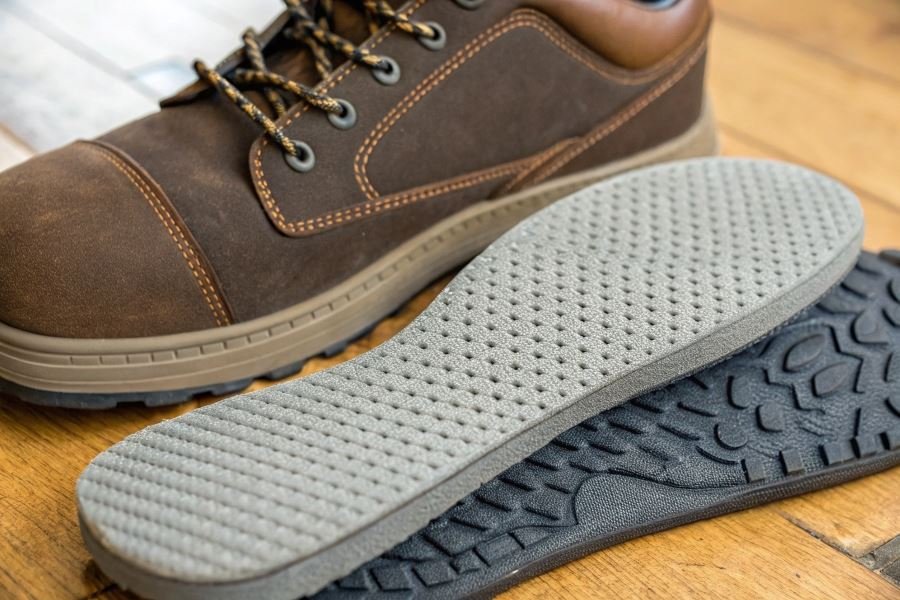
Did you know the average worker takes over 7,000 steps during a typical shift? That’s equivalent to walking nearly 3.5 miles—all while your feet bear the full weight of your body, often on unforgiving surfaces.
Your work shoes are more than just protective gear—they’re the foundation of your daily comfort and long-term foot health. At the heart of this relationship between feet and footwear lies a critical yet often overlooked component: insoles with proper hygienic properties. These specialized inserts do far more than simply cushion your steps; they create a microenvironment that can either nurture or harm your feet during those long hours on the job.
The hidden cost of poor foot hygiene
For professionals who stand or walk extensively—from factory workers to healthcare providers—foot problems aren’t just uncomfortable; they’re productivity killers. Moisture buildup inside work boots creates the perfect breeding ground for bacteria and fungi, leading to issues ranging from unpleasant odors to more serious conditions like athlete’s foot and fungal nail infections.
Studies show that nearly 80% of adults experience foot problems at some point, with workplace conditions often serving as the primary catalyst. The confined, warm environment of work shoes combined with perspiration creates what podiatrists call a “perfect storm” for bacterial growth.
Beyond discomfort: When foot issues become health concerns
Prolonged standing doesn’t just cause temporary discomfort—it can lead to:
- Plantar fasciitis: Inflammation of the tissue connecting your heel to toes
- Excessive sweating: Up to a cup of moisture per foot daily
- Blisters and calluses: Friction injuries that can become infected
- Reduced circulation: Leading to swelling and increased fatigue
How specialized insoles transform foot health
Modern hygienic insoles employ advanced technologies that actively combat these issues rather than merely providing cushioning:
“The right insole doesn’t just support your arch—it creates an environment where harmful microorganisms simply cannot thrive.”
Antimicrobial treatments infused directly into insole materials can reduce bacterial populations by up to 99.9%, while moisture-wicking fabrics pull sweat away from the skin surface, allowing it to evaporate rather than accumulate. This proactive approach to foot hygiene represents a fundamental shift in how we think about workplace foot protection.
The Science Behind Comfortable Feet at Work
When you’re on your feet all day, what stands between you and misery is often just a few millimeters of material. The hygienic properties of insoles for work shoes represent the difference between ending your shift with fresh, comfortable feet or dealing with moisture, odor, and potential health issues that can impact your performance and wellbeing.
Moisture-Wicking Technology: Your First Line of Defense
Modern insole technology has evolved dramatically from the flat, basic inserts of decades past. Today’s premium work insoles feature advanced moisture-wicking capabilities that actively transport sweat away from your feet.
Polyurethane foam and open-cell technology create microscopic channels that pull moisture away from the skin surface. High-performance brands like Superfeet and Dr. Scholl’s Work incorporate hydrophobic outer layers and hydrophilic core materials—a combination that moves moisture through the insole rather than allowing it to pool against your skin.
The average foot contains 250,000 sweat glands and can produce up to half a pint of moisture daily during intense activity.
This moisture management isn’t just about comfort—it’s about creating an environment where harmful bacteria can’t thrive. Antimicrobial treatments using silver ions, copper, or zinc pyrithione provide long-lasting protection against microorganisms that cause infections and odor.
Breathability and Odor Control: The Dynamic Duo
The battle against foot odor requires a two-pronged approach: preventing bacterial growth and neutralizing existing odors.
Activated carbon has become the gold standard for odor absorption in premium work insoles. This highly porous material traps odor molecules within its structure, effectively removing them from the air you (and your colleagues) breathe.
Breathable materials create crucial airflow that helps maintain a dry environment:
| Material | Breathability Rating | Durability | Odor Control |
|---|---|---|---|
| Merino Wool | Excellent | Good | Excellent |
| Open-Cell Foam | Very Good | Excellent | Good |
| Cork | Good | Excellent | Very Good |
| Bamboo Charcoal | Very Good | Good | Excellent |
Timberland PRO and Red Wing have pioneered combinations of these materials in their insole designs, creating multi-layer systems that maximize both breathability and odor control.
Thermal Regulation: The Overlooked Essential
Temperature management might be the most underappreciated aspect of insole design. Your feet operate optimally within a narrow temperature range, and exceeding this range accelerates sweat production and discomfort.
Phase-change materials (PCMs) represent the cutting edge in thermal regulation. These compounds absorb excess heat when your feet get too warm and release it back when temperatures drop—creating a microclimate that stays remarkably consistent throughout your workday.
For workers in extreme environments, Carhartt and Wolverine offer specialized insoles with aluminum layers that reflect body heat in cold conditions or dissipate it during hot weather.
The integration of these technologies—moisture-wicking, antimicrobial protection, odor control, and thermal regulation—creates comprehensive systems that maintain foot health during long work hours. When selecting insoles, prioritize these features based on your specific work environment and personal needs for maximum comfort and protection.
Mastering Insole Selection and Maintenance for Workplace Foot Health
The unsung heroes of workplace comfort and hygiene are right beneath your feet. Quality insoles don’t just provide support—they create a microenvironment that can either promote foot health or become a breeding ground for bacteria. Let’s dive into how to select, maintain, and maximize the hygienic benefits of work shoe insoles.
Smart material choices for diverse workplaces
Different work environments demand different insole materials. The factory floor has entirely different requirements than a hospital setting or construction site.
Antimicrobial copper-infused insoles have revolutionized options for healthcare workers and those in food service. These materials inhibit bacterial growth by up to 99.9% compared to untreated insoles, according to research from the American Podiatric Medical Association.
For construction and industrial settings, activated charcoal-infused foam offers dual benefits—odor absorption and moisture management. These insoles can absorb up to 200% of their weight in moisture while neutralizing odors at the molecular level.
Temperature-regulated environments require specialized solutions. Workers in cold storage facilities benefit from thermal insoles with aluminum layers that reflect body heat, while outdoor workers in hot climates need moisture-wicking materials like merino wool blends.
| Work Environment | Optimal Insole Material | Key Hygienic Benefit |
|---|---|---|
| Healthcare | Copper-infused foam | Antimicrobial properties |
| Construction | Charcoal-infused EVA | Moisture and odor control |
| Food Service | Silver-ion treated fabrics | Prevents bacterial colonization |
| Cold Storage | Thermal wool with aluminum | Prevents moisture from condensation |
| Office Settings | Cork with moisture barriers | Natural antimicrobial properties |
Maintenance rhythms for peak hygiene
Even the most advanced insoles require proper maintenance. Establishing a care routine dramatically extends their hygienic effectiveness.
For daily maintenance, remove insoles overnight to allow complete drying. This simple 8-hour airing prevents the moist environment bacteria thrive in. For enhanced results, sprinkle baking soda on insoles before reinserting them in the morning.
Weekly care should include gentle cleaning with mild soap and warm water for most insoles. Specialized antimicrobial insoles from brands like Superfeet benefit from their proprietary cleaners that preserve antimicrobial coatings.
The replacement timeline is non-negotiable: most work insoles reach their hygienic limit at 6-8 months, regardless of visible wear.
Signs that replacement is overdue include persistent foot odor despite cleaning, visible compression of cushioning materials, or development of hot spots during wear. Track your replacement schedule with calendar reminders—your feet deserve fresh protection.
Complementary practices that multiply benefits
The effectiveness of hygienic insoles multiplies when paired with smart foot care practices.
Rotation is revolution: Maintaining two pairs of identical work shoes with separate insoles creates a 24-hour recovery period that dramatically reduces bacterial growth. Studies show this practice can reduce foot-related bacteria by up to 63% compared to single-pair usage.
Pre-work preparation matters: Applying antifungal powder to clean, dry feet before donning socks creates an additional defensive barrier. For those in extremely wet environments, waterproof barriers like Nikwax foot creams provide additional protection.
Post-work care completes the hygiene circle. A dedicated foot-washing routine with tea tree oil soap removes accumulated sweat and environmental contaminants before they can colonize insoles. Follow with thorough drying, particularly between toes where moisture lingers.
The synergy between quality insoles, proper maintenance, and complementary foot care creates a comprehensive system that protects foot health in even the most demanding work environments.
Discover how advanced hygienic insoles combat moisture, odor, and bacteria in work boots. Learn about antimicrobial technologies and proper maintenance for healthier feet during long shifts on your feet.
Discover how advanced hygienic insoles combat moisture, odor, and bacteria in work boots. Learn about antimicrobial technologies and proper maintenance for healthier feet during long shifts on your feet.
