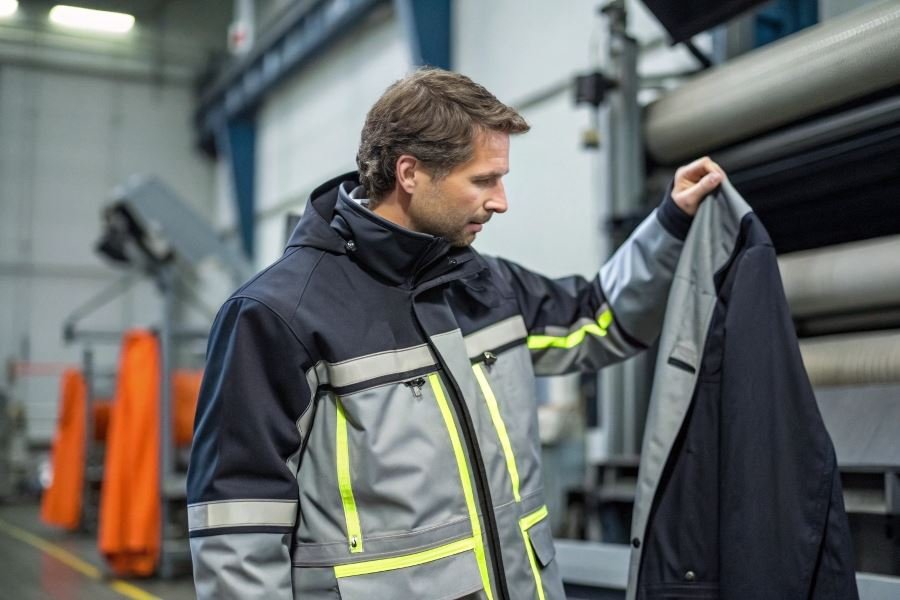
Did you know that workers in high-risk environments are up to 85% less likely to experience visibility-related accidents when wearing proper high-visibility clothing? That small strip of reflective material isn’t just a fashion statement—it’s often the difference between safety and serious injury.
High-visibility workwear represents the critical intersection of practical clothing and life-saving technology. Work jackets with reflective elements have transformed from simple garments into sophisticated safety equipment, governed by stringent standards that continue to evolve as workplace hazards are better understood. These specialized jackets don’t just protect workers from environmental conditions; they make them visible when visibility matters most.
The backbone of occupational safety
Reflective workwear serves as the first line of defense in environments where visibility challenges exist—construction sites, roadways, railways, and industrial facilities. The strategic placement of retroreflective materials creates a human silhouette that’s instantly recognizable to equipment operators and drivers, even in low-light conditions or inclement weather.
“Visibility isn’t optional in high-risk environments—it’s the foundation of workplace safety.”
Regulatory framework: Who sets the standards?
Several key organizations establish and enforce the standards that govern reflective workwear:
- ANSI/ISEA (American National Standards Institute/International Safety Equipment Association) – Developed the ANSI/ISEA 107 standard, the comprehensive benchmark for high-visibility safety apparel in the US
- OSHA (Occupational Safety and Health Administration) – Enforces workplace safety regulations and references ANSI standards
- ISO (International Organization for Standardization) – Provides global standards through ISO 20471
From basic to brilliant: The evolution of standards
The standards governing reflective elements have undergone remarkable transformation since their inception. What began as simple recommendations has evolved into detailed specifications covering:
- Minimum amounts of background material
- Retroreflective performance requirements
- Placement patterns for maximum visibility
- Durability through washing and environmental exposure
- Color requirements for daytime visibility
This evolution reflects our growing understanding of human perception, advances in material science, and the unfortunate lessons learned from preventable workplace incidents.
Safety Requirements That Save Lives
When it comes to workplace safety, visibility isn’t just a preference—it’s a lifeline. High-visibility work jackets with reflective elements represent the critical difference between being seen and being overlooked in hazardous environments. The comprehensive safety requirements and standards governing these protective garments ensure workers return home safely every day.
ANSI/ISEA 107: The Visibility Bible
The American National Standards Institute (ANSI) and International Safety Equipment Association (ISEA) established the ANSI/ISEA 107 standard—the definitive classification system for high-visibility safety apparel. This framework categorizes visibility garments into three performance classes based on occupational risk:
- Type O (Off-Road): For workers in environments with no exposure to roadway traffic
- Type R (Roadway): For workers near roadways or temporary traffic control zones
- Type P (Public Safety): Specifically designed for emergency responders
Each type is further divided into performance classes (1-3), with Class 3 offering the highest visibility for the most dangerous environments.
| Performance Class | Background Material | Reflective Material | Intended Use |
|---|---|---|---|
| Class 1 | 217 in² (0.14 m²) | 155 in² (0.10 m²) | Low-risk environments, off-road |
| Class 2 | 775 in² (0.50 m²) | 201 in² (0.13 m²) | Medium-risk environments |
| Class 3 | 1240 in² (0.80 m²) | 310 in² (0.20 m²) | High-risk environments, complex backgrounds |
Reflective Requirements: More Than Just Shiny Strips
The minimum reflective material requirements vary dramatically depending on the risk category of the work environment. These aren’t arbitrary numbers—they’re calculated based on visibility distance, reaction time, and vehicle stopping distances.
For Type R Class 3 jackets—the gold standard for roadway workers—a minimum of 310 square inches of retroreflective material is required, strategically placed to create a human silhouette visible from all angles. The reflective material must encircle both arms and the torso, creating what safety experts call the “biomotion effect”—making the human form instantly recognizable even at significant distances.
“The difference between Class 2 and Class 3 garments can mean visibility at 1000 feet versus 1400 feet—critical extra seconds for drivers to react,” notes the National Work Zone Safety Information Clearinghouse.
Performance Standards: Built to Survive
Work jackets with reflective elements must meet rigorous performance standards across three critical dimensions:
Reflectivity Retention
Modern reflective materials must maintain at least 70% of their original brightness after:
- 25 wash cycles
- Exposure to abrasion testing
- Folding and flexing tests
Durability Requirements
Safety jackets undergo punishing tests including:
- Tensile strength evaluations
- Tear resistance measurements
- Color fastness assessments
Weather Resistance
Because safety doesn’t take a day off for bad weather, these jackets must perform in:
- Temperatures ranging from -30°F to 150°F
- Driving rain conditions (water penetration resistance)
- High humidity environments
The fluorescent background materials—typically in safety yellow, orange, or green—must maintain their color intensity and contrast ratio even after extended UV exposure, ensuring they remain effective throughout the garment’s service life.
For workers in environments where visibility means survival, these exacting standards aren’t just regulatory checkboxes—they’re the engineering behind every safe journey home.
Making the Right Choice: Work Jackets That Keep You Safe and Compliant
When it comes to protective workwear, the final decision matters more than you might think. Selecting the right reflective work jacket isn’t just about checking a box on a safety requirement list—it’s about ensuring workers return home safely every day. Let’s dive into how to verify compliance, maintain effectiveness, and what’s coming next in this critical safety technology.
Verifying legitimate safety certification
The difference between genuine safety compliance and merely looking the part can be life-changing. When evaluating work jackets with reflective elements, always check for these certification markers:
- ANSI/ISEA 107-2020 certification label clearly visible
- CE marking for European compliance
- ISO 20471 classification level (Class 1, 2, or 3)
- Manufacturer’s testing documentation
Don’t just take a supplier’s word that their jackets meet standards. Request documentation that proves compliance with current regulations. Many manufacturers provide certificates of conformity that detail exactly which standards their products meet.
The most expensive mistake in safety equipment isn’t paying too much—it’s discovering your “compliant” gear wasn’t compliant at all when it matters most.
Maintaining reflective effectiveness
Even the highest-quality reflective work jacket will fail if improperly maintained. Reflective elements degrade over time, especially when exposed to harsh conditions or improper cleaning.
Follow these maintenance protocols to preserve effectiveness:
| Maintenance Task | Frequency | Notes |
|---|---|---|
| Visual inspection | Before each use | Check for cracks, peeling, or discoloration |
| Cleaning | After heavy soiling | Use mild detergent, avoid bleach |
| Brightness testing | Every 6 months | Compare to new material or use retroreflectometer |
| Full replacement | When reflectivity falls below 50% | Don’t wait for complete failure |
Most manufacturers specify a maximum number of wash cycles (typically 25-50) before reflective properties significantly diminish. Track this information in your safety equipment logs to ensure timely replacement.
The horizon of reflective safety technology
The future of reflective workwear is brighter than ever—literally. Several innovations are reshaping what we can expect from safety apparel:
Active illumination systems are integrating LED technology directly into garments, providing visibility even when not in the path of headlights. These systems can detect ambient light conditions and adjust brightness accordingly.
Smart reflective materials are being developed that can change color or pattern based on environmental conditions, making workers more visible in varying light situations.
Sustainability improvements mean newer reflective materials maintain effectiveness while reducing environmental impact. Manufacturers like 3M are developing reflective elements that maintain compliance while using fewer petroleum-based components.
Standards bodies are also evolving requirements to address emerging workplace hazards. The International Safety Equipment Association is currently developing guidelines for reflective elements that maintain visibility through smoke, dust, and other visual impediments—particularly valuable for emergency responders.
By staying informed about certification requirements, implementing proper maintenance protocols, and keeping an eye on emerging technologies, you’ll ensure your workforce remains both compliant and protected with the most effective reflective work jackets available.
Discover ANSI/ISEA 107 compliance requirements for high-visibility work jackets with reflective elements. Learn essential safety standards, material specifications, and maintenance tips to ensure workplace protection across all risk categories.
Discover ANSI/ISEA 107 compliance requirements for high-visibility work jackets with reflective elements. Learn essential safety standards, material specifications, and maintenance tips to ensure workplace protection across all risk categories.