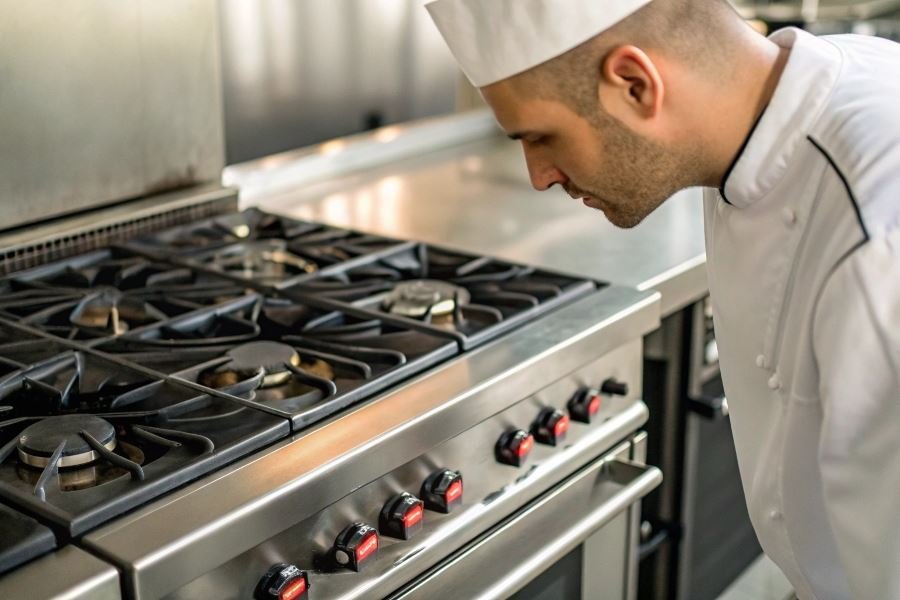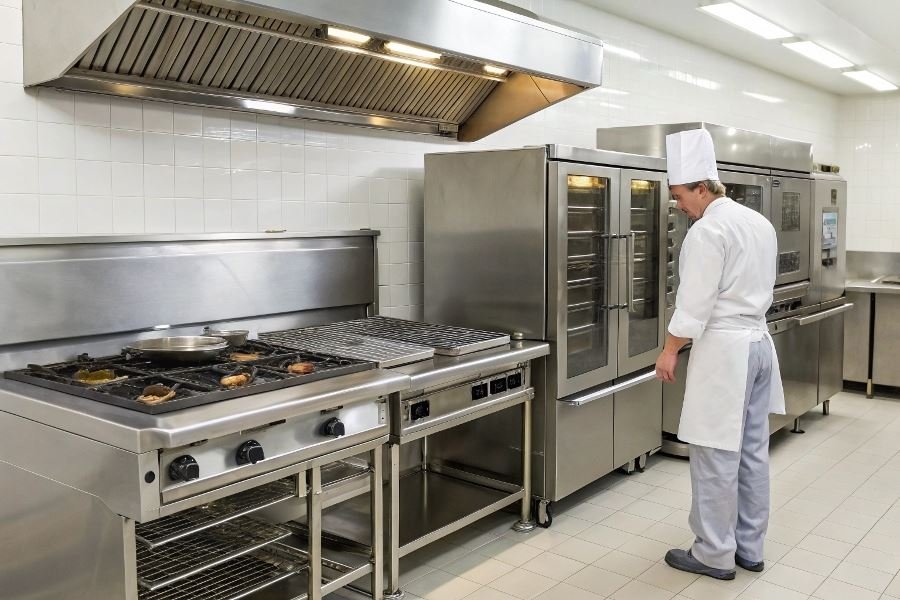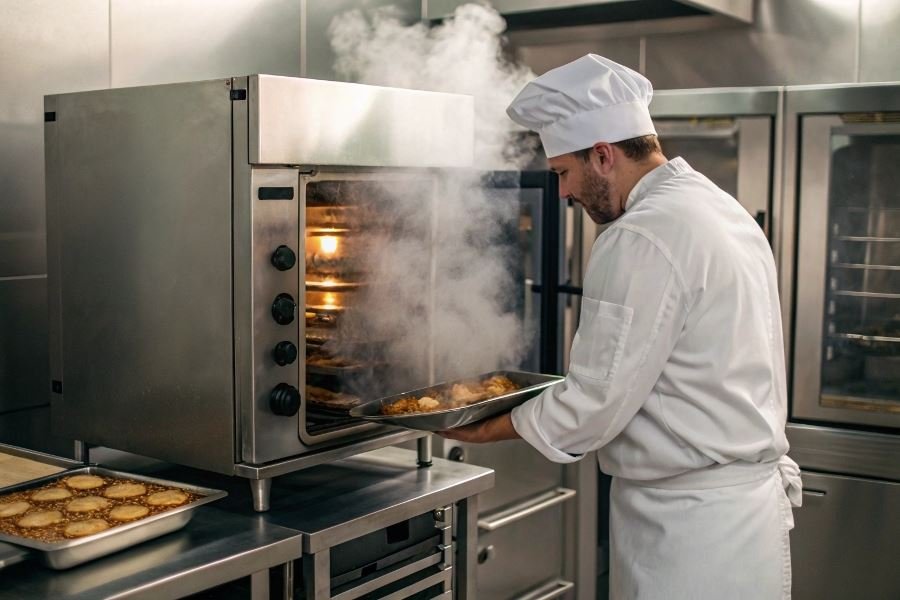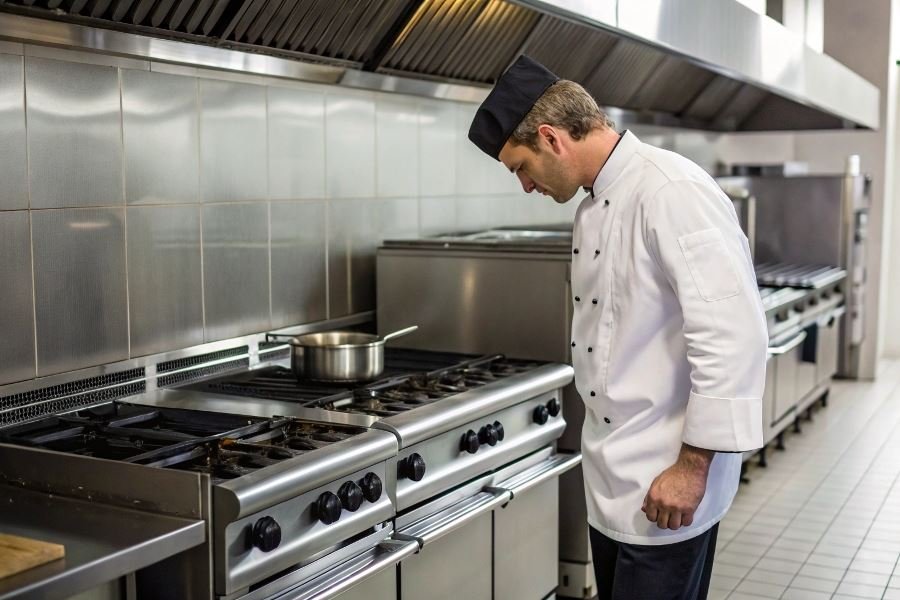
Ever walked into a restaurant where the temperature felt just right? That perfect warmth didn’t happen by accident. Behind every comfortable dining experience and perfectly prepared dish stands a carefully selected heating system that’s working overtime.
The right heating equipment forms the backbone of any successful restaurant operation. When selecting these critical systems, restaurant owners are essentially making decisions that will impact everything from food quality to their bottom line for years to come. It’s not just about keeping the burners lit—it’s about creating an environment where culinary magic can happen consistently.
Commercial kitchen heating equipment broadly falls into three essential categories: cooking equipment (ranges, ovens, broilers), ambient heating systems (HVAC, radiant heaters), and specialized food-warming solutions (heat lamps, holding cabinets). Each plays a distinct role in the restaurant ecosystem, working together to maintain the delicate balance between kitchen efficiency and dining comfort.
The impact of these heating choices extends far beyond mere temperature control. Precision heating directly influences food texture, flavor development, and presentation—the very elements that keep customers coming back. Meanwhile, comfortable dining areas encourage guests to linger, potentially increasing beverage sales and overall satisfaction.
From an operational perspective, energy-efficient heating systems can dramatically reduce utility costs, sometimes by up to 30% compared to outdated equipment. With restaurants typically operating on razor-thin margins, these savings can mean the difference between struggling and thriving in today’s competitive market.
The Smart Restaurateur’s Guide to Heating Equipment
Space Planning That Maximizes Efficiency
Restaurant layouts demand strategic thinking when it comes to heating equipment placement. The difference between optimal and poor positioning can impact everything from staff workflow to customer comfort. Begin by creating a detailed floor plan that identifies heat-sensitive areas, traffic patterns, and ventilation points. A commercial kitchen typically dedicates 35-40% of its space to cooking equipment, with heating systems requiring careful integration.
When selecting and positioning heating equipment for a restaurant, consider both the kitchen and dining areas as interconnected ecosystems. The equipment must serve its functional purpose while fitting seamlessly into your operational flow. High-volume establishments might benefit from wall-mounted units that preserve valuable floor space, while open-concept restaurants often require decorative heating solutions that complement the aesthetic without compromising performance.
Energy Efficiency That Protects Your Bottom Line
The energy efficiency rating of your heating equipment directly impacts operational costs for years to come. Modern commercial heating systems from brands like Vulcan and Hatco offer impressive efficiency ratings that can reduce energy consumption by 15-30% compared to older models.
Long-term cost analysis reveals the true value proposition:
| Equipment Type | Initial Investment | Annual Operating Cost | 10-Year Total Cost |
|---|---|---|---|
| Standard Efficiency | $5,000 | $2,200 | $27,000 |
| High Efficiency | $7,500 | $1,400 | $21,500 |
| Premium Efficiency | $9,000 | $1,100 | $20,000 |
The initial investment often represents just 20-30% of the total lifetime cost of commercial heating equipment. Look beyond the price tag to ENERGY STAR ratings and seasonal efficiency metrics that provide a more accurate picture of long-term value.
Navigating Regulatory Requirements
Commercial kitchen heating equipment must comply with a complex web of regulations that vary by location. The National Fire Protection Association (NFPA) standards, particularly NFPA 96, establish specific requirements for ventilation systems and fire suppression. Additionally, local health departments enforce their own codes regarding equipment installation and maintenance.
Critical compliance considerations include:
- Proper clearance between heating equipment and combustible materials
- Ventilation systems capable of handling the heat load
- Regular inspection schedules for all heating components
- Documentation of equipment maintenance and testing
Working with certified installers from companies like CaptiveAire ensures your equipment meets all applicable codes while providing documentation that simplifies future inspections.
Matching Capacity to Your Culinary Demands
The heating capacity required for your restaurant depends on multiple factors including square footage, ceiling height, insulation quality, and typical occupancy. A precise calculation prevents both underheating (customer discomfort) and overheating (wasted energy).
For kitchen equipment, BTU requirements should align with your menu complexity and volume:
- Fast-casual establishments: 80,000-120,000 BTUs
- Full-service restaurants: 150,000-250,000 BTUs
- High-volume operations: 300,000+ BTUs
Undersized systems struggle during peak periods, while oversized equipment wastes energy and creates inconsistent cooking conditions. Professional heat load calculations from specialists like Hobart provide the precision needed for optimal performance.
The most successful restaurant operations match their heating equipment not just to current needs but to projected growth, ensuring systems can scale with business success without requiring premature replacement.
The Heat Is On: Essential Heating Equipment for Restaurant Success
Restaurant kitchens are high-performance environments where the right heating equipment makes all the difference between culinary triumph and disaster. Let’s explore the three critical categories of heating equipment that form the backbone of any successful restaurant operation.
Commercial Ovens and Ranges: The Heart of Your Kitchen
The commercial oven is where culinary magic happens. Each type serves distinct purposes:
Convection ovens circulate hot air with fans, cooking food up to 25% faster than conventional ovens while ensuring even browning. The Blodgett Zephaire series exemplifies this technology with temperature ranges from 150°F to 550°F and recovery times that keep pace during rush hours.
Combi ovens represent the Swiss Army knife of kitchen equipment, offering:
- Convection cooking (dry heat)
- Steam cooking (100% humidity)
- Combination cooking (controlled humidity)
These versatile powerhouses from manufacturers like Rational can roast, steam, bake, and even smoke foods in a single unit, saving precious kitchen space.
Deck ovens deliver the intense bottom heat essential for artisanal pizzas and breads. Their stone or ceramic decks maintain consistent temperatures, creating that coveted crispy crust while keeping interiors perfectly tender.
Specialty options like tandoor ovens, wood-fired ovens, and rotisseries each bring unique cooking characteristics that can define your restaurant’s signature dishes.
Heating and Holding Equipment: Maintaining Food Excellence
The journey from kitchen to table requires strategic heating solutions:
Heat lamps provide targeted warmth to maintain food temperature without overcooking. Modern infrared lamps from Hatco offer precise temperature control and stylish designs that complement front-of-house aesthetics.
Warming drawers keep plated food at ideal serving temperatures without drying out. Look for units with humidity controls that preserve food quality during holding periods.
Hot food tables are essential for buffet service and kitchen pass-throughs. The best models feature:
| Feature | Benefit |
|---|---|
| Individual well controls | Energy efficiency and precise temperature management |
| Wet/dry operation | Versatility for different food types |
| Insulated wells | Reduced energy consumption and cooler kitchen environment |
| Digital controls | Precise temperature management |
These systems maintain food at safe temperatures (typically 140°F-170°F) while preserving texture and flavor profiles.
HVAC and Space Heating: Creating Comfortable Dining Environments
The dining experience extends beyond food quality to environmental comfort:
Zoned HVAC systems allow separate temperature control for kitchen and dining areas, preventing kitchen heat from affecting guest comfort. Modern systems from Carrier or Trane offer energy-efficient climate control with smart sensors that adjust to occupancy levels.
Decorative space heaters for outdoor dining areas extend your seating capacity through cooler months. Options include:
- Propane patio heaters (40,000-50,000 BTUs)
- Natural gas-powered units (permanent installations)
- Electric infrared heaters (energy-efficient, zero emissions)
Radiant floor heating represents a premium option for upscale establishments, providing invisible, draft-free warmth that creates an enveloping comfort for diners.
The right heating equipment combination transforms both food quality and dining atmosphere, directly impacting customer satisfaction and your bottom line. When selecting systems, prioritize energy efficiency, space requirements, and maintenance needs alongside performance specifications.
Discover essential tips for selecting the right commercial heating equipment for your restaurant. Learn about energy-efficient options, space considerations, and how proper heating systems impact food quality and customer comfort while maximizing operational efficiency.
Discover essential tips for selecting the right commercial heating equipment for your restaurant. Learn about energy-efficient options, space considerations, and how proper heating systems impact food quality and customer comfort while maximizing operational efficiency.