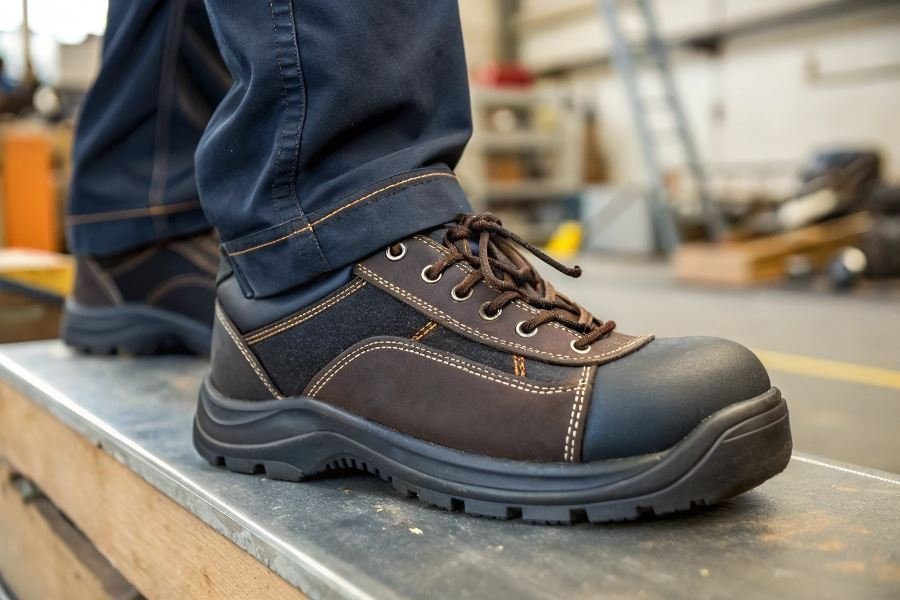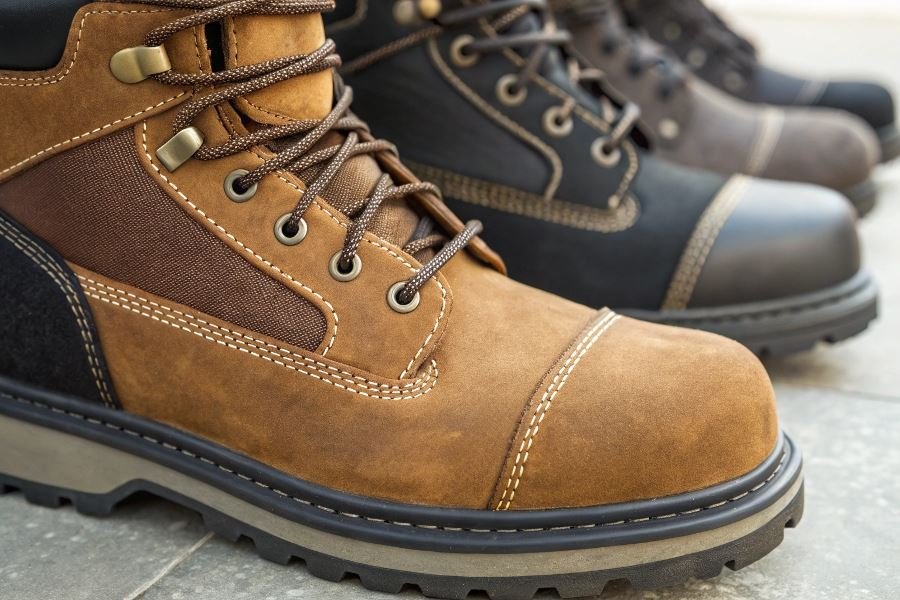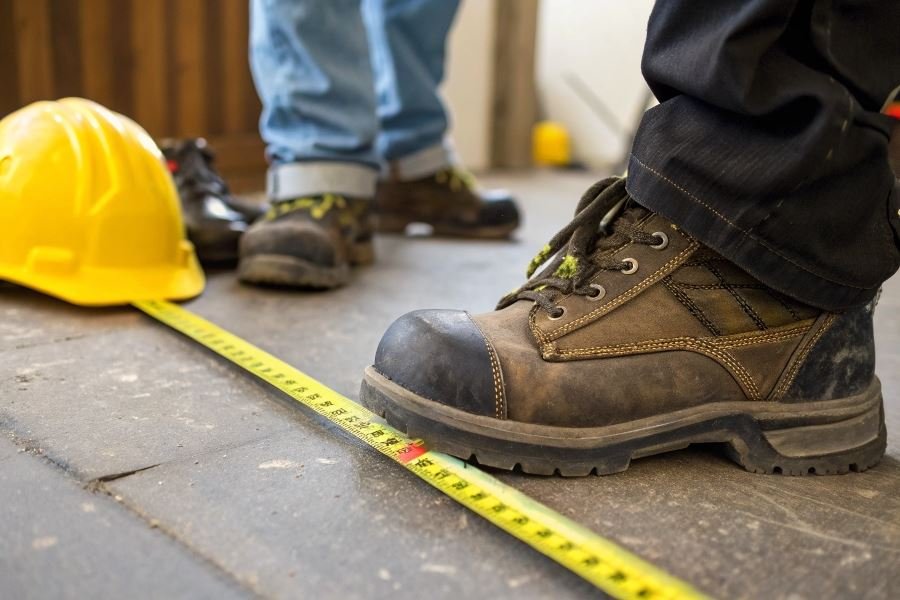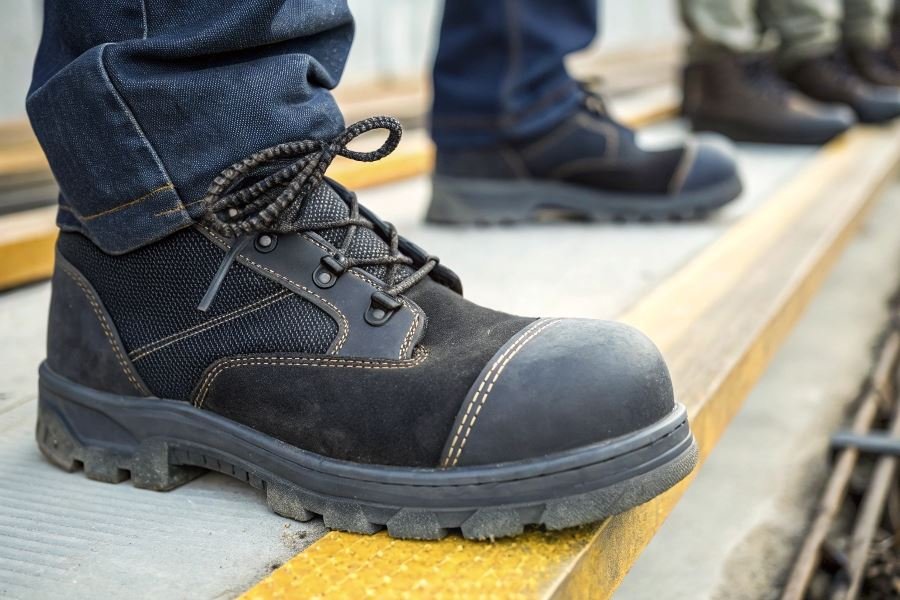
Did you know that foot injuries account for 10% of all reported workplace accidents, with the average injury costing employers over $9,000 in direct expenses? Behind each statistic is a worker whose livelihood—and sometimes mobility—has been compromised by inadequate footwear protection.
Work half-boots aren’t just footwear; they’re your personal insurance policy against workplace hazards. The right protective elements can mean the difference between a productive workday and a trip to the emergency room. Whether you’re navigating construction sites, manufacturing floors, or artisanal workshops, understanding these critical safety features isn’t optional—it’s essential.
The foundation of workplace foot protection
The Occupational Safety and Health Administration (OSHA) established comprehensive footwear standards back in 1970, but these regulations continue to evolve as workplace environments change. Today’s ASTM F2413 standard represents the gold standard for protective footwear, covering everything from compression resistance to electrical hazard protection.
When selecting work half-boots, three factors should guide your decision:
-
Environment-specific protection: Different workplaces present different hazards—chemical exposure, falling objects, electrical risks, or slippery surfaces all demand specific protective elements.
-
Comfort-safety balance: The most protective boot becomes useless if discomfort prevents consistent wear. Look for boots that offer both protection and all-day wearability.
-
Certification verification: Always check for ASTM or equivalent certification marks—these aren’t marketing gimmicks but verified safety guarantees.
“The best safety feature is the one you don’t realize you needed until it saves you from injury.”
Essential Protective Features in Work Half-Boots
When safety meets the worksite, your footwear becomes your first line of defense. The protective elements in work half-boots aren’t just add-ons—they’re engineering marvels designed to keep you safe in hazardous environments. Understanding what protective elements should be in work half-boots can make the difference between comfort and injury, especially in industrial settings where dangers lurk underfoot.
Impact and Compression Protection That Saves Toes
The frontline defenders in quality work boots are toe caps and metatarsal guards. These aren’t your grandfather’s steel caps anymore—though those remain effective options.
Composite toe caps have revolutionized protection, offering ASTM-certified impact resistance without the weight penalty or cold-weather conductivity of steel. Made from materials like carbon fiber, Kevlar, or fiberglass, they provide protection from impacts up to 75 pounds dropped from 18 inches.
Metatarsal guards extend this protection beyond just toes, shielding the entire forefoot area.
“The difference between a quality metatarsal guard and none at all can be measured in preserved bone structure, not just comfort.”
Modern internal met guards integrate seamlessly into the boot design, unlike the external flaps of yesteryear. Timberland Pro and Red Wing offer models with this protection that workers barely notice until they need it.
Puncture Resistance From Ground Up
The threat from below demands serious consideration. Puncture-resistant midsoles prevent sharp objects from penetrating through to your foot.
| Material | Puncture Resistance | Weight Impact |
|---|---|---|
| Steel Plate | Excellent (1,200+ Newtons) | Heavier |
| Kevlar | Very Good (1,100+ Newtons) | Lightweight |
| Composite | Good (1,000+ Newtons) | Lightest |
Modern puncture protection doesn’t stop at the midsole. Advanced outsoles incorporate materials like specialized rubber compounds that resist cuts and abrasions while maintaining flexibility. Vibram outsoles, for instance, offer exceptional puncture resistance without compromising on comfort or flexibility.
The integration of these protective layers must be seamless to prevent pressure points while maintaining structural integrity. The best manufacturers achieve this through multi-density construction techniques that place protection precisely where needed.
Slip Resistance That Grips Reality
The most overlooked yet statistically significant protection comes from slip-resistant tread patterns. According to the Bureau of Labor Statistics, slips and falls account for over 25% of workplace injuries.
Effective slip resistance combines three critical elements:
- Tread pattern design – Multi-directional patterns that channel liquids away from the contact surface
- Rubber compound technology – Softer compounds grip better but wear faster; harder compounds last longer but may sacrifice traction
- Surface area optimization – The perfect balance between lug size and channel width
The coefficient of friction (COF) rating measures a boot’s slip resistance. Look for boots with a COF of 0.40 or higher on wet surfaces. Keen Utility and Wolverine consistently produce boots with exceptional slip resistance ratings.
Advanced outsole materials now incorporate microscopic silica particles that create thousands of additional gripping edges on smooth surfaces. This technology dramatically improves traction on wet tile, metal, and concrete—common surfaces in industrial environments.
When these three protective elements—impact protection, puncture resistance, and slip resistance—come together in a well-designed work half-boot, the result isn’t just safety equipment. It’s peace of mind that walks with you through every hazard the job throws underfoot.
Maximizing Safety: Strategic Selection of Work Half-Boots
Aligning protection with workplace risks
Selecting work half-boots isn’t just about checking boxes—it’s about strategic defense against specific workplace hazards. Construction workers facing falling objects need ASTM F2413-compliant toe protection with 75-pound impact resistance, while electricians require boots with electrical hazard (EH) protection rated at 18,000 volts. Oil rig workers benefit most from slip-resistant outsoles with coefficients of friction exceeding 0.40 on both wet and oily surfaces.
The key is hazard mapping: Analyze your work environment for primary and secondary risks, then prioritize protective elements accordingly. A warehouse worker might prioritize metatarsal guards and puncture-resistant plates, while a landscaper might focus on waterproofing and ankle support.
Protection Precision: The most effective safety footwear isn’t necessarily the most heavily armored—it’s the pair specifically engineered to counter your daily workplace threats.
The protection-comfort equilibrium
The finest work half-boots achieve what seems impossible: robust protection without sacrificing all-day wearability. Modern composite toe caps from manufacturers like Timberland PRO and Red Wing offer ASTM-standard protection while reducing weight by up to 30% compared to traditional steel toes.
Advanced materials have revolutionized this balance:
| Protective Element | Traditional Material | Modern Alternative | Comfort Advantage |
|---|---|---|---|
| Toe Protection | Steel | Carbon-fiber composite | 30% lighter, non-conductive, no thermal transfer |
| Puncture Protection | Steel plate | Aramid fabric | Flexibility, reduced weight, improved breathability |
| Shock Absorption | EVA | Polyurethane with air chambers | 25% more energy return, longer compression resistance |
Ergonomic considerations matter tremendously. Boots with asymmetrical toe boxes accommodate natural foot shape, while anatomically contoured footbeds provide support precisely where needed. Keen Utility exemplifies this with their patented toe protection that follows the natural curve of toes rather than creating a boxy front.
Extending protective performance
Even the most advanced protective elements deteriorate without proper maintenance. Leather uppers with protective coatings require cleaning and conditioning every 2-4 weeks in harsh environments to prevent cracking that compromises structural integrity.
Critical maintenance practices include:
- Removing embedded debris from outsole treads to maintain slip resistance
- Inspecting and replacing worn insoles to preserve shock absorption
- Properly drying boots after exposure to moisture (never near direct heat)
- Applying appropriate protectants based on upper material
Protective elements have specific maintenance requirements. Steel toes should be inspected for dents or deformation after significant impacts, while composite materials should be checked for cracks or splitting. Waterproof membranes like Gore-Tex require specialized cleaners to maintain breathability without compromising water resistance.
The most overlooked maintenance factor? Proper storage. Boots stored compressed or folded can develop structural weaknesses that compromise protection. Use boot trees or stuff with newspaper to maintain shape between wears.
By strategically selecting protective elements that address your specific workplace hazards, balancing protection with comfort through advanced materials, and implementing disciplined maintenance routines, your work half-boots will deliver optimal protection throughout their service life.
Discover the essential protective features every quality work half-boot needs, from impact-resistant toe caps to puncture-proof soles. Learn how to select footwear that meets safety standards while providing comfort for long workdays.
Discover the essential protective features every quality work half-boot needs, from impact-resistant toe caps to puncture-proof soles. Learn how to select footwear that meets safety standards while providing comfort for long workdays.