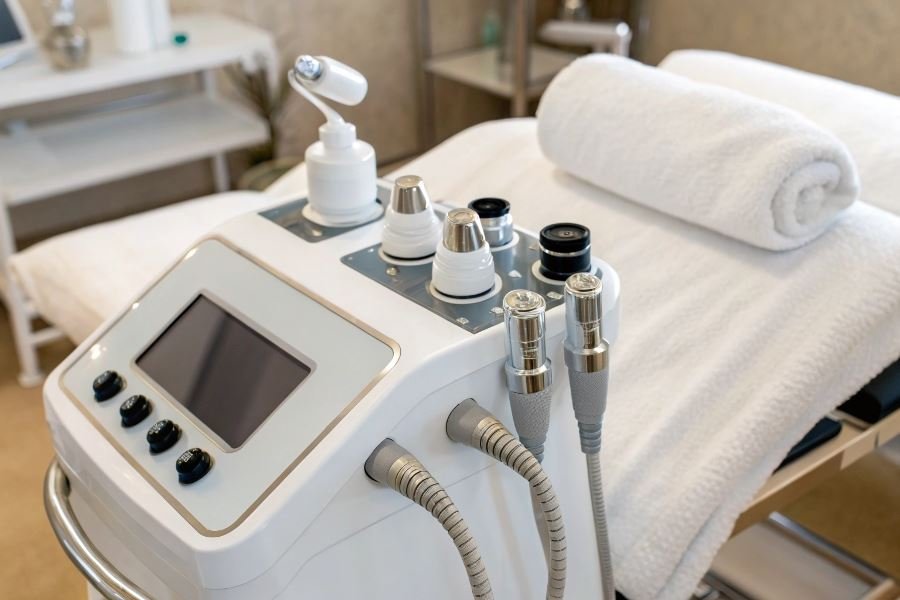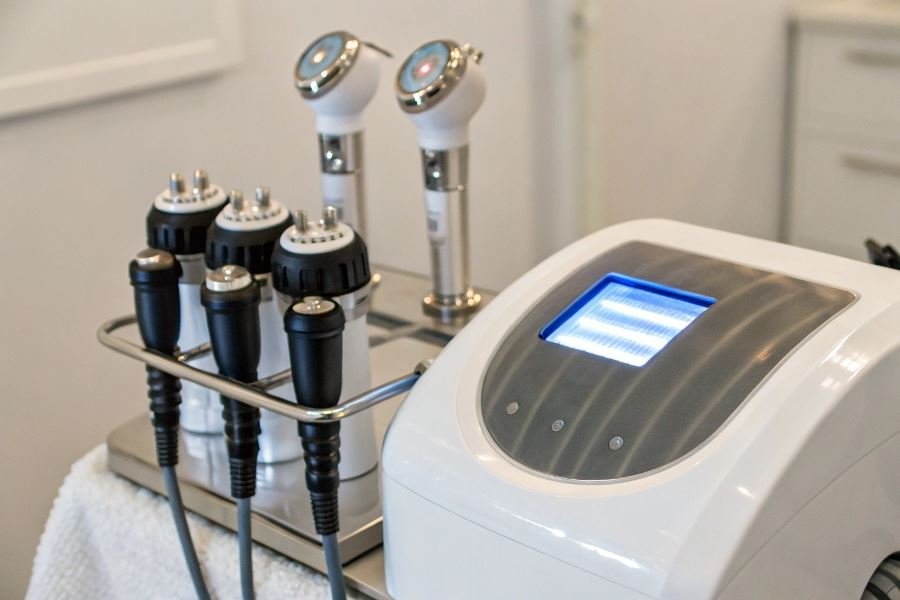
What if you could rewind your skin’s clock without a single incision? That’s not science fiction—it’s the reality of RF lifting technology that’s transforming the beauty industry.
Radio Frequency (RF) technology works on a fascinatingly simple principle: controlled thermal energy delivered precisely to the dermis layer. When these electromagnetic waves penetrate the skin, they create a targeted heating effect that stimulates collagen production—the protein responsible for your skin’s firmness and elasticity. Think of it as waking up your skin’s natural rebuilding mechanisms without damaging the surface.
The benefits extend far beyond temporary tightening. Regular RF treatments trigger a cascade of regenerative processes: increased circulation, lymphatic drainage, and cellular metabolism. The result? Visibly reduced wrinkles, diminished sagging, and that coveted “lifted” appearance that previously required surgical intervention. Most impressive is the cumulative effect—studies show collagen production continues for months after treatment, creating progressive improvement rather than just maintenance.
Today’s RF device market offers unprecedented variety, from professional-grade machines used in high-end clinics to sophisticated home devices. The technology has evolved dramatically since its introduction in the early 2000s, with innovations like multipolar RF, fractional RF, and combination therapies that pair RF with microneedling or light therapy. Premium models now feature precise temperature control, multiple frequency settings, and intelligent feedback systems that adjust energy delivery based on your skin’s response.
The question isn’t whether RF technology works—it’s which system aligns with your specific skin rejuvenation goals.
Essential Features That Define Quality RF Lifting Machines
When evaluating cosmetology machines with RF lifting function, the technical specifications often separate professional-grade equipment from mediocre alternatives. The market has evolved dramatically since radiofrequency technology first entered the aesthetic industry in the early 2000s, with today’s devices offering unprecedented precision and effectiveness.
Power output and frequency range represent the foundation of any RF device’s performance capabilities. Professional machines typically operate between 0.5 MHz and 40 MHz, with optimal skin tightening results generally achieved in the 3-6 MHz range. The power delivery system must provide consistent energy transfer without hotspots or energy drops that could compromise treatment efficacy or patient safety.
Power and Frequency: The Core Performance Metrics
Most premium RF lifting devices offer adjustable power settings ranging from 50W to 200W, allowing practitioners to customize treatments based on:
- Treatment area sensitivity
- Skin thickness variations
- Client comfort thresholds
- Specific aesthetic goals
The frequency selection directly impacts penetration depth—lower frequencies (0.5-1 MHz) penetrate deeper tissues while higher frequencies (6+ MHz) target superficial layers. Elite systems provide variable frequency options rather than fixed settings, enabling true customization for each client’s unique skin condition.
Monopolar vs. Bipolar vs. Tripolar: Choosing Your Weapon
RF technologies employ fundamentally different approaches to energy delivery, each with distinct advantages:
| Technology | Penetration Depth | Heat Distribution | Best Applications |
|---|---|---|---|
| Monopolar | Deep (up to 20mm) | Concentrated | Body contouring, deep tissue remodeling |
| Bipolar | Moderate (2-4mm) | More uniform | Facial tightening, fine lines |
| Tripolar | Controlled (1-6mm) | Highly precise | Combination treatments, sensitive areas |
Monopolar systems like the Thermage FLX deliver energy through a single electrode with a grounding pad, creating focused heating at significant depths. This makes them ideal for addressing laxity in thicker skin areas but requires advanced cooling systems to prevent discomfort.
Bipolar configurations contain both positive and negative electrodes in the handpiece, creating a more controlled energy field. This results in more predictable heating patterns but sacrifices some depth penetration.
Tripolar and multipolar designs represent the latest evolution, offering sophisticated energy distribution that combines the benefits of both previous approaches while minimizing their limitations.
Safety Features and Certification Requirements
The difference between professional-grade and substandard RF equipment often comes down to safety infrastructure. Premium systems incorporate multiple redundant safeguards:
- Real-time temperature monitoring with automatic shutoff protocols
- Integrated cooling systems (contact, cryogen, or thermoelectric)
- Impedance measurement to prevent overtreatment
- Calibration verification systems
From a regulatory perspective, legitimate professional devices must carry appropriate certifications based on market:
- FDA clearance for US distribution
- CE marking for European markets
- ISO 13485 certification for quality management systems
These certifications verify that the device has undergone rigorous testing for both efficacy and safety. Never compromise on certification status—uncertified devices pose significant risks to both practitioners and clients.
The most sophisticated RF lifting machines also feature intuitive user interfaces with treatment protocols, patient tracking capabilities, and diagnostic systems that alert operators to potential issues before they impact treatment quality or safety.
Making the Smart Investment in RF Lifting Technology
Professional vs Home Devices: The Real Cost Equation
When evaluating RF lifting machines, the price tag is just the beginning of the story. Professional-grade devices typically range from $5,000 to $30,000, while home-use alternatives hover between $200 and $1,500. But this 10-20x price differential demands deeper analysis.
Professional Thermage or Venus Freeze systems deliver 50-100 watts of RF power compared to home devices’ 5-15 watts. This translates to dramatically different results: professional treatments often show visible lifting after 1-3 sessions, while home devices require 8-12 weeks of consistent use for modest improvements.
The value proposition isn’t about initial cost—it’s about results per dollar spent over time.
For practitioners, the ROI calculation is straightforward:
| Device Type | Initial Investment | Sessions Before Results | Revenue Potential (Annual) | Client Satisfaction Rate |
|---|---|---|---|---|
| Professional | $15,000 | 1-3 | 60, 000−120,000 | 85-95% |
| Home-Use | $800 | 24-36 | N/A | 40-65% |
The professional equipment pays for itself within 4-8 months of regular operation, while delivering superior, consistent results.
Longevity and Maintenance: The Hidden Cost Factors
The lifespan of your RF investment depends heavily on maintenance protocols. Professional machines are built with industrial-grade components designed for 7-10 years of daily use, provided they receive proper care.
Maintenance requirements typically include:
- Quarterly calibration checks ($200-400 per service)
- Annual parts replacement (handpieces, electrodes, cooling systems)
- Biennial software updates (sometimes included in service contracts)
Premium manufacturers like BTL and Alma Lasers offer comprehensive service packages that reduce downtime to less than 48 hours, protecting your revenue stream.
Home devices, while requiring less formal maintenance, typically fail after 2-3 years of regular use—often just outside warranty periods. Their disposable nature ultimately makes them more expensive per treatment when calculated over their useful life.
Strategic Integration with Existing Services
The most successful RF lifting implementations don’t exist in isolation. They become powerful revenue multipliers when strategically integrated with complementary procedures.
Synergistic service combinations:
- RF lifting + microneedling (increases collagen production by 32%)
- RF treatments + specialized skincare regimens (improves results longevity by 40%)
- RF sessions + LED therapy (reduces recovery time by 25%)
Cutera and InMode systems are particularly noted for their versatility in multi-modality practices, allowing practitioners to customize treatment protocols for each client’s unique needs.
Smart integration also extends to your business model. Offering tiered packages that combine RF lifting with other services can increase average client spend by 60-85% while delivering superior outcomes that drive referrals.
The ultimate investment decision comes down to your specific business goals, client demographics, and existing service menu. But one thing remains clear: properly selected and integrated RF technology delivers one of the highest returns on investment in modern aesthetic practice—both financially and in terms of client satisfaction.
Discover how to select professional RF lifting machines with optimal power, technology type, and safety features. Compare monopolar, bipolar, and tripolar options for effective skin tightening and rejuvenation treatments.
Discover how to select professional RF lifting machines with optimal power, technology type, and safety features. Compare monopolar, bipolar, and tripolar options for effective skin tightening and rejuvenation treatments.