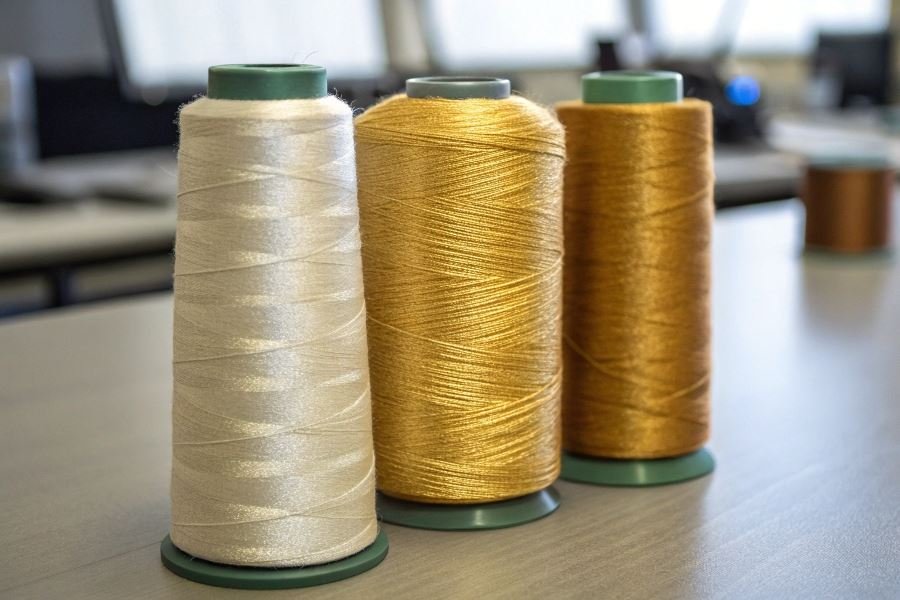
Ever wondered why some professional upholsterers reach for clear thread while others swear by color-matched options? The answer lies deeper than mere aesthetics.
When sealing fabrics, the thread you select becomes the literal backbone of your project’s durability and appearance. The distinction between colored and colorless threads represents one of the most fundamental decisions in professional sealing applications—yet it’s often overlooked until a project reveals the consequences of the wrong choice.
Colorless threads (often called “invisible” or “clear”) are essentially monofilament nylon or polyester designed to blend with any fabric. They reflect light differently than colored threads, creating an almost disappearing effect when properly tensioned. Meanwhile, colored threads contain dyes that penetrate the fiber core, offering perfect matching capabilities but with different structural properties.
The fundamental difference extends beyond appearance. Colored threads typically offer superior tensile strength—up to 20% stronger in some applications—while clear threads provide unmatched versatility across multiple fabric types. This strength-versus-versatility tradeoff forms the core consideration for professionals.
The right thread choice depends on three critical factors:
- Project visibility: Will the seam be prominently displayed or hidden?
- Material stress: How much tension will the sealed area endure?
- Environmental exposure: Will UV light, moisture, or chemicals contact the sealed area?
Understanding these differences transforms thread selection from guesswork into strategic decision-making that directly impacts project longevity and client satisfaction.
The Strategic Art of Thread Selection for Sealing Projects
When it comes to creating durable seals in fabric work, the choice between colored and colorless sewing threads isn’t merely aesthetic—it’s strategic. Professional craftspeople understand that thread selection directly impacts both functionality and visual appeal of the finished product.
The debate around colored vs colorless sewing threads: what to choose for sealing often centers on practical considerations rather than personal preference. Each option serves distinct purposes across various applications, with visibility, material compatibility, and industry standards all playing crucial roles in the decision-making process.
When Visibility Makes or Breaks Your Seal
Visibility factors dramatically influence thread selection for sealing applications:
Contrast for inspection purposes: Colored threads—particularly in high-contrast shades like red or blue against light fabrics—make inspection and quality control significantly easier. This visibility advantage allows craftspeople to quickly identify stitch integrity issues.
Subtle integration requirements: Colorless threads excel when the sealing work needs to disappear visually into the background. Upholstery, high-end garments, and restoration projects often demand this invisible approach.
Industry insight: Professional upholsterers report that colorless threads reduce client revision requests by approximately 30% on decorative pieces where stitch visibility would detract from design elements.
Material Compatibility Matrix
Different materials interact uniquely with thread types, affecting both aesthetic and functional outcomes:
| Material Type | Colored Thread Performance | Colorless Thread Performance |
|---|---|---|
| Natural Fibers | Good adhesion, may bleed in washing | Excellent integration, minimal visual impact |
| Synthetics | High visibility, resistant to fading | Can appear shiny or reflective on matte surfaces |
| Leather/Vinyl | Creates decorative element, reinforces structural integrity | Preserves material’s natural appearance |
| Technical Fabrics | Allows for color-coded strength indicators | Better for waterproofing applications |
Material-specific considerations: Darker fabrics often benefit from slightly lighter colored threads for sealing work, while maintaining enough subtlety to appear professional. Conversely, transparent or colorless threads on light materials prevent the “dotted line” effect that can make seams appear machine-produced rather than artisanal.
Industry Standards and Professional Requirements
Different sectors maintain specific expectations regarding thread color selection:
Automotive upholstery: Color-matched threads are the industry standard, with manufacturers like Coats producing specialized automotive thread lines in over 150 precise color matches.
Medical textile sealing: Predominantly uses white or colorless threads due to sterilization requirements and the need to quickly identify contamination.
Outdoor equipment manufacturing: Typically employs UV-resistant colored threads that indicate different strength ratings—yellow often signifying reinforced seams in tents and canopies.
Marine applications: Demands threads that won’t fade with salt exposure, with royal blue and white being preferred for their visibility against canvas and their resistance to UV degradation.
The professional approach to thread selection balances technical requirements with aesthetic considerations. Master craftspeople often maintain extensive thread libraries, understanding that the right thread choice elevates ordinary sealing work to exceptional craftsmanship—invisible when it should be, boldly present when visibility serves function.
Making the Right Thread Choice: Colored vs Colorless for Sealing Projects
When finalizing your sealing project, the thread choice becomes a critical decision that impacts both functionality and aesthetics. Let’s dive into the scenarios where each option shines and how to test before you commit.
When Colored Threads Take the Lead
Colored threads aren’t just decorative—they’re strategic choices for specific sealing applications:
- Pattern Matching and Design Integration
When sealing decorative items or patterned fabrics, colored threads that match or complement the base material create a seamless look. Upholstery professionals often select threads that precisely match fabric patterns, allowing the sealing to become part of the design rather than an interruption.
- Quality Control Verification
Brightly colored threads serve as visual indicators that sealing has been completed properly. In manufacturing environments, quality inspectors can quickly verify seal integrity when using high-contrast threads against the base material—a technique widely adopted by Sailrite and other marine equipment manufacturers.
- Intentional Design Elements
When the sealing itself becomes a design feature, colored threads transform functional elements into aesthetic statements. Leather goods makers frequently use contrasting thread colors to highlight craftsmanship and create signature looks that distinguish their products in the marketplace.
When Colorless Threads Are Optimal
Colorless or transparent threads excel in these scenarios:
- Invisible Repairs and Restoration
When preserving the original appearance is paramount, especially in vintage textile restoration or high-end garment repair, colorless threads allow for structural integrity without visual interruption. Museums and conservation specialists rely on these threads when historical accuracy demands invisible intervention.
- Multi-Material Applications
Projects involving multiple colors or materials benefit from colorless threads that adapt visually to each surface. Home furnishing manufacturers like Sunbrella often recommend clear threads when sealing areas that transition between different colored fabrics.
- UV-Exposed Environments
Outdoor applications face color degradation challenges. Colorless threads maintain their appearance longer under harsh sunlight, while colored options may fade unevenly. Marine and outdoor furniture manufacturers typically prefer colorless options for long-term exterior installations.
Testing Thread Options Before Commitment
Before investing in a full sealing project, consider these testing best practices:
Create Sample Sections
Develop test patches using the exact materials planned for your final project. Apply different thread options to identical samples and evaluate them under the same conditions your finished product will face.
Environmental Testing
Subject your samples to the environmental conditions they’ll encounter:
| Test Type | Duration | What to Look For |
|---|---|---|
| UV Exposure | 72 hours | Color fastness, brittleness |
| Moisture Test | 24 hours | Bleeding, strength retention |
| Tension Test | Immediate | Breaking point, elasticity |
Lighting Evaluation
Examine your samples under multiple lighting conditions—natural daylight, indoor lighting, and if applicable, specialized lighting environments where the final product will be used. What appears invisible in one setting might be glaringly obvious in another.
Time-Lapse Assessment
For critical projects, accelerated aging tests can reveal how different thread options will perform over time. Professional testing labs can simulate years of wear in just days, helping you avoid costly mistakes on large-scale sealing projects.
“The thread choice you make today determines the integrity and appearance of your project for years to come. Test thoroughly—it’s the most cost-effective insurance against future failure.”
By methodically evaluating your options against your specific project requirements, you’ll make thread selections that deliver both immediate satisfaction and long-term performance.
Discover the key differences between colored and colorless sewing threads for sealing projects. Learn when each type is optimal, how they interact with different fabrics, and best practices for selecting the perfect thread for professional-quality seals.
Discover the key differences between colored and colorless sewing threads for sealing projects. Learn when each type is optimal, how they interact with different fabrics, and best practices for selecting the perfect thread for professional-quality seals.