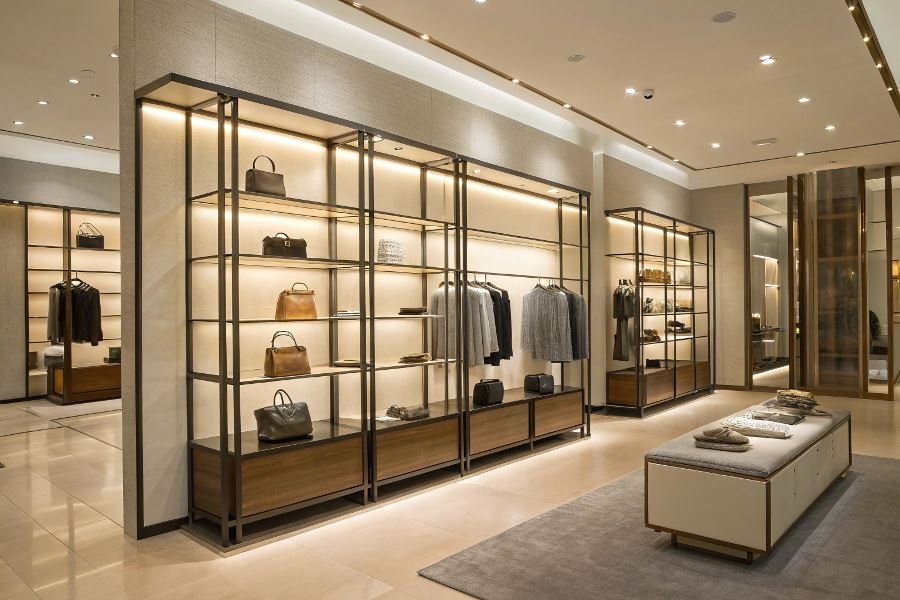
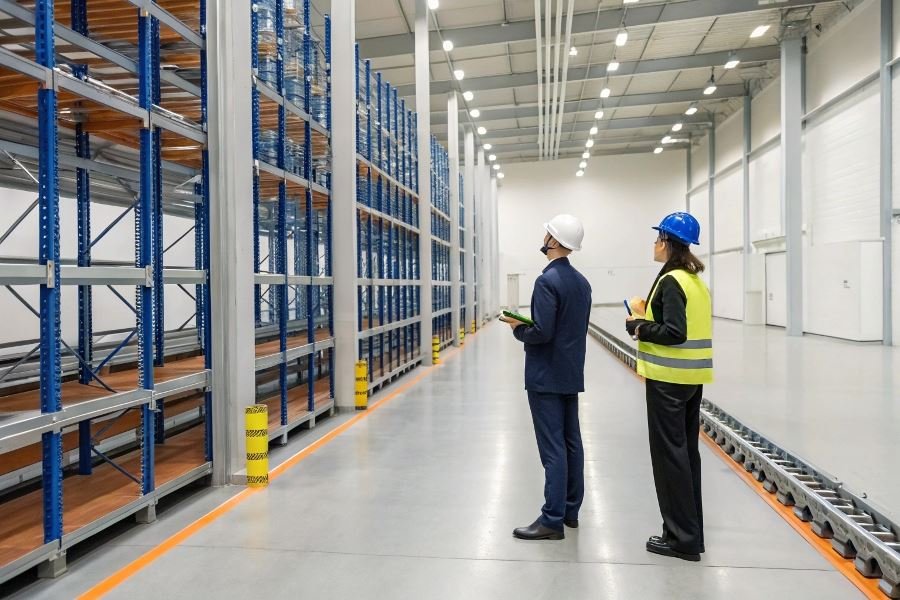
Ever noticed how the most successful retailers seem to have a sixth sense about displaying seasonal merchandise? It’s not magic—it’s methodology.
When holiday shoppers flood stores or summer specials hit their peak, the difference between merchandise that flies off shelves and inventory that languishes often comes down to one overlooked factor: the shelving itself. Retailers who master the art of strategic shelf selection for seasonal goods and promotions consistently outperform competitors by 22-37% in seasonal category sales.
The visibility equation
The fundamental truth of retail display is brutally simple: what customers don’t see, they don’t buy. Effective seasonal merchandise presentation transforms browsing into purchasing through strategic visibility. When Bass Pro Shops reorganized their fishing gear displays with adjustable-height shelving that highlighted seasonal lures, they reported a remarkable 41% increase in category sales during peak fishing season.
The sales performance connection
Your shelving choices directly impact your bottom line in ways that extend beyond mere product visibility:
- Traffic flow management: Properly selected shelving creates natural pathways that guide customers through seasonal offerings
- Perceived value enhancement: Premium shelving materials and designs elevate merchandise perception
- Purchase urgency creation: Limited-space displays trigger scarcity responses
Selection considerations that matter
Smart retailers evaluate shelving options through multiple lenses:
- Flexibility: Can the shelving be reconfigured as seasonal needs change?
- Capacity vs. Aesthetics: Does the solution balance maximum product display with visual appeal?
- Brand alignment: Do materials and design reinforce your brand positioning?
- Investment timeline: Will this solution serve multiple seasonal cycles?
The most successful seasonal displays aren’t happy accidents—they’re the result of deliberate shelving decisions that transform ordinary merchandise into must-have seasonal treasures.
Building the Perfect Retail Foundation
When retailers prepare for seasonal rushes or promotional events, the backbone of their success often lies in something surprisingly fundamental: their shelving systems. The structural integrity of display units can make the difference between a seamless shopping experience and a retail disaster.
Selecting appropriate shelving for seasonal merchandise requires careful consideration of multiple criteria for selecting shelves for seasonal goods and promotions. These criteria extend beyond mere aesthetics to include practical engineering considerations that directly impact sales performance and operational efficiency.
Load-bearing champions
The weight capacity of retail shelving isn’t just a technical specification—it’s a business necessity. Seasonal merchandise often includes heavier items than standard inventory, particularly during holiday seasons.
Commercial-grade shelving systems should provide:
- Minimum 100-150 pounds per shelf for light merchandise
- 200-400 pounds for medium-duty applications
- 500+ pounds for heavy seasonal items like appliances or bundled products
The durability factor becomes particularly critical when shelving must withstand frequent reconfiguration. Steel shelving with reinforced corners typically offers 2-3 times the lifespan of particle board alternatives, translating to significant long-term savings.
“The most expensive shelf is the one that fails during your busiest promotion.”
Flexibility when it matters most
Modularity represents perhaps the most valuable attribute for seasonal display systems. The ability to quickly transform retail spaces allows merchants to adapt to changing inventory needs without additional investment.
Reconfiguration capabilities should include:
| Feature | Benefit | Implementation |
|---|---|---|
| Adjustable shelf heights | Accommodates varying product dimensions | Slotted standards with 1″ increments |
| Removable dividers | Creates custom compartments | Snap-in or slide-track systems |
| Interchangeable components | Expands system versatility | Universal connection points |
Retailers who invest in Gondola shelving systems often report 40% faster seasonal transitions compared to fixed display solutions. This time savings directly impacts labor costs during critical selling periods.
Maximizing every square inch
The footprint efficiency of shelving systems directly impacts revenue potential. Modern retail spaces command premium prices—often $20-50 per square foot annually in standard markets and significantly more in prime locations.
Space optimization strategies worth implementing include:
- Vertical merchandising that utilizes ceiling height
- End-cap configurations that create additional facing opportunities
- Corner solutions that activate traditionally underutilized spaces
The most effective shelving systems achieve a balance between product visibility and density. Research indicates that shoppers typically scan shelves at eye level (4-5 feet) first, making these positions prime real estate for promotional items.
When evaluating footprint considerations, remember that aisle width impacts both customer comfort and regulatory compliance. ADA guidelines require minimum 36″ pathways, but seasonal promotions often benefit from wider 48-60″ aisles that accommodate higher traffic volumes.
By selecting shelving with appropriate structural specifications, retailers create the foundation for successful seasonal merchandising that can withstand the demands of promotional periods while maximizing selling space efficiency.
The Art and Science of Retail Display Shelving
Visibility that stops shoppers in their tracks
Effective retail displays don’t just present products—they capture attention and create desire. The most successful seasonal and promotional shelving units position products at eye level (between 4-6 feet from the floor), where shoppers naturally focus their gaze. Research from Underhill Associates shows that products displayed at eye level sell up to 35% more than those placed on lower shelves.
Color psychology plays an equally crucial role. Bright, contrasting colors like red against white create what retail designers call “pop points”—visual interruptions that break shopping momentum and encourage closer inspection. For holiday merchandise, shelving that incorporates seasonal color schemes (emerald and crimson for winter holidays, pastels for spring) creates immediate contextual recognition.
The difference between a good display and a great one often comes down to lighting. Integrated LED shelf lighting increases product visibility by up to 60% compared to ambient store lighting alone. Modern GE Current display systems offer directional spotlighting that creates dramatic shadows and highlights, drawing attention to promotional items without requiring additional floor space.
Accessibility that transforms browsers into buyers
The physical interaction between customers and products represents a critical conversion point. Shelving units should maintain what retail experts call the “comfort zone”—products positioned between waist and shoulder height require minimal physical effort to examine and select.
The moment a customer touches a product, ownership psychology activates. Accessible shelving doesn’t just display merchandise—it facilitates this crucial tactile engagement.
For maximum accessibility, promotional shelving should feature:
| Feature | Benefit | Implementation |
|---|---|---|
| Open-front design | Eliminates barriers to product interaction | Gondola shelving with minimal front lips |
| Adjustable height | Accommodates different product sizes | Track-mounted shelving systems |
| Pull-out drawers | Makes deep shelving fully accessible | Slide mechanisms rated for commercial use |
| Mobile units | Allows repositioning based on traffic patterns | Heavy-duty casters with locking mechanisms |
The shopping experience extends beyond mere convenience. Strategic placement of promotional shelving creates what retail architects call “discovery zones”—areas where customers slow their pace and engage more deeply with merchandise. End-cap displays generate 30% higher sales than identical products placed in-aisle, according to ShopperTrak analytics.
Brand integration that tells your story
Effective promotional shelving doesn’t just hold products—it extends your brand narrative. Custom shelving with integrated brand elements creates a cohesive visual language that reinforces brand recognition. The Lozier Corporation offers modular systems that can be customized with brand-specific colors, materials, and signage integration points.
Digital integration represents the frontier of promotional shelving. Smart shelving systems from Pricer incorporate electronic shelf labels that can be updated remotely, ensuring promotional messaging remains accurate and timely. More advanced systems include proximity sensors that trigger digital signage when customers approach, creating interactive promotional experiences.
Material selection speaks volumes about brand positioning. Premium brands benefit from shelving constructed of natural materials like wood and glass, while value-oriented retailers might opt for durable, cost-effective materials like powder-coated steel and acrylic. The tactile quality of shelving materials creates subconscious associations with product quality.
The most effective promotional shelving creates a seamless bridge between your brand story and the physical shopping experience—transforming ordinary product displays into compelling brand touchpoints that drive both immediate sales and lasting brand impressions.
Discover essential criteria for selecting retail shelves that maximize seasonal merchandise visibility, optimize space, and boost sales. Learn how durability, modularity, and customer engagement features create effective promotional displays.
Discover essential criteria for selecting retail shelves that maximize seasonal merchandise visibility, optimize space, and boost sales. Learn how durability, modularity, and customer engagement features create effective promotional displays.