Did you know that workplace injuries increase by 25% during extreme temperature months? That’s not just a statistic—it’s a wake-up call for businesses across America.
When temperatures soar above 90°F or plummet below freezing, the clothing protecting your workforce becomes more than a uniform—it becomes a critical safety system. Seasonal work robes have evolved dramatically, with specialized features designed to combat specific environmental challenges while maintaining industry compliance and worker comfort.
“The right workwear isn’t just about comfort—it’s about productivity, safety, and ultimately, your bottom line.”
The climate-safety connection
Temperature extremes affect human performance in predictable ways. Heat stress can reduce cognitive function by up to 20%, while cold environments decrease manual dexterity by nearly 30%. Quality seasonal workwear directly counteracts these effects.
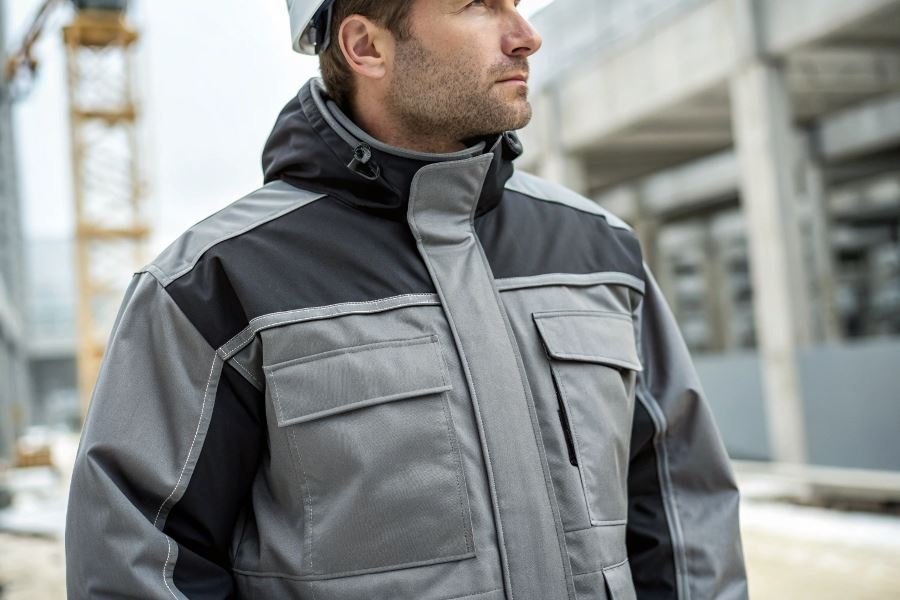
Summer models prioritize breathability and moisture-wicking capabilities, often incorporating UV protection and lightweight, flame-resistant fabrics for industries with heat exposure risks. Winter variants focus on insulation without bulk, featuring layering systems and wind-resistant outer shells that maintain mobility.
Industry-specific considerations
Different sectors face unique seasonal challenges:
| Industry | Summer Concerns | Winter Concerns |
|---|---|---|
| Construction | Heat stroke, UV exposure | Hypothermia, reduced mobility |
| Healthcare | Cross-contamination, comfort | Warmth while maintaining sterility |
| Manufacturing | Heat from machinery, sweat management | Cold storage protection, static control |
The most effective workwear solutions consider both universal seasonal principles and the specific demands of your industry. The investment pays dividends in reduced sick days, fewer accidents, and improved workforce retention.
Essential Features of Summer Work Robes: Beating the Heat Without Sacrificing Safety
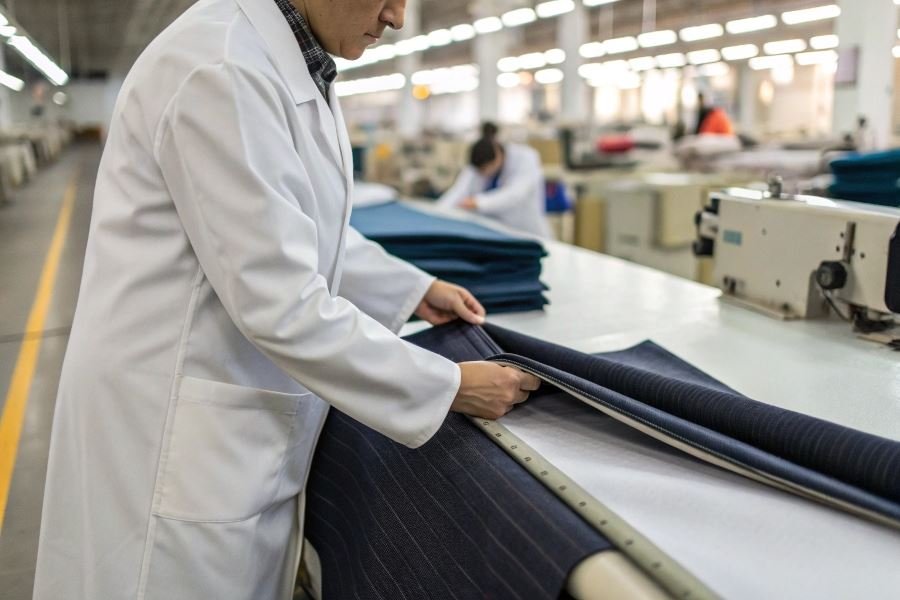
When temperatures climb, the last thing workers need is heavy, stifling workwear that turns every movement into an endurance test. Yet protection can’t be compromised for comfort. The evolution of summer work apparel represents one of the most significant innovations in occupational safety equipment, creating garments that protect workers while helping them stay productive during scorching conditions.
Understanding the features that distinguish summer and winter work robes requires examining the specific challenges of warm-weather environments. Seasonal work robes: features of summer and winter models differ dramatically in their construction, with summer variants engineered specifically to manage heat, humidity, and sun exposure while maintaining necessary protection standards. The best summer workwear doesn’t just feel lighter—it actively works to keep the wearer cool and comfortable.
Breathable Fabric Technologies That Actually Work
Modern summer work robes utilize advanced textile engineering that would have seemed like science fiction just decades ago. The breakthrough comes from micro-ventilation systems built directly into fabrics, creating pathways for heat to escape while maintaining structural integrity.
Leading manufacturers now incorporate mesh panels strategically positioned at heat zones like the underarms, back, and chest areas.
The most effective breathable fabrics include:
| Fabric Technology | Benefits | Best Applications |
|---|---|---|
| Ripstop Cotton Blends | Natural cooling, tear-resistant | Light industrial, outdoor work |
| Performance Polyester | Exceptional durability, lightweight | Manufacturing, logistics |
| CORDURA® Air | Ultra-breathable, abrasion-resistant | Construction, utilities |
| Bamboo-Tech Composites | Antimicrobial, sustainable cooling | Food processing, healthcare |
Moisture Management: The Unsung Hero of Summer Workwear
When the mercury rises, perspiration becomes inevitable. The difference between adequate and exceptional summer work robes lies in how they handle moisture.
Advanced wicking technologies pull sweat away from the skin through capillary action, transporting it to the garment’s outer surface where it can evaporate quickly. This evaporative cooling effect can reduce perceived temperature by up to 7-10 degrees Fahrenheit in optimal conditions.
“Moisture management isn’t just about comfort—it’s a critical safety feature that prevents heat-related illness and maintains cognitive function during physically demanding tasks.”
The best moisture-wicking work robes incorporate multi-layer systems that maintain dryness even during continuous exertion in high-humidity environments.
UV Protection: The Invisible Shield
For workers spending hours under direct sunlight, UV protection becomes non-negotiable. Premium summer work robes now feature fabrics with UPF 50+ ratings, blocking over 98% of harmful UV radiation without requiring additional chemical treatments.
These protective properties are achieved through:
- Tight weave construction that physically blocks UV rays
- Reflective thread technologies that bounce radiation away
- Specialized dyes that absorb UV before it reaches the skin
The most advanced models maintain these protective qualities even after repeated industrial washing cycles—a crucial consideration for workwear that faces harsh conditions daily.
Mobility Meets Minimal Weight
The final frontier in summer workwear innovation focuses on reducing weight without sacrificing durability. Today’s premium summer work robes typically weigh 30-40% less than their winter counterparts while maintaining necessary tear and abrasion resistance.
Articulated designs with strategic stretch panels allow for full range of motion without the bulkiness of traditional workwear. Reinforced stress points ensure these lighter garments stand up to demanding work environments without premature failure.
The combination of these features creates summer work robes that protect workers from environmental hazards while actively helping them maintain productivity and safety in challenging conditions.
Winter Work Robes That Mean Business
When temperatures plummet and work must continue, the right winter work robe becomes more than apparel—it transforms into critical equipment. The evolution of winter workwear has accelerated dramatically, with manufacturers leveraging advanced materials science to create garments that protect workers without compromising mobility or comfort.
Insulation that revolutionizes protection
Modern winter work robes have abandoned the bulky, movement-restricting designs of yesteryear. Today’s insulation technologies represent quantum leaps in thermal efficiency while maintaining surprisingly slim profiles.
Thinsulate™ by 3M leads the charge with microfibers that trap body heat while allowing moisture vapor to escape. These fibers, measuring just 15 micrometers in diameter (compared to 40-50 micrometers for polyester), create exceptional warmth-to-weight ratios that keep workers comfortable in temperatures as low as -20°F.
The difference between standard and advanced insulation becomes starkly apparent during extended outdoor shifts, where core temperature maintenance directly impacts both safety and productivity.
PrimaLoft® insulation, originally developed for the U.S. Army, offers another premium option with its water-resistant properties that maintain 96% of warmth even when wet—a critical feature for unpredictable winter conditions.
Weather-defying outer layers
The battle against winter elements requires sophisticated defense systems built directly into work robes.
Waterproofing technologies have evolved beyond simple coatings to include:
| Technology | Water Resistance | Breathability | Durability |
|---|---|---|---|
| GORE-TEX® Pro | 28,000mm+ | Excellent | 5+ years |
| eVent™ | 30,000mm+ | Superior | 3-5 years |
| Hyvent® | 25,000mm | Good | 2-3 years |
Wind resistance features now incorporate strategic seam sealing and reinforced collars with microfleece linings. The best winter work robes include wind-blocking panels specifically positioned to protect vital areas like the chest and kidneys without restricting range of motion.
Strategic layering systems
The most advanced winter work robes embrace the science of layering, incorporating multiple functional zones within a single garment.
Three-in-one designs feature:
- Removable thermal liners that adapt to changing conditions
- Moisture-wicking base layers integrated directly into the garment
- Outer shells with adjustable ventilation systems
This adaptability proves invaluable during transitional weather or when moving between indoor and outdoor environments. Workers can fine-tune their protection without returning to lockers or vehicles, maintaining productivity throughout shifts.
Visibility in the darkness
Winter’s reduced daylight hours create additional hazards that modern work robes address through integrated visibility systems.
ANSI/ISEA 107-2020 compliant high-visibility elements now appear in increasingly sophisticated forms:
- Segmented reflective tape that maintains flexibility
- Photoluminescent materials that “charge” in ambient light
- LED-integrated panels with 500+ hour battery life
These visibility features are strategically positioned at movement points—wrists, shoulders, and waist—to create distinctive human silhouettes even in low-visibility conditions.
The most effective winter work robes don’t merely add these elements as afterthoughts but integrate them into the fundamental design, ensuring they enhance rather than compromise the garment’s primary protective functions.
When selecting winter work robes, prioritize these critical elements while considering your specific working environment. The investment in quality winter workwear pays dividends in worker safety, comfort, and productivity during the most challenging months of the year.
Discover the essential differences between summer and winter work robes, from breathable fabrics and UV protection to insulation and waterproofing technologies. Learn how to select appropriate seasonal workwear for optimal safety, comfort, and productivity.
Discover the essential differences between summer and winter work robes, from breathable fabrics and UV protection to insulation and waterproofing technologies. Learn how to select appropriate seasonal workwear for optimal safety, comfort, and productivity.