Ever wondered why that $200 serum works wonders for your friend but does nothing for you? Your skin’s unique biology holds the answer. Beneath the surface, a complex orchestra of cellular repair mechanisms operates differently for each of us—influenced by genetics, environment, and lifestyle factors that create your skin’s distinctive fingerprint.
Skin restoration isn’t just about applying products; it’s about strategic intervention in your skin’s natural healing processes. Research published in the Journal of Investigative Dermatology reveals that skin cells communicate through intricate signaling pathways when damage occurs, triggering repair mechanisms that vary dramatically between individuals.
Why one-size-fits-all approaches fail: Your skin’s barrier function, sebum production, and cellular turnover rate create a unique ecosystem that responds selectively to active ingredients. What rejuvenates dry, mature skin might trigger inflammation in sensitive or acne-prone complexions.
The science of effective skin restoration hinges on three critical factors:
- Biocompatibility – how well ingredients integrate with your skin’s natural processes
- Penetration efficiency – whether actives reach their target depth
- Ingredient synergy – how components work together to amplify results
Understanding these factors transforms skincare from guesswork into precision treatment. The most effective restoration regimens address your skin’s specific repair needs rather than following generic recommendations.
“The future of skin restoration lies not in universal solutions but in understanding the unique language of each person’s skin biology.” – Dr. Leslie Baumann, dermatologist and researcher
Unlocking Your Skin’s Potential Through Restoration
Finding the perfect restorative agent for your skin isn’t just about following trends—it’s about understanding the science behind what your specific skin needs. The marketplace is flooded with products promising miraculous results, but the key to actual transformation lies in matching the right formulation to your unique skin profile.
Before investing in any skincare product, establishing criteria for choosing a restorative agent for different skin types becomes essential for achieving meaningful results. This personalized approach ensures you’re not just applying random products but strategically addressing your skin’s specific requirements.
Know your canvas: Skin type identification
Your skin tells a story—you just need to learn how to read it. Identifying your skin type forms the foundation of effective restoration:
- Dry skin appears flaky, tight, and often lacks elasticity. It craves lipid-rich formulations that reinforce the moisture barrier.
- Oily skin exhibits excess sebum production, enlarged pores, and a characteristic shine. It benefits from lightweight, non-comedogenic formulations.
- Combination skin presents with an oily T-zone (forehead, nose, chin) while cheeks remain normal or dry. This requires targeted application techniques.
- Sensitive skin reacts easily with redness, irritation, or burning sensations. It demands gentle, fragrance-free formulations with minimal ingredients.
- Aging skin shows decreased elasticity, fine lines, and uneven texture. It responds well to peptide-rich, antioxidant-packed formulations.
The most expensive product isn’t necessarily the right one—the perfect match speaks your skin’s language.
Ingredient intelligence: The building blocks of restoration
The effectiveness of any restorative agent hinges on its active ingredients:
| Skin Concern | Key Ingredients | Benefits |
|---|---|---|
| Dehydration | Hyaluronic Acid, Glycerin, Ceramides | Deep hydration, moisture barrier repair |
| Hyperpigmentation | Vitamin C, Niacinamide, Alpha Arbutin | Brightening, evening skin tone |
| Texture Issues | AHAs, BHAs, Retinoids | Cell turnover, smoothing |
| Sensitivity | Centella Asiatica, Allantoin, Oat Extract | Calming, reducing inflammation |
| Loss of Firmness | Peptides, Growth Factors, Coenzyme Q10 | Collagen stimulation, elasticity |
When examining ingredient lists, position matters—components listed first appear in higher concentrations. Equally important is avoiding ingredients that trigger your specific sensitivities.
Beyond ingredients: Formulation sophistication
The delivery system of your restorative agent dramatically impacts its effectiveness:
Texture considerations:
- Lightweight gels penetrate quickly, ideal for oily/combination skin
- Rich creams provide lasting hydration for dry/mature skin
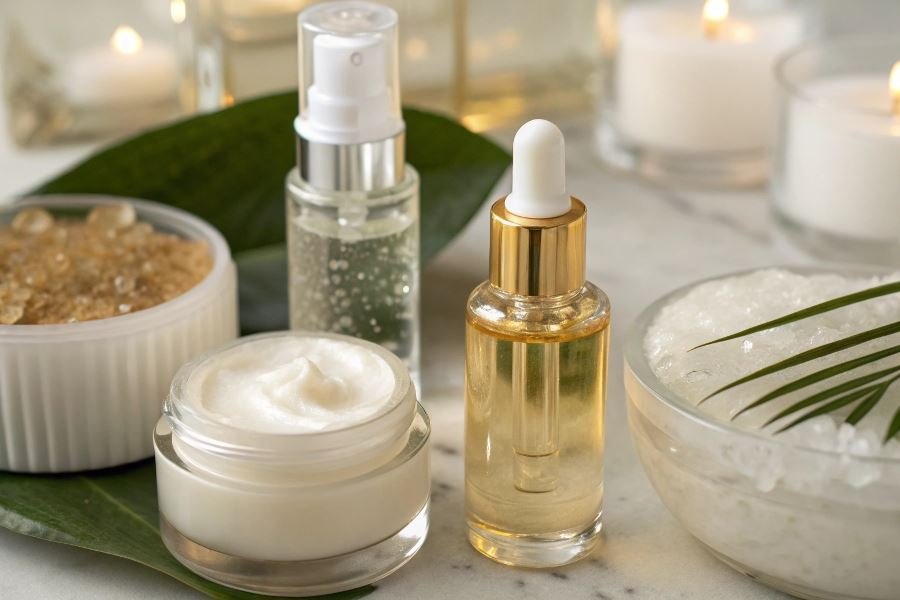
- Serums deliver concentrated actives with smaller molecular structures
- Oils seal in moisture and nutrients, best as final steps
Absorption technology:
- Liposomal delivery systems enhance ingredient penetration by up to 30%
- Microencapsulation protects sensitive ingredients until they reach target cells
- Time-release formulations provide sustained benefits throughout the day
The pH of your restorative agent also matters significantly—products with a pH between 4.5-5.5 work harmoniously with your skin’s natural acid mantle, enhancing barrier function while optimizing ingredient efficacy.
By approaching skin restoration with this systematic framework, you transform the overwhelming world of skincare into a precise science tailored to your unique needs. The result isn’t just better skin—it’s skin functioning at its optimal potential.
Mastering Your Personalized Skin Restoration Journey
Building a consistent restoration routine
The most effective skin restoration doesn’t happen with random product applications—it requires strategic consistency. Your skin’s regenerative cycle typically spans 28-30 days, meaning that meaningful results demand patience and regular application. When establishing your routine, consider your skin’s natural rhythms:
The difference between occasional treatment and consistent restoration is the difference between renting and owning your results.
Start by identifying your primary skin concerns and selecting 2-3 key restorative agents that address these specific needs. For example, those with dry skin might implement a hydrating serum containing Hyaluronic Acid in the morning and a reparative ceramide cream at night. Document your skin’s response using photos taken in consistent lighting every two weeks—this visual timeline provides objective feedback on your progress.
Layering products correctly also maximizes effectiveness. The general rule follows molecular weight: apply water-based products before oil-based ones, and lighter textures before heavier formulations. This sequencing ensures optimal penetration and prevents product waste.
Adapting selection criteria as skin evolves
Your skin isn’t static—it responds to seasonal changes, hormonal fluctuations, and environmental stressors. What works brilliantly in January might underperform by July. Proactive adaptation is essential for maintaining restoration momentum.
Consider creating a seasonal adjustment protocol:
| Season | Common Skin Changes | Adaptation Strategy |
|---|---|---|
| Winter | Increased dryness, sensitivity | Boost lipid content, reduce exfoliation frequency |
| Spring | Transitional reactivity | Introduce antioxidants, gradual texture improvements |
| Summer | Oil production changes, sun damage | Lightweight hydration, increased photoprotection |
| Fall | Pigmentation, barrier recovery | Targeted brightening, barrier reinforcement |
Beyond seasons, major life events like pregnancy, relocation to different climates, or significant stress periods may necessitate complete restoration strategy overhauls. The key indicator that your criteria need adjustment? When products that once delivered visible improvements suddenly plateau or cause irritation.
Track these changes systematically—a simple spreadsheet noting environmental conditions, product responses, and visible outcomes creates valuable personal data that outperforms generic recommendations.
Recognizing when professional intervention is necessary
While self-directed skin restoration works for many concerns, certain conditions warrant professional guidance. Persistent issues that don’t respond to consistent, well-formulated product applications after 8-12 weeks typically signal the need for specialized intervention.
Consider consulting a dermatologist or licensed esthetician when:
- Restoration products cause consistent irritation despite proper application
- Skin texture changes appear suddenly or asymmetrically
- Pigmentation patterns develop irregular borders or rapid growth
- Barrier function remains compromised despite dedicated restoration efforts
Professional treatments like HydraFacial or medical-grade peels can accelerate restoration when plateaus occur. These interventions often provide concentrated delivery mechanisms that home care cannot match.
Remember that professional guidance doesn’t replace your personalized routine—it enhances it. The most successful restoration journeys combine clinical expertise with your daily commitment to evidence-based product selection and application consistency.
Discover how to select the perfect skin restorative agent tailored to your unique skin type. Learn essential criteria for matching ingredients, formulations, and textures to effectively address your specific skin concerns and restoration goals.
Discover how to select the perfect skin restorative agent tailored to your unique skin type. Learn essential criteria for matching ingredients, formulations, and textures to effectively address your specific skin concerns and restoration goals.