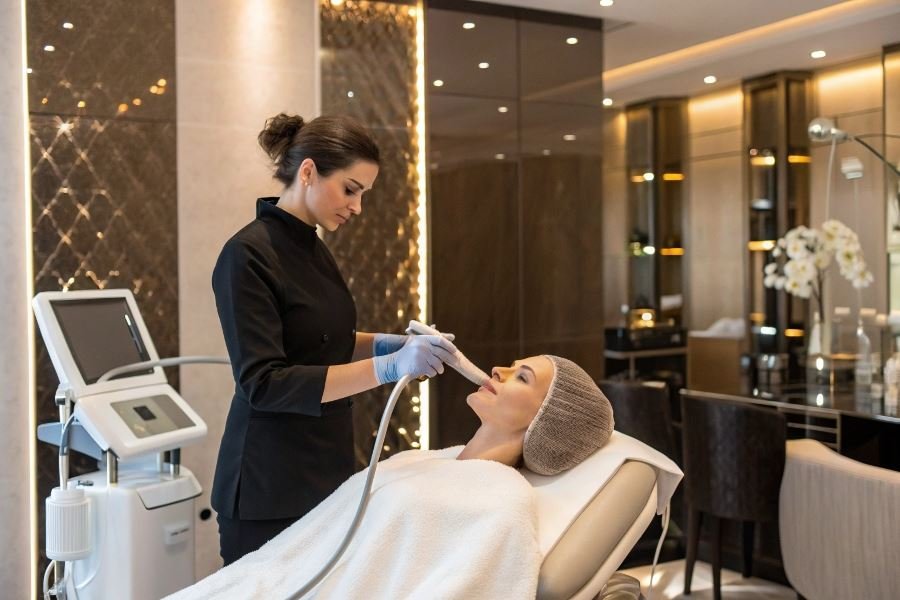
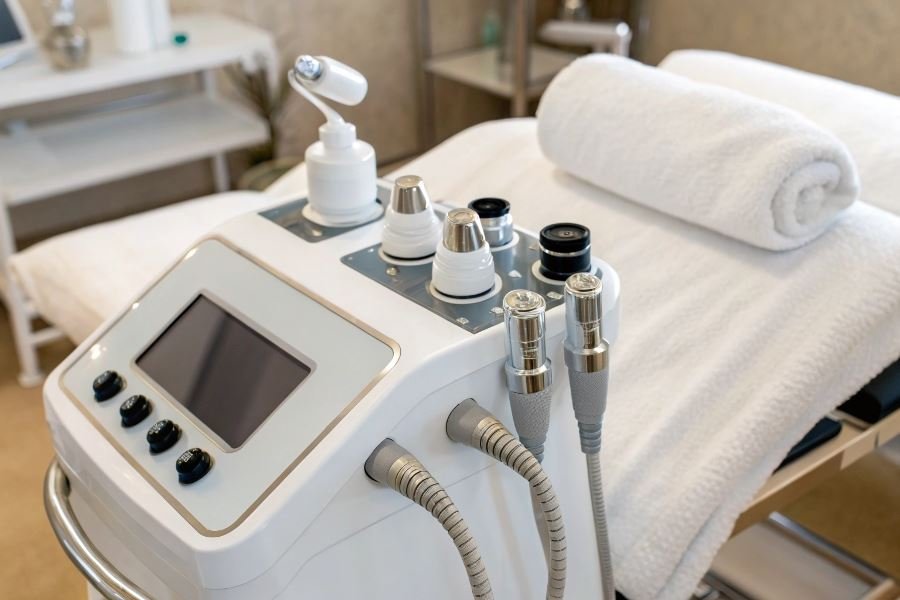
The $15.2 billion professional beauty equipment market has a secret: savvy buyers are increasingly turning to pre-owned devices, often saving 40-60% without sacrificing quality.
When investing in used cosmetology equipment, you’re not just making a purchase—you’re making a strategic business decision that could dramatically impact your bottom line and service quality. The market for pre-owned professional beauty devices has evolved significantly, with certified refurbished equipment emerging as a legitimate alternative to the often budget-crushing prices of new machines.
The current landscape: Opportunity meets caution
The pre-owned cosmetology equipment market has matured considerably, with specialized resellers, manufacturer-certified refurbishment programs, and online marketplaces creating a robust ecosystem. High-end laser systems, RF devices, and microdermabrasion machines that once depreciated rapidly now retain significant value—and functionality—when properly maintained.
The upside is substantial: acquiring professional-grade equipment at 40-60% below retail prices, reduced depreciation, and immediate availability compared to sometimes lengthy manufacturer lead times. Many buyers report that properly vetted used equipment performs identically to new units for years of service.
The hidden costs of uninformed decisions
However, the stakes are equally high. Unlike consumer electronics, professional beauty equipment carries unique risks:
- Regulatory compliance issues that could lead to facility violations
- Calibration problems affecting treatment efficacy and client safety
- Parts availability challenges for discontinued models
- Hidden usage history that might dramatically shorten remaining service life
The evaluation process isn’t just about saving money—it’s about ensuring the equipment meets professional standards, complies with regulations, and delivers consistent results for your clients. Without proper assessment, that “bargain” could quickly become your business’s most expensive mistake.
Technical Essentials for Used Cosmetology Equipment
When evaluating pre-owned aesthetic devices, the technical assessment phase separates savvy buyers from those who might face costly repairs down the road. What to pay attention to when buying a used cosmetology machine extends far beyond cosmetic appearance—it’s about understanding the heart and brain of these sophisticated systems.
Performance Testing That Reveals Truth
The moment of truth for any used cosmetology device comes during operational testing. Don’t just watch a quick demonstration—insist on running the machine through its complete treatment cycles.
Key performance indicators include:
- Power stability during maximum output settings
- Consistent energy delivery across multiple test runs
- Response time between setting adjustments
- Calibration accuracy (particularly critical for laser and RF devices)
- Cooling system efficiency under extended operation
A Cynosure laser that fluctuates in power output or an Alma RF device with inconsistent energy delivery will compromise treatment results and potentially harm clients. Request before-and-after treatment photos from the current owner to verify the machine still delivers professional-grade results.
The Machine’s Life Story Matters
Age alone doesn’t determine a device’s value—its usage history tells the real story.
Every cosmetology machine carries its biography in its maintenance records.
| Documentation Element | What It Reveals | Red Flags |
|---|---|---|
| Service Records | Professional maintenance frequency | Gaps exceeding manufacturer recommendations |
| Usage Counter | Actual treatment hours | Hours inconsistent with claimed usage |
| Repair History | Component reliability | Multiple repairs of the same system |
| Calibration Certificates | Accuracy verification | Expired or missing certifications |
For high-end equipment like Syneron-Candela devices, request the machine’s full service history directly from the manufacturer using the serial number. Most reputable manufacturers maintain detailed service records that can verify the seller’s claims about usage and maintenance.
Software: The Invisible Backbone
Modern aesthetic equipment relies heavily on software that requires regular updates for optimal performance and safety.
Critical software considerations include:
- Current firmware version compared to manufacturer’s latest release
- Update availability for discontinued models
- Compatibility with current operating systems for connected devices
- Proprietary software transfer rights (some manufacturers restrict licenses)
- Security patches for networked devices
A Venus Concept machine running outdated firmware might lack critical safety features or treatment protocols developed after its release. Before purchase, contact the manufacturer to confirm update availability and whether software licenses transfer with ownership.
Insider tip: Some manufacturers offer “certified pre-owned” programs with software updates and limited warranties—often worth the premium over private sales for sophisticated computerized systems.
The technical evaluation of used cosmetology equipment requires methodical assessment beyond surface appearances. By thoroughly examining operational functionality, verifying the device’s history, and ensuring software compatibility, you’ll make an investment that serves your business reliably rather than becoming an expensive lesson in due diligence.
The Smart Buyer’s Guide to Used Cosmetology Equipment
Navigating certification and compliance waters
When investing in pre-owned cosmetology equipment, certification status should be your first checkpoint. FDA-cleared devices maintain their regulatory approval regardless of ownership changes, but you need verification. Request the original certification documentation and cross-reference the serial number with manufacturer records. The FDA maintains searchable databases of approved devices—use them.
European equipment should carry CE marking, indicating compliance with health, safety, and environmental protection standards. This isn’t just bureaucratic paperwork—it’s your legal shield and client safety guarantee.
Industry insight: Equipment manufactured before significant regulatory changes (like the 2015 FDA reclassification of certain laser devices) may operate under different compliance frameworks. Know which rules apply to your specific device.
State-level regulations vary dramatically. California and New York enforce particularly stringent requirements for used medical-grade cosmetic equipment. Your state board of cosmetology can provide location-specific compliance information.
Warranty protection in the secondary market
The warranty landscape for pre-owned equipment differs significantly from new purchases. Manufacturer warranties rarely transfer to secondary owners, but this doesn’t mean you’re unprotected:
- Third-party warranties: Specialized insurers offer coverage packages specifically for used medical equipment
- Seller warranties: Reputable resellers often provide 30-90 day limited warranties
- Service contracts: Available separately from warranties, these cover maintenance but not parts
After-purchase support availability determines your equipment’s long-term viability. Before purchasing, contact the original manufacturer to confirm:
- Parts availability timeline (typically 5-7 years after model discontinuation)
- Technician certification requirements
- Software update eligibility
The true cost equation
Initial purchase price represents only a fraction of your total investment. A comprehensive Total Cost of Ownership (TCO) analysis reveals the complete financial picture:
| Cost Category | Considerations | Typical Impact |
|---|---|---|
| Replacement Parts | Availability, compatibility, pricing | 15-25% of purchase price annually |
| Consumables | Frequency of replacement, proprietary requirements | Ongoing monthly expense |
| Maintenance | Preventive service intervals, technician rates | 10-20% of purchase price annually |
| Software | Update fees, subscription requirements | Variable based on technology |
| Training | Operator certification, continuing education | Often overlooked expense |
Older equipment typically demands more frequent maintenance. Request maintenance records from the seller to identify recurring issues and establish a realistic repair budget.
Consumables represent a significant ongoing expense. Some manufacturers employ the “printer model”—selling equipment at competitive prices while generating revenue through proprietary consumables. Research compatibility with generic alternatives before committing.
Parts availability becomes increasingly critical as equipment ages. Some manufacturers discontinue components for models older than 7-10 years, potentially rendering otherwise functional equipment obsolete. Establish a parts sourcing strategy before purchase.
By thoroughly evaluating certification status, warranty options, and total ownership costs, you transform from a hopeful buyer into an informed investor. The right pre-owned equipment purchase combines immediate savings with long-term operational viability—a balance that requires diligence but delivers substantial rewards.
Discover essential factors to evaluate when purchasing pre-owned cosmetology equipment. Learn how to assess functionality, verify maintenance history, check certification status, and analyze total ownership costs for a smart investment in used beauty devices.
Discover essential factors to evaluate when purchasing pre-owned cosmetology equipment. Learn how to assess functionality, verify maintenance history, check certification status, and analyze total ownership costs for a smart investment in used beauty devices.