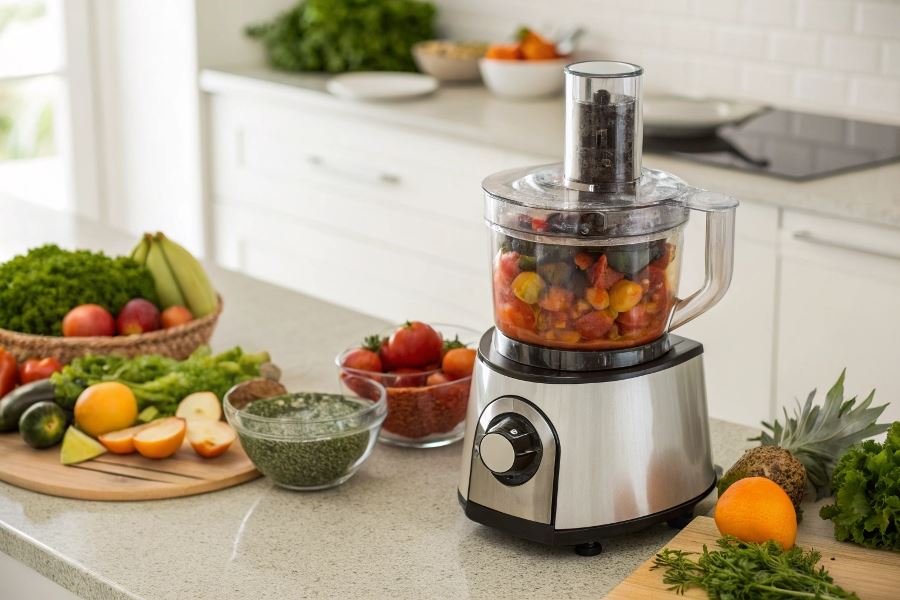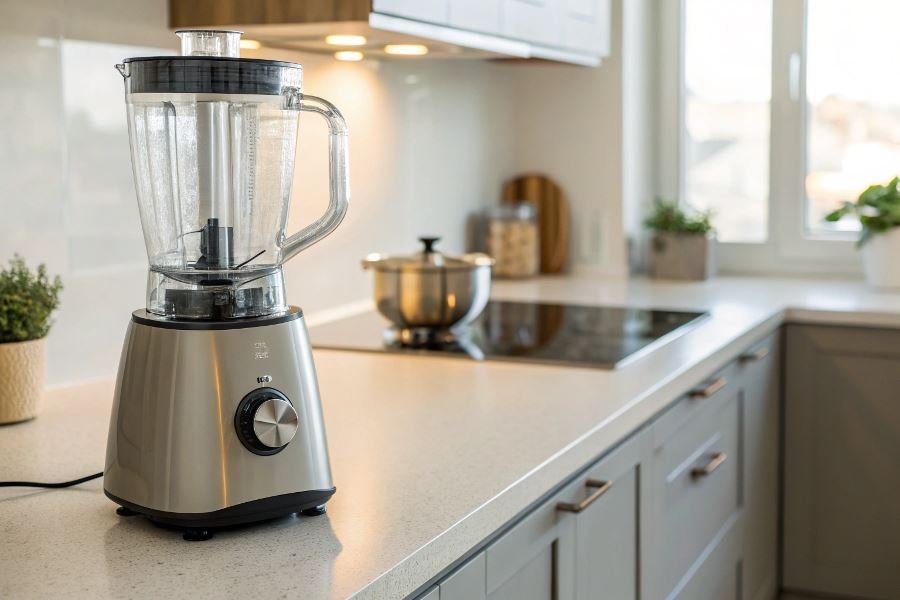
Ever calculated how much your kitchen appliances are silently adding to your utility bills? The average American household spends over $2,000 annually on energy costs, with kitchen appliances consuming up to 15% of that total. That’s money literally going down the drain with every slice, dice, and blend.
Energy-efficient food processors represent a revolution in kitchen technology that pays dividends long after purchase. These powerhouse machines deliver the same performance while consuming significantly less electricity—often 30-50% less than conventional models. The math is simple: lower energy consumption equals lower utility bills month after month, year after year.
The efficiency advantage defined
Energy efficiency in kitchen processors isn’t just marketing jargon—it’s measurable performance. Modern efficient processors utilize advanced motors, improved insulation, and intelligent power management systems that activate only the necessary components for each task. The best models now feature variable speed controls that adjust power consumption based on the resistance encountered, rather than running at full capacity regardless of need.
Market evolution and consumer benefits
The market for energy-efficient food processors has matured dramatically, with manufacturers competing on both performance and efficiency ratings. Energy Star certified models now dominate retail shelves, offering transparent metrics on expected energy consumption.
“The initial investment in a high-efficiency processor typically pays for itself within 2-3 years through energy savings alone—not counting the extended lifespan these quality machines typically offer.”
Beyond the immediate financial benefits, these smart kitchen workhorses contribute to reduced carbon footprints and more sustainable home management—proving that environmental responsibility and fiscal prudence can indeed work hand in hand.
The Economics of Kitchen Efficiency
When evaluating kitchen processors, the sticker price tells only a fraction of the story. Smart buyers look beyond the initial cost to understand the complete financial picture. Energy-efficient kitchen processors: long-term savings represent one of the most overlooked aspects of kitchen appliance purchases, yet they can dramatically impact your bottom line over years of ownership.
Initial Investment vs. Lifetime Value
The premium for energy efficiency typically adds 15-30% to upfront costs, but this investment pays dividends. Consider this comparison:
| Model Type | Average Price | Annual Energy Cost | 10-Year Total Cost |
|---|---|---|---|
| Standard Processor | $199 | $48 | $679 |
| Energy-Efficient | $259 | $21 | $469 |
The math speaks volumes. While you might pay $60 more initially for an energy-efficient KitchenAid or Cuisinart processor, you’ll save approximately $210 over a decade of use. This 30% reduction in total ownership cost represents significant savings that accelerate with rising energy prices.
Energy Metrics That Matter
Understanding energy consumption requires looking at specific metrics:
Wattage ratings tell only part of the story. A 1000W processor that completes tasks in half the time of a 700W model may actually consume less energy per task.
Efficiency ratios measure work output relative to energy input. The best models deliver more processing power per watt, completing tasks faster while drawing less electricity.
Modern energy-efficient processors incorporate:
- Variable speed motors that adjust power based on load
- Smart sensors that optimize energy use for specific ingredients
- Thermal management systems that prevent overheating and wasted energy
These technologies translate to measurable utility bill reductions. Households using energy-efficient kitchen processors 3-4 times weekly typically save $27-35 annually—savings that compound with increased usage patterns.
The Durability Dividend
Maintenance requirements and durability factors significantly impact total ownership costs:
The most expensive processor is the one you have to replace prematurely.
Energy-efficient models often feature:
- Superior build quality with higher-grade materials that resist wear
- Advanced motor design with less heat generation, reducing component stress
- Better cooling systems that extend electronic component lifespan
These quality differences manifest in extended service life. While standard processors typically last 5-7 years, premium energy-efficient models from manufacturers like Breville and Ninja frequently deliver 10+ years of reliable service.
Maintenance costs also favor efficient models. Standard processors require parts replacement approximately every 3 years at an average cost of $45 per maintenance cycle. Energy-efficient models typically extend this interval to 5+ years, reducing lifetime maintenance expenses by 40%.
When factoring in replacement frequency, energy consumption, and maintenance requirements, energy-efficient processors deliver approximately 45% lower total cost of ownership over a 15-year period—transforming what initially appears as a premium purchase into a savvy financial decision that pays dividends with every use.
Maximizing Long-Term Savings with Energy-Efficient Kitchen Processors
The humble kitchen processor—that versatile countertop workhorse—has evolved dramatically in recent years. Today’s energy-efficient models don’t just chop, blend, and purée; they do it while consuming significantly less electricity and delivering substantial long-term savings. Let’s dive into how these modern marvels can transform your kitchen economics.
Investment champions with exceptional ROI
The initial sticker price of premium kitchen processors often causes sticker shock, but the math tells a compelling story when you factor in energy consumption over time:
-
Breville Sous Chef 16 Pro – This powerhouse combines a 1200W motor with intelligent power management, consuming up to 40% less energy than comparable models. At $399, it pays for itself within 3-4 years through reduced electricity costs and remarkable durability (average lifespan: 8+ years). Its variable speed settings allow you to use only the power needed for each task.
-
KitchenAid K400 Variable Speed Blender – Featuring an Intelli-Speed motor control that senses contents and maintains optimal speed, this $299 investment uses approximately 30% less energy than standard blenders. Its self-cleaning cycle uses minimal water and energy, adding to long-term savings.
-
Cuisinart Elemental 13-Cup Food Processor – At $249, this model incorporates an energy-efficient induction motor that delivers consistent power while using up to 25% less electricity. The sealed design prevents energy loss and extends motor life, with users reporting 6-7 years of reliable service.
| Model | Initial Cost | Energy Savings/Year | Expected Lifespan | Total Lifetime Savings |
|---|---|---|---|---|
| Breville Sous Chef | $399 | $48 | 8+ years | $384+ |
| KitchenAid K400 | $299 | $35 | 7+ years | $245+ |
| Cuisinart Elemental | $249 | $30 | 6+ years | $180+ |
Energy efficiency best practices
The processor you choose matters, but how you use it dramatically affects energy consumption:
- Right-size your processing: Using a 16-cup processor for small jobs wastes energy. Match processor size to typical usage patterns.
- Maintain sharp blades: Dull blades require more power and processing time. Sharpen or replace blades regularly—most manufacturers recommend every 12-18 months for heavy users.
- Clean after each use: Food residue creates drag on motors. A quick rinse immediately after use prevents buildup that forces motors to work harder.
- Use pulse function strategically: Continuous operation consumes more power than intermittent pulsing for many tasks.
The most energy-efficient processor is the one that’s properly maintained. Regular cleaning and blade sharpening can improve efficiency by up to 25%.
Beyond the electric bill
Energy efficiency delivers benefits far beyond direct power savings:
Time efficiency translates to real dollars. Modern energy-efficient processors complete tasks in 30-40% less time than older models. For small business owners producing goods in home kitchens, this efficiency can mean processing an additional 2-3 batches per day.
Enhanced performance preserves ingredients. Energy-efficient motors generate less heat, maintaining the nutritional integrity of processed foods. This reduces waste and extends the shelf life of prepared items—particularly important for small-batch producers.
Surprising resale value. Premium energy-efficient processors retain up to 60% of their value after 5 years, compared to 25-30% for standard models. This creates a genuine asset rather than a disposable appliance.
The most compelling aspect of energy-efficient processors isn’t the immediate gratification of lower electric bills—it’s the compound effect of multiple efficiency gains across years of ownership. For serious home cooks and small-scale producers, these machines aren’t expenses; they’re investments with measurable returns.
Discover how energy-efficient food processors can reduce your utility bills while delivering superior performance. Learn about top models, ROI analysis, and maintenance tips that maximize savings for years to come.
Discover how energy-efficient food processors can reduce your utility bills while delivering superior performance. Learn about top models, ROI analysis, and maintenance tips that maximize savings for years to come.