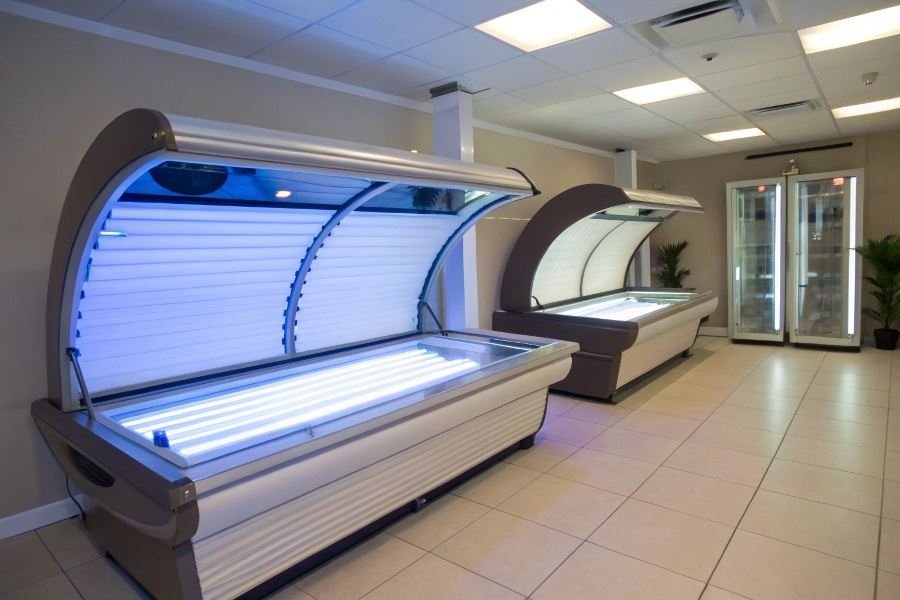
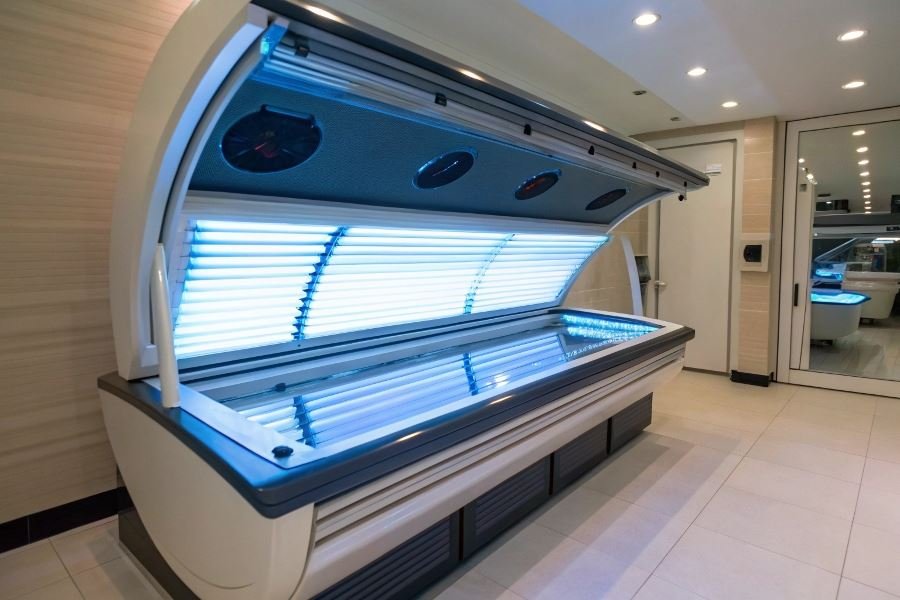
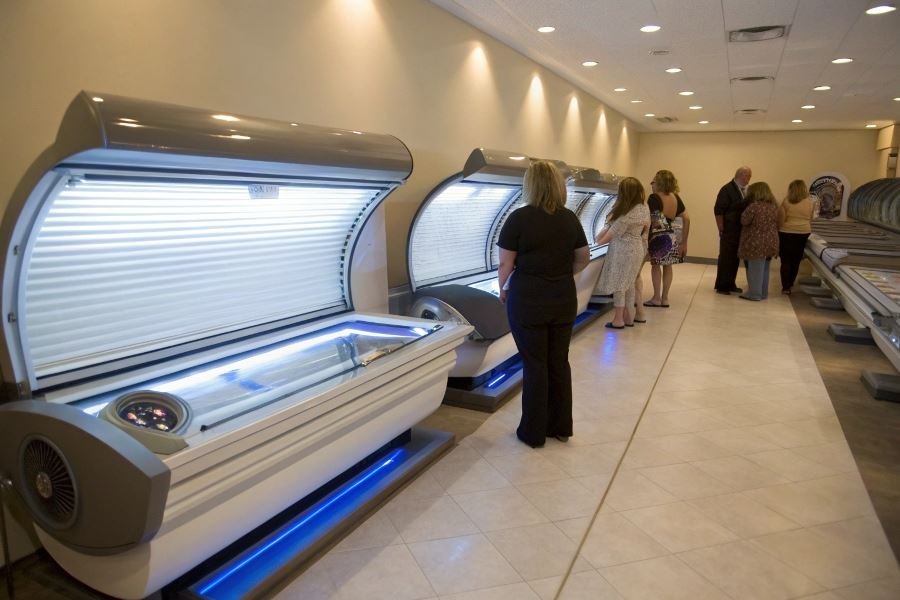
Ever walked into a tanning salon and noticed that distinct smell? That’s not just the scent of beauty in progress—it’s potentially harmful chemicals circulating in confined spaces. The ventilation system working silently above your head might be the most critical safety feature you’re not paying attention to.
When choosing a tanning salon, most people focus on bed types, pricing packages, and ambiance. Yet the invisible air quality factor could be the difference between a healthy glow and respiratory issues. Proper ventilation systems in tanning environments serve three critical functions: removing excess heat, eliminating airborne chemicals, and controlling humidity levels.
The FDA has documented numerous cases where inadequate ventilation contributed to adverse health effects. Tanning beds emit not just UV rays but also volatile organic compounds (VOCs) from cleaning products and body oils that vaporize under heat. Without proper air exchange, these compounds concentrate to potentially harmful levels.
Industry standards require a minimum of 2-3 complete air exchanges per hour in tanning rooms. Top-tier salons exceed this standard with 5-6 exchanges hourly. This isn’t just regulatory compliance—it’s smart business. Well-ventilated salons report equipment lasting 20-30% longer due to reduced heat stress and moisture damage.
The client experience transforms dramatically with proper airflow. Beyond safety, comfort increases substantially when temperature remains consistent and the air feels fresh. The difference between a premium salon experience and a questionable one often comes down to this invisible but essential system.
The Engineering Behind Salon Air Quality
When selecting a tanning salon, most clients focus on bed quality and pricing packages. However, the ventilation system working quietly in the background might be the most critical factor for both comfort and health. Proper air circulation doesn’t just prevent that distinctive tanning salon smell—it’s essential for removing potentially harmful airborne particles and maintaining optimal operating conditions for equipment.
The importance of ventilation systems in tanning salons cannot be overstated when making your selection. A well-designed system protects clients and staff from excessive heat, manages humidity levels that could damage equipment, and eliminates the chemical odors associated with tanning solutions. The difference between a premium salon experience and a subpar one often comes down to these invisible but crucial engineering decisions.
Air Exchange Requirements By Salon Size
Effective ventilation starts with understanding the appropriate air exchange rate—the number of times per hour the entire volume of air should be replaced. This isn’t a one-size-fits-all calculation:
| Salon Size (sq ft) | Recommended Air Changes/Hour | Minimum CFM Required |
|---|---|---|
| Small (under 1,000) | 8-10 | 1,000-1,500 |
| Medium (1,000-2,500) | 10-12 | 1,500-3,000 |
| Large (2,500+) | 12-15 | 3,000+ |
Commercial-grade HVAC systems specifically designed for tanning environments typically offer higher cubic feet per minute (CFM) ratings than residential systems. For individual tanning rooms, dedicated exhaust fans should provide 50-100 CFM per booth, with strategic placement to create a complete air circulation pattern.
Temperature Management Integration
The relationship between temperature control and ventilation represents one of the most delicate balancing acts in salon design. Tanning beds generate significant heat—up to 100°F in enclosed spaces—requiring sophisticated integration between cooling and air exchange systems.
Smart thermostatic controls now allow salon owners to maintain the ideal temperature range of 72-76°F while simultaneously managing air exchange rates. The most advanced systems from Mitsubishi Electric and Carrier offer zoned temperature management that can:
- Automatically adjust cooling based on bed usage patterns
- Maintain different temperatures in waiting areas versus tanning rooms
- Reduce energy consumption by up to 30% compared to non-integrated systems
- Provide remote monitoring capabilities for salon managers
Humidity and Odor Control Solutions
The final component of an effective salon ventilation system addresses both humidity management and odor control. Tanning environments naturally create moisture through client perspiration and cleaning processes, while tanning solutions and disinfectants introduce distinctive odors.
Optimal humidity levels should remain between 40-60%—high enough to prevent skin dryness but low enough to inhibit bacterial growth. Commercial dehumidification systems integrated with the primary ventilation offer the most reliable solution, particularly in high-volume salons.
For odor management, multi-stage filtration represents the gold standard:
- Pre-filters to capture larger particles
- HEPA filtration for microscopic contaminants
- Activated carbon components specifically targeting chemical odors
- Optional UV-C light systems for additional air purification
The RGF REME HALO and Aerus Air Scrubber systems have gained popularity in premium salons for their ability to neutralize both airborne and surface contaminants while eliminating the chemical scents that clients often associate with lower-quality establishments.
When evaluating a tanning salon’s quality, the ventilation system might not be immediately visible, but its effects certainly are. The best salons invest in comprehensive air management that creates a comfortable, odor-free environment where both equipment and clients can thrive.
Ventilation Excellence: Your Guide to Evaluating Tanning Salon Air Systems
When you step into a tanning salon, what you can’t see might be the most important factor in your experience. Proper ventilation isn’t just a technical detail—it’s the invisible guardian of your comfort, health, and the overall quality of your tanning session. Let’s dive into how you can become a ventilation detective during your salon visits.
Questions that separate professionals from pretenders
Smart consumers ask smart questions. When evaluating a tanning salon’s ventilation system, engage the staff with these targeted inquiries:
“How often do you clean and service your ventilation filters?” Professional salons typically clean pre-filters weekly and replace HEPA filters according to manufacturer specifications—usually every 3-6 months.
“What type of ventilation system do you use?” Top-tier salons will proudly mention brands like Aerovex Systems or JK Products and can explain their CFM (cubic feet per minute) ratings.
“Do you maintain service records for your ventilation systems?” Quality establishments keep detailed maintenance logs and won’t hesitate to share this information.
“How do you monitor air quality in your salon?” The best salons use air quality monitors and have established protocols for addressing issues.
The salon staff’s confidence and specificity in answering these questions reveals volumes about their commitment to proper ventilation.
Red flags your nose and eyes should never ignore
Your senses are powerful tools for detecting ventilation problems:
Immediate warning signs:
- Lingering odors of cleaning chemicals or previous tanners
- Visible dust on surfaces or vents
- Foggy or humid air that feels “heavy”
- Unusual smells when tanning beds are operating
Subtler indicators:
- Lack of a gentle, consistent airflow in rooms
- Temperature inconsistencies between rooms
- Staff who seem uncomfortable discussing ventilation
- Excessive air fresheners (often masking underlying issues)
If you leave a tanning session with irritated eyes, a scratchy throat, or headache, inadequate ventilation may be the culprit.
The ventilation and quality correlation
The attention a salon pays to its air systems typically reflects its overall standards:
| Ventilation Aspect | What It Reveals About the Salon |
|---|---|
| Modern, branded systems | Investment in quality equipment |
| Regular maintenance | Attention to detail and safety |
| Proper room airflow | Understanding of industry best practices |
| Clean, odor-free environment | Commitment to customer experience |
Exceptional ventilation systems don’t come cheap. A commercial-grade system for a medium-sized salon can cost 15, 000−30,000, plus ongoing maintenance. When salon owners make this investment, they’re demonstrating a serious commitment to their business and clients.
The most telling sign? Transparency. Premium salons often feature their ventilation systems as selling points rather than treating them as behind-the-scenes utilities. They understand that proper air handling doesn’t just remove potential irritants—it creates an environment where clients feel refreshed rather than depleted after their sessions.
The bottom line: A salon’s ventilation system is the respiratory system of the entire operation. Just as you wouldn’t trust your health to someone who can’t breathe properly, your tanning experience deserves the fresh, clean air that only proper ventilation can provide.
Discover why proper ventilation is crucial when selecting a tanning salon. Learn about health standards, air quality factors, and how ventilation systems impact your safety and comfort during tanning sessions. Essential knowledge for informed choices.
Discover why proper ventilation is crucial when selecting a tanning salon. Learn about health standards, air quality factors, and how ventilation systems impact your safety and comfort during tanning sessions. Essential knowledge for informed choices.