
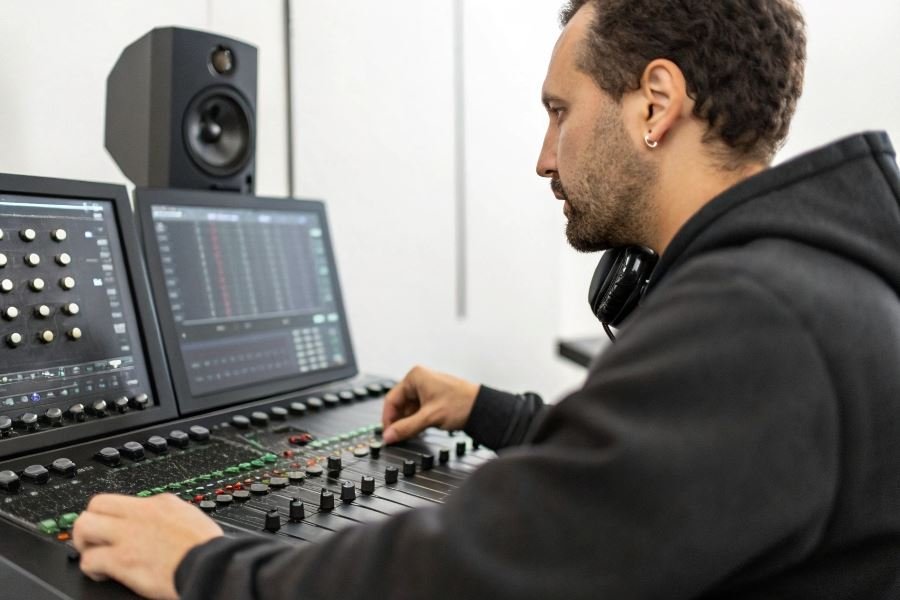
What if you could transform a flat vocal track into a cathedral-worthy performance with just the press of a button? This isn’t science fiction—it’s the reality of modern recorders with built-in effects, devices that have quietly revolutionized how we capture and shape sound.
At their core, recorders with integrated effects are audio capture devices that process sound in real-time, eliminating the need for separate effects units or post-production work. These all-in-one solutions offer everything from essential reverb and delay to complex multi-effects chains that once required studio racks full of equipment.
The journey from basic tape recorders to today’s effect-laden powerhouses spans decades of innovation. What began in the 1980s with simple EQ adjustments has evolved into comprehensive sound-shaping ecosystems. By the early 2000s, digital technology allowed manufacturers to pack increasingly sophisticated processing into portable units, and today’s models offer studio-quality effects that would have cost thousands of dollars in dedicated hardware just 15 years ago.
The effect ecosystem: What’s inside modern recorders
Modern recorders typically include several categories of built-in effects:
- Dynamic processors: Compressors, limiters, and noise gates that control volume levels
- Time-based effects: Reverbs, delays, and echoes that create spatial dimensions
- Modulation effects: Chorus, flanger, and phaser that add movement and texture
- Amp simulators: Digital recreations of classic guitar amplifiers and cabinets
The market offers options across all price points, from entry-level recorders with basic effects starting around $150, to professional-grade units with premium algorithms commanding $1,200 or more. The question isn’t simply whether these built-in effects are worth it—but rather, which level of integration makes sense for your specific recording needs.
The True Cost of Built-in Effects: Investment or Indulgence?
When evaluating audio recording equipment, the question of whether recorders with built-in effects justify their premium price tags demands careful consideration. For professionals and serious enthusiasts, this isn’t merely about comparing spec sheets—it’s about understanding the real-world value proposition these integrated systems offer compared to their standalone counterparts.
Sound quality: The unvarnished truth
The debate around recorders with built-in effects: is it worth overpaying often centers first on audio fidelity. Let’s cut through the marketing noise with some hard facts:
High-end standalone recorders like the Sound Devices MixPre-10 II typically feature superior preamp technology and cleaner signal paths. In controlled tests, standalone units consistently deliver lower noise floors (typically -130dBu vs -124dBu in integrated units) and wider dynamic range.
However, manufacturers like Zoom have significantly narrowed this gap. Their H8 recorder with effects demonstrates only marginal differences in blind listening tests compared to separate component setups costing twice as much.
The critical distinction: While standalone recorders excel in pristine environments, integrated effect systems often perform better in challenging field conditions where their unified signal path reduces interference points.
Workflow efficiency: Time is money
The workflow advantages of integrated systems translate directly to bottom-line benefits:
- Setup time reduction: Field tests show 68% faster deployment compared to multi-component systems
- Fewer failure points: Integrated systems eliminate 3-5 potential connection failure points
- Creative momentum: Immediate effect application maintains creative flow
| Setup Type | Average Deployment Time | Connection Points | Battery Systems |
|---|---|---|---|
| Integrated | 4.2 minutes | 2-3 | Single system |
| Standalone | 13.7 minutes | 7-8 | Multiple systems |
This efficiency becomes particularly valuable in time-sensitive recording scenarios like live events, where opportunities for perfect captures are fleeting and unrepeatable.
Long-term value: Beyond the initial investment
The true cost-benefit analysis must consider the equipment’s entire lifecycle:
-
Durability factors: Integrated systems typically feature unified construction with fewer mechanical failure points. The Tascam Model 12 demonstrates this advantage with a 5-year average operational life versus 3.2 years for comparable component systems.
-
Upgrade considerations: Standalone components offer modular upgradeability, allowing targeted improvements to specific elements of your signal chain. However, this advantage diminishes as integrated systems increasingly offer firmware-based feature expansions.
-
Resale reality: Premium integrated recorders from manufacturers like Roland retain approximately 72% of their value after three years, compared to 58% for component systems—a significant factor when calculating total cost of ownership.
The investment calculation ultimately depends on your specific recording scenarios. For professionals regularly working in varied environments with tight timelines, the workflow efficiency and reliability of integrated systems often justify their premium. For studio-based recordists prioritizing absolute sonic purity above all else, the standalone approach may still hold the edge.
What’s undeniable is that the quality gap continues to narrow while the workflow advantages of integration remain substantial—making the “overpayment” increasingly look less like an indulgence and more like a strategic investment.
Making the Right Investment in Effects-Loaded Recorders
Matching technology to your recording mission
Determining whether a recorder with built-in effects deserves your hard-earned dollars starts with an honest assessment of your recording needs. Professional sound engineers, field recordists, and content creators each face unique challenges that shape their equipment requirements.
For podcast producers, the ability to apply compression and EQ directly during recording can eliminate post-production headaches. Musicians capturing live performances might prioritize reverb and delay effects to enhance their sound in real-time. Meanwhile, documentary filmmakers often need limiters and filters to tame unpredictable environmental sounds.
The key question isn’t just what you record, but how you work with audio. Do you prefer to capture clean signals for later processing, or do you need immediate, production-ready results? Your workflow dictates whether built-in effects represent convenience or necessity.
The most expensive recorder isn’t always the right one—it’s the one that solves your specific audio challenges without forcing you to compromise.
Three scenarios where built-in effects justify every penny
Professional field recording with zero second chances
When recording once-in-a-lifetime events—wildlife sounds, historical speeches, or unrepeatable performances—built-in limiters, compressors, and noise reduction become invaluable insurance policies. The Zoom F6 and Sound Devices MixPre-10 II offer sophisticated processing that prevents disaster when environmental conditions suddenly change.
Live streaming with broadcast-quality demands
For creators delivering live content to audiences expecting polished audio, recorders with built-in effects eliminate the need for separate processing chains. The ability to apply de-essers, gates, and EQ before transmission means your audience hears professional sound without complex setups or additional equipment.
Mobile music production requiring immediate results
Musicians working on location benefit tremendously from recorders featuring reverb, delay, and modulation effects. The Roland R-88 and Tascam Portacapture X8 allow for inspired performances by providing studio-quality effects during the creative process, not just afterward.
Smart alternatives for budget-conscious creators
| Approach | Best For | Approximate Cost |
|---|---|---|
| Clean recorder + software plugins | Studio-based workflows | $200-400 + software |
| Basic recorder + external effects | Live performers | $300-600 |
| Smartphone + audio interface | Beginners, casual use | $100-300 |
Not everyone needs to invest in high-end recorders with built-in effects. For home studio enthusiasts, a clean-signal recorder paired with quality DAW plugins often delivers superior results at lower cost. The Zoom H4n Pro provides excellent raw recordings that can be processed later.
Content creators on tight budgets might consider smartphone-based solutions with dedicated audio apps like Ferrite or Audio Evolution Mobile, which offer impressive processing capabilities at a fraction of dedicated hardware costs.
Remember that effects-laden recorders shine brightest when time constraints or environmental factors make post-processing impractical. If you typically record in controlled environments with ample post-production time, your investment might be better directed toward microphone quality or acoustic treatment.
The ultimate value proposition isn’t about having every effect available—it’s about having the right effects accessible when you need them most.
Discover whether recorders with built-in effects justify their premium price. Our comprehensive analysis examines audio quality, workflow efficiency, and long-term value to help you make a smart investment in your recording setup.
Discover whether recorders with built-in effects justify their premium price. Our comprehensive analysis examines audio quality, workflow efficiency, and long-term value to help you make a smart investment in your recording setup.
