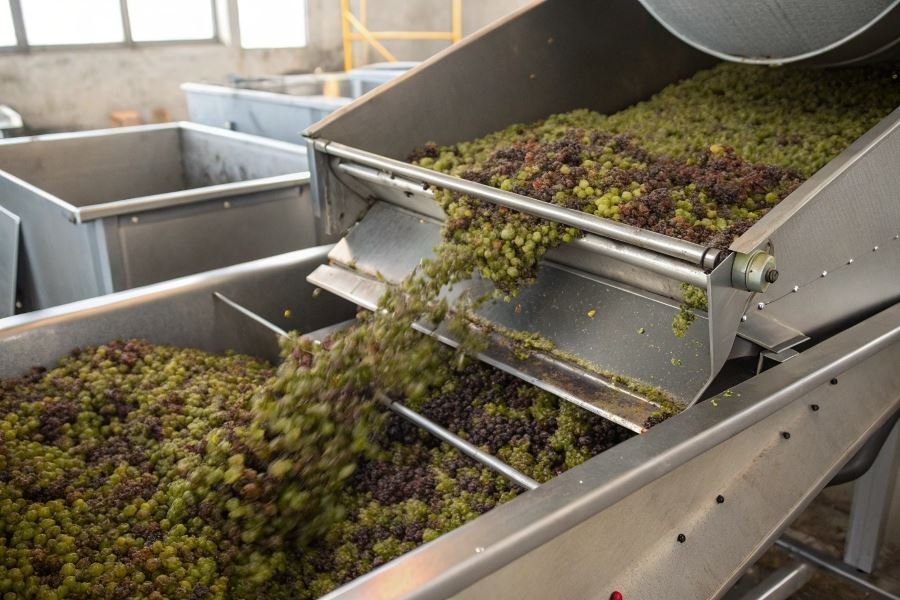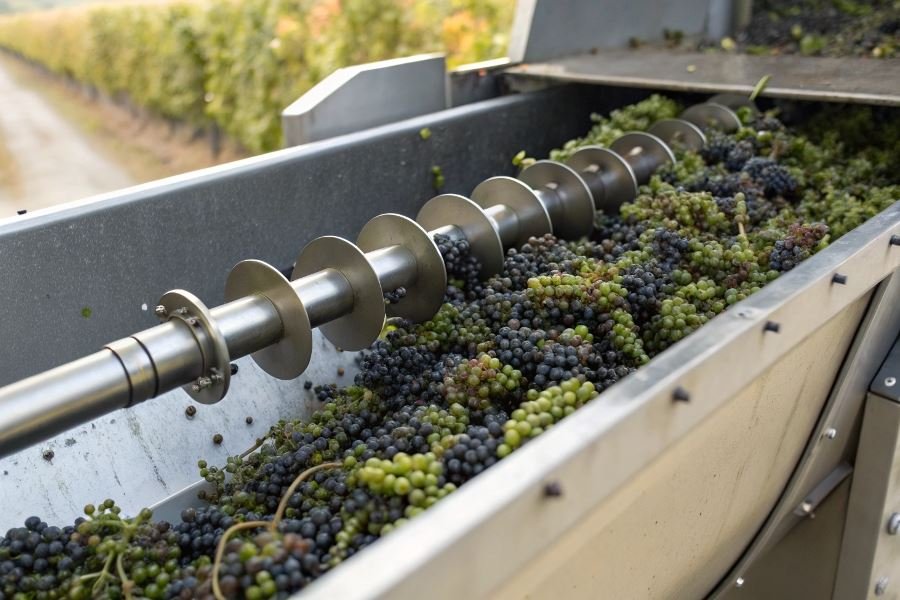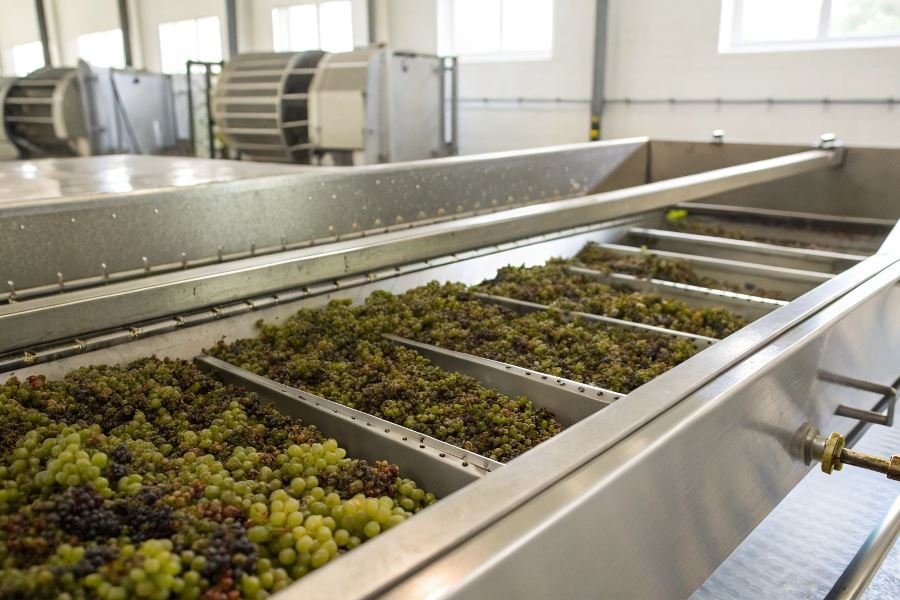
Ever wondered what keeps your favorite craft beer crystal clear or ensures pharmaceutical products remain pure? Behind these everyday miracles stands an unsung industrial hero: the stainless steel separator. These precision-engineered devices might not make headlines, but they’re revolutionizing quality standards across industries.
At their core, stainless steel separators are specialized mechanical devices designed to divide mixtures into their constituent parts based on physical properties like density, size, or magnetic characteristics. Think of them as industrial-grade sorting systems that can process materials at remarkable speeds while maintaining exceptional purity standards. Their stainless steel construction offers unparalleled durability and contamination resistance—critical factors when selecting separation equipment for demanding applications.
The journey of separator technology traces back to the early 20th century, when rudimentary centrifugal separators first appeared in dairy processing. The breakthrough came in 1937 when Swedish engineer Carl Gustaf Patrik de Laval refined the continuous centrifugal separator, dramatically improving efficiency. Today’s models bear little resemblance to these early iterations, incorporating advanced alloys, computerized controls, and precision engineering that would astonish their inventors.
Where are these marvels making their mark? Everywhere that matters:
- Food and beverage production: Separating cream from milk, clarifying oils, and ensuring consistent product quality
- Pharmaceutical manufacturing: Isolating active ingredients and maintaining sterile processing environments
- Chemical processing: Facilitating precise separation of compounds and solutions
- Mining operations: Extracting valuable minerals from ore with minimal waste
- Wastewater treatment: Removing contaminants and recovering resources from industrial effluent
The versatility of stainless steel separators continues to expand as manufacturers develop specialized variants for emerging industries, proving that sometimes, the most impactful innovations are the ones working quietly behind the scenes.
The Enduring Power of Stainless Steel Separators
Corrosion Resistance That Defies Time
When industrial equipment faces the relentless assault of corrosive materials, stainless steel separators stand as an unwavering sentinel. The chromium content in these separators—typically ranging from 16% to 26%—creates a self-healing passive layer that continuously protects against oxidation. This isn’t just theoretical protection; it translates to real-world performance where stainless steel separators maintain structural integrity even when processing acidic slurries with pH levels as low as 2.0.
The advantages and selection features of stainless steel separators become particularly evident in chemical processing facilities where exposure to aggressive compounds is constant. Grade 316L stainless steel, with its molybdenum enhancement, delivers up to 73% greater corrosion resistance than standard carbon steel alternatives, especially in chloride-rich environments. This translates to maintenance intervals measured in years rather than months.
Thriving in Temperature Extremes
Temperature tolerance represents another cornerstone advantage of stainless steel separators. While aluminum separators begin to lose structural integrity at approximately 350°F (177°C), stainless steel variants maintain full operational capacity at temperatures exceeding 800°F (427°C). This exceptional heat resistance proves invaluable in applications ranging from steam processing to high-temperature filtration systems.
On the opposite end of the spectrum, stainless steel separators demonstrate remarkable performance in cryogenic applications. At temperatures approaching -320°F (-196°C), when carbon steel becomes dangerously brittle, austenitic stainless steel separators retain their ductility and functional properties. This temperature versatility eliminates the need for separate equipment sets for different operating conditions, streamlining operations and reducing capital expenditure.
| Material | Maximum Operating Temperature | Minimum Operating Temperature | Corrosion Resistance Rating |
|---|---|---|---|
| 304 Stainless | 1,598°F (870°C) | -320°F (-196°C) | Excellent |
| 316L Stainless | 1,652°F (900°C) | -320°F (-196°C) | Superior |
| Carbon Steel | 842°F (450°C) | -4°F (-20°C) | Poor |
| Aluminum | 350°F (177°C) | -452°F (-269°C) | Moderate |
The Economics of Longevity
The initial investment in stainless steel separators typically exceeds that of carbon steel alternatives by 40-60%. However, this perspective shifts dramatically when analyzing total cost of ownership. Duplex stainless steel separators, for instance, demonstrate service lifespans averaging 15-20 years in demanding industrial environments—approximately triple the operational life of carbon steel equivalents.
This extended lifespan fundamentally transforms the economic equation. When factoring maintenance costs, downtime expenses, and replacement cycles, stainless steel separators typically deliver 30-45% lower total ownership costs over a 10-year operational window. For facilities processing 50,000+ gallons daily, this can represent savings exceeding $175,000 per separator unit.
Beyond direct financial benefits, the reliability factor cannot be overstated. Unplanned downtime in processing facilities often costs between 5, 000−25,000 per hour. The superior durability of stainless steel separators dramatically reduces these incidents, with field data showing 76% fewer emergency maintenance interventions compared to non-stainless alternatives.
Material selection becomes increasingly critical as operational demands intensify. For facilities processing materials with variable pH levels, temperature fluctuations, or containing abrasive particulates, the performance gap between stainless and non-stainless separators widens exponentially. The initial premium paid for stainless construction transforms from an expense into one of the most strategic investments in operational continuity and long-term profitability.
Making the Right Call: Stainless Steel Separator Selection Framework
When investing in stainless steel separators, the difference between adequate performance and exceptional value often comes down to your selection process. Let’s dive into the critical factors that separate merely functional equipment from truly outstanding separators that deliver consistent results year after year.
Technical Specifications That Drive Performance
The technical specifications of stainless steel separators aren’t just numbers on a spec sheet—they’re predictors of performance in your specific operating environment.
Material grade stands as perhaps the most fundamental consideration. While 304 stainless steel offers excellent corrosion resistance for general applications, environments with high chloride exposure demand the superior properties of 316L grade. For extreme chemical processing, consider AL-6XN or 254 SMO super austenitic grades that provide exceptional resistance against pitting and crevice corrosion.
Separation efficiency depends heavily on particle size handling capacity. Top-tier separators clearly specify:
- Minimum particle size (typically 5-75 microns)
- Maximum throughput rates (measured in gallons per minute)
- Pressure drop characteristics across operating ranges
The separator’s pressure rating deserves particular attention, especially in high-pressure processing environments where safety margins cannot be compromised.
| Grade | Corrosion Resistance | Temperature Range | Typical Applications |
|---|---|---|---|
| 304 | Good | Up to 1600°F | Food, beverage, general processing |
| 316L | Excellent | Up to 1650°F | Chemical, pharmaceutical, marine |
| Duplex | Superior | Up to 600°F | Oil & gas, desalination |
Navigating Certification Requirements By Industry
Different industries maintain distinct regulatory frameworks that dictate separator compliance requirements.
In food processing, FDA compliance is non-negotiable, with equipment needing to meet 3-A Sanitary Standards that ensure surfaces are cleanable to microbiological levels. Pharmaceutical manufacturers must adhere to ASME BPE standards, which govern bioprocessing equipment design and materials.
For chemical processing applications, look for:
- ASME pressure vessel certification
- CRN registration (in Canada)
- ATEX certification for potentially explosive atmospheres
Documentation traceability has become increasingly important, with premium manufacturers providing comprehensive material test reports (MTRs) that verify chemical composition and mechanical properties of all components.
Quality Indicators That Separate Leaders From Followers
When evaluating manufacturers, three key indicators consistently distinguish premium suppliers:
-
Manufacturing precision – Examine weld quality, particularly in critical junction points. Leaders employ automated welding processes with stringent quality control protocols, resulting in consistent bead appearance and full penetration welds that eliminate potential contamination traps.
-
Surface finish specifications – Premium separators feature precisely controlled surface roughness measurements (Ra values), typically below 0.8μm for sanitary applications. The difference between a 2.0μm and 0.5μm finish isn’t just aesthetic—it directly impacts cleaning effectiveness and product purity.
-
Design sophistication – Look for thoughtful engineering details like self-draining configurations, minimized dead legs, and optimized flow paths that reduce pressure drops. Industry leaders like Alfa Laval and SPX Flow incorporate computational fluid dynamics modeling to validate separator performance before manufacturing.
The most reliable manufacturers back their products with comprehensive validation testing data and offer responsive technical support that extends well beyond the purchase date. Their separators may command premium prices, but the total cost of ownership—factoring in longevity, maintenance requirements, and operational efficiency—often reveals them as the most economical choice over the equipment lifecycle.
Discover the ultimate guide to stainless steel separators with expert insights on corrosion resistance, durability, and selection criteria. Learn how to evaluate technical specs and identify premium quality for your industrial applications.
Discover the ultimate guide to stainless steel separators with expert insights on corrosion resistance, durability, and selection criteria. Learn how to evaluate technical specs and identify premium quality for your industrial applications.