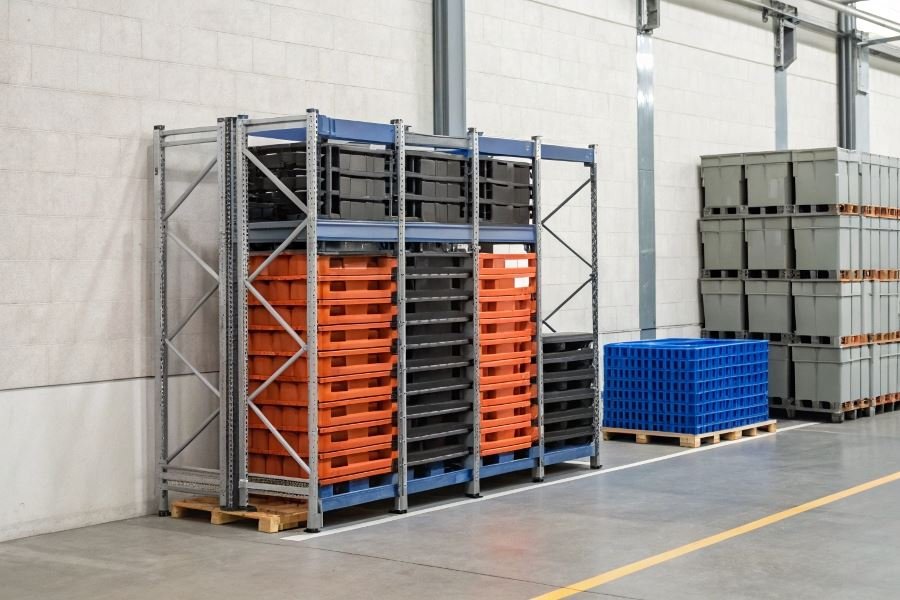
Ever wondered what keeps your favorite structures standing strong against time and elements? The answer might be right beneath your feet, unseen yet indispensable. Stainless steel underframes—the unsung heroes of modern architecture and manufacturing—are transforming how we build everything from kitchen countertops to commercial buildings.
At their core, stainless steel underframes are structural support systems made from corrosion-resistant steel alloys containing at least 10.5% chromium. These frameworks typically consist of beams, joints, connectors, and support brackets that form the skeleton beneath visible surfaces. What makes them exceptional is their remarkable combination of strength and longevity.
The journey of stainless steel in construction began in the early 1900s, with Harry Brearley’s 1913 discovery of stainless steel in Sheffield, England. Initially used primarily in cutlery and industrial applications, these materials gradually found their way into structural components by the mid-20th century. Today, they’ve evolved from specialty applications to mainstream solutions across residential, commercial, and industrial sectors.
The market offers impressive variety—from lightweight residential-grade frames starting around $200 for small applications to heavy-duty commercial systems that can exceed $10,000 for custom installations. Premium marine-grade options command higher prices but deliver exceptional performance in challenging environments.
What truly sets these frameworks apart is their perfect balance of practical benefits and aesthetic potential—they’re not just functional, they’re transformative. Whether supporting a sleek kitchen island or forming the backbone of a commercial space, stainless steel underframes represent the intersection of engineering excellence and design possibility.
The Ultimate Guide to Stainless Steel Underframes
Unmatched durability in harsh environments
When structural integrity meets environmental resilience, stainless steel underframes stand in a class of their own. These robust frameworks deliver exceptional longevity even when exposed to moisture, chemicals, and temperature fluctuations that would quickly deteriorate other materials. The chromium content in stainless steel creates a self-healing protective oxide layer that continuously regenerates when damaged, providing superior protection against rust and corrosion.
Selecting the right stainless steel underframes requires understanding both their inherent advantages and the specific requirements of your application. The benefits of stainless steel underframes extend far beyond simple durability—they represent a strategic investment in infrastructure that pays dividends through reduced maintenance and replacement costs. Most high-performance underframes utilize 304 or 316 grade stainless steel, with the latter offering enhanced resistance to chlorides and salt environments.
Impressive strength-to-weight performance
Stainless steel delivers remarkable structural integrity while maintaining a manageable weight profile. When compared to traditional carbon steel, a properly designed stainless steel underframe can achieve equivalent strength with up to 30% less material mass. This weight reduction translates to:
- Lower transportation costs
- Easier installation procedures
- Reduced foundation requirements
- Enhanced energy efficiency in mobile applications
The strength-to-weight advantage becomes particularly evident when comparing material options:
| Material | Relative Strength | Weight Factor | Corrosion Resistance | Typical Lifespan |
|---|---|---|---|---|
| Stainless Steel | High | Medium | Excellent | 30+ years |
| Carbon Steel | High | High | Poor without treatment | 10-15 years |
| Aluminum | Medium | Low | Good | 20+ years |
| Wood | Low | Low | Poor | 7-10 years |
Minimal maintenance requirements
The long-term value proposition of stainless steel becomes clear when examining lifetime maintenance costs. Unlike painted carbon steel frames that require regular inspection, surface preparation, and repainting, stainless steel underframes maintain their appearance and structural integrity with minimal intervention.
Maintenance for stainless steel typically involves:
- Occasional cleaning with mild detergent
- Periodic inspection of fasteners and joints
- Removal of surface contaminants that might impair the passive layer
This simplified maintenance regimen translates to substantial cost savings over the lifetime of the structure. While the initial investment in stainless steel may be 1.5-2.5 times higher than carbon steel alternatives, the total cost of ownership often favors stainless steel when calculated over a 15+ year timeframe.
Economic benefits through extended service life
The financial advantages of stainless steel underframes become increasingly apparent as time passes. The extended service life—often exceeding 30 years in properly specified applications—means fewer replacement cycles and associated disruptions. For businesses operating in competitive environments, this translates to:
“The true cost of infrastructure isn’t what you pay today, but what you avoid paying tomorrow.”
When factoring in inflation, labor costs, and operational disruptions, the economic case for stainless steel becomes compelling for applications where reliability and longevity are paramount. The American Institute of Steel Construction has documented numerous cases where the lifecycle cost advantage of stainless steel exceeds 40% compared to alternatives, particularly in harsh environments or applications where downtime carries significant costs.
Mastering Stainless Steel Underframe Selection
When investing in stainless steel underframes, the difference between adequate and exceptional performance often comes down to selection criteria that many buyers overlook. Let’s dive into the essential factors that separate premium underframes from mediocre alternatives.
Understanding Steel Grades and Quality Markers
Stainless steel underframes aren’t created equal. The grade of steel fundamentally determines corrosion resistance, load-bearing capacity, and longevity. The most common grades include:
| Grade | Corrosion Resistance | Strength | Ideal Applications |
|---|---|---|---|
| 304 | Excellent | Good | Indoor environments, standard loads |
| 316 | Superior | Excellent | Coastal areas, chemical exposure |
| 430 | Good | Moderate | Decorative, light-duty applications |
| 201 | Moderate | High | Budget-conscious projects |
The chromium content serves as the primary quality indicator—look for at least 10.5% chromium for true stainless properties. Premium underframes often contain 16-18% chromium with nickel additions of 8-10% for enhanced corrosion resistance.
Surface finish quality also reveals much about an underframe’s performance potential. The most common finishes include:
- #4 Brushed finish: The industry standard, offering practical aesthetics and moderate fingerprint resistance
- #8 Mirror finish: Highly reflective, used in decorative applications
- 2B Mill finish: Slightly reflective with good corrosion resistance
Always request material certification documentation when purchasing commercial-grade underframes to verify composition claims.
Design Elements That Drive Performance
The structural design of stainless steel underframes determines their functional success. Key considerations include:
Load distribution mechanisms must align with intended usage patterns. Look for:
- Reinforced corner joints for heavy-duty applications
- Triangulated support structures for enhanced stability
- Uniform wall thickness throughout the frame
Connection points deserve particular scrutiny. Welded joints offer superior strength but require proper post-weld treatment to prevent corrosion at heat-affected zones. Mechanical fasteners provide flexibility but introduce potential failure points.
The thickness-to-strength ratio represents perhaps the most overlooked design factor. Thinner, properly engineered frames can outperform thicker, poorly designed alternatives.
Installation Requirements and Expert Insights
Even the finest stainless steel underframe will underperform if improperly installed. Professional installers consistently emphasize:
-
Surface preparation is non-negotiable. Ensure mounting surfaces are level within 1/16″ per 10 feet to prevent stress concentration.
-
Fastener compatibility prevents galvanic corrosion. Always use stainless steel fasteners matching or exceeding the frame’s grade.
-
Expansion allowance accommodates thermal movement. Stainless steel expands approximately 9.9 × 10^-6 in/in/°F, requiring calculated clearances in fixed installations.
Post-installation cleaning removes fabrication residues that could initiate corrosion sites. A thorough cleaning with non-chloride cleaners followed by passivation treatment maximizes corrosion resistance.
The most common installation failure occurs when dissimilar metals contact stainless steel without proper isolation, creating microscopic galvanic cells that accelerate corrosion.
For critical applications, consider engaging certified installers familiar with ASTM A967 passivation standards to ensure optimal performance from your investment in quality stainless steel underframes.
Discover the ultimate guide to selecting durable stainless steel underframes with superior corrosion resistance and strength-to-weight ratios. Learn quality indicators, design considerations, and maintenance requirements for long-term value.
Discover the ultimate guide to selecting durable stainless steel underframes with superior corrosion resistance and strength-to-weight ratios. Learn quality indicators, design considerations, and maintenance requirements for long-term value.