Ever noticed how the most efficient kitchens and laboratories share one common element? It’s not just skilled professionals—it’s their intelligent use of space. Stainless steel tabletop shelves have quietly revolutionized workspaces across America, offering a perfect marriage of form and function that few materials can match.
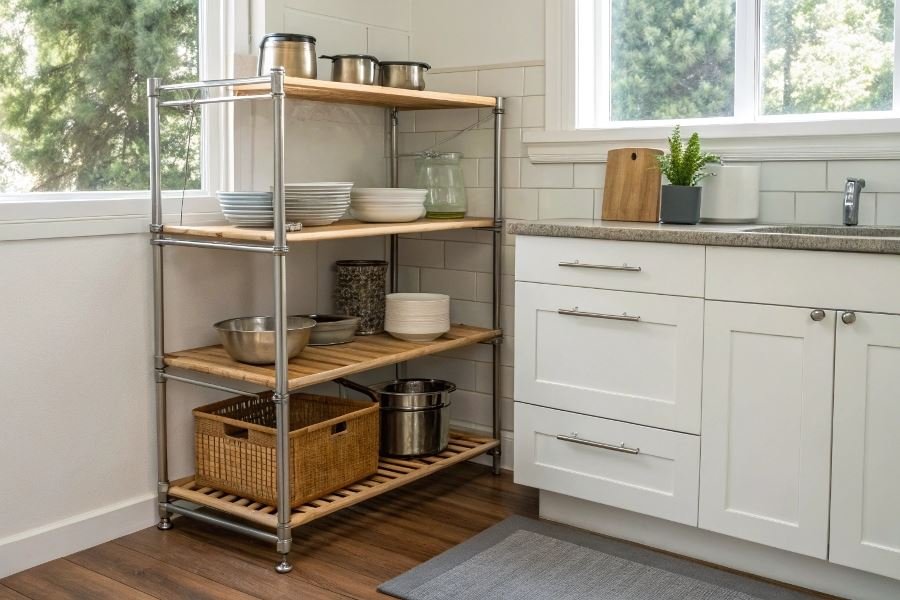
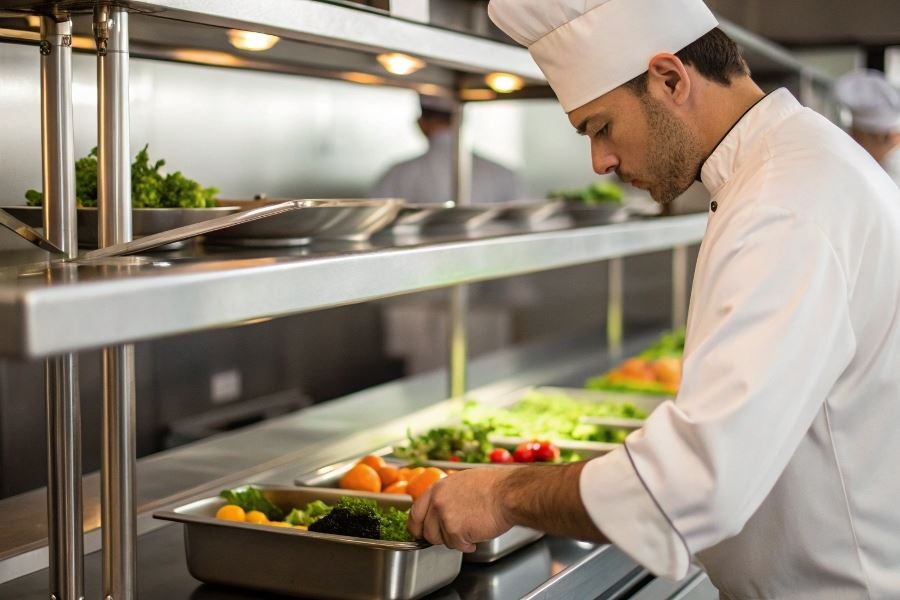
Stainless steel tabletop shelves are compact, elevated storage solutions designed to maximize vertical space while maintaining easy access to essential items. Found everywhere from Michelin-starred restaurant kitchens to medical laboratories and home offices, these versatile platforms transform cluttered surfaces into organized workstations.
What makes stainless steel the material of choice? Its remarkable composition—typically 304-grade with 18% chromium and 8% nickel—creates an invisible chromium oxide layer that actively resists corrosion, staining, and bacterial growth. This self-healing protective barrier reforms instantly when scratched, ensuring decades of pristine performance even in harsh environments.
The hygiene benefits are equally impressive. Unlike wood or plastic alternatives, stainless steel:
- Doesn’t harbor bacteria in porous surfaces
- Withstands high-temperature sanitization
- Remains unaffected by most cleaning chemicals
- Doesn’t leach compounds into surrounding materials
In professional settings, proper shelving isn’t merely convenient—it’s critical for operational efficiency, regulatory compliance, and cross-contamination prevention. Even in home environments, these shelves offer a practical solution for maximizing limited counter space while maintaining the highest standards of cleanliness.
The right shelving solution doesn’t just store your items—it transforms how you work.
The Enduring Power of Stainless Steel Shelving
Corrosion Resistance That Outlasts Competitors
When investing in workspace organization, material selection becomes the foundation of long-term value. Stainless steel tabletop shelves offer exceptional durability that transforms ordinary storage into a lifetime investment. The secret lies in their chromium content—typically 10.5% minimum—creating an invisible protective layer that self-heals when scratched, unlike aluminum shelving that dents easily or wooden options that warp with moisture exposure.
The durability and hygiene benefits of stainless steel tabletop shelves make them particularly valuable in environments where cleanliness cannot be compromised. Grade 304 stainless steel (the industry standard) resists not only water but also acids, alkalis, and chlorides that would quickly deteriorate lesser materials. In comparative testing, stainless steel shelving maintains structural integrity after 1,000+ hours of salt spray exposure, while painted steel shows significant deterioration after just 250 hours.
Load-Bearing Capabilities That Impress
The structural integrity of stainless steel shelving isn’t just about longevity—it’s about performance under pressure. Consider these impressive specifications:
| Shelf Size | Typical Weight Capacity | Recommended Use |
|---|---|---|
| 24″ x 12″ | 150-200 lbs evenly distributed | Light commercial |
| 36″ x 18″ | 300-400 lbs evenly distributed | Standard commercial |
| 48″ x 24″ | 600-800 lbs with reinforcement | Heavy-duty industrial |
Key structural elements determine these impressive capacities: gauge thickness (typically 14-18 gauge for commercial use), reinforcement patterns, and weld quality. The molecular structure of stainless steel provides superior tensile strength—approximately 505-860 MPa depending on the specific alloy—allowing it to support substantial loads without bending or warping.
Minimal Maintenance, Maximum Lifespan
Unlike high-maintenance alternatives, stainless steel shelving requires remarkably little upkeep to maintain both appearance and functionality. A simple maintenance regimen includes:
- Regular dusting with a microfiber cloth
- Periodic cleaning with mild soap and water
- Immediate attention to spills (particularly those containing chlorides)
- Annual inspection of welds and joints
This minimal maintenance approach yields maximum returns. While wooden shelving requires refinishing every 2-3 years and laminate options often show edge deterioration within 5 years, properly maintained stainless steel shelving can remain functionally and aesthetically sound for 15-20+ years in standard commercial environments.
Environmental Factors and Longevity Considerations
The remarkable durability of stainless steel doesn’t exist in a vacuum—environmental conditions play a crucial role in determining actual lifespan. The interaction between material and environment creates either a virtuous cycle of protection or accelerated deterioration.
In high-humidity environments, 316 grade stainless steel (with added molybdenum) provides superior protection against moisture-induced corrosion. For areas with chemical exposure, specialized finishes like electropolishing increase corrosion resistance by up to 30% by removing surface impurities and enhancing the chromium oxide layer.
Temperature fluctuations affect stainless steel minimally compared to alternatives. While aluminum expands approximately 23.6 × 10⁻⁶ per °C and wood can expand/contract significantly with humidity changes, stainless steel’s thermal expansion coefficient (17.3 × 10⁻⁶ per °C) ensures dimensional stability across typical commercial temperature ranges.
The investment in quality stainless steel shelving pays dividends through decades of reliable service, making it not just a purchase but a strategic decision for operations where dependability cannot be compromised.
The Hygiene Revolution of Stainless Steel Shelving
Stainless steel tabletop shelves aren’t just sturdy workhorses—they’re frontline defenders in the battle against bacterial contamination. The hygiene advantages of these gleaming surfaces extend far beyond their mirror-like appearance, offering critical protection in environments where cleanliness isn’t just preferred—it’s mandatory.
The science of non-porous protection
Stainless steel’s microscopic structure creates a virtually impenetrable barrier against bacterial infiltration. Unlike wood, plastic, or laminate surfaces that develop tiny fissures over time, properly finished stainless steel presents a non-porous battlefield where bacteria simply cannot establish colonies.
The secret lies in the material’s molecular composition. The chromium in stainless steel forms an invisible oxide layer that continuously regenerates when exposed to oxygen. This self-healing property means that even minor scratches don’t compromise the surface’s integrity, maintaining its hygienic properties throughout years of use.
Research from the American Journal of Infection Control demonstrates that bacterial survival rates on stainless steel surfaces are significantly lower compared to other common materials—bacteria on stainless steel surfaces typically die off within hours rather than days or weeks.
Cleaning protocols that maximize protection
The hygiene advantages of stainless steel shelving are fully realized through proper cleaning regimens:
- Daily sanitization: Wipe down with food-grade sanitizer solutions containing quaternary ammonium compounds or hydrogen peroxide-based formulations
- Deep cleaning cycles: Weekly application of specialized stainless steel cleaners that remove protein buildup without damaging the passive layer
- Proper drying: Complete air drying or using microfiber cloths to prevent water spots that could harbor microorganisms
The direction of cleaning matters more than most realize—always clean with the grain of the steel to prevent microscopic scratches that could potentially harbor bacteria.
Meeting rigorous industry standards
Stainless steel tabletop shelving isn’t just clean by reputation—it’s clean by regulation. These surfaces meet stringent requirements established by multiple governing bodies:
| Regulatory Body | Standard | Key Requirement |
|---|---|---|
| FDA | 21 CFR 110.40 | Food contact surfaces must be corrosion-resistant and non-absorbent |
| NSF International | NSF/ANSI 2 | Requires materials that prevent harborage of bacteria |
| HACCP | Preventive approach | Mandates surfaces that minimize contamination risk |
The 304-grade stainless steel commonly used in premium shelving contains approximately 18% chromium and 8% nickel, creating an alloy that not only resists corrosion but also meets NSF International certification requirements for food equipment.
The economic argument for hygiene
The investment in stainless steel shelving delivers compelling returns beyond mere durability. Consider the hidden costs of less hygienic alternatives:
- Reduced risk of cross-contamination incidents
- Lower likelihood of failed health inspections
- Decreased product loss due to contamination
- Extended service life without degradation of hygienic properties
The math is straightforward: While the initial investment might be 30-40% higher than alternatives, the total cost of ownership over a 10-year period typically proves 25% lower when accounting for replacement costs, maintenance requirements, and contamination risks.
Stainless steel tabletop shelving represents that rare intersection where operational efficiency meets uncompromising hygiene. The non-porous surface, straightforward sanitization protocols, and regulatory compliance combine to create a solution that doesn’t just meet hygiene standards—it exceeds them, providing peace of mind that’s as enduring as the material itself.
Discover why stainless steel tabletop shelves are the professional choice for unmatched durability and hygiene. Learn about their corrosion resistance, non-porous surfaces that prevent bacterial growth, and compliance with food safety standards.
Discover why stainless steel tabletop shelves are the professional choice for unmatched durability and hygiene. Learn about their corrosion resistance, non-porous surfaces that prevent bacterial growth, and compliance with food safety standards.