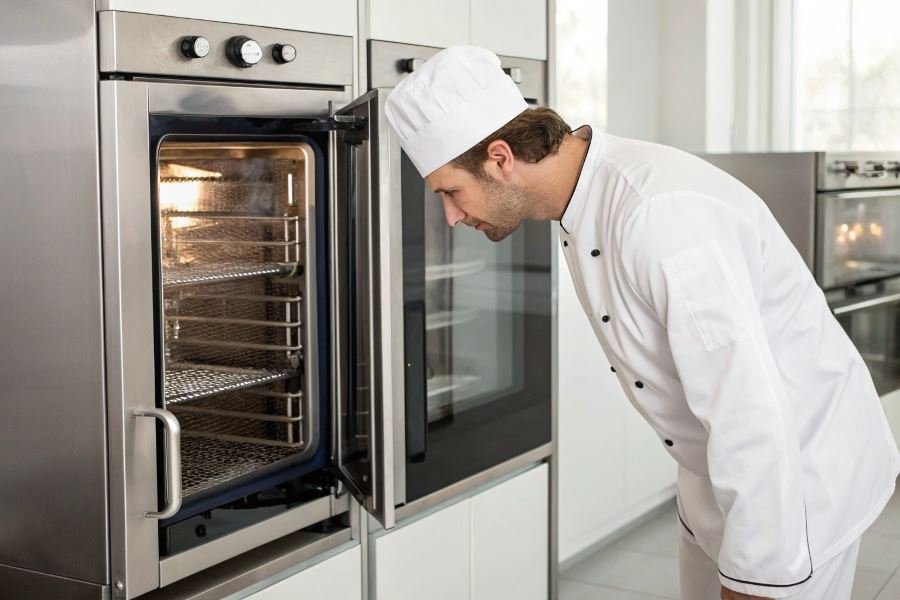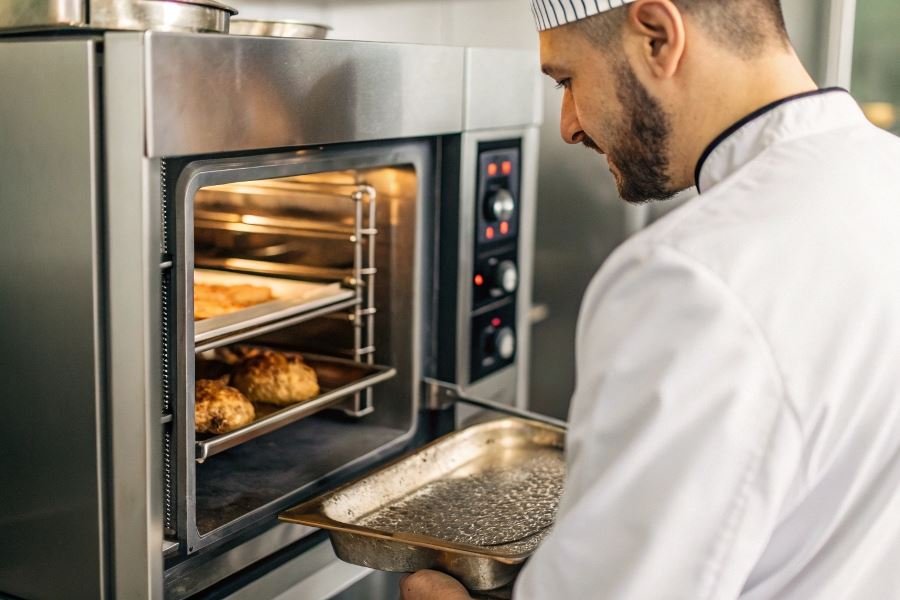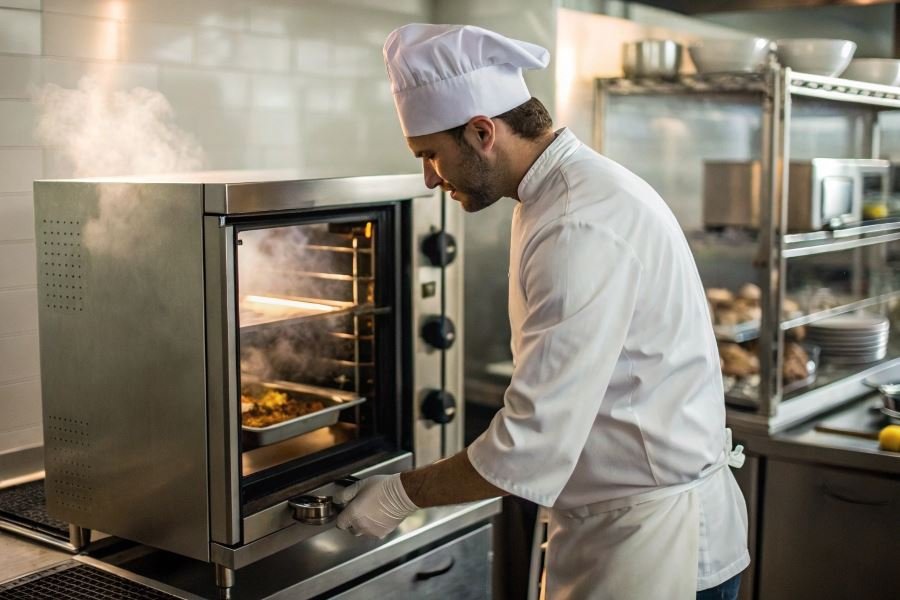
Ever watched a chef simultaneously steam vegetables, roast meat, and bake bread—all with perfect results and using just one appliance? That’s the magic of a commercial combi oven, the Swiss Army knife of professional kitchens that’s transforming how restaurants deliver consistent excellence.
A combi oven (short for combination oven) earns its name by combining three essential cooking methods: convection heat, steam, and a combination of both. This versatility makes it the cornerstone of modern commercial kitchens, capable of replacing multiple pieces of equipment while delivering superior results. From high-volume steakhouses to boutique bakeries, these powerhouse machines have become indispensable.
Why are savvy restaurateurs investing in these systems? The benefits extend far beyond space efficiency:
- Culinary versatility: Braise, roast, steam, bake, poach, rethermalize, and more—all with one unit
- Consistency: Programmable settings ensure the same perfect results regardless of who’s operating the equipment
- Speed: Cook times can be reduced by up to 30% compared to conventional methods
- Quality preservation: Precise humidity control maintains food moisture, texture, and nutrients
“Selecting the right combi oven isn’t just an equipment decision—it’s a business strategy that directly impacts your kitchen’s output, efficiency, and ultimately, your bottom line.”
The difference between choosing the right or wrong combi oven can mean thousands of dollars in operational costs, food waste, and maintenance expenses. More importantly, it affects what matters most: the quality of food reaching your customers’ tables.
Essential Factors for Selecting the Perfect Combi Oven
Restaurant kitchens thrive on efficiency, precision, and reliability. At the heart of many successful culinary operations sits a workhorse that often goes unsung: the combination oven. Understanding how to choose a combi oven for a restaurant requires careful consideration of several critical factors that will directly impact your kitchen’s performance, food quality, and operational costs.
Size and Capacity: Finding Your Perfect Match
The first rule of combi oven selection is simple: right-size your equipment. An oversized unit wastes energy and valuable kitchen real estate, while an undersized one creates bottlenecks during peak service.
Consider these capacity guidelines:
| Restaurant Size | Recommended Capacity | Typical Dimensions |
|---|---|---|
| Small (≤50 seats) | 6-10 pans | 30-35″ height |
| Medium (50-150 seats) | 10-20 pans | 40-45″ height |
| Large (150+ seats) | 20+ pans | 70-80″ height |
Your menu complexity matters as much as seat count. A restaurant serving diverse items simultaneously needs more capacity than one with a streamlined menu, even with identical seating.
Ask yourself: How many different items will need oven space during your busiest service period? This answer often reveals your true capacity requirements.
Power Source: Gas vs. Electric Showdown
The gas versus electric debate extends well beyond initial purchase considerations.
Gas combi ovens deliver:
- Faster recovery times between temperature changes
- Lower operating costs in most regions
- Better performance during power outages
- Higher humidity levels in some models
Electric combi ovens counter with:
- More precise temperature control
- Easier installation (no gas lines required)
- Lower initial installation costs
- Often better steam generation consistency
Your decision should factor in your facility’s existing infrastructure. Converting from one power source to another can add thousands to your installation budget.
Technical Specifications: The Devil in the Details
Steam Generation Methods
The heart of any Rational or Convotherm combi oven is its steam generation system. Three primary approaches exist:
- Boilerless (direct injection): Lower maintenance but less precise humidity control
- Boiler-based: Superior steam saturation but requires water filtration and regular maintenance
- Hybrid systems: Combining technologies for balanced performance
The difference becomes apparent in delicate applications like baking pastries or preparing fish, where precise humidity control directly impacts food quality.
Temperature Range and Recovery
Professional kitchens demand performance under pressure. Look for units offering:
- Temperature ranges from 85°F to at least 575°F
- Recovery times under 2 minutes for 50°F temperature drops
- Uniform heat distribution (less than 5°F variance throughout the cavity)
Cooking Modes and Programming
Modern combi ovens from manufacturers like Alto-Shaam offer sophisticated programming capabilities:
- Combination mode: Simultaneous heat and steam
- Convection mode: Dry heat circulation
- Steam mode: Pure steam cooking
- Regeneration settings: Reheating without quality loss
- Programmable recipes: One-touch operation for consistent results
The best units allow for storing hundreds of custom recipes with multiple cooking stages, ensuring consistency regardless of who’s operating the equipment.
When evaluating technical specifications, prioritize features that align with your specific menu requirements rather than being swayed by bells and whistles you’ll rarely use. The right combi oven becomes an extension of your culinary vision—powerful enough to handle your demands yet intuitive enough that your entire team can master it.
Making the Final Decision: Your Restaurant’s Perfect Combi Oven
Selecting the right combi oven represents a pivotal moment for your restaurant’s operational efficiency and food quality. After evaluating features and specifications, it’s time to make that final decision—one that balances financial considerations with practical needs.
Smart budget allocation and ROI calculations
The investment in a quality combi oven ranges significantly—from $5,000 for entry-level models to upwards of $30,000 for advanced units with all the bells and whistles. Rather than focusing solely on purchase price, calculate your total cost of ownership:
- Energy efficiency savings: Modern combi ovens can reduce energy consumption by 30-40% compared to conventional ovens
- Labor cost reduction: Programmable settings and overnight cooking capabilities can save 15-20 hours of staff time weekly
- Food waste minimization: Precise cooking controls typically reduce food waste by 10-15%
A thoughtful ROI analysis reveals that premium models often pay for themselves within 18-24 months through operational savings. For smaller operations, leasing options from manufacturers like Rational can transform a hefty capital expense into manageable monthly payments.
Maintenance requirements that won’t disrupt service
The most sophisticated combi oven becomes worthless when it breaks down during a Saturday night rush. Consider these maintenance factors:
- Self-cleaning capabilities: Advanced self-cleaning systems reduce daily maintenance time from 45 minutes to under 15 minutes
- Descaling requirements: Water quality in your location directly impacts descaling frequency—hard water areas may require monthly descaling
- Parts availability: National brands typically stock replacement parts; boutique manufacturers might leave you waiting weeks
The difference between a good combi oven and a great one isn’t just cooking performance—it’s how rarely it needs a technician’s attention.
Service contracts typically add 8-12% to your purchase price annually but provide peace of mind through regular preventive maintenance and priority emergency service. Before purchasing, verify the manufacturer maintains certified technicians within a 50-mile radius of your location.
Top performers for different restaurant profiles
| Restaurant Type | Recommended Brand | Standout Features | Approximate Investment |
|---|---|---|---|
| Fast-casual | Alto-Shaam Vector Series | Ventless operation, compact footprint, simplified controls | 7, 000−12,000 |
| Full-service | Rational iCombi Pro | Intelligent cooking paths, remote monitoring, exceptional consistency | 15, 000−25,000 |
| High-volume catering | Convotherm 4 easyTouch | Advanced steam generation, batch cooking capabilities, rapid recovery times | 18, 000−30,000 |
For specialized cuisine requirements, consider these matches:
- Bakeries and patisseries: UNOX CHEFTOP MIND.Maps offers unparalleled humidity control and baking precision
- Farm-to-table concepts: Henny Penny FlexFusion combines energy efficiency with exceptional flavor preservation
- Ghost kitchens: Electrolux Professional SkyLine combi ovens deliver maximum output in minimal space
The final decision should align with your restaurant’s specific cooking needs, volume requirements, and growth trajectory. The perfect combi oven doesn’t just meet today’s demands—it accommodates your vision for tomorrow while delivering consistent quality that keeps customers coming back.
Discover the essential factors for selecting the perfect restaurant combi oven. Learn about size requirements, power options, and technical specifications to maximize kitchen efficiency and food quality. Expert recommendations for all restaurant types.
Discover the essential factors for selecting the perfect restaurant combi oven. Learn about size requirements, power options, and technical specifications to maximize kitchen efficiency and food quality. Expert recommendations for all restaurant types.