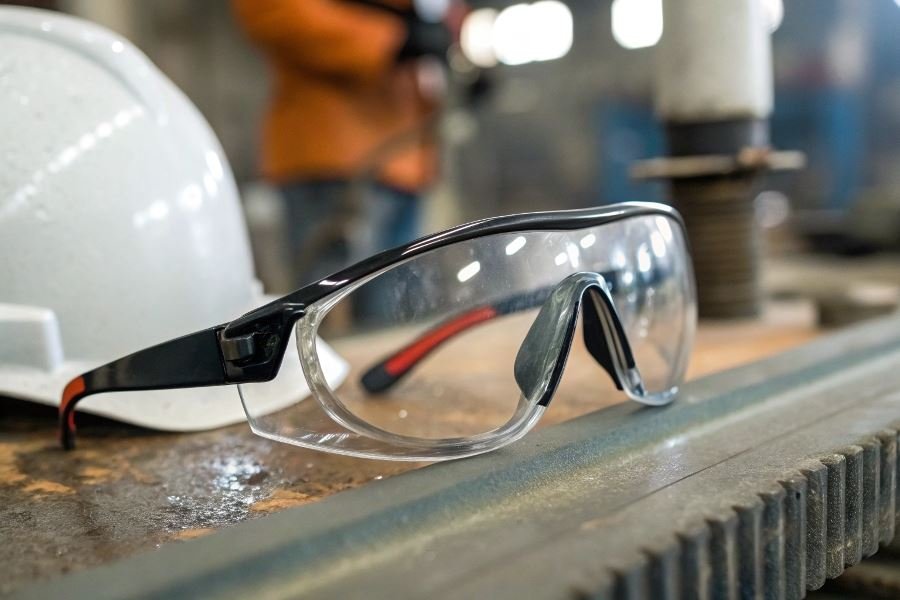
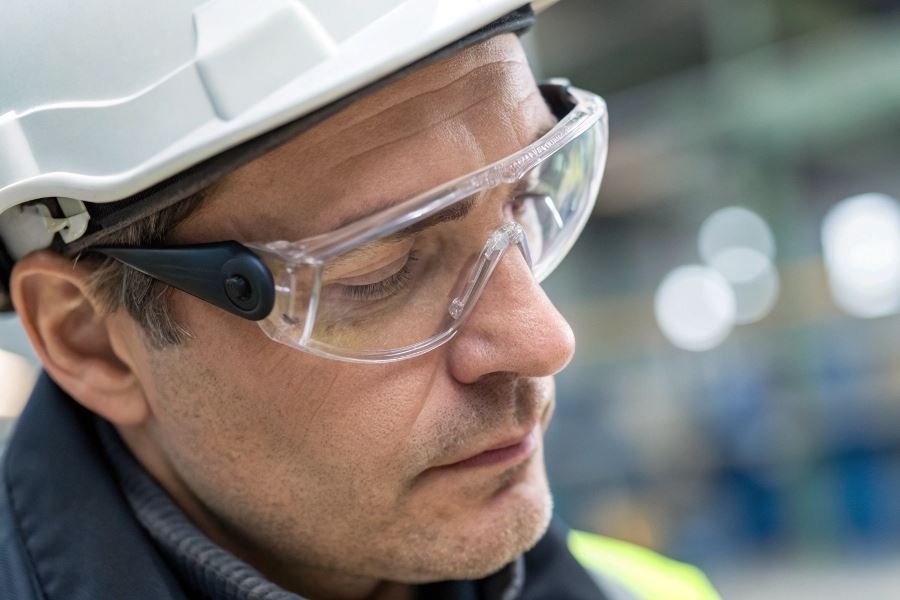
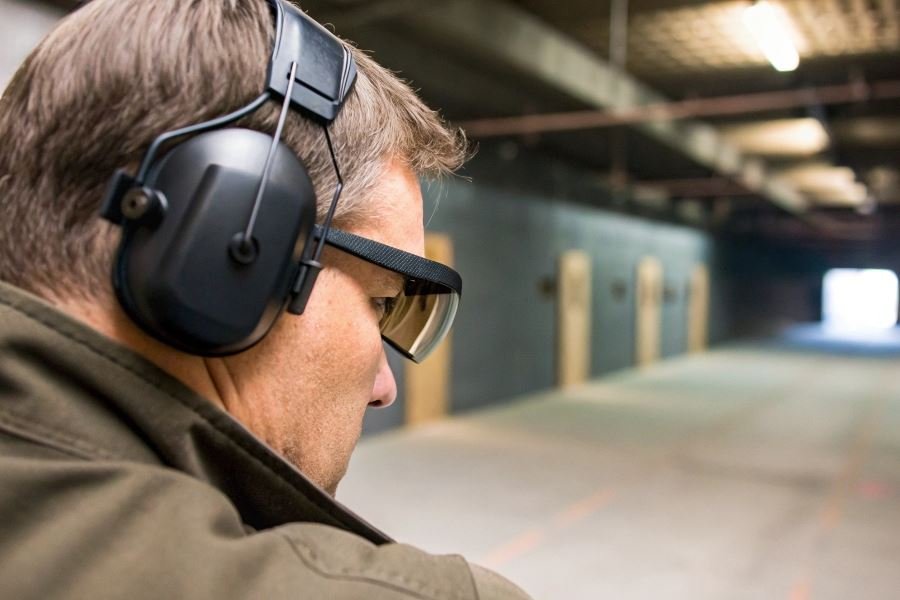
When a fragment travels at 700 feet per second toward your face, you have exactly zero time to blink.
The difference between going home with a story or going home with a life-altering injury often comes down to what’s covering your eyes. Tactical protective eyewear isn’t just another piece of gear—it’s the invisible barrier between vision and permanent darkness for military personnel, law enforcement officers, and serious shooting enthusiasts.
The critical shield: Why eye protection matters
The statistics tell a sobering story: according to military medical research, over 80% of eye injuries in combat zones could have been prevented with proper eye protection. Your eyes, with their delicate structures and irreplaceable function, remain among the most vulnerable targets in high-risk environments.
Quality tactical eyewear must perform a complex balancing act: providing ballistic protection while maintaining optical clarity and comfort during extended wear. The best manufacturers have transformed what was once bulky safety equipment into precision-engineered visual systems that enhance rather than hinder performance.
Defining excellence in tactical eyewear
What separates exceptional protective eyewear from merely adequate options? The answer lies in several critical factors:
- Ballistic certification: Meeting or exceeding military standards like MIL-PRF-32432 or ANSI Z87.1+
- Optical clarity: Distortion-free vision with anti-fog and anti-scratch treatments
- Adaptability: Interchangeable lenses for varying light conditions
- Integration capability: Compatibility with helmets, communication systems, and night vision devices
- Comfort engineering: Lightweight materials and ergonomic designs for all-day wearability
When evaluating manufacturers, these benchmarks separate the elite from the merely adequate—a distinction that might one day save your sight.
Battle-Tested Vision: Elite Tactical Eyewear Manufacturers
When lives depend on clear vision in high-stress environments, only the most rigorously tested eyewear makes the cut. Military personnel, law enforcement officers, and tactical professionals don’t just need sunglasses—they need ballistic-rated eye protection that performs under extreme conditions while maintaining optical clarity.
The tactical protective eyewear market has evolved dramatically since the early 2000s, with leading manufacturers continuously pushing boundaries in materials science and impact resistance. Among the top 3 manufacturers of tactical protective eyewear, three brands consistently dominate professional recommendations and field testing: Oakley’s Standard Issue line, Wiley X, and Eye Safety Systems (ESS). Each brings unique strengths to the table while meeting or exceeding military ballistic standards.
Oakley Standard Issue: Military-Grade Innovation
Oakley’s Standard Issue (SI) line represents the pinnacle of tactical eyewear engineering. Born from the company’s civilian sports optics expertise but enhanced for battlefield conditions, Oakley SI delivers military-specific features unavailable to the general public.
Their proprietary High Definition Optics (HDO) technology provides distortion-free vision across the entire lens, while Plutonite lens material blocks 100% of UVA, UVB, and harmful blue light up to 400nm. The flagship Oakley SI Ballistic M Frame exceeds military ballistic impact standards by over 4x, withstanding a .15 caliber projectile at 640 fps without compromising optical clarity.
What truly separates Oakley from competitors is their Prizm lens technology, which fine-tunes individual wavelengths of light to enhance contrast and visibility in specific environments—from desert to woodland to low-light tactical scenarios.
Wiley X: Uncompromising Protection
Wiley X built its reputation on creating eyewear that transitions seamlessly between combat zones and civilian life. Founded by a veteran, this manufacturer emphasizes practical durability alongside ballistic protection.
Their Changeable Series frames feature removable facial cavity seals that block out dust, wind, and peripheral light—critical for desert operations or high-speed mobility. All Wiley X tactical models meet both ANSI Z87.1 safety standards and US military ballistic standards (MIL-PRF-32432).
The Climate Control Series deserves special mention for its foam gasket system that creates a sealed eyewear environment, preventing debris infiltration while maintaining ventilation—a game-changer for dusty or high-wind environments. Their proprietary Selenite polycarbonate lenses deliver exceptional clarity while providing T3 ballistic protection.
ESS: Purpose-Built Military Systems
Eye Safety Systems (ESS), now a subsidiary of Oakley, focuses exclusively on military and first responder eyewear. This specialized approach has made them a standard-issue choice for many military units worldwide.
The ESS Crossbow series exemplifies their design philosophy: interchangeable lenses that can be swapped in seconds without removing the frame, allowing rapid adaptation to changing light conditions. Their ClearZone lens coating technology provides superior anti-fog performance—critical during high-exertion tactical operations.
ESS distinguishes itself with purpose-built integration systems for helmets and communication equipment. Their NARO narrow-profile eyewear specifically accommodates communications headsets and helmet straps without compromising protection or creating pressure points during extended wear.
All three manufacturers have earned their elite status through rigorous testing, field performance, and continuous innovation. The choice between them often comes down to specific mission requirements, face shape compatibility, and integration with other tactical equipment.
Making the Right Choice in Tactical Eyewear
When your vision is on the line, the difference between top-tier tactical eyewear and mediocre protection isn’t just about comfort—it’s about safety, performance, and potentially your life. After examining the industry leaders, let’s analyze what truly separates them and how to match their strengths to your specific needs.
Head-to-Head Manufacturer Comparison
The tactical eyewear landscape is dominated by three exceptional manufacturers, each with distinct advantages:
| Manufacturer | Ballistic Rating | Anti-Fog Technology | Field of View | Price Range |
|---|---|---|---|---|
| Oakley | ANSI Z87.1 & MIL-PRF-32432 | HDO® Optics with Plutonite® | 120° | 100−250 |
| Wiley X | ANSI Z87.1 & MIL-PRF-32432(GL) | T-Shell™ & Facial Cavity™ Seal | 140° | 80−200 |
| ESS | MIL-PRF-32432(GL) & ANSI Z87.1+ | ClearZone™ FlowCoat | 130° | 75−180 |
Oakley stands out with superior optical clarity and lens technology, while Wiley X offers unmatched sealing against dust and debris. ESS delivers exceptional value with military-grade protection at more accessible price points.
Ballistic performance remains relatively consistent across all three, with each meeting or exceeding military standards. The real differentiation comes in peripheral features and specialized applications.
Matching Tactical Needs to Manufacturer Strengths
Your specific operational environment should guide your manufacturer selection:
-
High-intensity combat scenarios: Wiley X excels with its facial cavity seal technology that prevents debris infiltration during explosive events or dusty conditions.
-
Precision shooting and targeting: Oakley offers superior optical clarity with minimal distortion, making them ideal for marksmen and situations requiring perfect visual acuity.
-
Extended deployment in varied conditions: ESS provides exceptional versatility with interchangeable lenses and robust anti-fog capabilities that maintain performance in humidity shifts.
The right manufacturer depends less on brand prestige and more on matching specific features to your operational requirements.
Investment Considerations and Long-Term Value
Tactical eyewear represents a significant investment in your safety and performance. When evaluating long-term value:
-
Replacement parts availability: Oakley and ESS lead with comprehensive replacement programs, while Wiley X offers exceptional warranty coverage.
-
Adaptability across missions: Consider frames that accept prescription inserts or transition lenses if your deployments vary significantly.
-
Total ownership cost: Factor in replacement lens costs, not just initial purchase price. ESS typically offers the most economical replacement options.
-
Durability metrics: Wiley X frames demonstrate superior impact resistance in repeated testing, potentially offsetting their higher initial cost.
Wisdom from the field: The most expensive eyewear isn’t always the best choice. The optimal selection provides exactly the protection you need without unnecessary features that drive up cost.
The tactical eyewear market continues to evolve with advanced materials and coating technologies. Your selection should balance immediate protection needs with adaptability to emerging threats. Remember that proper fit remains paramount—even the most advanced ballistic protection fails if the eyewear shifts during critical moments or causes distraction due to discomfort.
Discover the top 3 tactical eyewear brands—Oakley, Wiley X, and ESS—offering superior ballistic protection, durability, and comfort for military, law enforcement, and outdoor enthusiasts seeking maximum eye safety in demanding environments.
Discover the top 3 tactical eyewear brands—Oakley, Wiley X, and ESS—offering superior ballistic protection, durability, and comfort for military, law enforcement, and outdoor enthusiasts seeking maximum eye safety in demanding environments.