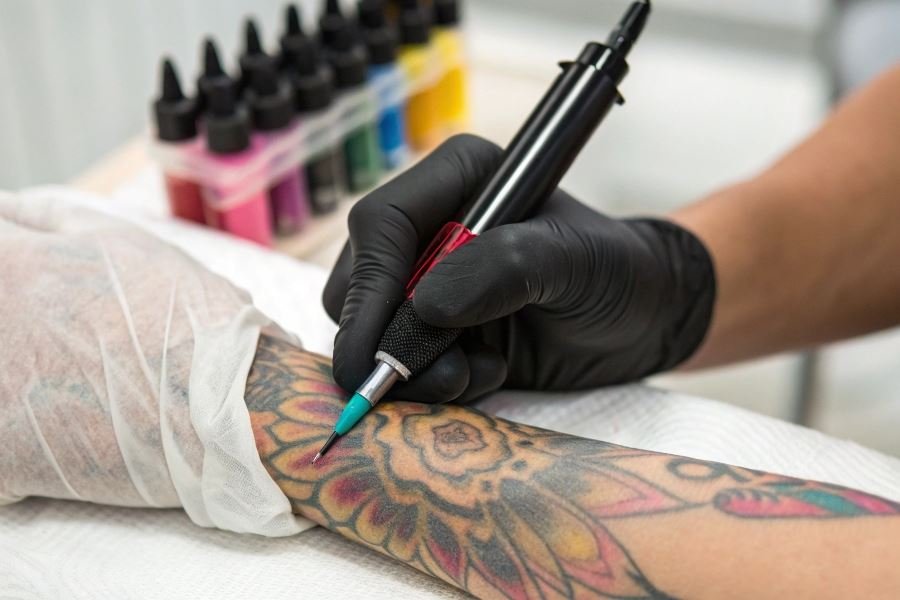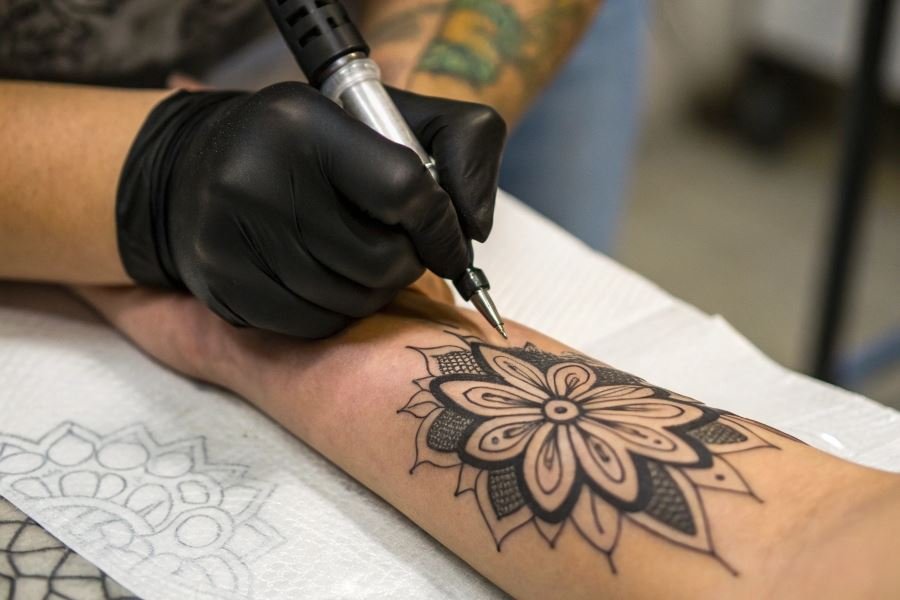
Ever wondered why some tattoos look crisp and others seem slightly off? The secret often lies not in the tattooing itself, but in what happens before the needle even touches skin. Tattoo marking markers—those unsung heroes of precision body art—create the roadmap that guides every line and shadow.
Tattoo marking markers serve as the critical bridge between concept and execution. Unlike regular art markers, these specialized tools are formulated to temporarily adhere to skin while providing clear guidelines for the tattoo artist. They’re essentially the architectural blueprints for permanent body art.
The market offers several distinct varieties, each with unique properties. Stencil pens create the traditional purple lines you’ve likely seen before getting inked. Surgical skin markers provide precision with sterile, medical-grade formulations. Freehand markers allow artists to draw directly on skin with remarkable control, perfect for custom designs that flow with the body’s contours.
What separates quality markers from subpar options? Three essential properties stand out:
- Skin-safe formulations that won’t cause irritation or allergic reactions
- Appropriate staying power—visible throughout the tattooing process but removable afterward
- Line clarity that translates the artist’s vision with precision
The best markers strike a delicate balance between visibility and impermanence. They must be bold enough to guide the tattoo machine through hours of work yet gentle enough to disappear without a trace once their job is complete.
Mastering the Art of Tattoo Stencil Application
Prepping the Canvas: Skin Preparation
The difference between a good tattoo and a great one often begins before the needle touches skin. Professional tattoo artists understand that proper skin preparation creates the foundation for exceptional results. Start by thoroughly cleaning the area with an antibacterial soap to remove oils, dirt, and residue. Pat—don’t rub—the skin dry with a clean paper towel.
Next, apply a thin layer of stencil transfer solution or specialized prep spray. This critical step degreases the skin surface and creates the optimal environment for marker adhesion. Learning how to properly use a marker for tattoo marking requires understanding that skin preparation is non-negotiable—skip this step, and you risk poor stencil transfer, smudging, and ultimately, compromised tattoo placement.
Pro tip: After cleaning, avoid touching the prepped area with bare hands. Natural oils from your fingers can contaminate the surface and interfere with marker adhesion.
Drawing with Precision: Mastering Outline Techniques
Creating precise outlines requires both the right tools and proper technique. Professional tattoo stencil markers typically feature fine tips (0.5mm-1.0mm) that allow for detailed work without bleeding or spreading.
When applying the marker:
- Hold the pen at a 45-degree angle for optimal ink flow
- Use light, consistent pressure—pressing too hard can damage skin and cause bleeding
- Work from left to right (if right-handed) to avoid smudging
- For curved lines, rotate the skin slightly rather than contorting your wrist
Remember that less is more. Start with minimal lines and add detail gradually. Professional artists often begin with a skeletal framework of the design before adding intricate elements.
The Waiting Game: Drying and Setting
| Drying Factor | Impact on Stencil | Solution |
|---|---|---|
| Humidity | Extends drying time | Use climate control or fans |
| Skin oils | Prevents adhesion | Thorough prep with solution |
| Body heat | Can cause smudging | Allow cooling time after prep |
| Air flow | Accelerates drying | Avoid direct fans on wet marks |
After application, patience becomes your greatest ally. Allow the marker to dry completely—typically 60-90 seconds for quality stencil markers. Rushing this step is the most common cause of smudged outlines.
Critical technique: Once dry, lightly dust the area with a minimal amount of powder to set the design. This creates a protective barrier that prevents smudging during the tattooing process.
Preventing Smudge Disasters
Even experienced artists occasionally encounter smudging issues. Implement these professional safeguards:
- Work from the center outward to minimize hand contact with completed sections
- Position your non-drawing hand away from freshly marked areas
- Use breathable, medical-grade stencil film to protect completed sections
- Consider sectional marking for larger pieces rather than marking the entire design at once
The difference between amateur and professional results often comes down to these seemingly small details.
For complex designs, consider using different colored markers from brands like Skin Marker to distinguish depth, shading areas, or different techniques within the same piece. This advanced approach allows for more nuanced communication between the stencil and the final tattoo.
Mastering Tattoo Marking Techniques and Aftercare
Tattoo marking is where precision meets artistry. The humble tattoo marker—a seemingly simple tool—can make the difference between a masterpiece and a mishap. Let’s dive into the nuances of proper application, removal, and maintenance that separate professionals from amateurs.
Adapting to different skin types
Skin diversity demands different approaches to tattoo marking. When working with oily skin, markers tend to smudge more easily. The solution? Apply a thin layer of stencil stay or alcohol prep pad first to remove excess oils and create a better surface for adhesion.
For dry skin, the challenge is opposite—markers may not transfer as vividly. A light application of skin moisturizer about an hour before marking (not immediately before) can create the ideal canvas.
Darker skin tones require markers with higher pigment concentration. Purple or white markers from brands like Skin Monarch typically offer better visibility than traditional blue markers.
Sensitive skin calls for gentler application. Consider markers specifically formulated to be hypoallergenic, and always perform a small test patch 24 hours before full application.
The pressure applied matters tremendously—too light and the lines disappear during tattooing, too heavy and you risk damaging the skin’s surface.
Effective removal techniques
Once your tattoo masterpiece is complete, those guide lines need to disappear. Here’s how to remove them efficiently:
| Removal Method | Best For | Notes |
|---|---|---|
| Alcohol wipes | Fresh marks | Quick but can be drying |
| Soap and water | Sensitive skin | Gentle but less effective |
| Green soap | Professional setting | Industry standard |
| Witch hazel | Combination skin | Natural alternative |
The key to effective removal is timing. Remove marks progressively as you complete sections rather than waiting until the end of the session. This prevents the ink from setting too deeply into the skin.
Pro tip: Never use harsh chemicals like acetone near fresh tattoo work. The risk of compromising the new tattoo far outweighs the benefit of quick marker removal.
For stubborn marker lines, a mixture of mild soap and warm water applied with a cotton swab can work wonders without irritating freshly tattooed skin. Gentle circular motions are more effective than aggressive scrubbing.
Preserving your marking tools
Quality tattoo markers aren’t cheap, and proper maintenance extends their lifespan significantly. Store your markers horizontally rather than vertically to prevent the tips from drying out or becoming oversaturated.
Temperature matters tremendously. Keep markers between 65-75°F (18-24°C) for optimal performance. Extreme temperatures can alter viscosity and pigment distribution.
Cap discipline is non-negotiable. Even leaving a marker uncapped for a few minutes can dramatically reduce its lifespan. Develop the habit of immediately recapping after use.
For artists working in multiple locations, dedicated marker cases like those from Bloodline Tattoo Supply offer protection from light exposure and physical damage during transport.
Regular rotation of your marker inventory ensures you’re always using fresh products. Even properly stored markers have a finite shelf life of approximately 12-18 months once opened.
Clean marker tips periodically with a lint-free cloth slightly dampened with alcohol to remove skin cells and residue that can affect performance. Just be sure the marker is completely dry before recapping.
Discover professional techniques for using tattoo marking markers with our comprehensive guide. Learn proper skin preparation, precise outlining methods, and aftercare tips to elevate your tattoo artistry and achieve flawless results.
Discover professional techniques for using tattoo marking markers with our comprehensive guide. Learn proper skin preparation, precise outlining methods, and aftercare tips to elevate your tattoo artistry and achieve flawless results.