Ever wondered why some tattoos stay vibrant for decades while others fade into unrecognizable blurs within years? The secret lies not in the artist’s hand alone, but in what’s flowing through their needle.
Selecting high-quality tattoo pigments isn’t just about aesthetics—it’s about your health and the lasting legacy of your body art. When pigments enter your dermis, they become a permanent part of you, interacting with your immune system and cellular structure for years to come. This isn’t just ink; it’s a lifelong commitment your body makes at a cellular level.
The longevity equation: Quality equals permanence
Premium tattoo pigments contain higher concentrations of colorants with superior light-fastness ratings. These formulations resist breaking down under UV exposure, maintaining their vibrancy even after years of sun exposure. Lower-quality alternatives might look identical on day one, but the difference becomes painfully obvious as months turn into years.
“The difference between professional-grade and bargain pigments becomes evident not in weeks, but in years—when correction options become limited and expensive.”
Navigating the regulatory wilderness
The FDA classifies tattoo inks as cosmetics but doesn’t approve specific pigments for injection into skin. This regulatory gray area means quality control falls largely to manufacturers and artists themselves. The European Union has implemented stricter standards, banning over 4,000 hazardous substances from tattoo inks since 2022.
The chemistry behind the colors
Modern tattoo pigments typically contain:
- Carrier solutions (purified water, glycerin, or alcohol)
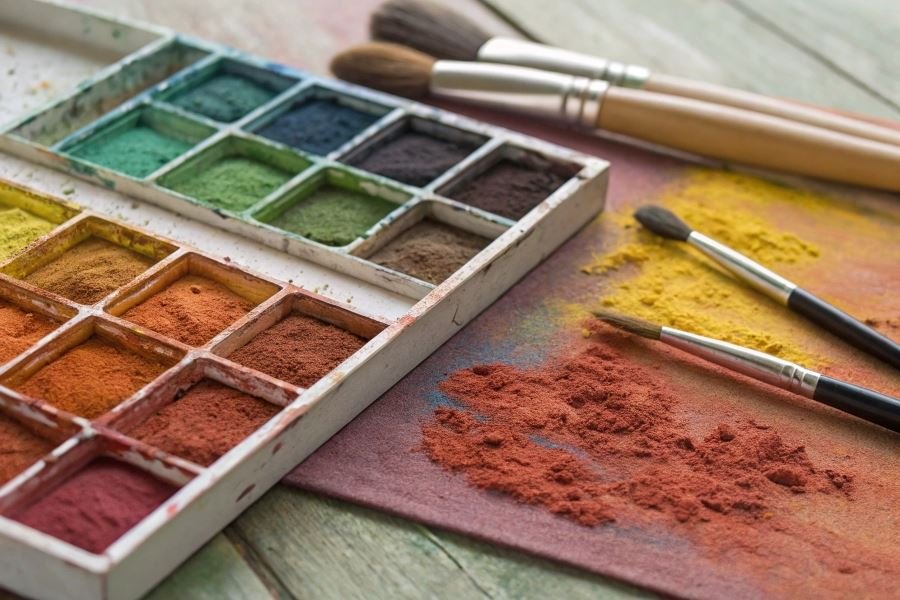
- Colorants (organic or inorganic compounds)
- Additives (preservatives and stabilizers)
The interaction between these components determines not just how the pigment looks initially, but how it will age within your skin. Organic pigments offer vibrant colors but may fade faster, while inorganic options provide stability at the cost of a more limited color palette.
Essential Factors for Quality Tattoo Pigments
The Chemistry Behind Your Ink
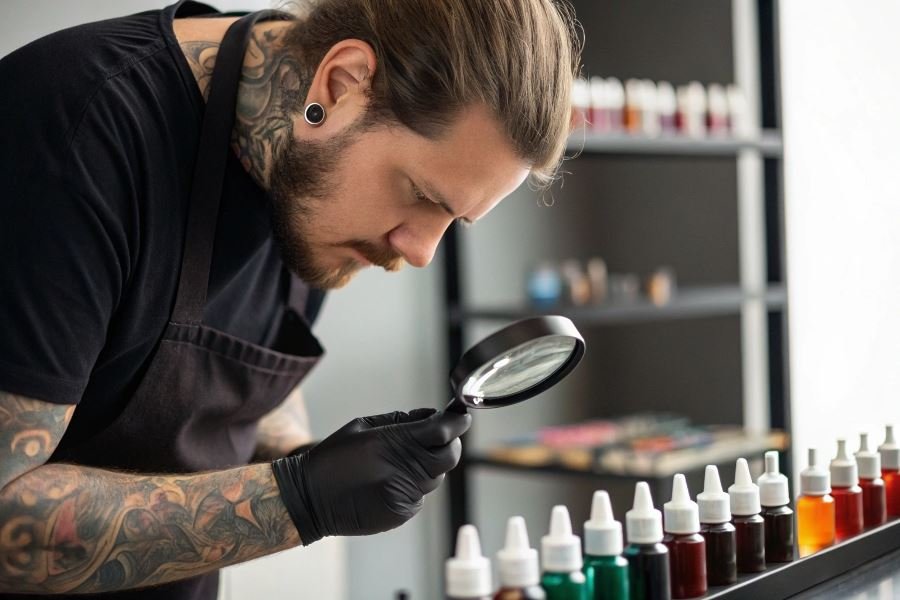
Selecting the right tattoo pigment isn’t just about color—it’s about safety, longevity, and artistic integrity. Professional tattoo artists understand that pigment quality directly impacts both the immediate results and the long-term appearance of their work. When evaluating how to choose a quality pigment for a tattoo, the ingredient list should be your first checkpoint. Quality pigments will always provide a complete breakdown of their components.
Safety certifications matter tremendously. Look for pigments that comply with ResAP(2008)1, the European resolution on tattoo ink safety, or FDA approval for cosmetic colorants. These certifications indicate the manufacturer has submitted their products for rigorous testing against harmful substances like heavy metals, aromatic amines, and polycyclic aromatic hydrocarbons (PAHs).
“The difference between mediocre and exceptional tattoo work often begins before the needle touches skin—it starts with pigment selection.”
Premium manufacturers like Eternal Ink and Intenze typically provide detailed safety data sheets (SDS) that outline exactly what’s in their products. These documents should be readily available and transparent about ingredients.
Color Performance Metrics
The visual impact of a tattoo depends largely on pigment performance characteristics:
| Performance Factor | What to Look For | Why It Matters |
|---|---|---|
| Color Saturation | Rich, concentrated pigments | Requires fewer passes, less trauma to skin |
| Stability | Non-separating formulas | Consistent application and healing |
| Fade Resistance | High-quality carrier solutions | Maintains vibrancy over years |
| UV Resistance | Added UV stabilizers | Prevents premature fading from sun exposure |
Particle size matters significantly in pigment quality. Finer particles distribute more evenly in the skin and heal with greater clarity. Premium pigments typically feature consistent particle sizes between 1-5 microns—large enough to remain stable in the dermis but small enough for smooth application.
Test the pigment’s viscosity by placing a small amount on your gloved finger and observing how it flows. Quality pigments maintain a balanced consistency—neither too watery (which can lead to bleeding and poor saturation) nor too thick (which can clog needles and cause uneven application).
The Trust Factor in Pigment Selection
Reputation serves as a powerful indicator of pigment quality. Established brands have survived market pressures and artist scrutiny for good reason.
Artist recommendations carry substantial weight in the tattoo community. Professionals who stake their reputation on every piece they create don’t recommend products lightly. Brands like Dynamic and Kuro Sumi have earned their status through consistent performance across thousands of tattoos.
Consider these reputation indicators:
- Length of time in the industry (established manufacturers have refined their formulas)
- Prevalence at major tattoo conventions
- Use by award-winning artists
- Transparency about manufacturing processes
The most reliable pigments come from manufacturers who specialize exclusively in tattoo products rather than those who produce inks as a sideline to other cosmetic products. Specialized knowledge translates to better understanding of how pigments interact with skin over time.
Remember that quality pigments typically command higher prices—$15-30 per ounce compared to budget options at $5-10. This price difference reflects not just marketing but genuine differences in ingredient quality, manufacturing standards, and research investment.
The Definitive Guide to Tattoo Pigment Selection
Selecting the right tattoo pigment isn’t just about color preference—it’s about safety, longevity, and artistic integrity. Let’s dive into the specifics that separate professional-grade pigments from questionable alternatives, ensuring your tattoo remains vibrant and safe for years to come.
Industry leaders in tattoo pigment manufacturing
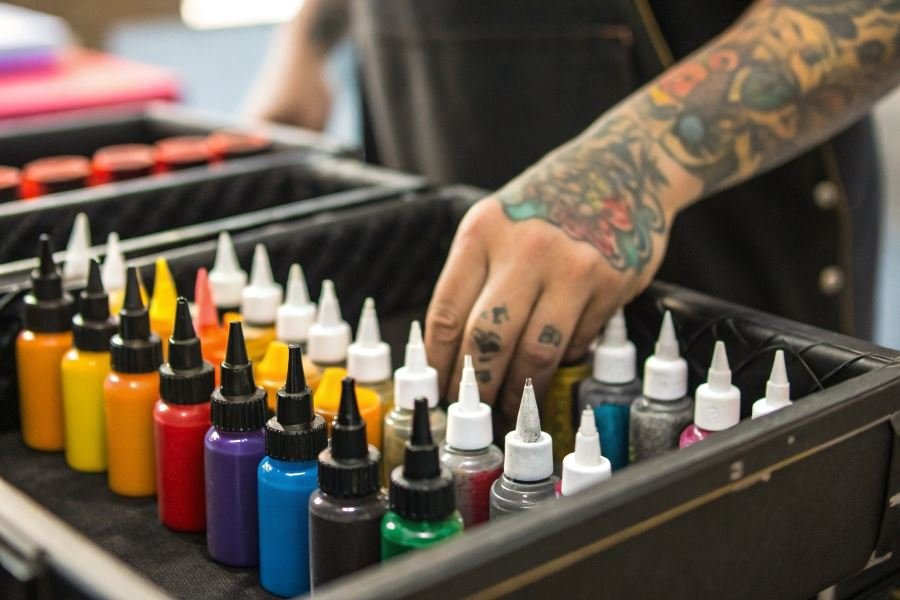
The foundation of any exceptional tattoo begins with premium pigments from reputable manufacturers. These three companies have consistently demonstrated excellence in formulation, safety standards, and color stability:
-
Eternal Ink – Renowned for their vegan-friendly formulations and exceptional color saturation, Eternal has pioneered pigments that maintain vibrancy while minimizing healing complications. Their Signature Series offers over 190 shades with remarkable consistency between batches.
-
Intenze – With their sterile manufacturing processes and innovative color development, Intenze has revolutionized tattoo artistry. Their Advanced Formula pigments feature micronized particles that heal with minimal color loss and provide exceptional detail work capabilities.
-
Dynamic – A staple in professional studios since 1990, Dynamic’s pigments are celebrated for their smooth application and predictable healing. Their Triple Black series remains the industry benchmark for deep, neutral blacks that don’t shift to blue or green undertones over time.
The difference between these premium brands and budget alternatives isn’t just marketing—it’s measurable in particle consistency, sterilization standards, and documented safety testing.
Decoding pigment labels like a professional
Tattoo pigment labels contain critical information that impacts both artist performance and client safety:
| Label Component | What to Look For | Red Flags |
|---|---|---|
| Ingredients | Clearly listed components | “Proprietary blend” with no specifics |
| Batch Numbers | Traceable production codes | Missing or inconsistent numbering |
| Expiration Dates | Clearly marked shelf life | No expiration information |
| Safety Certifications | ResAP 2008 compliance | No safety testing mentioned |
| Sterilization Method | Gamma radiation or autoclave | Unspecified sterilization |
When examining pigment labels, pay particular attention to:
- Carrier solutions: Premium pigments use witch hazel, alcohol, or glycerin rather than potentially harmful solvents.
- Pigment density: Higher-quality products specify concentration percentages, typically between 30-40% for optimal performance.
- Color additives: Look for specific color index numbers (CI#) rather than vague color names.
“The most expensive mistake in tattooing isn’t buying premium pigments—it’s dealing with the consequences of using inferior ones.”
Matching pigments to skin types and preventing reactions
The final consideration in pigment selection involves client-specific factors:
Skin undertone compatibility determines how colors will appear once healed. Warm undertones enhance reds and oranges but can make cool blues appear greenish. Cool undertones preserve blue and purple integrity but may dull warm colors.
Fitzpatrick scale considerations affect pigment selection dramatically:
- Types I-II (fair skin): Most pigments show true color with minimal adjustments needed
- Types III-IV (medium skin): May require higher saturation in pastel shades
- Types V-VI (dark skin): Focus on high-contrast pigments with significant opacity
Allergy prevention requires thorough consultation and potentially patch testing. Red pigments containing cinnabar or cadmium present the highest reaction risk, while carbon-based blacks rarely cause issues. Document all client sensitivities to:
- Metals (particularly nickel, mercury compounds)
- Specific dye families (azo compounds, quinacridones)
- Carrier solutions (especially alcohol-based carriers for sensitive skin)
By prioritizing manufacturer reputation, understanding label information, and considering individual client factors, you’ll select pigments that deliver exceptional results while minimizing health risks—the hallmark of true professional tattooing.
Discover how to select safe, high-quality tattoo pigments that ensure vibrant, long-lasting results. Learn about ingredients, certifications, and trusted manufacturers to prevent complications and achieve stunning tattoo artistry.
Discover how to select safe, high-quality tattoo pigments that ensure vibrant, long-lasting results. Learn about ingredients, certifications, and trusted manufacturers to prevent complications and achieve stunning tattoo artistry.