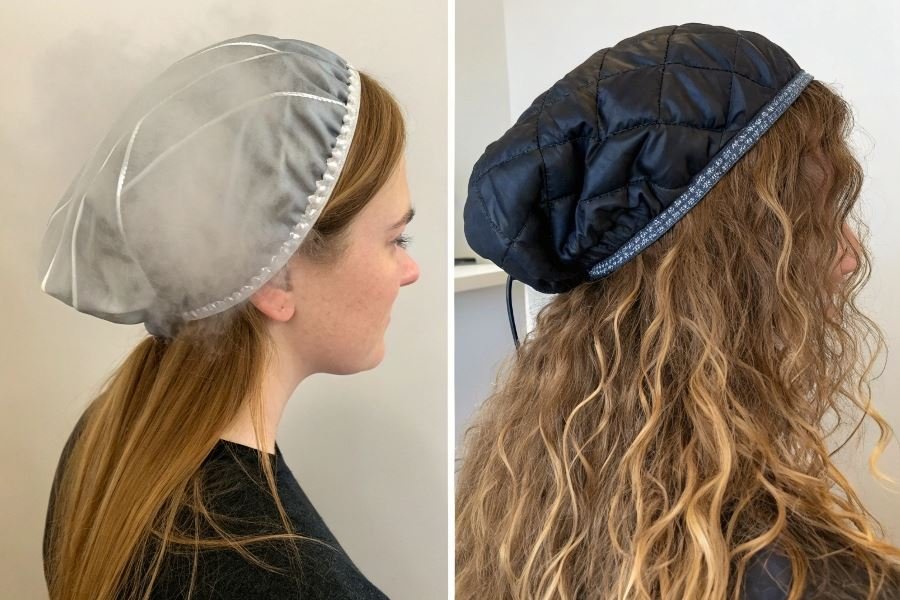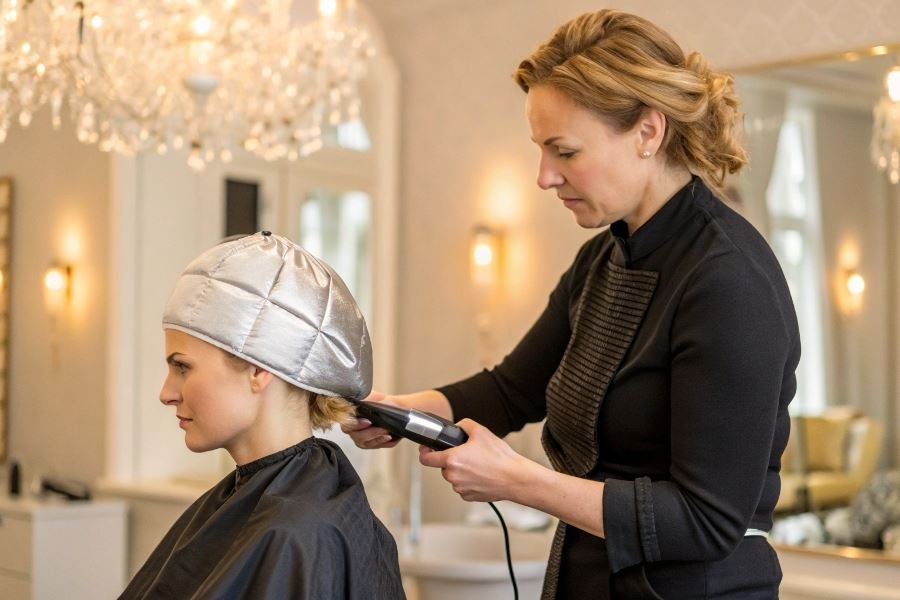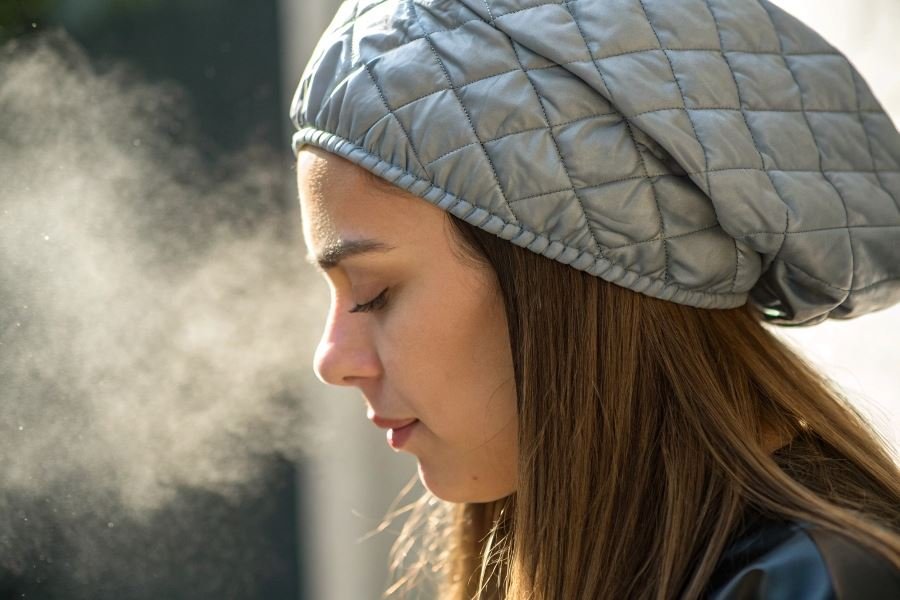
Ever noticed how salon treatments leave your hair feeling like silk, while home treatments often fall flat? The secret weapon might be something you’ve overlooked: the thermal cap. This simple yet revolutionary tool is transforming how we care for our hair at home, delivering professional-quality results without the salon price tag.
Thermal caps are specialized head coverings designed to generate and retain heat during deep conditioning treatments. By maintaining consistent warmth, these caps dramatically enhance product penetration into the hair shaft, turning an ordinary conditioning session into a transformative experience.
The magic happens through science: heat gently opens the hair cuticle, allowing moisture and nutrients to penetrate deeply instead of merely coating the surface. Users report up to 65% better absorption of treatment ingredients when using thermal caps compared to traditional methods.
These hair-saving wonders come in several varieties:
- Electric thermal caps with adjustable temperature settings
- Microwavable caps filled with gel or flaxseeds
- Cordless, rechargeable options for mobility
- Self-heating chemical caps that activate upon exposure to air
Beyond deeper conditioning, thermal caps offer remarkable versatility. They accelerate color processing, extend the life of treatments, and can even help manage frizz in humid conditions. For those with particularly dry or damaged hair, these caps can reduce necessary treatment time by nearly half while doubling effectiveness.
The right thermal cap can be the difference between merely decent hair and truly exceptional locks that turn heads wherever you go.
Essential Factors for Thermal Cap Selection
When investing in hair care tools, the details make all the difference. Thermal caps have revolutionized home hair treatments by amplifying the effectiveness of conditioning masks and oils through controlled heat. But not all thermal caps deliver equal results.
Selecting the right thermal cap for effective hair care requires understanding three critical components: material quality, proper fit, and temperature control features. The market offers numerous options ranging from basic cordless caps to sophisticated electronic models with precise temperature settings. Your hair’s specific needs, budget constraints, and safety concerns should guide your decision-making process.
Material Quality and Heat Retention
The foundation of any effective thermal cap lies in its construction materials. Premium thermal caps typically feature multiple layers:
- Outer shell: Usually made from heat-resistant nylon or polyester
- Middle layer: Heat-retaining materials like aluminum foil or specialized thermal fabrics
- Inner lining: Soft, non-abrasive materials like satin or microfiber that protect hair strands
Heat retention capability directly correlates with treatment effectiveness. Caps with poor insulation lose heat rapidly, reducing the penetration of conditioning treatments into the hair shaft.
The difference between a basic thermal cap and a premium model often comes down to heat distribution uniformity and retention time.
Look for thermal caps with even heat distribution technology. Some advanced models from brands like Hot Head incorporate specialized heat-distributing gels or beads that maintain consistent temperature throughout the treatment session.
Size, Fit and Comfort Features
An ill-fitting thermal cap compromises both effectiveness and comfort. Consider these fit factors:
| Feature | Why It Matters | What To Look For |
|---|---|---|
| Size adjustability | Accommodates different head sizes | Elastic bands, adjustable straps |
| Coverage area | Ensures all hair receives treatment | Full coverage from nape to crown |
| Weight | Affects comfort during longer treatments | Lightweight materials (under 12 oz) |
| Mobility | Allows movement during treatment | Cordless designs, secure fastening |
The best thermal caps include thoughtful comfort features like cushioned edges that prevent pressure marks on the forehead and ears. Some premium models from Glow by Daye feature removable, washable liners that extend product life while maintaining hygiene.
Temperature Control and Safety Features
Temperature regulation represents the most significant differentiator between basic and advanced thermal caps.
Basic thermal caps rely on microwave heating or hot water activation. While affordable, they offer limited temperature control and typically cool faster.
Advanced electronic models provide:
- Precise temperature settings (usually between 110°F-170°F)
- Automatic shut-off features that prevent overheating
- Temperature maintenance throughout the entire treatment duration
- Digital displays showing current temperature and remaining time
Safety should never be compromised. Look for thermal caps with overheat protection systems and UL certification. Models from Vicarko incorporate temperature sensors that automatically adjust heat output to prevent damage to both hair and scalp.
The ideal thermal cap balances effective heat delivery with built-in safeguards that protect your hair from excessive heat exposure, ensuring your conditioning treatments enhance rather than damage your hair’s health.
Matching Thermal Caps to Your Hair’s Unique Needs
Tailoring Your Choice to Hair Type
Selecting the perfect thermal cap isn’t just about grabbing whatever’s on sale—it’s about understanding how different designs serve different hair types. Fine hair typically benefits from caps with gentle, consistent heat distribution to prevent damage, while thicker, coarser hair types can handle (and often require) higher heat settings for effective treatment penetration.
Curly and textured hair responds exceptionally well to thermal caps with adjustable temperature controls. The Heat Therapy Wrap offers three distinct heat settings that allow curly-haired users to deep condition without disrupting natural curl patterns. Meanwhile, those with damaged or chemically treated hair should prioritize caps with moisture-locking technology that prevents further dehydration during heat application.
The difference between a basic thermal cap and one designed for your specific hair type can mean the difference between mediocre results and transformative hair care.
Pairing Features with Treatment Goals
Your thermal cap should align perfectly with your hair treatment objectives. Consider this breakdown of features matched to common hair goals:
| Treatment Goal | Optimal Thermal Cap Features | Why It Works |
|---|---|---|
| Deep conditioning | Consistent heat + steam function | Enhances product penetration by opening cuticles |
| Hair growth stimulation | Infrared technology | Increases blood circulation to follicles |
| Protein treatments | Precise temperature control | Prevents protein overprocessing |
| Color preservation | Low-heat settings with moisture lock | Minimizes color fade while maximizing conditioning |
For intensive repair treatments, caps with cordless designs like the Thermal Treatment Cap allow for movement during longer processing times. This is particularly valuable when using bond-rebuilding treatments that require 30+ minutes to work effectively.
Maintenance and Longevity Considerations
A quality thermal cap represents an investment in your hair care routine—one that should last for years with proper care. Caps with removable, washable liners offer significant advantages for hygiene and longevity. The interior components that come in contact with conditioning products should be easy to clean without compromising heating elements.
Battery life matters for cordless models. The best options provide at least 30-45 minutes of consistent heat—sufficient for most deep treatments without requiring a recharge mid-session. The PowerHeat Pro offers an impressive 60-minute runtime that accommodates even the most intensive hair treatments.
Look beyond the initial purchase price to consider the total cost of ownership. A $75 cap that lasts three years is ultimately more economical than a $40 model that fails after six months.
When evaluating durability, examine the heating element construction. Microwavable caps typically have shorter lifespans than electric models but offer portability advantages. Electric caps with replaceable parts represent the sweet spot between longevity and maintenance ease.
Remember that proper storage extends cap life significantly. Hanging options prevent crushing of internal components, while models with protective cases prevent dust accumulation between uses—a small detail that can add years to your thermal cap’s functional lifespan.
Discover how to select the ideal thermal cap for maximum hair treatment benefits. Learn about materials, temperature control, and matching caps to your specific hair type for salon-quality results at home.
Discover how to select the ideal thermal cap for maximum hair treatment benefits. Learn about materials, temperature control, and matching caps to your specific hair type for salon-quality results at home.