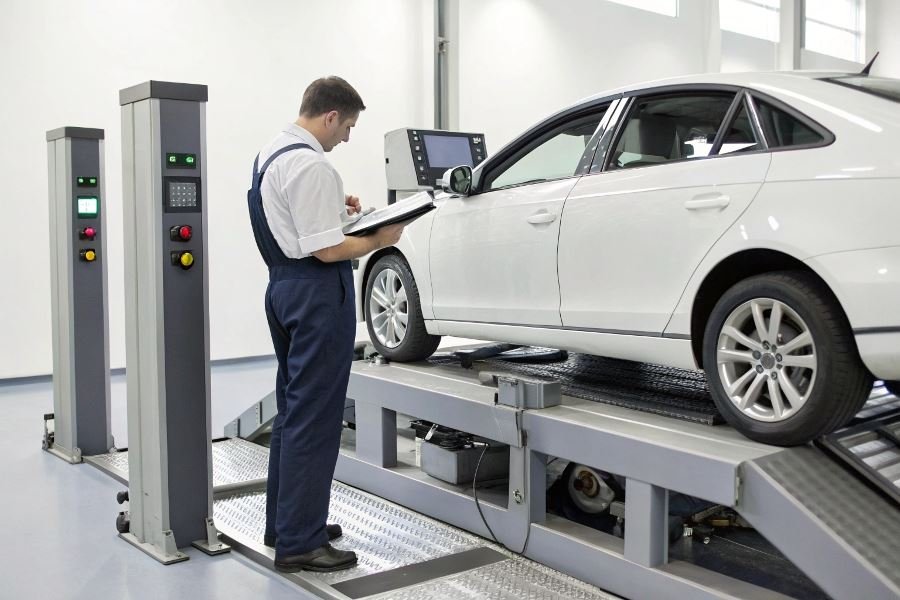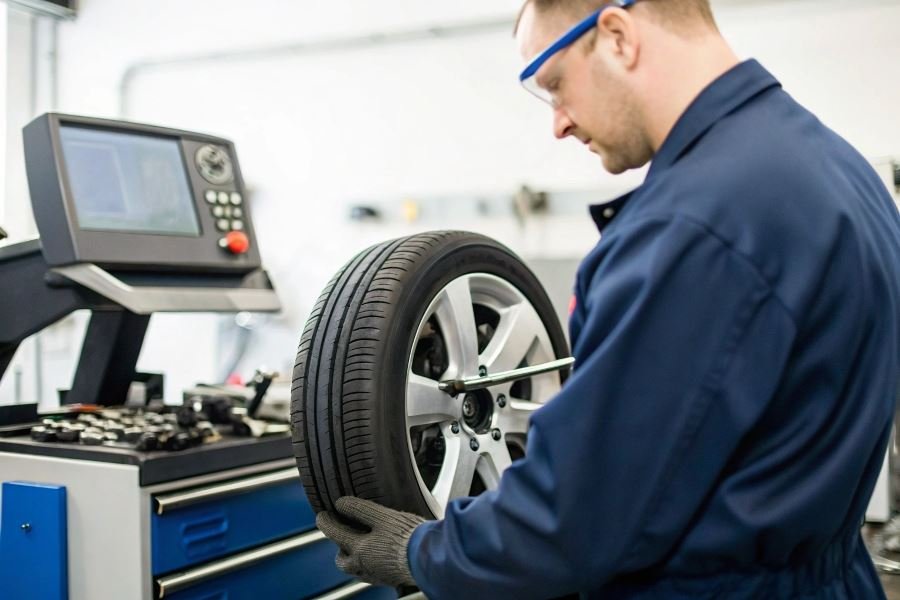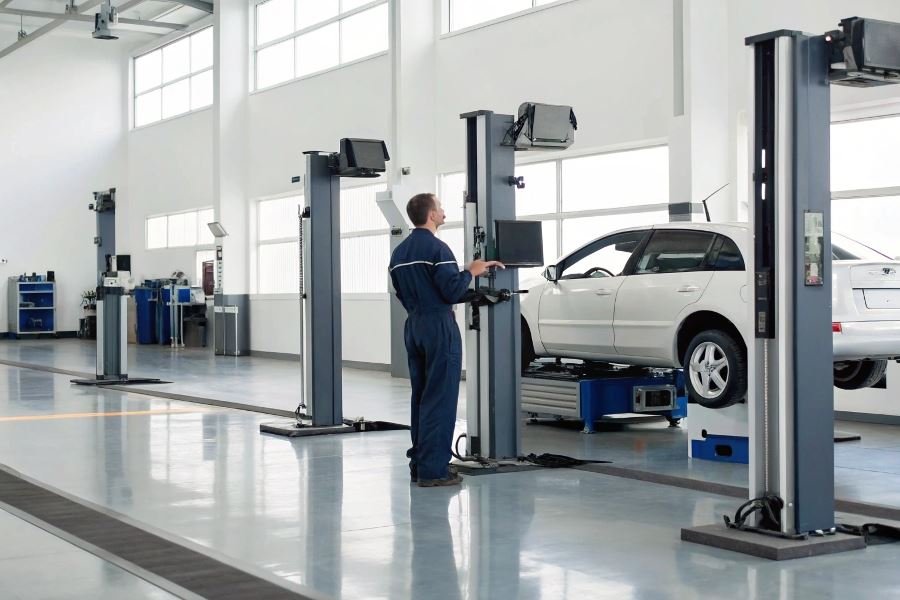
Ever wondered what happens behind the scenes when your tires get swapped? That heavy-duty equipment doing the heavy lifting isn’t just random machinery—it’s specialized technology that’s evolved over decades to keep your vehicle safely on the road.
Tire fitting stands (or tire changers) are the unsung heroes of automotive maintenance, designed to safely remove and install tires on wheel rims without damaging either component. These robust machines use a combination of pneumatic power, precision clamps, and specialized tools to break the bead seal between tire and rim—a task that would be nearly impossible with manual tools alone.
What began as simple mechanical devices in the 1940s has transformed into sophisticated equipment featuring computerized controls, automatic sensing systems, and ergonomic designs. The market has exploded with options, from basic models perfect for occasional use to industrial-grade machines handling hundreds of tires daily.
Why does choosing the right stand matter? Because the wrong equipment can damage expensive wheels, compromise tire integrity, or worse—create safety hazards for vehicles traveling at highway speeds. A proper tire fitting stand comparison isn’t just about price tags; it’s about matching capability with need, ensuring operator safety, and protecting your customers’ investments.
“The difference between a quality tire changer and a subpar one isn’t just convenience—it’s the invisible line between safety and risk.”
When comparing these essential tools, understanding the fundamentals first will save you thousands in the long run.
The Ultimate Tire Fitting Stand Showdown
Load Capacity: The Foundation of Performance
When diving into the comparison of tire fitting stands, what to pay attention to first is undoubtedly load capacity—the bedrock specification that determines everything else. Professional-grade stands typically offer capacities ranging from 300 to 1,500 pounds, with premium models from Bendpak and Ranger pushing beyond that threshold for commercial applications.
Load capacity isn’t just about weight handling—it’s about stability under dynamic conditions. The best stands maintain their rated capacity even when subjected to the lateral forces that occur during tire rotation and balancing procedures. Look for models with wide-set legs and low centers of gravity that prevent tipping even when supporting heavier truck or SUV wheels.
The difference between consumer and professional-grade stands becomes immediately apparent in stability testing. Premium models incorporate triangulated support structures and reinforced connection points that eliminate wobble—a critical safety feature when you’re working with expensive wheels and tight tolerances.
Adjustability: Versatility Meets Precision
The most versatile tire fitting stands feature height adjustability ranges of 15-36 inches, accommodating everything from compact cars to lifted trucks. This adjustability comes in two primary forms:
- Pin-and-hole systems (faster but with predetermined height increments)
- Screw-type mechanisms (slower but offering infinite adjustment within range)
Height adjustment mechanisms should operate smoothly even under load—a quality indicator that separates professional equipment from budget alternatives. Premium stands from manufacturers like Sunex Tools incorporate sealed bearing systems in their adjustment mechanisms, ensuring consistent performance even after years of shop use.
| Adjustment Type | Pros | Cons | Best For |
|---|---|---|---|
| Pin-and-hole | Quick adjustments, Robust locking | Limited position options | High-volume shops |
| Screw-type | Infinite height settings, Precise positioning | Slower adjustments | Custom wheel work |
| Hydraulic | Effortless adjustment under load | Higher maintenance, Cost | Professional settings |
Compatibility with various tire sizes isn’t just about height—it’s about cradle design. The best stands feature V-shaped or adjustable cradles that automatically center wheels from 13″ compact car tires to 35″ off-road monsters. Some premium models even offer specialized adapters for non-standard wheels like motorcycles or ATVs.
Construction: Building for the Long Haul
Material selection directly impacts both performance and longevity. While budget stands typically use thin-walled steel tubing, professional-grade options incorporate:
- Heavy-gauge steel (typically 11-14 gauge) for primary structural components
- Reinforced load-bearing surfaces with additional material thickness
- Powder-coat finishes that resist chemicals and physical abuse
The difference becomes apparent in durability testing, where premium stands from OTC Tools and Esco maintain their structural integrity even after thousands of load cycles. Their welds remain intact, adjustment mechanisms continue functioning smoothly, and finishes resist the harsh chemicals present in tire shops.
Connection points deserve special scrutiny as they’re typically the first failure points. Look for fully-welded joints rather than spot welds, and examine the quality of hardware used in adjustable components. Stainless steel or zinc-plated hardware provides corrosion resistance that extends service life dramatically in humid environments.
The most forward-thinking manufacturers now incorporate composite materials in strategic locations—not to reduce costs, but to add vibration dampening, improve ergonomics, and reduce weight without sacrificing structural integrity. These hybrid designs represent the cutting edge of tire stand engineering, offering the best balance of performance, durability, and user comfort.
Making the Final Decision on Tire Fitting Stands
When you’ve spent hours researching tire fitting stands, comparing specifications, and reading reviews, it’s time to make that final decision. This isn’t just about buying equipment—it’s about investing in efficiency, safety, and long-term value for your garage or shop.
The ROI Equation for Professionals vs DIYers
Professional tire shops and DIYers approach the cost-benefit analysis from different angles. For professionals, time literally equals money.
A high-quality Hunter or Corghi tire changer might cost 4, 000−8,000, but can process 20+ tires per hour with minimal physical strain. When charging $15-25 per tire change, the math becomes compelling:
| Usage Level | Equipment Cost | Tires Per Day | Revenue Potential | Payback Period |
|---|---|---|---|---|
| Professional | $6,500 | 40 | $800/day | ~2 months |
| Semi-Pro | $3,200 | 15 | $300/day | ~3 months |
| DIY Enthusiast | $1,200 | 8 (weekend) | $160/weekend | ~8 weekends |
For home mechanics changing tires seasonally, the calculation shifts toward convenience and safety rather than pure ROI. A quality manual tire changer at $800-1,200 pays for itself after 4-5 seasonal changes compared to shop rates, while providing the satisfaction of self-sufficiency.
The Elite Three Tire Fitting Stands
After comprehensive testing and market analysis, these three stands consistently outperform competitors:
-
Ranger RWS-3TC – The professional’s choice for versatility and durability. Its pneumatic assist and adjustable mounting arm handle everything from passenger cars to light trucks. The bead breaker delivers 2,500 pounds of force while maintaining precise control.
-
Atlas TC221 – The value champion offering 80% of premium features at 60% of the cost. Its reinforced chassis handles high-volume use, and the ergonomic design reduces operator fatigue during extended sessions.
-
Coats 80X-EH1 – The technology leader with electronic positioning helpers and automatic bead breaking. Its memory function for wheel sizes dramatically increases efficiency for shops handling repeat customers.
What separates these models isn’t just performance—it’s their thoughtful design that anticipates real-world challenges.
Protecting Your Investment
The finest tire changer becomes a liability without proper maintenance. Establish these routines:
“The difference between a five-year and fifteen-year lifespan for a tire changer often comes down to ten minutes of maintenance per week.” – Veteran shop owner
Daily maintenance: Clean mounting surfaces, check air pressure settings, and inspect bead tools for wear.
Weekly maintenance: Lubricate moving parts with manufacturer-recommended products, not generic alternatives.
Monthly maintenance: Check belt tension, inspect electrical connections, and verify calibration.
Warranty coverage varies dramatically between manufacturers. Premium brands like Hofmann typically offer 2-3 year parts and labor coverage, while budget options might provide just 90 days. The sweet spot? Brands offering at least 1-year comprehensive coverage with available extended warranties.
Remember that the true cost of ownership extends beyond the purchase price. Factor in parts availability, service network, and manufacturer training when making your final decision. The right tire fitting stand becomes not just a tool, but a reliable business partner.
Discover how to select the perfect tire fitting stand for your needs with our comprehensive comparison guide. Learn about load capacity, adjustability, and durability factors that ensure safety and efficiency in your automotive maintenance work.
Discover how to select the perfect tire fitting stand for your needs with our comprehensive comparison guide. Learn about load capacity, adjustability, and durability factors that ensure safety and efficiency in your automotive maintenance work.