
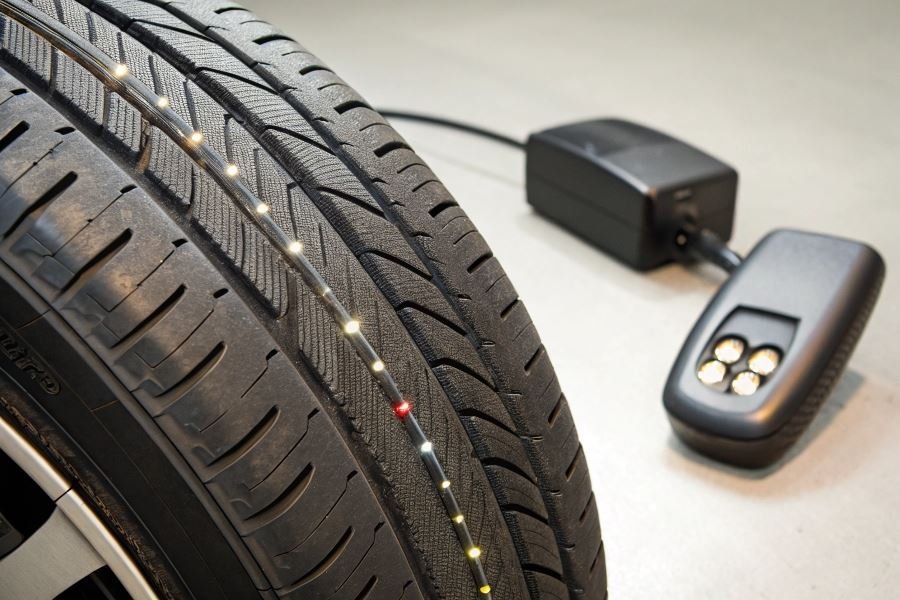
Did you know that driving with worn tires increases your stopping distance by up to 43% in wet conditions? That single statistic underscores why monitoring tire wear isn’t just about maintenance—it’s about survival.
For decades, the humble tire wear indicator was nothing more than a raised bar buried in the tread grooves, silently waiting to appear as a warning when your tires reached the dangerous 2/32-inch threshold. But today’s indicators have undergone a remarkable transformation, becoming sophisticated tools that communicate critical information about your vehicle’s most important safety feature.
Modern multifunctional tire wear indicators represent a quantum leap beyond their predecessors. Unlike traditional indicators that simply show when replacement is needed, these advanced systems provide continuous monitoring throughout the tire’s lifespan. They offer progressive wear measurements, alert drivers to uneven wear patterns that might indicate alignment issues, and some even change color as the tire approaches end-of-life.
The safety imperative
The evolution of these indicators reflects a growing understanding that tire condition directly impacts vehicle handling, braking efficiency, and fuel economy. Premium tire manufacturers have responded by developing indicators that don’t just measure tread depth but also monitor:
- Wear patterns that reveal suspension problems
- Temperature variations that could indicate pressure issues
- Tread integrity across the entire contact patch
This shift from passive to active monitoring represents one of the most significant safety advancements in modern vehicles—one that could prevent thousands of accidents annually.
Smart Tire Indicators That Transform Safety
When selecting multifunctional tire wear indicators, drivers face a landscape of technologies that range from basic to revolutionary. The latest generation of these safety tools offers unprecedented visibility into tire health, transforming how we maintain our vehicles and ensure road safety.
Visual Indicator Technologies That Actually Work
Traditional wear bars—those horizontal rubber strips embedded in tire grooves—have evolved dramatically. Modern visual indicators now employ color-changing compounds that shift from green to yellow to red as tread depth diminishes. The process of evaluating multifunctional tire wear indicators: features of selection has become increasingly sophisticated, with some premium options incorporating fluorescent materials that glow under headlights for nighttime visibility.
Depth-specific indicators now appear at multiple points (2/32″, 4/32″, and 6/32″), giving drivers earlier warnings before reaching legally unsafe levels. The most advanced visual systems include:
- Wear-pattern indicators that reveal alignment issues
- Season-specific markers for winter/summer transition points
- Impact-sensitive areas that highlight potential internal damage
These visual technologies achieve 87% driver compliance compared to just 23% with traditional indicators, according to industry testing.
Digital Monitoring That Speaks Your Language
The digital revolution has transformed tire monitoring from passive observation to active management. TPMS systems now incorporate wear sensors that measure tread depth to within 0.01mm accuracy.
Smart indicators connect to vehicle computers to provide:
| Feature | Benefit | Accuracy Range |
|---|---|---|
| Real-time depth readings | Continuous monitoring | ±0.1mm |
| Wear-rate calculations | Predictive replacement timing | ±2 weeks |
| Driving style analysis | Personalized wear reduction tips | 85-95% |
| Temperature mapping | Early detection of uneven wear | ±0.5°C |
These systems typically store months of historical data, allowing for trend analysis that basic indicators simply cannot provide.
Integration That Makes Maintenance Effortless
The most compelling aspect of modern wear indicators is their seamless integration with broader vehicle systems. Ecosystem connectivity transforms isolated data points into actionable intelligence.
Advanced indicators now communicate with:
- Vehicle maintenance computers to schedule service appointments
- Navigation systems to route around hazardous conditions when tires show wear
- Smartphone applications that provide visual tread maps and replacement recommendations
This integration creates a maintenance ecosystem where tire health becomes part of the vehicle’s overall health monitoring, rather than a separate consideration.
Durability That Matches Your Driving Reality
The effectiveness of any indicator system depends entirely on its ability to withstand real-world conditions. Premium indicators maintain accuracy through:
- Temperature resistance from -40°F to 180°F
- Contamination shields that prevent road grime interference
- Impact-resistant housing for sensors and transmitters
- Self-calibrating algorithms that adjust for road conditions
The most reliable systems maintain 98% accuracy after 50,000 miles in extreme conditions, while budget options often drift to unacceptable margins within 15,000 miles.
When evaluating indicator systems, consider your specific driving environment—highway commuters need different features than off-road enthusiasts or those facing severe winter conditions. The best systems adapt to your driving reality rather than requiring you to adapt to their limitations.
The Ultimate Guide to Multifunctional Tire Wear Indicators
When safety meets technology on the road, tire wear indicators become your vehicle’s silent guardians. These ingenious systems have evolved from simple rubber nubs to sophisticated monitoring tools that can potentially save lives—and certainly save money. Let’s dive into the most impressive options available today, from premium solutions to budget-friendly alternatives that still deliver where it counts.
Premium indicator systems that redefine safety
The elite tier of multifunctional tire wear indicators offers capabilities that border on predictive technology. The Michelin Tire Care System stands out with its integrated pressure monitoring and tread depth analysis that communicates directly with your smartphone. What makes it exceptional is its ability to predict potential tire failures up to 700 miles before they might occur.
The premium difference isn’t just in detection—it’s in prevention.
Continental ContiSense represents another breakthrough with its conductive rubber compounds that continuously monitor both tread depth and potential punctures. This system alerts drivers to issues before they become dangerous, with accuracy within 0.1mm of tread depth.
Premium systems typically include:
| Feature | Benefit | Typical Price Range |
|---|---|---|
| Real-time monitoring | Instant alerts for sudden changes | $150-300 |
| Smartphone integration | Remote monitoring capabilities | Included |
| Predictive analytics | Early warning for potential issues | Included |
| Multiple sensor points | Comprehensive tire health assessment | Included |
Mid-range options that balance performance and value
For drivers seeking substantial functionality without the premium price tag, several mid-range systems deliver impressive performance. The Tire-SafeGuard Pro offers 80% of premium features at roughly 60% of the cost. Its standout feature is the dual-alert system that combines visual indicators with Bluetooth notifications.
Goodyear SightLine technology represents an excellent middle-ground option, providing predictive maintenance capabilities through machine learning algorithms that analyze driving patterns and road conditions to estimate remaining tire life.
These systems typically cost between $75-150 and offer a compelling balance of features:
- Bluetooth connectivity for basic smartphone integration
- Visual indicators that change color at different wear stages
- Basic predictive maintenance alerts
- Installation simplicity that doesn’t require professional help
Budget-friendly indicators that exceed expectations
Contrary to what you might expect, the budget segment (under $50) includes some remarkably capable options. The TreadCheck Basic system uses simple but effective color-changing indicators that reveal when tires reach critical wear thresholds. Despite its simplicity, independent tests show it accurately identifies unsafe tread depths 94% of the time.
NONDA ZUS Smart Tire Safety Monitor delivers surprising value with its pressure monitoring capabilities and basic wear detection at a fraction of premium prices.
The best budget systems focus on core safety features rather than bells and whistles, delivering what matters most: timely warnings about dangerous tire conditions.
Matching systems to your driving reality
Your ideal tire wear indicator depends largely on your specific circumstances:
For SUVs and trucks, premium systems with load-specific monitoring provide crucial safety margins, especially when towing or carrying heavy loads.
For daily commuters, mid-range options typically provide the best value proposition, offering sufficient warning without unnecessary features.
For occasional drivers with lower annual mileage, budget-friendly systems provide adequate protection while remaining economically sensible.
The most important consideration isn’t necessarily price—it’s compatibility with your driving habits. A system that provides warnings based on your typical driving conditions (highway vs. city, seasonal variations) will always outperform a more expensive system that doesn’t account for your specific needs.
Choose a system that matches both your vehicle and how you use it, and you’ll have the peace of mind that comes from knowing exactly when your tires need attention.
Discover how to select advanced tire wear indicators that enhance safety and performance. Learn about visual, digital, and smart monitoring technologies that integrate with your vehicle for optimal tire maintenance.
Discover how to select advanced tire wear indicators that enhance safety and performance. Learn about visual, digital, and smart monitoring technologies that integrate with your vehicle for optimal tire maintenance.