Ever wondered why some tire shops earn customer loyalty while others struggle with comebacks? The answer might be sitting in their toolbox, measuring just millimeters but making a world of difference.
For small auto service operations, precision doesn’t have to come with a premium price tag. Budget tread depth gauges represent that sweet spot where affordability meets professional-grade accuracy. These humble tools—often costing between $15 and $50—serve as the frontline defense against dangerous tire wear conditions that could lead to hydroplaning, blowouts, or poor handling.
Why accurate measurements matter more than you think
Tires tell stories through their tread. When a technician measures with precision, they’re not just checking numbers—they’re evaluating safety margins. The legal minimum tread depth in most states is 2/32″, but the difference between 4/32″ and 3/32″ can mean up to 40% less stopping distance on wet roads. That’s not just a measurement—it’s peace of mind.
Small shop economics of quality tools
For independent shops, every dollar counts. Budget gauges deliver multiple benefits:
- Reduced liability exposure through documented measurements
- Increased upsell opportunities by identifying borderline tires
- Enhanced customer trust with visual measurement evidence
- Improved efficiency with quick, reliable readings
Selecting the right gauge for your operation
When evaluating budget options, focus on:
- Durability – Look for metal construction that withstands daily use
- Readability – Clear markings in both imperial and metric units
- Consistency – Repeatable measurements regardless of user
- Design – Ergonomic features that work well with gloved hands
The best budget gauges don’t just measure tread—they build your business reputation one accurate reading at a time.
Top 3 Budget Tread Depth Gauges That Won’t Break the Bank
When running a small auto service, every tool purchase matters. The humble tread depth gauge—essential for accurate tire inspections—doesn’t need to strain your budget while still delivering professional results. Let’s dive into the most cost-effective options that punch above their weight class.
Small auto shops across the country are discovering that an overview of budget tread depth gauges for small auto services reveals surprising quality at accessible price points. The right gauge not only ensures regulatory compliance but also builds customer trust through precise measurements and consistent readings.
Digital precision without the premium price tag
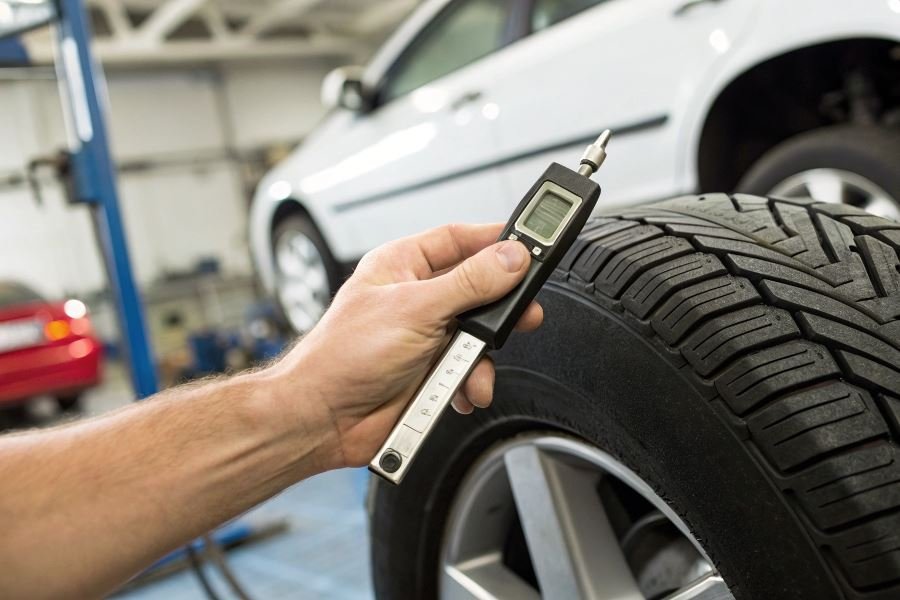
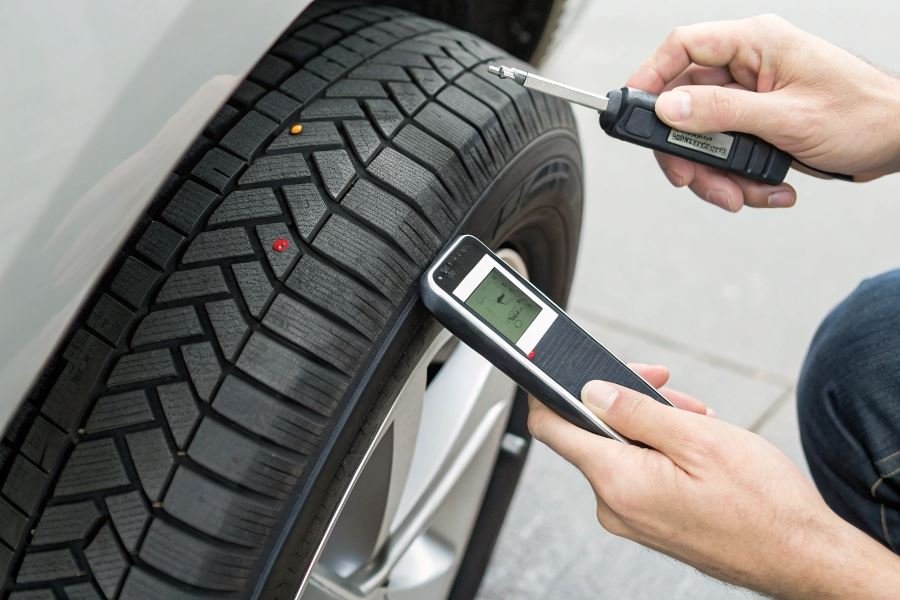
Digital tread depth gauges have revolutionized tire inspections with their easy-to-read displays and precise measurements. The AccuTread Digital Gauge stands out at just $35, offering 0.01mm precision and a backlit LCD display that works perfectly in dimly lit service bays. Its stainless steel probe reaches deep into tread patterns, while the auto-zero calibration function ensures accuracy between measurements.
Another standout is the TireSmart Pro, which includes data memory for up to 50 readings—perfect for busy shops handling multiple vehicles. At $42, it delivers exceptional value with its water-resistant housing and 2-year warranty.
The EconoGauge Digital rounds out the digital options at a mere $29, proving that basic functionality doesn’t require compromise. Its simplified interface and metric/imperial switching make it ideal for shops with apprentice technicians.
Key benefit: Digital gauges eliminate reading errors and provide consistent measurements regardless of who performs the inspection.
Analog classics that stand the test of time
Analog gauges remain popular for their reliability and zero dependence on batteries. The Milton MG-3 ($15) features a sliding bar with clear markings up to 32/32″, with a pocket clip that keeps it accessible throughout the workday. Its all-metal construction has been known to last decades in busy shop environments.
The Steelman Pro analog gauge ($18) incorporates a magnetic base that sticks to tool carts or lifts, reducing the frustration of misplaced tools. Its oversized dial improves readability, while the contoured grip prevents slippage with oily hands.
For the budget-conscious shop, the AutoZone Duralast gauge at $12 delivers surprising durability with its brass components and protective case.
Multi-functional tools that maximize value
| Tool | Price | Functions | Durability Rating |
|---|---|---|---|
| Performance Tool W80152 | $24 | Tread depth, pressure gauge, valve core tool | 4.5/5 |
| OTC TreadSpec | $32 | Tread depth, tread wear pattern analyzer, pressure gauge | 4.7/5 |
| Slime 20017 | $19 | Tread depth, pressure gauge, valve caps | 3.9/5 |
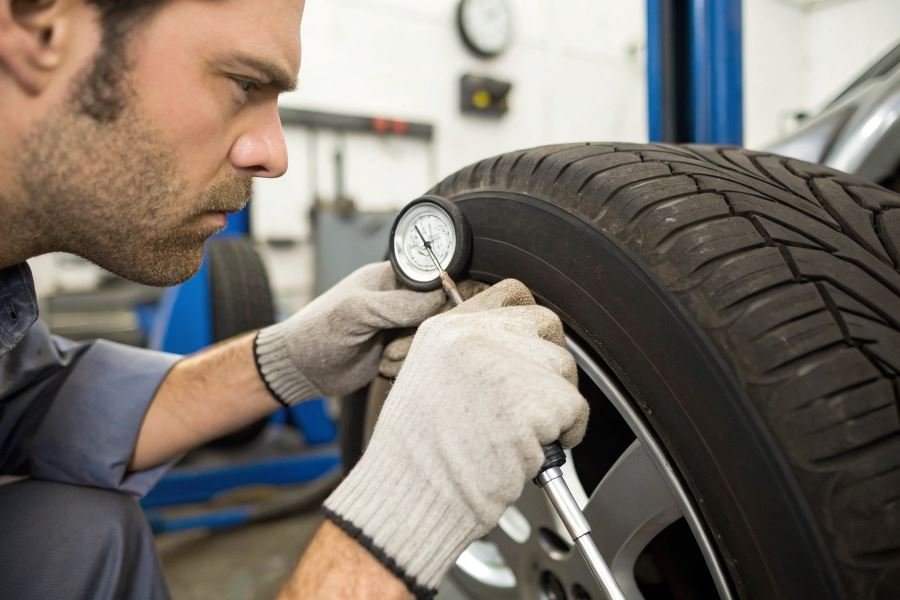
Combination tools represent the ultimate value proposition. The Performance Tool W80152 combines three essential functions in one pocket-sized device. Its pressure gauge measures up to 60 PSI with accuracy within 1.5%, while the built-in valve core tool speeds up inflation adjustments.
The OTC TreadSpec adds a unique tread wear pattern analyzer that helps technicians identify alignment and suspension issues before they become customer complaints. This diagnostic capability transforms a simple measurement tool into a preventative maintenance advisor.
For shops just starting out, the Slime 20017 offers the essentials with a straightforward design that requires minimal training. Its rubberized grip and bright yellow coloring reduce the likelihood of it being left behind in a customer’s vehicle.
Bottom line: Whether you prefer digital precision, analog reliability, or multi-functional versatility, there’s a budget-friendly tread depth gauge that will serve your auto service with distinction without demanding premium prices.
Maximizing Value from Budget Tread Depth Gauges
Auto service profitability hinges on tools that deliver consistent results without breaking the bank. Budget tread depth gauges represent that sweet spot between affordability and functionality—but only when properly implemented. Let’s explore how small auto shops can extract maximum value from these essential measurement tools.
Maintenance secrets that extend gauge life
Even affordable gauges can deliver years of reliable service with proper care. The key is establishing a maintenance routine that becomes second nature:
- Clean after every use: Remove rubber particles and road grime with a soft cloth and mild solvent
- Store in protective cases: Shield gauges from shop impacts and temperature fluctuations
- Perform weekly zero checks: Place on a flat surface and verify the gauge reads zero
Calibration remains the cornerstone of accuracy. While premium gauges might hold calibration longer, budget models require more frequent attention:
“Calibration isn’t a luxury—it’s the difference between accurate measurements and costly comebacks.”
Most manufacturers recommend quarterly calibration using a calibration block. The Fowler 52-720-110 calibration set costs around $85 but pays for itself by ensuring your $20-30 gauges remain trustworthy.
Training staff for measurement consistency
The most precisely calibrated gauge becomes worthless in untrained hands. Develop a standardized measurement protocol:
- Measurement location standardization: Train technicians to measure at the same three points across each tire
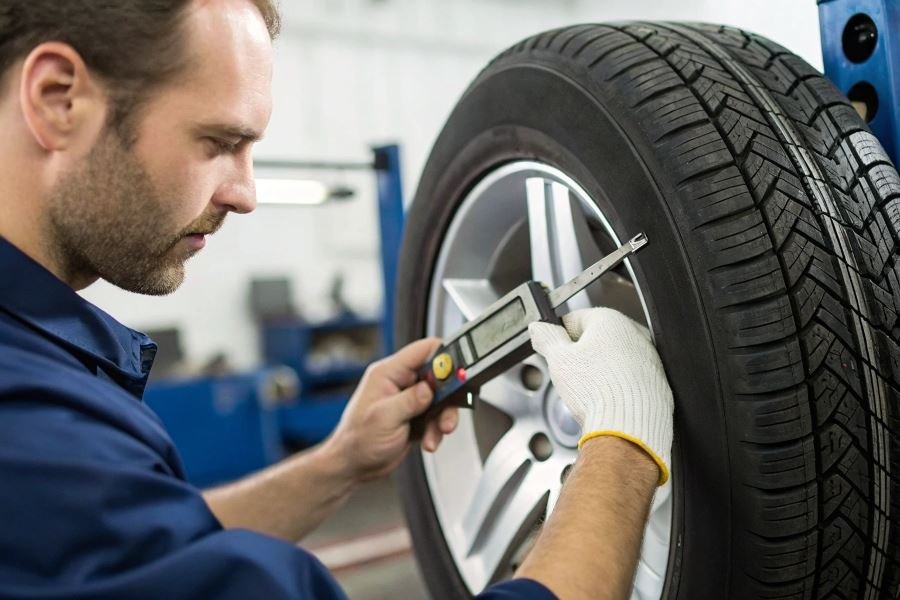
- Proper gauge positioning: Ensure the gauge sits flush against the tread surface
- Reading technique: Teach staff to read measurements at eye level for accuracy
Documentation drives consistency. Create simple measurement cards where technicians record readings from multiple points on each tire. This creates accountability and helps identify when a particular technician consistently records outlier measurements.
The economics of budget gauge investment
Small auto shops face a critical decision: purchase multiple budget gauges or invest in fewer premium options. The math often favors quantity:
| Gauge Type | Initial Cost | Annual Calibration | 3-Year Total Cost | Technicians Equipped |
|---|---|---|---|---|
| Budget | $25 × 5 = $125 | $15 × 5 = $75/yr | $350 | 5 |
| Premium | $120 × 2 = $240 | $25 × 2 = $50/yr | $390 | 2 |
The hidden value emerges in workflow efficiency. When every technician has immediate access to a gauge, tire inspections become routine rather than bottlenecked. This translates to more consistent service and increased upsell opportunities.
Replacement economics also favor budget models. When a $25 Milton S-448 gauge is dropped on concrete, replacement costs remain minimal compared to premium alternatives.
The most successful shops implement a hybrid approach—maintaining several budget gauges for daily use while keeping one premium gauge as a reference standard. This strategy delivers the best of both worlds: accessibility for all technicians and a benchmark for accuracy.
By implementing proper maintenance routines, consistent training protocols, and smart purchasing strategies, small auto services can transform modest investments in budget tread depth gauges into significant operational advantages.
Discover the top 5 affordable tread depth gauges perfect for small auto service shops. Compare digital and analog options, learn key features to consider, and maximize value with proper maintenance techniques for accurate tire measurements.
Discover the top 5 affordable tread depth gauges perfect for small auto service shops. Compare digital and analog options, learn key features to consider, and maximize value with proper maintenance techniques for accurate tire measurements.